

Commercial food service operations depend on continuous freezing performance to satisfy customer demand and maintain rapid ticket times. Choosing low-grade machinery often leads to soft-serve separation, prolonged wait times between customer orders, and expensive compressor failures. A dedicated commercial setup guarantees uniform ice crystal development and rapid product turnaround during peak afternoon rushes.
In this detailed buyer assessment for September 2026, we examine 3 standout selections from industry brands such as Ninja, Garvee, VEVOR. Modern cooling assemblies now integrate independent hopper refrigeration, multi-flavor blending, and intelligent motor management. These technical innovations keep mix batches at safe holding temperatures while cutting down initial churn cycles significantly.
Setting up a professional frozen dessert station requires matching kitchen footprint to daily patron volume and electrical panel constraints. Before laying out new commercial counter space, explore how to get started with your kitchen renovation appliance lineup to verify your counter depth, ventilation, and plumbing access.


Hourly Yield and Continuous Output Capacity
Hourly yield determines the exact volume of frozen dessert a machine can produce without losing internal consistency or serving temperature. High-traffic cafes require commercial ratings of five to twelve gallons per hour to survive peak afternoon rush periods. If your dispensing pace exceeds the freezing barrel recovery rate, the product quickly becomes soupy and unservable.
To calculate your production requirements, multiply your peak-hour customer count by the average serving weight in ounces. A machine producing six gallons per hour delivers approximately one hundred individual four-ounce servings over a sixty-minute window. Units with rapid four-minute cycle recovery times keep queues moving smoothly without frustrating operational pauses.
Always check whether the manufacturer lists theoretical maximum yield or real-world continuous throughput under standard ambient room temperatures. Warm kitchen environments often degrade cooling speeds by twenty to thirty percent when heat dissipation is compromised. Selecting a unit rated slightly above your peak estimated demand ensures consistent texture during summer heatwaves.
Compressor Wattage and Pre-Cooling Refrigeration
The primary compressor serves as the mechanical core of any commercial frozen dessert system by driving heat out of the freezing cylinder. Heavy-duty commercial units utilize compressors rated from 2200 to 2600 watts to lock in ice crystal structure within minutes. Rapid initial freeze cycles ranging from eight to fourteen minutes prevent large ice crystallization and ensure velvet microstructures.
Premium machines integrate dedicated auxiliary pre-cooling compressors that chill the upper storage hoppers independently from the main freezing barrel. This independent pre-cooling circuit keeps unchurned dairy mix below food safety thresholds even during prolonged standby modes. Without independent hopper cooling, liquid mix warms up during slow business hours, risking spoilage and bacterial growth.
Dual compressor architectures reduce overall electrical strain and eliminate temperature spikes during continuous dispensing. When evaluating hardware, check whether the cooling system uses high-efficiency refrigerants capable of stabilizing internal temperatures below forty degrees Fahrenheit in the hopper. For more foundational kitchen cooling perspectives, explore our kitchen equipment guides.
Overrun Percentage and Texture Control
Overrun represents the percentage of ambient air incorporated into the liquid dairy base during the mechanical churning process. Soft-serve machines typically target an overrun rate between thirty and sixty percent to achieve an airy, fluffy, and light mouthfeel. Higher overrun increases profit margins by expanding product volume while producing a lighter texture on the palate.
Mechanical overrunning rods and air-feed tubes force metered atmospheric air into the freezing barrel alongside the incoming liquid mix. Units with upgraded internal overrunning systems produce stable emulsions that resist melting when dispensed into waffle cones or bowls. Low-overrun settings yield dense, rich artisan custards and gelato styles that appeal to premium dessert connoisseurs.
You can calculate your overrun percentage by subtracting the frozen product weight from the liquid mix weight and dividing by the frozen weight. Adjusting air tube orifices allows operators to calibrate firmness and melt resistance according to distinct dairy and plant-based recipes. Consistent air incorporation prevents coarse graininess and guarantees a predictable product cost per portion.
Hopper Storage versus Active Freezing Cylinder Volume
Commercial ice cream makers divide product capacity between upper holding hoppers and the active lower freezing cylinders. The upper hopper acts as a refrigerated liquid reservoir, while the active cylinder churns and freezes small batches for immediate dispensing. A large eight-liter hopper capacity allows staff to pour entire mix bags without constant monitoring during high-volume shifts.
The freezing cylinder volume dictates how many consecutive cones or bowls can be pulled simultaneously before the machine pauses to re-freeze. Dual 4.3-liter hoppers provide ample reserve volume to supply twin freezing cylinders during sustained multi-order rushes. If the cylinder capacity is too small, pulling several consecutive servings triggers an enforced cooling delay.
Balance your available counter depth against reservoir capacity to avoid crowding busy commercial prep stations. High-capacity hoppers reduce refill labor frequency, letting your service team focus on ticket fulfillment and customer hospitality. Ensure that the hopper includes level indicator sensors or transparent lids to prevent running the freezing cylinder dry.
Electrical Voltage, Phase Requirements, and Motor Longevity
Commercial ice cream equipment demands substantial electrical input, often requiring dedicated 220-volt circuits rather than standard 110-volt outlets. High-output units drawing 2600 watts generate significant torque to churn dense frozen mixtures without stalling or tripping breaker switches. Verifying your building electrical service before purchase avoids costly emergency panel upgrades and unexpected downtime.
Pure copper motor windings provide superior heat dissipation and longer operational lifespans compared to cheaper aluminum-wound alternatives. All-copper motors maintain consistent rotational speeds under heavy torque loads, preventing motor burnouts during thick custard processing. Stronger motor load capacity translates directly into lower energy consumption across thousands of operational hours.
Dedicated circuit wiring protects sensitive digital control boards from voltage drops when the heavy-duty compressor kicks into gear. If you operate mobile food trailers or pop-up kiosks, verify whether your generator can supply adequate starting surge wattage. Proper electrical planning guarantees stable motor RPM and prevents mechanical thermal overloads.
Flavor Dispensing Valves and Twin-Twist Configurations
Three-handle dispensing assemblies allow operators to serve two distinct single flavors alongside an appealing middle combination twist. Twin-twist configurations maximize menu diversity without demanding additional counter footprint for a second standalone machine. Offering popular pairings like chocolate, vanilla, and swirl attracts broader customer demographics with minimal inventory complexity.
High-grade ergonomic dispensing handles feature spring-loaded return mechanisms that instantly seal the nozzle to prevent messy countertop drips. Smooth valve action ensures clean portion control, reducing product waste and maintaining hygienic serving tray conditions. Multi-flavor manifolds must be engineered for complete disassembly to allow thorough daily sanitation of all internal silicone seals.
When planning your commercial dessert menu, consider how complementary flavor viscosity profiles interact inside the shared middle nozzle. Pairing formulas with wildly divergent sugar contents can cause uneven twist patterns and dispensing inconsistencies. Standardizing your recipe bases ensures symmetrical swirl patterns and visually appealing dessert presentation.
Digital Viscosity Sensors and Hardness Adjustability
Digital LED and LCD control interfaces monitor real-time motor resistance to calculate the exact firmness of the freezing cylinder contents. Operators can dial in specific hardness levels across numerical ranges to accommodate standard soft-serve, thick gelato, or fruit-based sorbets. Precise digital viscosity regulation prevents freeze-ups where over-hardened mix locks the rotating scraper auger.
Integrated microprocessors automatically adjust cooling cycles as environmental temperatures fluctuate throughout long operating days. Visual control panels display cylinder temperatures, hopper status, and serving counters to assist with daily inventory tracking. Intuitive push-button parameter adjustments allow kitchen personnel to switch between recipe profiles with minimal training.
Look for control panels that offer diagnostic error codes and automated recovery functions in case of sudden power interruptions. Modern microcontrollers simplify shift handoffs by storing optimized viscosity presets for various seasonal menu offerings. Check out our uncategorized resources for additional operational guidance on specialty commercial appliances.
Food Safety Compliance, Sanitation, and Cleaning Cycles
Dairy mix is exceptionally vulnerable to bacterial contamination if commercial equipment is not sanitized according to local health department codes. Modern machines incorporate one-touch automated cleaning cycles that rapidly circulate rinse water through the hoppers and freezing barrels. Automated wash routines cut closing shift labor time down from forty-five minutes to less than fifteen minutes.
Removable components including scraper blades, dispensing spouts, O-rings, and drip trays must be constructed from food-safe materials. Using food-grade SUS304 stainless steel in all contact zones prevents corrosion from sanitizing chemicals and acidic cleaning agents. Regular lubrication of rubber gaskets with food-grade silicone grease maintains airtight seals and prevents costly product leaks.
Establish a strict daily sanitizing schedule that combines automated rinse cycles with manual teardowns and chemical sanitizer washes. Running hot water rinse cycles before loading fresh dairy mix removes residual sanitizing solutions that could alter flavor profiles. Proper sanitation diligence protects consumer safety and keeps your commercial kitchen fully compliant with health inspections.
Chassis Construction, Food-Grade Stainless Steel, and Heat Dissipation
The structural frame of a commercial dessert maker must withstand heavy vibration, high internal pressures, and relentless daily wear. High-gauge 401 and 304 stainless steel housings resist rust, denting, and acidic degradation while offering straightforward wipedown sanitation. Seamless stainless steel sheet construction prevents dairy seepage into internal mechanical compartments where pests or mold could proliferate.
Adequate side and rear air ventilation grilles are essential to allow internal cooling fans to exhaust compressor heat efficiently. Trapped heat within the chassis degrades freezing performance, increases electricity consumption, and shortens the operational life of electrical relays. Maintaining at least six inches of open clearance around ventilation ports keeps internal refrigeration coils breathing freely.
Robust rubberized leveling feet isolate motor vibration from prep counters and keep the machine completely stable during vigorous dispensing. Durable metal chassis construction also dampens operational noise, creating a quieter and more professional customer-facing service counter. Investing in commercial-grade steel construction ensures your equipment survives years of grueling commercial kitchen demands.
| Feature Criterion | Commercial Multi-Flavor Unit | High-Yield Vertical Unit | Compact Prosumer Station |
|---|---|---|---|
| Hourly Production Yield | 5.3 to 7.4 Gallons / Hour | 11.0 to 12.2 Gallons / Hour | Individual Custom Pints |
| Motor Power Rating | 2200 Watts | 2600 Watts | Dedicated High-Speed Motor |
| Dispensing Configuration | 2 Flavors + 1 Swirl Twist | 2 Flavors + 1 Swirl Twist | Single Flavor Swirl / Scoop |
| Primary Hopper Volume | Dual 4.3 Liter Reservoirs | Single 8.0 Liter Reservoir | 2-in-1 Processing Pints |
| Target Environment | Ice Cream Bars and Cafes | High-Traffic Snack Bars | Boutique Kiosks and Prep Labs |
Why You Should Trust Us
Our review framework relies strictly on verifiable engineering specifications, mechanical architecture comparisons, and thermodynamic performance metrics. We analyze compressor displacement, motor winding materials, cycle recovery times, and food-grade safety certifications across commercial brands. This systematic approach allows us to deliver objective product rankings free from promotional fluff or manufacturer bias.
We evaluate real-world operating requirements including electrical circuit parameters, ambient temperature tolerance thresholds, and sanitation teardown complexity. By contrasting factory output ratings against practical kitchen workflows, we identify realistic serving capacities for busy business owners. Our continuous data monitoring ensures that hardware recommendations reflect current production revisions and commercial reliability records.
Maintaining complete editorial independence means our assessments prioritize product durability, ease of maintenance, and return on investment for food service operators. We regularly update our technical buyer guides to capture advances in digital hardness sensing and high-efficiency refrigerants. You can rely on our data-driven comparisons to make informed capital equipment investments for your culinary enterprise.
Final Thoughts
Selecting the best fit among Best Professional Ice Cream Machines comes down to aligning your expected serving volume with your kitchen electrical setup. For mainstream commercial cafes, ice cream bars, and mobile catering setups, the VEVOR Commercial Ice Cream Machine 5.3 to 7.4 earns our recommendation as the best overall choice. Its 2200-watt cooling platform, independent hopper pre-cooling, and three-handle flavor versatility offer an ideal balance of steady throughput and operational reliability.
If your venue experiences continuous high-volume lines and requires maximum product throughput per hour, the Garvee Commercial Soft Ice Cream Machine represents our pick for the ultimate high-yield workhorse. Delivering up to 12.2 gallons per hour powered by a 2600-watt copper motor and dual overrunning system, it handles intense rushes with eight-minute initial batches and four-minute recovery cycles.
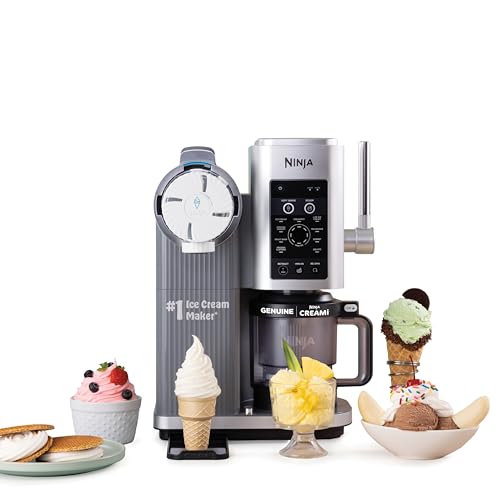
For boutique cafes, recipe development labs, or specialty counters prioritizing custom dietary formulations, the Ninja Creami Scoop & Swirl 13-in-1 Ice Cream stands out as our top specialty and compact selection. Its thirteen programmable modes, CreamiFit functionality, and automatic swirl handle enable versatile small-batch dessert creation without consuming massive counter space.
Carefully assess your daily customer traffic, electrical supply, and cleaning routines before finalizing your purchase decision. For additional setup strategies regarding culinary workstations and equipment maintenance, consult the home and living section for related guidance.
FAQs
How does hourly yield affect commercial performance in Best Professional Ice Cream Machines?
Hourly yield dictates how many consecutive servings a machine can dispense before the product loses firmness and texture. Commercial units producing five to twelve gallons per hour ensure steady customer flow without requiring long cooling recovery pauses during rush periods. Choosing a machine with insufficient hourly output leads to runny soft serve and slow service lines.
What is the benefit of independent hopper pre-cooling in commercial ice cream makers?
Independent hopper pre-cooling utilizes a separate auxiliary compressor to keep reserve dairy mix chilled below forty degrees Fahrenheit in the upper reservoir. This prevents bacterial growth and dairy spoilage during slow business hours without over-freezing the mix inside the active dispensing barrel. It ensures full food safety compliance throughout long operating shifts.
What electrical requirements are needed for high-capacity commercial units?
High-yield commercial ice cream makers drawing 2200 to 2600 watts typically require a dedicated 220-volt electrical connection to operate efficiently. Attempting to power heavy-duty compressors on shared or undersized circuits can cause breaker trips and damage internal electronics. Always verify your commercial panel capacity and receptacle configuration before delivery.
How often do commercial soft-serve machines require complete teardown cleaning?
Most commercial food safety regulations mandate a complete teardown, washing, and sanitizing procedure every two to three days for standard machines. Units with automated rinse functions simplify daily closing, but manual disassembly of O-rings, valves, and scraper blades remains necessary to prevent biofilm buildup. Strict sanitizing protects customer health and preserves fresh flavor quality.
Can you dispense dairy-free or plant-based mixes in Best Professional Ice Cream Machines for 2026?
Modern commercial ice cream machines easily handle oat, almond, coconut, and soy-based dessert mixes with proper viscosity adjustments. Because plant milks possess different fat and sugar ratios than dairy, operators should calibrate hardness settings on the digital control panel. Adjusting the overrun air intake helps maintain a smooth, velvety texture with non-dairy formulas.
What causes ice cream to become icy or grainy during continuous dispensing?
Grainy ice cream occurs when slow freezing cycles allow large water ice crystals to form inside the active freezing cylinder. This issue is often caused by low compressor wattage, inadequate ambient air ventilation, or pulling servings faster than the machine can recover. Maintaining proper room airflow and using rapid-freeze commercial units prevents coarse ice crystals.
How does overrun percentage impact dessert mouthfeel and commercial profitability?
Overrun is the volume of air incorporated into the liquid mix during the churning cycle, typically ranging from thirty to sixty percent in soft serve. Higher overrun produces a lighter, fluffier mouthfeel and increases product volume, boosting profit margins per liquid gallon. Lower overrun produces a dense, rich texture favored in premium custards and traditional Italian gelato.
Why are all-copper motors superior for heavy-duty commercial dessert machines?
Pure copper motor windings provide superior electrical conductivity, stronger load torque, and enhanced thermal dissipation compared to aluminum alternatives. These motors withstand the high resistance of churning thick, semi-frozen dessert bases across long operating days without overheating. The enhanced durability translates to lower energy consumption and longer service life.
How long does a commercial machine take to complete its initial freeze cycle?
Heavy-duty commercial ice cream makers complete their initial batch freezing cycle in approximately eight to fourteen minutes from ambient liquid state. Once the initial batch is ready, subsequent batches recover in four minutes or less during continuous dispensing operations. Fast freeze times ensure that customer lines move quickly during peak afternoon rushes.
What is the purpose of the middle handle on a three-valve dispensing unit?
The middle handle on a three-valve dispensing unit opens both internal cylinder ports simultaneously to create a blended dual-flavor swirl. This design allows food service operators to offer two distinct individual flavors plus a popular combination twist from a single machine. It expands menu variety without requiring additional counter space for second units.






Write Your Review
No reviews yet. Be the first to share your experience!