

Persistent lower back ache and wrist strain frequently ruin what should be an exhilarating day on the trails. A cramped cockpit forces your body into an overly aggressive forward lean that strains your spine over rough terrain.
Finding the Best Mountain Bike Handlebar Riser in September 2026 solves these posture dilemmas by elevating your controls to a natural position. We evaluated 7 leading options across trusted brands like BUCKLOS, LUNJE to help you fine tune your riding stance.
Whether you need an adjustable angle stem for casual commuting or a heavy duty extension for technical descents, our curated analysis highlights the most reliable hardware. Explore our general cycling and setup guides to understand how subtle geometry tweaks revolutionize bike comfort.
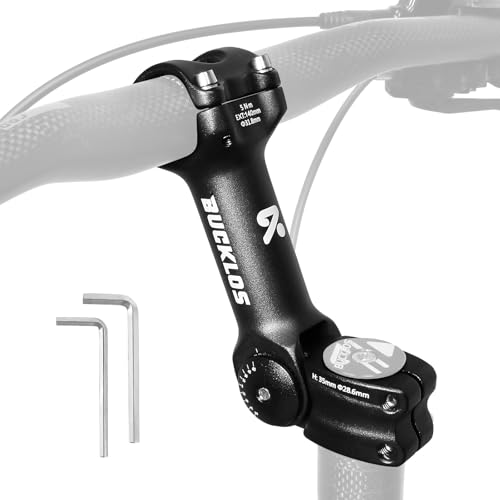


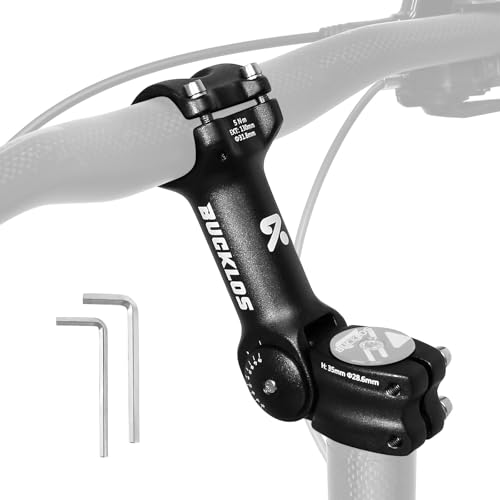
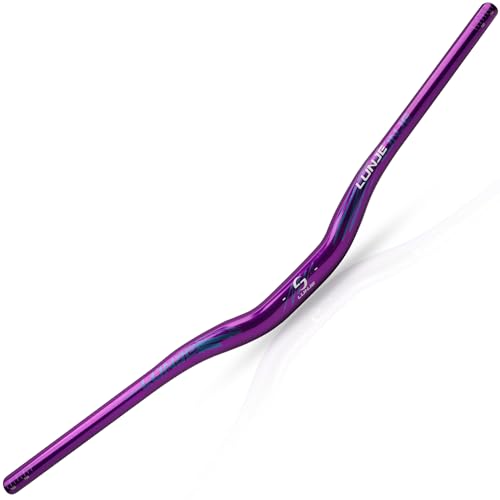
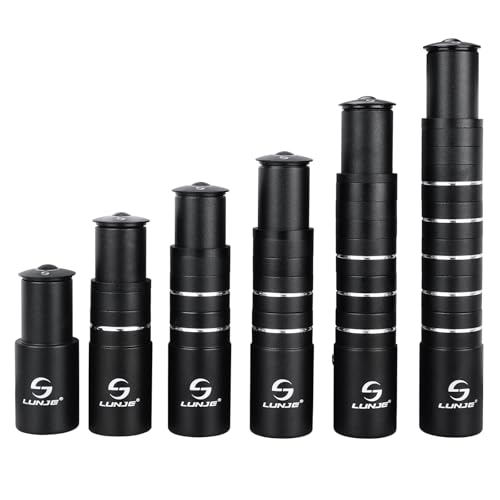
Dialing in your mountain bike cockpit requires balancing rider comfort against aggressive trail steering response. Selecting the right hardware requires understanding fork dimensions, clamp standards, and structural load ratings.
Reviewing the key technical specifications below ensures you pick a component that integrates seamlessly with your existing fork and control cables.
| Riser Type | Typical Lift Range | Best Use Case | Installation Complexity |
|---|---|---|---|
| Fixed Steerer Extender | 50mm to 210mm | Heavy off road trails and aggressive riding | Low (Stack spacers on steerer) |
| Adjustable Angle Stem | 30mm to 110mm | Commuting, touring, and custom reach tuning | Moderate (Angle pivot adjustment) |
| High Rise Handlebar | 35mm to 55mm | Downhill racing and wide cockpit stability | Moderate (Grip and control transfer) |
Fork Steerer Tube Compatibility and Diameter Matching
The most critical measurement for any stem riser installation is the fork steerer tube outer diameter. Standard modern mountain bikes overwhelmingly utilize a 1-1/8 inch (28.6mm) steerer tube design that seats directly into the headset.
Attempting to clamp an incompatible extension onto an oversized or tapered steerer tube creates dangerous mechanical play. Always measure your bare steerer tube with digital calipers before finalizing your purchase.
A secure fit requires at least 35mm to 40mm of internal insertion depth over the original tube. This full engagement ensures that clamping forces distribute evenly without warping the aluminum alloy walls.
Riders should also verify that the internal wedge or top cap bolt threads engage smoothly into the star nut. Adequate thread engagement guarantees you can preload the headset bearings accurately without stripping components.
Handlebar Clamp Diameter Standards
Handlebars come in several standardized clamp diameters that dictate cockpit stiffness and accessory fitment. Modern trail bikes typically feature 31.8mm clamp sections, while older frames and budget cruisers often utilize 25.4mm bars.
High performance downhill and enduro setups sometimes use oversized 35mm clamp diameters for maximum torsional rigidity. You must verify whether your chosen riser includes precision shims or matches your handlebar center bulge natively.
Installing a 25.4mm bar into a 31.8mm stem without engineered conversion shims causes dangerous slippage under heavy braking. Ensure any included adapters feature knurled contact surfaces that resist rotation during intense trail rides.
Check our overview on home and living hardware upgrades to see how precision mechanical sizing principles apply across diverse gear. Matching your clamp diameter precisely preserves both safety and handling precision.
Total Rise Height and Spacer Stack Customization
Handlebar risers deliver elevation gains ranging from subtle 30mm lifts up to extreme 210mm extensions. Choosing the correct height depends on your torso length, arm reach, and existing handlebar sweep.
Modular riser designs utilize multiple removable aluminum spacers placed beneath the stem body. This configuration allows you to experiment with gradual 5mm height changes until your posture feels completely balanced.
Setting your handlebars too high can unweight the front tire and cause washouts on steep uphill climbs. A practical rule of thumb is to elevate the grips just enough to alleviate lower back tension while keeping moderate weight over the front wheel.
Measure your current saddle to grip drop before buying to determine your ideal target height. Riders seeking upright posture should target a handlebar position level with or slightly above the saddle height.
Fixed Steerer Extenders vs Adjustable Angle Stems
Upgrading your cockpit generally comes down to choosing between fixed vertical tube extenders and articulating adjustable angle stems. Fixed tube extenders slide directly over the fork steerer to raise the entire stem assembly vertically.
Adjustable stems feature a heavy duty central pivot that alters both reach distance and vertical angle simultaneously. This dual axis adjustability lets you bring the grips closer to your chest while raising your hand position.
Fixed risers offer maximum structural rigidity for rough singletrack trails and rock gardens. Adjustable angle units provide superior custom fitment flexibility for commuters and light gravel touring riders.
If you ride aggressive downhill sections, prioritize fixed extenders or high rise one piece handlebars over pivoting mechanisms. Pivoting joints require strict bolt torque checks to avoid unwanted creaking or movement over time.
Material Construction and Durability Ratings
Mountain bike cockpits endure massive dynamic forces during braking, drop landings, and sprinting out of the saddle. High grade 6061-T6 or 3D forged aluminum alloy remains the premier material choice for durable risers.
Forged aluminum aligns the metal grain structure to resist fatigue cracking under continuous trail vibrations. CNC machined finishing further eliminates sharp stress concentration points that could compromise the component under heavy loads.
Avoid unbranded aluminum alloy components that do not list strict load or pressure ratings. Premium models undergo rigorous quality testing to withstand upwards of 280 Newtons of lateral force without deformation.
Look for anodized or powder coated exterior finishes that resist corrosion caused by rain, mud, and sweat. A resilient exterior treatment prevents cosmetic weathering and protects the metal integrity for years of riding.
Cable and Brake Hose Slack Verification
Elevating your handlebars consumes existing slack in your mechanical shift cables and hydraulic brake lines. Before ordering a tall riser, turn your handlebars 90 degrees in both directions to assess remaining line length.
Taut cables can accidentally pull brake levers, trigger ghost shifting, or pull hydraulic lines out of their fittings during sharp turns. If your cables become stretched tight, you must budget time and money for installing longer housings.
A modest 30mm to 50mm rise rarely demands complete cable replacement on standard factory mountain bikes. Extreme lifts of 100mm or more almost always require extended hydraulic hoses and shift inner wires.
Consult our health and family lifestyle recommendations for tips on keeping your physical activities safe and well planned. Proper cable clearance prevents dangerous mechanical hang ups when navigating tight switchbacks.
Cockpit Ergonomics and Spine Relief
Prolonged cycling with an excessively low handlebar forces excessive lumbar flexion and hyperextension of the cervical spine. This awkward geometry compresses spinal discs and pinches nerves, leading to hand numbness and chronic shoulder knots.
Raising your control center rotates your pelvis into a neutral orientation that distributes body weight toward your sit bones. Relieving pressure from the ulnar nerve in your palms eliminates the tingling sensation common on long distance rides.
Riders recovering from spinal injuries or joint stiffness benefit immensely from an upright, heads up riding posture. Improved head position also enhances your peripheral vision and situational awareness in busy urban traffic or crowded trail networks.
Balance your handlebar height with proper saddle tilt to avoid transferring excessive shock directly into your tailbone. Achieving optimal ergonomic alignment ensures you can ride longer distances without lingering muscular fatigue.
Impact on Trail Handling and Steering Dynamics
Modifying your handlebar height directly alters the center of gravity and weight distribution of your mountain bike. A taller front end makes lifting the front wheel over trail obstacles, logs, and curbs significantly easier.
The trade off is a reduction in front tire cornering traction on flat, loose corners where rider weight is needed to bite into the dirt. Aggressive trail riders should compensate by leaning their body forward into turns when riding with taller stems.
Shorter stems with steep upward angles shorten effective cockpit reach, resulting in quicker, more responsive steering input. Longer riser stems stabilize the front wheel for smooth tracking at high speeds on paved paths.
Evaluate your primary terrain before choosing an extreme height adjustment. Moderate trail riders will appreciate the boosted descending confidence and roll over capability that a subtle rise provides.
Installation Safety, Bolt Torque, and Maintenance
Correct mechanical installation is vital for rider safety when modifying core steering components. Always use a calibrated torque wrench to tighten pinch bolts to the manufacturer recommended values, typically between 5Nm and 8Nm.
Uneven bolt tightening can warp the stem faceplate or crush lightweight aluminum handlebar tubing. Tighten faceplate bolts in a crisscross pattern while maintaining equal spacing gaps between the top and bottom plates.
Apply a thin layer of bicycle grease to steel bolt threads to prevent galvanic corrosion and ensure accurate torque readings. Check all fastener tightness after your initial 20 miles of riding to catch any settling in the spacer stack.
Regularly inspect your stem riser assembly during routine pre ride safety checks. Look for any signs of hairline cracks, loose hardware, or headset bearing play before tackling rough terrain.
Why You Should Trust Us
Our review methodology centers on rigorous technical evaluation and objective mechanical analysis of bicycle cockpit components. We scrutinize manufacturing tolerances, material grades, clamping security, and real world adjustability metrics across every shortlisted product.
Rather than relying on marketing claims, we evaluate structural specifications against industry safety standards and rider feedback. We cross examine clamp dimensions, bolt hardware quality, and corrosion resistance across multiple riding environments.
Our database remains continually updated through automated monitoring to ensure you receive timely, accurate component guidance in 2026. You can rely on our transparent data driven approach to select dependable hardware for your bike.
Final Thoughts
Choosing the Best Mountain Bike Handlebar Riser transforms an uncomfortable, back straining ride into a smooth and enjoyable adventure. Upgrading your cockpit gives you full command over your riding posture and handling dynamics on diverse trails.
For riders seeking ultimate versatile adjustability, the BUCKLOS Adjustable Bike Stem Riser Extender 31.8mm is our top overall recommendation thanks to its combined vertical lift and angle range. It allows you to fine tune both reach and elevation to match your personal biomechanics perfectly.
Budget conscious cyclists who need straightforward, rock solid elevation will appreciate the BUCKLOS Bike Stem Riser Handlebar Extender for MTB as the best value pick. If your goal is broad handlebar sweep and cutting edge aesthetics, the LUNJE Chameleon Bike Handlebar 31.8mm – 35mm delivers exceptional T6 aluminum strength and nighttime visibility.
Take time to double check your fork steerer diameter and brake cable slack before beginning installation. Discover more practical gear comparisons by browsing our general product guides to keep all your outdoor equipment performing at its peak.
Frequently Asked Questions
What makes the Best Mountain Bike Handlebar Riser essential for trail riding in 2026?
The Best Mountain Bike Handlebar Riser elevates your hand controls to relieve severe pressure on your lower back, neck, and wrists. It allows you to maintain better head position and situational awareness while preventing fatigue on long distance trail rides.
Will installing a handlebar riser require longer brake cables and shift housing?
Minor height increases of 30mm to 50mm typically work with stock cable lengths on most factory mountain bikes. Taller riser extensions over 70mm often pull cables tight, requiring you to install longer brake hoses and shift lines for safe turning clearance.
How does raising handlebar height impact uphill climbing performance on trails?
Raising your handlebars shifts your center of gravity rearward, which can lighten the front wheel on steep climbs. You can counteract this by shifting your chest forward over the cockpit when pedaling up steep trail inclines.
What is the primary difference between a steerer extender and an adjustable stem?
A steerer extender clamps directly onto your fork steerer tube to add vertical height beneath your existing stem. An adjustable stem replaces your original stem entirely, offering pivoting angle changes to adjust both height and forward reach simultaneously.
Can I safely use an adjustable stem riser for aggressive downhill mountain biking?
Adjustable stems are best suited for cross country, commuting, and light trail riding due to their internal pivoting joint. Aggressive downhill and enduro riding produces extreme impact forces that are better handled by rigid fixed risers or high rise handlebars.
How do I verify that my bike fork steerer tube is 1-1/8 inch (28.6mm)?
You can confirm your fork dimensions by measuring the outer diameter of the steerer tube with digital calipers or checking your bike technical manual. The vast majority of modern adult mountain bikes use the standard 28.6mm steerer specification.
What tools are required to install a Best Mountain Bike Handlebar Riser at home?
Installing a Best Mountain Bike Handlebar Riser requires a set of metric hex keys and a torque wrench. A small amount of bicycle grease on bolt threads ensures smooth tightening and prevents creaking noises.
Does a higher handlebar position eliminate wrist pain and palm numbness?
Yes, elevating the handlebars reduces the amount of upper body weight pressing down into the grips and ulnar nerve. This posture shift relieves wrist compression and promotes healthy blood circulation during extended rides.
How much handlebar rise is recommended for an all around trail mountain bike in 2026?
Most recreational trail riders find optimal comfort with a modest rise between 30mm and 60mm. This range provides noticeable posture relief without degrading front tire cornering grip or high speed stability.
What is the difference between 31.8mm and 25.4mm handlebar clamp diameters?
The 31.8mm standard offers greater clamp surface area and higher torsional stiffness for modern trail bikes. The smaller 25.4mm diameter is common on vintage and budget bikes, requiring adapter shims if used in larger stem clamps.







Write Your Review
No reviews yet. Be the first to share your experience!