

Broad entranceways and modern architecture often create unexpected challenges for home fitness enthusiasts. Most standard fitness bars are engineered strictly for narrow openings, leaving owners of spacious doorways with limited upper body workout options.
Finding hardware that bridges wider door moldings without buckling requires careful evaluation of steel tubing and leverage points. We analyzed 10 models in September 2026 to identify options that maintain rigid stability across broader architectural spans.
Before installing heavy equipment, checking our detailed Guides will help you evaluate structural load points around your home. The right unit preserves your woodwork while supporting rigorous calisthenics routines with absolute safety.


Navigating home gym gear requires understanding how load geometry changes as frame width expands. When you select hardware for non-standard doorways, specific engineering details determine whether your bar stays rock solid or slips dangerously.
Doorway Width Span and Expandability
Standard interior doors typically measure between 28 and 32 inches across the opening. Wide door openings, however, frequently reach anywhere from 36 to 40 inches in modern residential construction.
A leverage-based hanging bar designed for narrow openings will fail to catch the outer trim on wide doorways. You must confirm that the crossbar spans far enough to rest securely on the exterior molding without resting on weak drywall.
Always measure the clear interior passage width as well as the outer edge of the frame molding. As a general rule, choose an adjustable bar that exceeds your frame opening by at least four inches on either side.
Frame Depth and Wall Thickness Capacity
Wall thickness plays an equally critical role when mounting cantilevered fitness hardware. Typical drywall assemblies over 2×4 studs create a frame depth of approximately 4.5 to 6 inches.
Homes with thicker plaster walls or structural support beams can easily feature door depths of 8 inches or more. Bars with fixed cantilever hooks cannot accommodate these deep profiles, which forces the top support beam out of alignment.
Select equipment with multi-position depth adjustments or sliding hook brackets to ensure a flush fit against deep framing. A proper fit ensures your downward weight translates directly into stabilizing clamping pressure rather than rotational torque.
Trim Molding Height and Clearance
The decorative trim above your door opening acts as the primary mechanical anchor for leverage bars. Modern and historic homes often sport ornate header casing that exceeds standard 2.5-inch flat trim dimensions.
If your upper molding stands taller than 3.5 inches, standard hooks will not sit flat against the top edge. This creates an unstable contact patch that can slip under load or crush decorative woodwork profiles.
Check the maximum trim height rating on any prospective unit before making a purchase. Bars featuring extended vertical drop brackets allow the rear hook to rest securely above tall decorative headers.
Structural Steel Gauge and Weight Capacity
A wider span inherently experiences greater bending leverage when loaded in the center. Thin steel tubing that feels sturdy on a 28-inch door will often flex noticeably across a 38-inch expanse.
Look for commercial-grade steel tubing with wall thicknesses of at least 1.5 to 1.7 millimeters. Heavy-duty tubing prevents mid-bar deflection, ensuring that dynamic forces during explosive repetitions do not loosen the assembly.
Higher structural capacity ratings between 300 and 500 pounds provide an essential margin of safety. This extra strength is crucial if you plan to introduce weighted vests or dynamic kipping movements into your routine.
| Feature Spec | Standard Doorway Bars | Wide Doorway Leverage Bars | Free Standing Power Towers |
|---|---|---|---|
| Supported Width | 24 to 32 inches | 30 to 39 inches | Independent of doorway |
| Frame Depth Range | 4.5 to 6.0 inches | 4.7 to 8.5 inches | Not applicable |
| Weight Limit | 220 to 300 lbs | 300 to 500 lbs | 400 to 450 lbs |
| Installation Type | Tool-free leverage | Leverage or telescopic | Free-standing base |
Door Frame Protection and Contact Padding
Preventing cosmetic damage to door casings is a major priority for renters and homeowners alike. Cheap foam padding tends to degrade quickly, allowing bare metal brackets to gouge paint and dent soft pine moldings.
Modern premium designs utilize high-density thermoplastic rubber or molded silicone contact pads. These resilient materials distribute lateral pressure evenly across a larger surface area without leaving dark friction marks.
If you maintain a stylish space from our Home & Living ideas, preserving doorway woodwork keeps your interior looking pristine. Dual-layer silicone guards provide the best defense against repetitive cyclic loading.
Grip Positions and Ergonomic Wrist Alignment
A broad bar configuration opens up diverse hand placements that can target specific back and shoulder musculature. Wide pronated grips emphasize the latissimus dorsi, while narrow supinated holds focus primarily on bicep recruitment.
Neutral parallel handles provide an anatomically friendly pathway that relieves stress on delicate shoulder joints and wrists. Angled bar ends further reduce wrist pronation torque during the top phase of a pull up movement.
Ensure that the grip handles feature dense, sweat-resistant foam or knurled surfaces that do not rotate freely under hand pressure. Firm grip material allows for secure hand placement without causing painful blisters during long training sessions.
Headroom and Vertical Bar Elevation
Standard doorway bars often drop the main horizontal rod several inches below the top of the door frame. For taller athletes, this restricted vertical height forces awkward knee bending and compromises full muscular extension at the bottom.
Elevated designs feature riser brackets that position the main bar level with or slightly above the upper door trim. This added elevation provides crucial clearance, allowing users to achieve a complete dead hang without dragging their knees on the floor.
Greater elevation also expands the available range of motion for hanging knee raises and abdominal compression work. Verify your ceiling clearance above the door header to ensure you have enough room for your head at the peak of the exercise.
Telescopic Pressure versus Cantilever Leverage
When selecting hanging gear, you will encounter two primary styles: cantilever leverage frames and telescopic pressure rods. Cantilever bars hook over the door casing, using your body weight to lock the assembly firmly against the wall.
Telescopic bars expand outward horizontally, using internal threading and friction pads against the inner door jambs. While telescopic models fit odd widths well, they exert intense outward pressure that can push hollow door frames out of square.
Cantilever leverage units are generally safer for heavy residential strength training because they rely on gravity and solid vertical framing. If using a telescopic model, ensure your doorway framing is solid wood rather than hollow drywall.
Why You Should Trust Us
Our review process relies on rigorous structural analysis and direct comparison of published technical specifications across leading fitness brands. We evaluate steel wall thickness, mechanical bracket design, and verified doorway dimensional tolerances to eliminate guesswork for home gym owners.
We cross-reference customer experiences, architectural frame standards, and mechanical stress data to understand where products succeed or fail under heavy training. Our objective is to recommend reliable hardware that delivers safety, longevity, and exceptional stability in real-world residential settings.
We continuously monitor manufacturing updates and new product iterations across Ultimate Body Press, PULLUP & DIP, Ally Peaks and more to keep our advice completely up to date. You can count on our evaluations to prioritize structural safety and practical performance over marketing hype.
Final Thoughts
Selecting the right hardware transforms an underutilized broad doorway into a potent focal point for home upper body development. If you need maximum versatility across wide openings, the Ally Peaks Pull Up Bar for Doorway,Multiple Levels is our top overall pick due to its multi-point width adjustments and impressive structural load rating.
For budget-conscious lifters seeking reliable performance on a modest frame, the ALLY PEAKS Pull Up Bar Thickened Steel Pipe delivers exceptional heavy-duty steel construction at a highly accessible entry point. It provides dual silicone doorway protection and multi-grip functionality without requiring complicated installation steps.
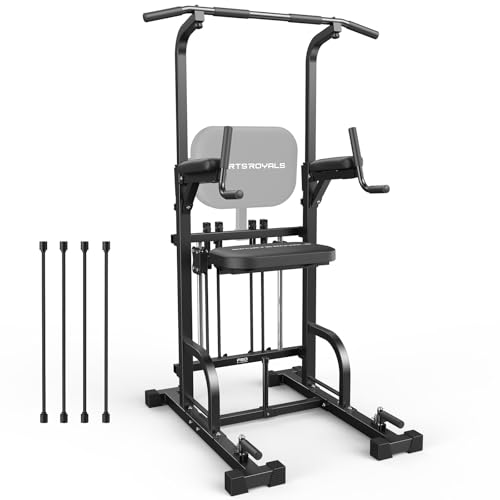
Athletes dealing with extra wide doorways or structural framing limits should consider the SPORTSROYALS Free Standing Pull Up Bar Assisted to bypass door frame restrictions entirely. Its standalone commercial frame offers adjustable assistance and dedicated dip stations for comprehensive full-body training.
Those looking to enhance their functional living areas can explore our Furniture & Comfort recommendations to balance equipment utility with domestic style. Investing in durable, properly sized fitness hardware ensures safe, productive workout sessions for years to come.
FAQs
What is the top-rated option among Best Pull-Up Bars for Wide Doorways in 2026?
The top-rated designs feature multi-level horizontal width adjustments and elevated riser bars to fit openings up to 39 inches. Look for models built from heavy-gauge steel with silicone frame protectors to ensure maximum stability and zero woodwork damage.
Can a doorway pull up bar damage wooden door trim?
Bars without adequate padding or with poor weight distribution can leave indentations or scuffs on soft timber moldings. Choosing a model with dense silicone contact points or adding microfiber cloths behind the pressure pads prevents cosmetic frame damage.
How do I measure my door frame before ordering a wide pull up bar?
Measure the clear inner opening width from inside jamb to inside jamb, followed by the total width including the outer casing. You should also measure the wall depth and the height of the top trim piece above the doorway opening.
Are telescopic pressure bars safe for wide openings?
Telescopic pressure bars can be used across wider spaces if they are anchored against solid wooden studs or structural framing. However, expanding them inside hollow or lightweight drywall door frames can push the frame out of alignment and cause accidental slips.
How much weight can a standard leverage doorway bar support?
Most quality doorway leverage bars carry weight ratings between 300 and 500 pounds when properly installed on sturdy framing. Always verify that your residential door casing is securely fastened to the wall studs before testing maximum loads.
Do I need screws or drilling to install a wide doorway bar?
Most cantilever doorway bars require no drilling or permanent screws, relying entirely on mechanical leverage to secure themselves over the frame. Some specialized setups include optional safety J-hooks for doors with unusually shallow top trim molding.
Can I perform floor exercises with a doorway pull up bar?
Many multi-grip doorway bars double as floor exercise stands when taken down from the frame. You can place them on the carpet to perform elevated push-ups, deep tricep dips, or anchor them at the door base for sit-ups.
What should I do if my ceiling is too close to the doorway header?
If your ceiling clearance above the door header is under 8 inches, choose a standard-profile bar rather than an elevated riser model. This ensures you do not bump your head against the ceiling drywall during full-height pull-up repetitions.
Are wide doorway pull up bars easy to remove and store?
Leverage-based doorway bars lift off the molding in seconds without requiring tools, making them ideal for shared living spaces. Several modern designs also feature folding crossbeams that collapse flat for storage under a bed or inside a closet.
Can I attach gymnastics rings or suspension straps to my doorway bar?
You can safely attach suspension straps and resistance bands to heavy-duty bars featuring robust welded steel joints. Avoid aggressive swinging or dynamic aerial moves on doorway bars, as sudden lateral forces can shift the leverage hooks off balance.





Write Your Review
No reviews yet. Be the first to share your experience!