

Crafting a classic soda fountain milkshake at home requires far more mechanical power than preparing a simple morning fruit smoothie. Dense frozen dairy, solid mix-ins, and chilled liquids create intense friction that quickly stalls low-wattage motors. Choosing the right machine ensures your frozen desserts achieve that rich, velvety texture without melting before you take your first sip.
In September 2026, modern countertop blenders feature specialized blade geometry and high-torque motors capable of powering through rock-hard pints of ice cream. If you are updating your setup alongside a kitchen renovation appliance lineup, finding a versatile blending unit is essential. Our detailed comparison examines 5 outstanding options from leading brands like Oster, Ninja, Vitamix and more.
Many shoppers mistakenly believe that higher wattage alone guarantees superior blending performance for frozen desserts. Blade design, jar aerodynamics, and variable speed responsiveness play equally important roles in pulling thick ingredients down toward the cutting assembly. This comprehensive guide breaks down the engineering nuances so you can select the perfect unit for your home.



Key Factors for Choosing the Best High-Speed Blenders for Milkshakes
Motor Wattage and Continuous Torque
Motor wattage indicates the electrical energy consumed by the base unit under peak operating loads. For dense frozen milkshakes, raw torque matters far more than empty speed ratings because thick ice cream creates significant drag against the blades. A motor rated below 1000 watts often overheats when processing solid frozen dairy without excessive liquid dilution.
Commercial-grade powerplants starting at 1100 watts and scaling up to 1800 watts sustain high rotational force through dense mixtures. When reviewing motor specifications, distinguish between peak starting wattage and continuous operating wattage to understand true blending capability. High-torque motors preserve the thick consistency of premium ice cream without turning your beverage into lukewarm soup.
As a practical rule of thumb, look for appliances delivering at least 1200 watts if you frequently prepare hard-scoop milkshakes. Units operating around 28000 RPM quickly pulverize frozen mix-ins like chocolate chips and cookies without bogging down. Investing in robust motor construction prevents premature thermal shutdowns during demanding dessert preparations.
Blade Configuration and Vortex Dynamics
The layout and angle of blender blades determine how effectively ingredients circulate inside the blending chamber. Traditional bottom-mounted 4-point or 6-point stainless steel blades rely on a hydrodynamic vortex to pull heavy items downward. Stacked multi-tier blade systems slice through multiple levels of ingredients simultaneously to crush dense contents rapidly.
Laser-cut stainless steel blades with dull, heavy-duty edges rely on extreme rotational velocity rather than razor sharpness to pulverize solid chunks. This mechanical impact breaks down frozen ingredients while preventing the blade from dulling over years of abrasive ice contact. Multi-level blades excel at coarse chopping, whereas concentrated bottom assemblies produce silkier, emulsion-like textures.
When selecting your machine, match the blade style to your preferred shake consistency and mix-in texture. If you enjoy velvety smooth malts, a high-speed bottom assembly creates the tightest blending vortex for uniform emulsification. For thick shakes packed with chunky confectionary pieces, pulsed stacked blades provide precise texture management without over-processing.
Container Geometry and Tamper Integration
The internal shape of the blender pitcher directly controls how ingredients fold back into the cutting path. Narrow bases force ingredients into constant blade contact, though they can suffer from air pockets when working with thick mixtures. Wide square or fluted pitchers create turbulence that naturally breaks cavitation without requiring constant manual stirring.
Tamper tools allow you to safely push stubborn frozen chunks directly into the spinning blades through a lid opening. Without an integrated tamper, thick milkshake mixtures often form an air pocket around the blade hub, causing the motor to spin freely without blending. A properly sized tamper eliminates the frustrating need to stop the motor and scrape down the walls.
Always inspect the pitcher interior for raised internal ribs that disrupt centrifugal force and direct food downward. You can find further kitchen appliance advice in our kitchen buying guides to balance container ergonomics. Pitchers engineered with intentional internal ridges maintain continuous flow even when processing ultra-thick dessert recipes.
Pitcher Material and Thermal Insulation
Pitcher material affects both product durability and the serving temperature of your frozen treats. Heavy Boroclass glass resists scratching, prevents lingering odor absorption, and handles dramatic thermal shifts without warping. Premium BPA-free Tritan co-polyester offers shatterproof durability, reduced overall weight, and exceptional clarity during high-intensity blending cycles.
High-speed friction naturally generates heat at the blade hub, which transfers into the liquid over prolonged blending cycles. Thick-walled plastic containers provide superior thermal insulation compared to thin synthetic walls, keeping milkshakes cold during thirty-second blending runs. Glass containers offer classic aesthetics and dishwasher resilience but add considerable heft when pouring large multi-serving recipes.
Choose lightweight BPA-free Tritan pitchers if you value easy handling and family-sized blending capacities above 64 ounces. Glass jars remain ideal for moderate batch sizes around 48 ounces where scratch resistance and stain prevention take priority. Both materials deliver reliable longevity when maintained according to manufacturer specifications.
Speed Controls and Pulse Precision
Fine-tuning motor velocity is crucial when transitioning from coarse ingredient crushing to smooth texture emulsification. Multi-speed dials give you analog control to slowly incorporate milk before ramping up to maximum velocity. Digital preset programs use pre-timed intervals of pulsing and continuous blending to take the guesswork out of recipe execution.
A responsive pulse trigger is essential for incorporating delicate toppings such as crushed cookies, candy bars, or malted milk powder. Over-blending for even five seconds can turn a thick, spoonable milkshake into a runny beverage. Dedicated manual speed settings allow you to blend at low RPM to maintain structural thickness without introducing excessive heat.
Look for machines offering at least three distinct speed tiers alongside an instantaneous pulse switch. Preset dessert modes provide convenient automated cycles, but variable manual dials grant maximum control over custom textures. Exploring the home and living section can help you match appliance controls with your cooking style.
Single-Serve Cup Compatibility
Single-serve blending attachments allow you to craft individual dessert portions directly inside portable travel tumblers. These smaller 16-ounce to 20-ounce vessels eliminate the mess and waste of scraping thick mixtures out of large 72-ounce pitchers. Personal cups also concentrate blade energy within a compact volume, accelerating the breakdown of solid ingredients.
When blending milkshakes in personal cups, ensure the blade base locks securely with leak-proof rubber gaskets. The concentrated vortex inside narrow cups requires sufficient liquid to circulate properly without stalling the cutting assembly. Included sip lids turn individual milkshake prep into a quick, portable routine with minimal cleanup required.
If you primarily prepare single servings, prioritize modular systems that bundle dedicated personal cups alongside standard full-sized jars. Ensure extra cups and extractor blade bases are available for purchase if you plan on serving multiple family members. This dual capability maximizes countertop utility across diverse culinary tasks.
Drive Mechanism and Build Durability
The drive coupling connects the electric motor inside the base directly to the blade shaft within the pitcher. All-metal drive systems utilize precision-machined steel or zinc gears that resist stripping under heavy torsional loads. Blenders with plastic couplings are vulnerable to gear tooth shearing when ice cubes jam the blades during startup.
Examine the base housing construction and non-slip rubberized foot pads before selecting your countertop machine. High-speed blending generates substantial vibration, which can cause lightweight machines to shift across smooth kitchen counters. Heavy metal or weighted composite bases absorb motor vibration, enhancing stability and dampening operating noise levels.
Prioritize blenders offering all-metal drive couplings backed by extended manufacturer warranty coverage for long-term peace of mind. A sturdy base weighing over eight pounds prevents appliance walking during intense dessert blending routines. High-quality construction ensures reliable mechanical engagement throughout years of demanding household service.
Cleaning Procedures and Dishwasher Compatibility
Sticky dairy residues and sugary syrups require prompt cleaning to prevent buildup around the blade seals. High-speed blenders with fixed blades clean effortlessly using an automated self-wash cycle with warm water and dish soap. Running the motor on high for thirty seconds dislodges stubborn residue beneath the cutting assembly without requiring manual scrubbing.
Removable blade assemblies allow thorough manual sanitization of silicone gaskets and threaded collars. However, handling razor-sharp removable parts increases the risk of accidental cuts during hand washing routines. Top-rack dishwasher compatibility for pitchers, lids, and travel cups offers convenient sanitation for busy family households.
Verify whether the blade bearing assembly is sealed against water intrusion before submerging parts in hot dishwater. Machines featuring smooth touch controls wipe down cleanly without trapping splatters inside mechanical switch crevices. Streamlined cleaning protocols encourage frequent use without daunting post-dessert maintenance tasks.
| Blender Model Spec | Power Rating | Container Capacity | Primary Blade Style | Key Advantage |
|---|---|---|---|---|
| Professional High-Torque | 1400W – 1800W | 64 oz – 72 oz | 6-Point Heavy-Duty | Superior vortex for thick dairy |
| Compact Single-Serve | 1100W | 72 oz + 16 oz Cups | Stacked Multi-Tier | Convenient individual portions |
| Commercial Variable-Speed | 1400W+ Equivalent | 64 oz Classic | Laser-Cut Stainless | Precision texture and longevity |
| Classic Multi-Speed | 700W – 900W | 48 oz Boroclass Glass | All-Metal Drive 4-Point | Thermal shock proof glass jar |
Why You Should Trust Us
Our kitchen appliance recommendations rely on rigorous technical evaluation and objective engineering analysis. We systematically examine motor torque profiles, container aerodynamics, blade materials, and drive coupling integrity across leading manufacturers. By cross-referencing published specifications with manufacturer documentation, we deliver balanced evaluations that emphasize real-world kitchen functionality.
We analyze customer feedback trends and mechanical failure rates to identify long-term reliability issues before making recommendations. Our team tracks advancements in motor efficiency, safety interlocks, and sound dampening technologies across September 2026. This ongoing data synthesis ensures our buying criteria reflect modern culinary standards and manufacturing advancements.
Editorial independence remains the cornerstone of our product reviews and comparative appliance breakdowns. We evaluate each machine strictly on its mechanical merits, construction quality, and practical usability for frozen treat preparation. Our goal is to provide clear, actionable information so you can make confident buying decisions for your home.
Final Thoughts
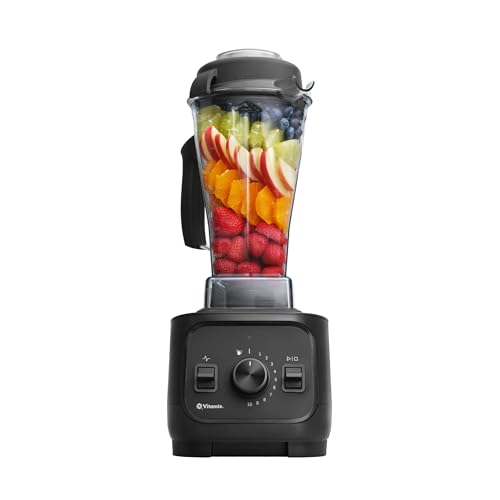
Selecting the ultimate blending machine transforms hard-scoop ice cream and mix-ins into authentic fountain-quality milkshakes. For commercial-grade power and unmatched longevity, the Vitamix VX1 Professional-Grade Blender stands as our top overall recommendation. Its precision-engineered vortex dynamics, laser-cut blades, and variable speed dial produce flawless textures without aerating your dessert.
If you seek exceptional motor output at an accessible price point, the 1800W Blender for Smoothies delivers outstanding blending value. Boasting an 1800-watt powerhouse motor and a massive 70-ounce BPA-free pitcher, it handles dense batches effortlessly while including a convenient to-go cup. It provides commercial-level blending force suitable for large families and dessert enthusiasts.
For versatile multi-serving prep and modular convenience, the Ninja BL660 Professional Compact Smoothie & Food is an ideal specialized choice. Its stacked blade design pulverizes frozen ingredients rapidly, while the included single-serve cups make personalized milkshakes simple. You can also explore the Ninja Professional Plus Blender with Auto-iQ for automated preset convenience or the Oster Classic Series 16-Speed Blender with Food for durable glass pitcher construction.
Whichever appliance you select, matching power specifications and container geometry to your household needs guarantees delicious results. Browse our uncategorized reviews index for additional appliance comparisons and buying advice. With the right blender on your counter, crafting rich, decadent milkshakes becomes a fast and satisfying experience.
Frequently Asked Questions
What is the top choice among Best High-Speed Blenders for Milkshakes in 2026?
The top choice balances robust motor torque, durable blade construction, and responsive speed controls to handle hard ice cream. High-end machines featuring laser-cut blades and commercial-grade motors create an ideal blending vortex for thick desserts. Selecting a model with an included tamper ensures smooth processing without requiring excessive liquid additions.
How much motor power is needed to blend thick milkshakes?
A blender should feature at least 1000 to 1400 watts of motor output to power through dense frozen ingredients without stalling. Higher wattage motors generate the continuous rotational torque required to crush solid ice cream and hard mix-ins. Lower-powered units often struggle with friction resistance, leading to motor strain and overheating during dessert prep.
Why do homemade milkshakes turn watery in standard blenders?
Milkshakes turn watery when low-powered blenders take too long to process ingredients, allowing blade friction to melt the ice cream. Adding excess milk to help underpowered blades turn also dilutes the rich dairy texture. High-speed blenders finish the blend in under thirty seconds, preserving the thick, frosty consistency of your ingredients.
Can you make thick milkshakes in single-serve personal cups?
Yes, single-serve cups work exceptionally well for milkshakes because they concentrate high motor power within a compact blending area. You must ensure you add sufficient liquid around the blade base so ingredients circulate freely without cavitating. Blending in personal cups also minimizes cleanup when making individual customized portions.
What is the ideal speed setting for making thick milkshakes?
Start your blender on a low speed setting for several seconds to break up large chunks of ice cream and mix-ins. Gradually increase to medium-high speed for ten to twenty seconds to emulsify the dairy into a smooth texture. Avoid running the machine on maximum speed for extended periods to prevent melting the mixture.
Do stacked blades work better than bottom-mounted blades for milkshakes?
Stacked blades excel at rapid chopping and crushing large volumes of solid ice or hard frozen scoops across the pitcher height. Traditional bottom-mounted blades create a tighter pulling vortex that delivers a silkier, more uniform dessert emulsion. Both styles perform well when matched with appropriate blending techniques and pulse control.
Should you add milk or ice cream first to the blender pitcher?
Always pour liquid milk into the blender pitcher before adding heavy scoops of ice cream and frozen mix-ins. Placing liquids at the bottom lubricates the blade assembly and prevents air pockets from forming around the drive shaft. This layering order ensures immediate ingredient engagement and smooth blending action from the start.
Are glass blender pitchers better than plastic pitchers for frozen shakes?
Glass pitchers provide superior scratch resistance, do not retain dairy odors, and offer classic durability on your countertop. High-grade BPA-free Tritan plastic pitchers are shatterproof, lighter to lift when full, and capable of withstanding extreme motor vibrations. Choose the material that best matches your preference for handling weight and everyday convenience.
How do you incorporate cookie chunks and candy without pulverizing them?
Blend your base ice cream and milk mixture to your desired creamy consistency before adding delicate confectionary toppings. Once the shake is smooth, add the mix-ins and use two or three quick manual pulses on your machine. This technique distributes the toppings evenly throughout the beverage while preserving satisfying crunchy textures.
How do you clean thick shake residue from blade assemblies?
Fill the blender pitcher halfway with warm water and add two small drops of liquid dish soap immediately after pouring your shake. Secure the lid and run the blender on high speed for thirty seconds to dislodge sticky dairy sugars from under the blades. Rinse thoroughly with clean warm water to maintain pristine hygiene, or check our care and maintenance guides for household tips.





Write Your Review
No reviews yet. Be the first to share your experience!