

Severe weather patterns and aging electrical infrastructure make blackouts increasingly common for homeowners across the country. A sudden blackout disrupts daily routines, spoils refrigerated food, and disables essential medical equipment or climate control systems. Investing in dependable equipment ensures that your household maintains safety, comfort, and security until local utility crews restore service.
We evaluated 3 top options for September 2026 to identify the Best Generators for Power Outages on the market. Many property owners make the costly error of underestimating startup wattage or overlooking long-term fuel storage logistics during emergencies. Reviewing our emergency planning guides can help you organize a resilient household backup strategy before severe weather arrives.
This comprehensive guide details electrical loads, fuel versatility, connection safety, and engine architecture across popular models. You will discover practical methods to calculate starting loads, choose reliable transfer switch connections, and safeguard delicate digital appliances. Our data-backed analysis simplifies your decision so you can protect your living space with complete confidence.

Starting Watts Versus Running Watts
Calculating the difference between running wattage and starting wattage represents the most critical step when sizing emergency equipment. Running watts refer to the continuous electrical energy required to keep appliances operating after they have powered up. Starting watts indicate the momentary surge needed to start motorized equipment like sump pumps, refrigerators, and central air conditioners.
When comparing specifications, always evaluate both figures against your household electrical inventory. A standard refrigerator might only consume 700 continuous running watts, but its compressor can demand 2,200 starting watts for a brief second. If your unit lacks adequate surge capacity, the breaker will trip immediately upon motor activation.
A reliable rule of thumb involves tallying the running watts of all devices you intend to power at the same time. Add the single highest starting surge requirement among those items to establish your minimum peak wattage threshold. Selecting a unit with at least twenty percent headroom above that total prevents engine strain and extends mechanical lifespan.
Fuel Type Versatility
Fuel flexibility determines how easily you can maintain power during extended regional outages when commercial gas stations close down. Traditional gasoline provides high energy density and maximum wattage output, but it degrades quickly and requires stabilizing additives for storage. Propane stores indefinitely in pressurized tanks and burns cleaner, though it delivers slightly less wattage per engine displacement.
Natural gas connections offer an unlimited fuel supply by tapping directly into your home municipal gas line. While natural gas produces the lowest peak wattage among fuel types, it eliminates the need to handle heavy fuel cans during storms. Dual-fuel and tri-fuel capabilities provide the ultimate resilience by allowing you to switch fuel sources based on availability.
When managing fuel reserves, keep at least two twenty-pound propane cylinders alongside stabilized gasoline cans for immediate deployment. If you plan to use natural gas, verify that your home supply line delivers adequate pressure and volume at the quick-connect valve. Preparing multiple fuel pathways ensures you are never left without power due to empty supply stations.
Transfer Switch and Panel Integration
Connecting a high-capacity generator directly to your home breaker panel requires a dedicated transfer switch or an interlock kit. Running extension cords through windows creates safety hazards, allows cold drafts inside, and fails to power hardwired appliances like furnaces. A properly installed transfer switch safely isolates your home circuits from the main electrical grid.
Look for units equipped with heavy-duty twist-lock receptacles such as standard 30-amp L14-30R or 50-amp 14-50R outlets. These locking connections prevent accidental cable disconnection and safely distribute balanced 120-volt and 240-volt power across both panel legs. Check our home infrastructure recommendations in Home & Living for additional residential upgrade advice.
Never connect any backup power unit directly to a wall outlet without a mechanical interlock or transfer device. Backfeeding dangerous current into the municipal grid risks severe injury or fatal electrocution for utility workers restoring downstream lines. Always hire a licensed electrician to install the appropriate power inlet box and manual transfer panel.
Total Harmonic Distortion and Sensitive Electronics
Total Harmonic Distortion, commonly abbreviated as THD, measures the cleanliness and consistency of generated alternating current. Standard open-frame portable units frequently produce power with THD levels ranging between twelve and twenty percent under heavy electrical loads. High THD levels cause microchips to overheat, leading to premature failure in laptops, modern televisions, and smart kitchen appliances.
Clean power requires a THD rating of five percent or lower, which matches the quality delivered by standard utility grids. Premium backup units utilize advanced copper alternator windings and digital voltage regulation to suppress erratic electrical noise. When reviewing product specifications, verify whether the manufacturer explicitly certifies the unit as low-THD or safe for sensitive electronics.
If your emergency generator exhibits elevated harmonic distortion, avoid plugging sensitive smart devices directly into standard outlets. You can safely power resistive loads like space heaters, incandescent lights, and basic hot plates without concern for harmonic purity. For sensitive tech gear, utilize dedicated line conditioners or power them through certified inverter-grade hardware.
Fuel Tank Capacity and Operational Runtime
Operational runtime measures how many hours a generator can run at a specified load before requiring a refuel. Manufacturers typically publish runtime figures based on a steady twenty-five percent or fifty percent electrical load capacity. An adequate runtime allows homeowners to sleep through the night without waking up to refuel the engine in freezing conditions.
Large steel fuel tanks holding between six and ten gallons of gasoline provide continuous operation for ten to nineteen hours. However, larger tanks increase the overall weight of the machine and require substantial upper clearance for safe refueling. Built-in analog fuel gauges are essential for monitoring gasoline levels without opening the filler cap during wet weather.
Calculate your expected runtime by identifying which essential appliances must run continuously overnight, such as medical devices or refrigeration. If your overnight load averages 2,000 watts, select a model offering at least eight hours of operation at fifty percent load. This buffer guarantees continuous climate comfort without demanding mid-storm maintenance in dark conditions.
Engine Displacement and Component Durability
The engine serves as the mechanical core of any portable backup system, dictating its performance reliability and operating life. Engine displacement is measured in cubic centimeters, with higher displacement engines producing greater torque and peak wattage output. Commercial-grade four-stroke overhead valve engines provide superior combustion efficiency and lower oil consumption over hundreds of running hours.
Durable engines incorporate cast iron cylinder sleeves that resist internal wear far better than standard untreated aluminum cylinder walls. Heavy-duty copper alternator windings dissipate internal heat efficiently, whereas cheaper aluminum windings degrade faster under continuous high-temperature operation. Inspecting mechanical specifications for cast iron sleeves and all-copper windings ensures long-term equipment survival through severe multi-day outages.
Proper engine maintenance requires regular oil changes using high-grade synthetic oil after the initial break-in period. Always follow manufacturer guidelines regarding spark plug replacement and air filter cleaning to maintain prompt ignition during emergencies. Storing extra engine oil, spare spark plugs, and replacement filters on hand guarantees sustained operation during prolonged grid failures.
Starting Mechanisms and Convenience Controls
Starting an emergency generator in harsh weather conditions should be fast, effortless, and physically manageable for any household member. Traditional manual recoil pull cords demand considerable upper-body strength, especially when cold oil creates severe internal engine resistance. Electric push-button starters utilize an internal battery to crank the engine smoothly with minimal user exertion.
Remote start key fobs provide the highest level of convenience by enabling you to start the engine from indoors. This feature allows you to activate backup power from up to one hundred feet away during freezing rain or blizzards. Premium control panels also include digital hour meters and voltage displays to track operational hours and maintenance intervals.
When selecting a model with electric or remote ignition, confirm that it includes an integrated trickle charger or maintainer port. Starter batteries naturally lose charge when sitting idle in cold garages for several consecutive months. Keeping the internal battery conditioned ensures that the electric starter functions instantly when a sudden storm strikes.
Integrated Safety Systems and CO Monitoring
Safety systems protect both your equipment and your household members from hazardous operating conditions during severe weather. Carbon monoxide sensors represent the most crucial modern safety innovation on portable combustion engines. These built-in detection modules continuously sample ambient air and shut down the engine automatically if deadly gas concentrations rise near the unit.
Automatic low-oil shutdown switches prevent catastrophic engine seizure by cutting the ignition circuit when lubricant levels drop below safe operating limits. Ground Fault Circuit Interrupter duplex outlets protect users from accidental electrical shocks when operating equipment in damp exterior environments. Rubber outlet covers shield electrical connections against dirt, splashing water, and falling outdoor debris.
Even with advanced carbon monoxide detection sensors, always operate portable generators outdoors at least twenty feet away from your home. Never place an active engine inside a garage, basement, covered porch, or near open exterior windows and doors. Position the exhaust port facing away from living structures to ensure proper dispersal of combustion fumes.
Outlets and Receptacle Configuration
The variety of output receptacles on the control panel determines how effectively you can distribute electrical power. Standard 120-volt 20-amp household outlets accommodate standard extension cords for lamps, box fans, and standard phone chargers. High-amperage 120/240-volt locking receptacles allow direct connection to transfer switches and heavy-duty RV distribution boxes.
Voltage selector switches maximize output efficiency by allowing you to choose between full 120-volt power or combined 120/240-volt operation. When set to 120-volt mode only, the unit provides the full rated wattage through standard household receptacles without unbalancing internal alternator coils. This versatility proves useful when you are running several heavy appliances located in separate rooms.
Before purchasing, audit your home appliances to identify which specific plug types and amperage ratings you will need during an outage. If you plan to power high-draw equipment, review our climate setup articles in Heating, Cooling & Air for proper electrical planning. Having compatible heavy-gauge power cords ready ensures seamless connection during an unexpected blackout.
| Feature Spec | Entry Capacity (5,000W to 7,000W) | Mid Capacity (7,500W to 10,000W) | High Capacity (11,000W to 15,000W) |
|---|---|---|---|
| Fuel Capability | Dual Fuel (Gas / Propane) | Dual Fuel (Gas / Propane) | Tri-Fuel (Gas / Propane / Natural Gas) |
| Starting Style | Electric / Recoil Assist | Remote Key Fob / Electric | Remote Key Fob / Push Button |
| Panel Outlets | 30A Twist-Lock & 20A Duplex | 30A / 50A Heavy Duty | 50A High Output Transfer Ready |
| Ideal Coverage | Basic Essentials & Fridge | Partial Home & Well Pump | Whole House & Central Climate |
Why You Should Trust Us
Our review process relies on rigorous technical analysis, manufacturer engineering documentation, and verified real-world operational benchmarks. We systematically examine engine displacement, alternator winding composition, harmonic distortion ratings, and safety certifications across every shortlisted unit. We prioritize objective performance data over promotional claims to deliver clear, practical guidance you can depend on during emergencies.
We analyze customer feedback across independent forums, verified retail platforms, and electrical contractor communities to evaluate long-term reliability. Our team examines how each generator behaves under continuous high-load situations, adverse cold-weather starts, and multi-day storm scenarios. This comprehensive evaluation ensures our recommendations deliver dependable power without unexpected mechanical breakdowns.
We maintain full editorial independence and update our guides continuously to reflect newly introduced hardware revisions and safety standards. Our comparisons remain focused on real utility, electrical safety compliance, and overall value for residential property owners. We provide transparent recommendations so you can make informed decisions to protect your household investments.
Final Thoughts
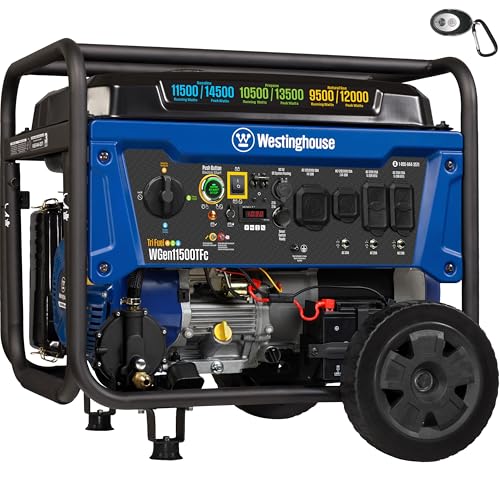
Selecting the right backup system depends on balancing your family daily power requirements against available fuel supplies and budget constraints. For comprehensive whole-home backup capable of running central climate systems and major kitchen appliances, the Westinghouse 14500 Peak Watt Tri-Fuel Home Backup serves as our top recommendation. Its massive 550cc engine, tri-fuel capability, and low harmonic distortion provide unmatched versatility and clean electricity for sensitive home electronics.
If you require substantial running power for essential circuits, well pumps, and refrigeration, consider the Westinghouse 12500 Watt Dual Fuel Home Backup. This unit delivers exceptional surge capacity alongside wireless remote start convenience, allowing you to engage backup power from inside your home. It represents an outstanding balance of heavy output, durable cast iron engine construction, and convenient operation.
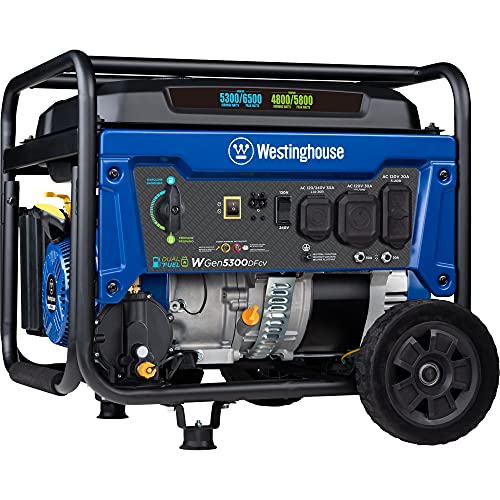
For budget-conscious homeowners prioritizing portability, fuel efficiency, and essential load management, the Westinghouse 6500 Watt Dual Fuel Home Backup is our top value pick. It features built-in carbon monoxide monitoring, an RV-ready receptacle, and dual-fuel capability in a compact frame. Explore our additional residential equipment guides in Uncategorized to complete your household storm preparedness plan.
Frequently Asked Questions
What makes an option one of the Best Generators for Power Outages in 2026?
The top options combine high running wattage, fuel versatility, low total harmonic distortion, and integrated carbon monoxide safety sensors. Units offering dual-fuel or tri-fuel capabilities provide superior reliability during regional blackouts when commercial gasoline stations face widespread supply shortages.
How many watts do I need to power a house during an outage?
Basic household necessities like refrigeration, lighting, and internet modems generally require 3,000 to 5,000 running watts. Running central air conditioning, well pumps, and electric water heaters simultaneously typically demands 10,000 to 14,500 starting watts to handle motor surges smoothly.
Can I run delicate computers and smart TVs on a portable generator?
You can safely power delicate electronics if the generator produces clean power with Total Harmonic Distortion rated below five percent. Units built with advanced digital voltage regulation and copper windings produce steady voltage curves that protect sensitive internal microprocessors from heat damage.
What is the primary advantage of using propane over gasoline?
Propane stores indefinitely in sealed tanks without degrading or gumming up internal carburetor jets during long periods of seasonal storage. Gasoline degrades within several months unless treated with stabilizers, making propane a far more dependable fuel source for unexpected emergencies.
How does a natural gas connection work for portable backup units?
A tri-fuel generator connects to your home exterior natural gas plumbing using a specialized flexible hose and quick-disconnect fitting. This configuration provides an endless fuel supply directly from your utility line, eliminating the need to store or refill portable fuel tanks during extended storms.
Why is a transfer switch recommended for residential backup power?
A transfer switch safely connects your generator to selected home electrical circuits while mechanically isolating your panel from the main power grid. This setup eliminates tangled extension cords indoors and prevents lethal backfeeding into neighborhood utility lines where line crews work.
How far away from the house should a portable generator be placed?
Always operate your generator outdoors at least twenty feet away from all exterior doors, windows, vents, and enclosed porches. Direct the exhaust pipe away from the structure to prevent deadly carbon monoxide gas from accumulating inside living spaces.
How often should I change the oil in my backup generator?
Most manufacturers recommend an initial break-in oil change after the first twenty to thirty hours of operation on a brand-new engine. Subsequent oil changes should occur every fifty to one hundred running hours, or at least once annually before storm season begins.
What maintenance is required to keep my generator ready for 2026 emergencies?
Run your generator under a moderate electrical load for twenty minutes every three months to lubricate internal engine parts and prevent carburetor clogging. Keep the starter battery connected to a trickle charger and store fresh fuel alongside spare spark plugs and oil filters.
Will a portable generator run my central air conditioning system?
A generator rated at 12,000 starting watts or higher can typically start and operate standard residential central air conditioning units. Installing a soft-start kit on your air conditioning compressor can reduce its initial starting amp draw by up to fifty percent.





Write Your Review
No reviews yet. Be the first to share your experience!