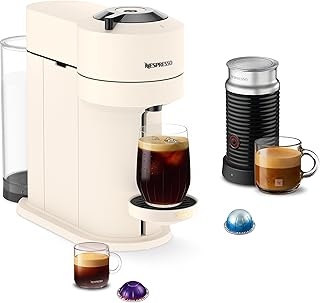
Best Super Automatic Espresso Machines Quick Answer: The PHILIPS 5500 Series Fully Automatic Espresso Machine is the most balanced starting point for households that want a broad hot-and-iced drink menu, an integrated grinder, and an automatic LatteGo milk system. Among the best super automatic espresso machines, however, the right choice depends on how many people use it, which milk drinks they make, and how much cleaning they will perform every day.
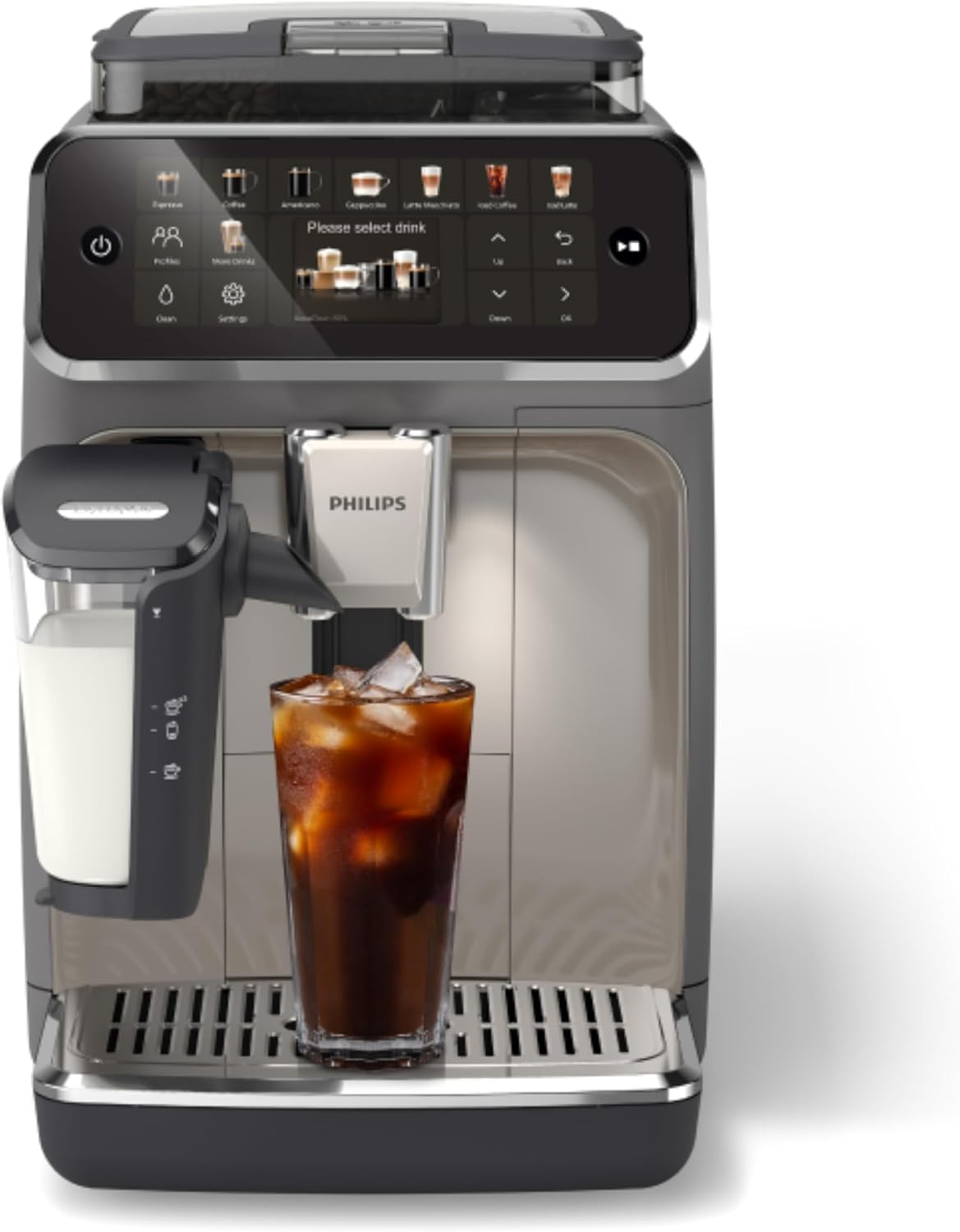


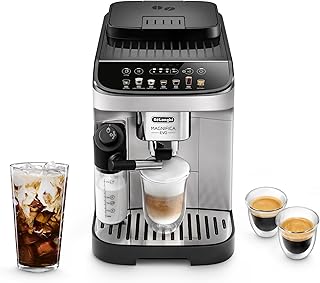
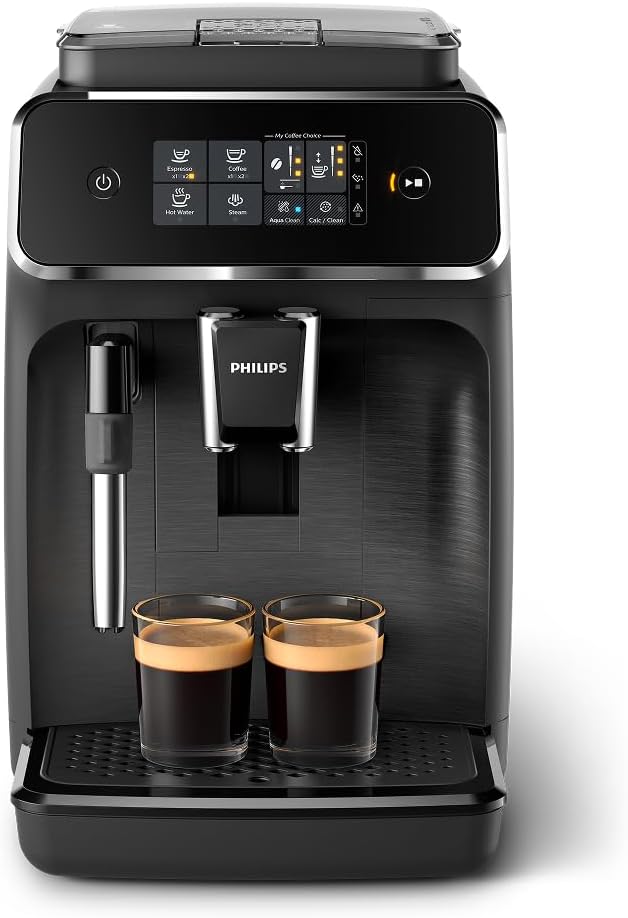

Top Picks: Best Super Automatic Espresso Machines at a Glance
These best super automatic espresso machines cover different levels of drink variety, milk automation, personalization, and daily maintenance. The labels reflect practical use cases based on verified product information rather than claiming one machine is universally superior.
- Best Overall: PHILIPS 5500 Series Fully Automatic Espresso Machine – combines an integrated grinder, LatteGo milk system, and 20 hot and iced coffee presets.
- Best for Many Profiles: Bosch 800 Series Fully Automatic Coffee, Espresso Machine – offers a touchscreen, integrated milk container, 36 drinks, and storage for up to 30 profiles.
- Best Streamlined Design: KitchenAid Fully Automatic Espresso Machine KF3 – provides more than 15 hot and iced options, an automatic milk system, and a built-in grinder.
- Best for Household Customization: De’Longhi Dinamica Plus Fully Automatic Espresso Machine – supports more than 24 recipes, four user profiles, and three frother modes.
- Best Simple One-Touch Menu: De’Longhi Magnifica Evo Automatic Espresso Machine – focuses on seven one-touch recipes with an integrated grinder and milk frother.
- Best with Classic Milk Frother: Philips 2200 Series Fully Automatic Espresso Machine – pairs two coffee varieties with a classic manual-style frother and ceramic grinder.
- Best Premium Espresso Focus: Jura E6 Platinum 15465 – uses a professional aroma grinder and provides hot water on demand in a focused premium format.
What Does Super-Automatic Actually Mean?
The best super automatic espresso machines handle the path from whole beans to a finished coffee with minimal manual preparation. The machine measures or estimates a dose, grinds it, compresses it in an internal brew group, moves hot water through the coffee, and deposits the used puck into a grounds bin. Models with automatic milk systems can also dispense a latte or cappuccino from one selection.
This workflow is different from a semi-automatic setup. With a traditional machine, you grind into a portafilter, distribute and tamp the coffee, start the extraction, knock out the puck, and usually steam milk yourself. That control can be rewarding, but it takes time and practice. If you want that involvement, compare the broader guide to espresso machines before paying for full bean-to-cup automation.
Automation does not eliminate every decision. You still select beans, adjust grind and strength, refill water, empty trays, clean milk-contact parts, and descale when required. A super-automatic machine trades hands-on puck preparation for internal mechanisms and scheduled care. Buyers should evaluate that exchange honestly.
Choose the Milk System Before Counting Recipes
Milk design often creates the largest difference in daily ownership. The best super automatic espresso machines may use a removable carafe, a tube that draws from a separate container, or a manual frothing wand. Each approach can make good everyday drinks, but the cleaning routine is not the same.
Integrated Milk Carafes
A carafe is convenient when you want one-touch lattes and cappuccinos. Some containers can move to the refrigerator between uses, and the machine may run an automatic rinse after a milk drink. The remaining work is easy to underestimate: milk can dry in connectors, lids, air channels, and spouts. Rinse and disassemble the system as directed instead of relying only on the automatic cycle.
Milk Hoses
A hose can draw milk from a separate container. It offers flexibility and keeps a large reservoir out of the machine body, but the tube must be flushed thoroughly. The arrangement can look less tidy on the counter, and a hose left in warm milk is a hygiene risk. Check how the model prompts cleaning and whether the tube is easy to replace.
Classic Steam Wands
A manual or assisted wand gives more direct control over milk texture and reduces the number of hidden milk channels. It also removes some of the one-touch convenience that defines this category. The Philips 2200 approach may appeal to someone who wants automatic coffee preparation but does not mind frothing milk separately.
Choose based on the drink you make most often. An automatic carafe is valuable for several milk drinks each day. If you mostly drink espresso or coffee and make an occasional cappuccino, a simpler frother may be easier to own.
Drink Menus: Useful Choices or Interface Clutter?
A large recipe count makes an impressive product title, but the best super automatic espresso machines provide meaningful adjustment within the drinks you actually use. Look for control over coffee strength, beverage volume, milk amount, temperature, and extra-shot options. Ten adjustable drinks can be more useful than 30 fixed recipes.
User profiles matter when several people prefer different sizes or strengths. Saving a strong morning espresso and a mild afternoon latte reduces repeated tapping. Profile capacity is less important for one user, and a complicated account system can slow down a simple coffee routine.
Hot-and-iced labels also deserve attention. An iced preset may alter strength, temperature, volume, or extraction sequence, but it cannot stop ordinary ice from melting. Review the actual instructions and cup-size requirements. Cold brew and cold-extracted espresso are different processes, so do not assume every iced menu uses true cold extraction.
A responsive, understandable interface is more valuable than decorative graphics. If a guest cannot make a basic coffee without opening the manual, a large menu may be working against convenience.
Grinder Settings and Bean Compatibility
The integrated grinder is central to every bean-to-cup machine. The best super automatic espresso machines offer enough adjustment to adapt to common roasts while protecting the internal brew system. Grind changes may take more than one drink to show because some coffee remains in the chute or grinder path.
Very oily, dark-roasted, flavored, or sugar-coated beans can stick in a hopper and leave residue. Follow the manufacturer guidance before using them. A matte medium roast is often easier for an automatic grinder to feed consistently. Keep the hopper dry and avoid pouring water near it.
A bypass doser is useful for occasional decaf or pre-ground coffee. It normally accepts only a measured amount and should not be treated as a second bean hopper. Confirm whether the machine supports this feature and which beverages can use it.
Integrated grinders reduce appliance clutter but are not independently upgradeable like a separate espresso grinder. That is part of the convenience trade-off. A wide setting range is useful, yet the machine’s internal dose and brew group still define the overall extraction style.
Cleaning: Automatic Does Not Mean Maintenance-Free
Cleaning is where expectations around the best super automatic espresso machines most often fail. Automated rinse cycles help move coffee residue from internal paths, but they consume water and send it into the drip tray. You may empty the tray more frequently than visible drink spills suggest.
Milk-contact components need attention after each use or at the interval specified by the manufacturer. The grounds bin should be emptied before moist pucks sit for long periods, and the drip tray needs washing rather than a quick dump. Coffee oils can collect in the brew group and outlet.
Some machines have a removable brew group that can be rinsed under the recommended conditions. Others use a fixed group and rely on cleaning tablets or service programs. Neither approach is automatically better. A removable group provides visual access, while a fixed design may offer a more guided maintenance routine. Check the manual before applying lubricant, soap, or cleaning chemicals.
Water filters can reduce scale and improve consistency, but they become an ongoing purchase. Descaling frequency depends on local water hardness, filter use, and drink volume. General kettle descaler information can explain common scale-removal formats, but only use a chemical specifically approved by the espresso machine manufacturer.
Capacity, Profiles, and Shared Use
The best super automatic espresso machines for a household or small office need more than a long drink menu. Water-tank volume, bean capacity, grounds-bin size, and drip-tray capacity determine how often someone must interrupt the routine. Large reservoirs reduce refilling, but they add machine depth and weight.
Profile storage helps when several users have different preferences. Double-cup functions can speed up black coffee service, although some milk drinks may still be prepared sequentially. Check whether the machine can deliver two espresso shots at once and whether the spouts adjust for the cups you use.
Grinding, rinsing, and milk-system cleaning all make noise. In an open office or quiet household, the timing of automatic startup and shutdown rinses can matter. Auto-wake functions are convenient, but they should not surprise someone nearby with a grinder or rinse cycle.
For frequent use, consider who will refill water, load beans, empty the grounds, clean milk parts, and order filters. A machine shared by ten people without a maintenance owner can become less convenient than a simpler brewer.
Counter Space and Installation
Measure width, depth, total height, and overhead access before comparing the best super automatic espresso machines. Bean hoppers and water tanks often open from the top, so a machine that technically fits under a cabinet may be difficult to refill. Front-access components are useful in tight spaces but do not eliminate the need for ventilation and cleaning clearance.
Leave space for the milk container or hose, the cup platform, and the door or side panel used to remove the brew group. Confirm that the outlet is reachable without an extension cord crossing a sink. Place the machine on a level surface that can tolerate occasional water and grounds.
If the machine is used seasonally, let all components dry before covering or storing it. A guide to coffee maker covers can help with dust protection, but a cover should never trap heat or moisture around an automatic espresso machine.
How We Tested & Evaluated These Options
We evaluated the best super automatic espresso machines using current product titles and listing information retrieved from Amazon through Crawlbase. The selected models were checked on their individual Amazon pages to verify product identity and ASIN. This is a research-based buying guide; it does not claim that every machine was physically tested, measured, or tasted in a controlled lab.
Our evaluation considers the bean-to-cup workflow, milk-system design, listed drink adjustments, profile support, grinder arrangement, cleaning implications, capacity, and installation needs. We selected a range of interfaces and ownership styles instead of repeating similar models with different menu counts.
Recipes, colors, bundles, and availability can change. Confirm the exact configuration, included milk components, voltage, filters, and maintenance supplies on the current listing before choosing.
Common Buying Mistakes
Avoid these mistakes when narrowing down the best super automatic espresso machines:
- Buying by recipe count: Focus on adjustable drinks you will use, not the largest menu.
- Ignoring milk cleaning: One-touch frothing still leaves parts that contact warm milk.
- Assuming self-cleaning means hands-off: Trays, bins, brew groups, spouts, and carafes still need care.
- Using unsuitable beans: Very oily or flavored beans may feed poorly or leave residue.
- Forgetting consumables: Filters, tablets, milk tubes, lubricants, and descaler add ownership cost.
- Overlooking cabinet clearance: Top-loading tanks and hoppers need room to open.
- Buying too much automation: If you enjoy manual steaming and puck preparation, a semi-automatic machine may be more satisfying.
Buying Checklist
Before choosing among the best super automatic espresso machines, check the following:
- List the espresso, coffee, milk, hot-water, and iced drinks the household actually makes.
- Choose an automatic carafe, milk hose, or classic wand based on cleaning tolerance.
- Confirm strength, volume, temperature, milk-ratio, and extra-shot adjustments.
- Count the user profiles needed and verify how easily they can be selected.
- Check grinder settings, bean guidance, and the availability of a bypass doser for decaf.
- Review whether the brew group is removable and which cleaning products are required.
- Measure the counter, cabinet clearance, tank access, milk-container space, and outlet location.
- Estimate how often the tank, hopper, grounds bin, and drip tray will need attention.
- Include filters, tablets, descaler, and replacement milk parts in the ownership budget.
Frequently Asked Questions
Do super-automatic machines make real espresso?
They brew concentrated coffee under pressure from freshly ground beans, but the result may differ from a carefully dialed-in cafe-style shot. Internal brew groups use fixed geometry and automated dosing. The best super automatic espresso machines prioritize repeatability and convenience over full control of puck preparation.
What is the difference between fully automatic and super-automatic?
Manufacturers use the terms inconsistently. In shopping language, both often describe bean-to-cup machines with an integrated grinder and automatic brewing. A milk carafe or one-touch cappuccino does not appear on every model, so examine the actual workflow rather than relying on the category name.
How often should the machine be cleaned?
Rinse milk parts after use, empty the grounds bin and tray regularly, and follow the prompted cleaning and descaling cycles. The exact schedule depends on drink volume, water hardness, and machine design. The manual is the authoritative source for tablets, filters, and removable parts.
Can I use oily beans?
Some machines discourage very oily, flavored, or coated beans because they can stick in the hopper and leave residue. Check the manufacturer’s bean guidance. If you want a dark roast, choose one with a relatively dry surface and monitor how consistently it feeds.
Which milk system is easiest to maintain?
A simple steam wand has fewer hidden milk paths but requires manual frothing and immediate wiping. A removable carafe is convenient for one-touch drinks but has more components. The easiest system is the one you are willing to disassemble and rinse consistently.
Are these machines suitable for an office?
They can suit a small office when capacity, profiles, noise, and cleaning responsibility are planned. Assign someone to refill water and beans, empty waste, and clean milk parts. For heavy traffic, review the expected duty cycle and service support rather than assuming a home machine can handle unlimited drinks.
Final Decision
The best super automatic espresso machines combine convenience with a maintenance routine that fits the household. Start with the milk system, then compare useful drink adjustments, profiles, grinder compatibility, brew-group care, reservoir capacity, and counter access. The Philips 5500 is a balanced overall starting point, while Bosch emphasizes profiles, KitchenAid offers a streamlined all-in-one design, and the Philips 2200 keeps milk frothing more hands-on.
Confirm the current listing and manual before ordering. A smaller menu with easy cleaning may be more satisfying than dozens of presets that create a complicated daily routine.