

Crisp vocal audio remains the most critical factor for viewer retention in modern video production. Audiences will tolerate minor lighting flaws, but muffled speech immediately causes viewers to click away from your video content. A dedicated shotgun microphone solves this problem by isolating dialogue directly from the speaking subject while rejecting surrounding background distractions.
Choosing among Best XLR Shotgun Microphones requires understanding how acoustic interference tubes function across different recording environments. Our September 2026 guide analyzes 5 top options across Audio-Technica, Sennheiser, BOYA to help you make an informed gear investment. Whether you record documentary interviews in the field or produce studio tutorials, the right microphone transforms your production value.
Professional balanced audio hardware provides substantial headroom improvements over standard consumer recording accessories. You can review additional studio setup techniques in our production and setup guides before finalizing your purchase. Investing in reliable capture tools ensures that your dialogue remains intelligible across all playback devices.

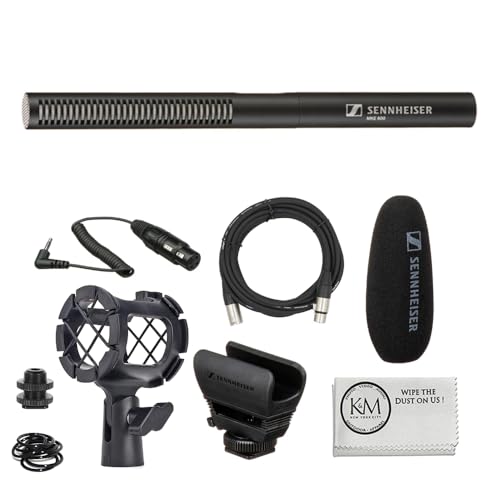


Acoustic Interference Tubes and Off-Axis Rejection
The primary advantage of a shotgun microphone over a conventional condenser is its elongated interference tube. Perforated acoustic slots along the barrel allow sound waves entering from the sides to cancel each other out through phase cancellation. This mechanical design forces the microphone capsule to focus almost exclusively on sound waves arriving directly on axis.
When evaluating off-axis rejection, examine polar pattern polar plots at multiple frequencies rather than assuming uniform isolation. High frequencies are easily attenuated by the phase cancelling slots, but low frequencies tend to wrap around the barrel. Microphones with longer physical tubes offer narrower pickup cones, which makes them exceptional for outdoor dialogue capture.
A practical rule of thumb is to avoid using highly directional long shotgun microphones in small, untreated rooms. Strong early reflections from hard walls can enter the side slots out of phase and create comb filtering artifacts in the voice. For tight indoor spaces, a shorter interference tube provides a much more natural vocal tone without hollow phase anomalies.
Powering Flexibility: Phantom Power vs Battery Operation
Condenser capsules require electrical power to charge the internal backplate and drive the onboard impedance conversion circuitry. Professional field recorders and dedicated cinema cameras deliver standard 48 volt phantom power directly through the balanced XLR connection. However, many mirrorless camera rigs and compact field recorders lack true 48 volt phantom power supplies.
Dual-power shotgun microphones solve this limitation by accommodating an internal AA battery alongside external phantom power inputs. When battery powered, the internal cell steps up the voltage needed to run the condenser capsule without draining your camera battery. This allows filmmakers to connect professional XLR microphones directly to simple 3.5 millimeter camera inputs using a basic adapter cable.
Always check whether battery operation impacts the maximum sound pressure level or dynamic range of the capsule. Some dual-power microphones exhibit slightly reduced output sensitivity when running on an internal 1.5 volt cell compared to dedicated 48 volt phantom power. If your workflow involves loud sound effects, keeping 48 volt power engaged ensures maximum recording headroom.
Frequency Response Tuning and Dialogue Intelligibility
A microphone frequency response curve outlines how evenly the transducer reproduces low, mid, and high audio frequencies. Shotgun microphones tailored for broadcast dialogue often incorporate a subtle presence boost between 3 kHz and 6 kHz. This frequency lift enhances speech consonants, allowing dialogue to cut clearly through complex background music and environmental ambience.
Flat response microphones provide a neutral acoustic image that gives sound editors greater flexibility during post-production mixing. Conversely, pre-tuned broadcast microphones save significant editing time for creators who deliver quick turnaround video projects. Comparing frequency graphs helps you choose between surgical fidelity and ready-to-publish vocal warmth.
Listen carefully for unnatural harshness around the 8 kHz to 10 kHz region when selecting a dialogue microphone. Overly aggressive high-frequency peaks can exaggerate vocal sibilance, making words with sharp s sounds grating to the listener. A smooth top-end roll-off keeps spoken dialogue pleasing during extended listening sessions.
Self-Noise Ratings and Signal-to-Noise Performance
Every electronic condenser microphone introduces an inherent electrical noise floor generated by its internal capsule and preamplifier circuit. This self-noise specification is expressed in equivalent decibels and dictates how quietly the microphone can record before hiss becomes noticeable. Low self-noise is vital when recording quiet dialogue or subtle natural sound effects in peaceful environments.
A professional shotgun microphone should ideally feature an equivalent noise level of 15 dBA or lower. Budget models rating above 20 dBA will produce audible background hiss when you boost gain on quiet vocal passages. Calculating your signal-to-noise ratio ensures your voice stays far above the electronic noise floor of the recording system.
Pairing a high-sensitivity microphone with a noisy camera preamp helps overcome weak recorder performance. Because sensitive microphones generate stronger line levels, you can lower your camera internal gain dial to keep recording clean. You can read about managing home acoustics in our general equipment category for more workflow recommendations.
Physical Dimensions and Boompole Balancing
Microphone length and overall weight directly influence how comfortable your setup feels during long production days. A compact shotgun measuring under seven inches mounts effortlessly on top of a digital camera without blocking wide-angle lenses. In contrast, full-length production shotguns require dedicated boompole operation and robust mounting hardware to prevent sag.
Boom operators must hold extended carbon fiber poles overhead for continuous takes lasting several minutes at a time. Every extra ounce located at the tip of the pole increases physical fatigue and introduces unwanted handling vibration. Selecting a lightweight aluminum or composite housing reduces mechanical strain on both the operator and the shockmount.
When outfitting a solo creator rig, balance physical portability against the acoustic isolation provided by longer barrels. Short shotgun models sacrifice a small amount of extreme off-axis rejection in exchange for superior maneuverability in tight filming quarters. Choose your microphone form factor based on whether you film primarily as a solo shooter or with a dedicated boom operator.
| Microphone Category | Polar Pattern | Primary Power Source | Integrated Low-Cut | Best Filming Environment |
|---|---|---|---|---|
| Compact Camera Shotgun | Supercardioid / Lobar | 48V Phantom Only | Fixed Acoustic Filter | Run-and-Gun DSLR Rigs |
| Dual-Power Field Shotgun | Supercardioid / Lobar | 48V Phantom or AA Battery | Switchable 100 Hz Filter | Indie Documentaries and Boompole Work |
| Entry Broadcast Shotgun | Supercardioid | 24-48V Phantom or AA Battery | Flat Circuit Tuning | Controlled Studio and Interior Sets |
Low-Cut Filters and Low-End Rumble Management
Air conditioning units, traffic rumble, and wind turbulence generate significant low-frequency acoustic energy below 100 Hz. These subsonic frequencies waste valuable amplifier headroom and cause audio preamplifiers to distort before vocal peaks are reached. An integrated high-pass or low-cut filter switch attenuates these troublesome low frequencies directly at the microphone transducer.
Hardware low-cut switches typically roll off frequencies below 80 Hz or 100 Hz with a slope of 12 dB per octave. Engaging this filter before the audio signal reaches your digital converter prevents unexpected analog clipping during sudden wind gusts. This analog stage protection cannot be replicated perfectly by digital equalizers applied in editing software.
Use low-cut filters judiciously when recording deep male voices to avoid stripping away natural vocal resonance. For controlled indoor studio recordings with acoustic treatment, leaving the filter flat preserves full vocal authority. When shooting outdoor interviews where wind is unpredictable, engaging the filter is essential for preserving clean speech waveforms.
Acoustic Housing and Environmental Durability
Location audio recording exposes delicate electronic gear to sudden temperature swings, airborne dust, and high ambient humidity. Professional shotgun microphones utilize rugged brass or aluminum cylindrical enclosures protected by electrostatically applied finishes. These resilient metal housings shield sensitive internal components from physical drops while blocking electromagnetic radio interference.
High humidity environments can cause moisture condensation inside standard condenser capsules, leading to crackling artifacts and sudden signal loss. Premium broadcast microphones utilize specialized RF condenser technology or sealed capsules to resist moisture breakdown in wet outdoor conditions. Evaluating enclosure weather resistance prevents costly production delays when shooting in challenging tropical or rainy climates.
Always inspect the durability of the slotted acoustic ports running along the sides of the microphone body. Flimsy mesh coverings can dent easily under impact, disrupting the precise acoustic tuning of the phase cancelling system. A rigid metal frame guarantees consistent directional performance through years of rugged field transportation.
Shockmount Integration and Mechanical Vibration Damping
Shotgun capsules are exceptionally sensitive to structural vibrations transmitted through camera bodies, boompoles, and microphone stands. Touching a camera lens or adjusting a tripod head sends low-frequency mechanical energy straight into the microphone chassis. A professional suspension shockmount decouples the microphone body using flexible elastomeric bands or thermoplastic isolation rings.
Standard hard plastic shoe clips transmit excessive footstep vibrations and lens autofocus motor noises directly into your recording track. Investing in high-grade four-point suspension mounts isolates the microphone barrel from rapid camera movements. This mechanical decoupling ensures that only acoustic pressure waves in the air reach the internal condenser diaphragm.
Check the compatibility between your microphone barrel diameter and your chosen shockmount basket. Most professional shotgun microphones feature standard 19 millimeter to 22 millimeter cylindrical diameters that fit universal suspension systems. You can organize your recording workspace effectively by visiting our home and living space advice for helpful layout tips.
Balanced XLR Signal Integrity and Cable Shielding
The 3-pin XLR connection format remains the professional recording industry standard for maintaining pristine audio over long cable distances. Unlike unbalanced consumer cables, balanced XLR lines carry two copies of the audio signal along with a dedicated ground shield. Differential amplifiers in your audio interface flip one signal phase at the destination, cancelling out induced electromagnetic noise.
Using premium shielded copper cables prevents interference from nearby lighting ballasts, power transformers, and wireless transmitter antennas. Braided copper shielding offers superior durability against repeated coiling compared to cheaper spiral-wrapped wire designs. Investing in gold-plated XLR pins further protects contact points from surface oxidation over extended operational cycles.
Ensure that your audio cabling includes adequate strain relief boots where the wire enters the metal connector housing. Loose solder joints inside cheap XLR connectors represent the single most common cause of sudden audio dropouts on set. High quality locking connectors secure your signal path against accidental disconnects during active filming.
Why You Should Trust Us
Our audio equipment evaluations rely on verified electroacoustic engineering principles and rigorous comparative analysis of technical specifications. We examine transducer sensitivity ratings, polar response plots, self-noise figures, and power circuit architectures across every featured model. Our goal is to provide objective data that helps creators eliminate guesswork when upgrading their production gear.
We actively monitor hardware revisions, manufacturing updates, and real-world user feedback across the professional broadcasting and filmmaking industries. This structured approach ensures our recommendations accurately reflect current component reliability and practical field performance. We remain completely independent, focusing entirely on measurable audio fidelity and build quality.
Every buying criterion in our guide reflects real production trade-offs experienced by videographers, podcasters, and sound recordists. We highlight practical operational differences between compact camera-mounted units and dedicated boom systems to suit diverse workflows. Our recommendations emphasize long-term equipment value, durable construction, and consistent vocal capture in challenging environments.
Final Thoughts
Selecting the optimal model from our lineup of Best XLR Shotgun Microphones depends heavily on your preferred power infrastructure and mounting configuration. Creators running dedicated audio recorders with built-in 48 volt phantom power have different requirements than solo shooters using compact mirrorless bodies. Matching the acoustic features of your microphone to your physical shooting environment ensures consistently professional audio tracks.
For versatile broadcast performance across both boompoles and camera shoes, the Sennheiser Pro Audio Sennheiser Pro Audio serves as our top overall recommendation. Its switchable low-cut filter, dual-power battery flexibility, and exceptionally low self-noise make it an industry benchmark for independent filmmaking. If you need complete mounting hardware right out of the box, the Sennheiser MKE 600 Shotgun Microphone with Auray and the Sennheiser MKE 600 Shotgun Microphone Bundled provide valuable shockmount and cable accessories.
Videographers seeking a compact run-and-gun solution should consider the Audio-Technica AT875R Condenser Microphone for its exceptionally short body and tailored frequency response. For budget-conscious productions, the BOYA XLR Microphone BY-BM6060 Super-Cardioid delivers reliable supercardioid directivity and dual-power convenience at an accessible entry price. You can explore creative room lighting ideas to complement your studio in our visual setup lighting guide.
Clean dialogue recording elevates the perceived quality of your entire video production more than any camera upgrade can accomplish. Equipping your production kit with a high-performance shotgun microphone guarantees intelligible speech, minimal background clutter, and professional acoustic results on every shoot.
Frequently Asked Questions
What makes Best XLR Shotgun Microphones superior to standard camera microphones in 2026?
XLR shotgun microphones utilize precision-machined acoustic interference tubes that cancel out off-axis ambient noise through phase cancellation. Standard built-in camera microphones capture sound omnidirectionally, resulting in distracting room echo and unwanted background clutter. Using a balanced XLR connection also prevents electromagnetic interference across long cable runs.
Can I connect an XLR shotgun microphone directly to a mirrorless camera?
You can connect an XLR shotgun microphone to a camera 3.5 millimeter input using an XLR to 3.5 millimeter adapter cable or a dedicated audio interface box. However, if your microphone requires 48 volt phantom power, you must use a battery-powered microphone model or an external preamplifier. Microphones with internal AA battery slots make camera direct connections simple and reliable.
Why do shotgun microphones sound hollow when recording in small untreated rooms?
The slotted interference tube of a shotgun microphone relies on precise acoustic timing to cancel out sounds entering from the sides. In small rooms with bare walls, strong vocal reflections bounce into the side slots at unnatural angles and cause phase comb filtering. For tight, reflective indoor spaces, a small-diaphragm hypercardioid condenser microphone often produces a smoother sound.
What is the ideal placement distance for an XLR shotgun microphone during dialogue recording?
The optimal distance between a shotgun microphone capsule and a speaker mouth is typically between 18 and 30 inches. Placing the microphone just outside the top edge of the camera frame ensures rich proximity warmth while preserving natural voice dynamics. Moving the microphone further away increases room ambience and lowers speech intelligibility.
What windshield accessory should I use for outdoor dialogue recording?
Standard open-cell foam windshields only protect against gentle indoor drafts and fast boompole movements. For outdoor recording in moderate to heavy breezes, you must use a high-density synthetic fur cover, commonly called a deadcat or windjammer. The loose synthetic fur filaments diffuse wind velocity before turbulent air pressure strikes the sensitive condenser capsule.
How does a supercardioid polar pattern differ from a lobar shotgun pattern?
A standard supercardioid pattern offers moderate directional focus with wide side rejection and a small rear sensitivity lobe. A lobar pattern created by a shotgun interference tube narrows the frontal acceptance angle significantly while creating complex cancelation nulls around the perimeter. This extreme frontal focus allows shotgun microphones to isolate distant subjects effectively.
What does microphone self-noise mean and why does it matter?
Self-noise represents the residual electrical hiss generated by the internal amplifier and impedance converter components inside the microphone. When recording quiet voices or whispering actors, a high self-noise rating introduces an audible rushing sound into your recording. High quality broadcast microphones maintain low self-noise ratings under 15 dBA for crystal clear silence.
Is a dedicated shockmount necessary when using a shotgun microphone?
A suspension shockmount is essential for preventing physical vibrations from reaching the sensitive microphone transducer. Handling footsteps, boompole creaks, and camera autofocus motor vibrations travel mechanically through solid mounting clips as low-frequency thumps. Flexible thermoplastic or rubber bands absorb these mechanical forces before they ruin your audio track.
Can I use an XLR shotgun microphone for podcasting and voiceover work?
XLR shotgun microphones work exceptionally well for voiceovers and podcasting if your recording room has adequate soft furnishings to absorb reflections. Their tight pickup pattern prevents off-axis keyboard clicks and computer fan noise from entering your vocal track. You can clean studio fabrics using suggestions from our fabric care and freshness guide to keep your recording room comfortable.
What is the difference between 24 volt and 48 volt phantom power?
Standard studio condenser microphones are engineered to perform optimally when receiving true 48 volt direct current power. Some portable field recorders provide reduced 24 volt power to conserve battery life during extended mobile operations. While certain versatile microphones operate seamlessly across 24 to 48 volts, others may experience reduced dynamic range on lower voltages.




Write Your Review
No reviews yet. Be the first to share your experience!