

Stepping into equestrian or power sports requires footwear that delivers genuine stability and vital safety from day one. Choosing the right footwear prevents dangerous slips in the stirrups and protects your feet during demanding barn chores. Our guide to Best Boots for Beginner Riders highlights 7 standout models for September 2026 to simplify your starting decision.
Novice riders often make the critical mistake of wearing casual sneakers or bulky hiking shoes to their first lesson. Everyday athletic footwear lacks the distinct heel profile and rigid shank necessary to stop your foot from sliding through a stirrup. Investing in proper riding footwear safeguards your ankles while establishing balanced posture across various riding disciplines.
We evaluated models across leading brands like ARIAT, O’NEAL, Ovation and more to discover reliable designs tailored to entry level equestrians and motorsport enthusiasts. Whether you need flexible paddock styles or protective knee high builds, our comprehensive equipment guides help identify the best match for your specific training goals. This breakdown will ensure you step into the arena with confidence and lasting foot comfort.



Heel Height and Stirrup Safety
A defined heel represents the single most crucial safety feature on any pair of riding boots. Traditional riding footwear incorporates a heel measuring approximately one to one and a half inches in height. This vertical shelf prevents your foot from sliding forward through the iron stirrup during unexpected movements or sudden stops.
When you evaluate footwear specifications, inspect the heel breast angle to ensure it forms a crisp ninety degree drop. Flat soles found on running shoes present severe hazards because they easily slip past the stirrup tread. Verifying an abrupt heel transition ensures your foot catches reliably if your heel drops too low in the saddle.
As a reliable rule of thumb, never enter an arena in footwear featuring a heel lower than one inch. Novice riders naturally struggle with leg position and frequently lose their balance during posting trots or sudden gait changes. A sturdy heel serves as your mechanical insurance policy against catastrophic foot entrapment.
Sole Traction and Stirrup Release
The outsole tread pattern requires a delicate balance between ground traction and stirrup mobility. Deep lug soles often catch on the sides of standard stirrup irons, making emergency foot disengagement dangerously sluggish. Ideal riding soles feature shallow grooves or pebble texturing that allows swift lateral release while still gripping wet barn floors.
Examine the tread pattern specifically near the ball of your foot where the boot contacts the stirrup pad. Look for flex grooves that bend naturally under pressure without creating thick rubber teeth that could snag on metal stirrup edges. Smooth outsoles crafted from durable rubber blends provide the best combination of slip resistance and quick escape capability.
You can test sole release by sliding the boot through a standard stirrup iron on a flat surface before riding. The boot should move cleanly inward and outward with zero mechanical resistance or sticking points. Prioritizing low profile rubber compounds gives you dependable footing when leading horses across wash stalls without sacrificing mounted safety.
Shaft Height: Paddock Boots Versus Tall Boots
Beginner equestrians must decide between ankle high paddock boots and full length tall riding boots. Paddock boots remain the most popular choice for novices because they offer immediate flexibility and easy daily maintenance. Pairing ankle boots with supportive half chaps replicates the stability of tall boots at a much lower initial investment.
Tall knee high boots deliver comprehensive lower leg protection against saddle pinch and excessive friction along the calf. However, tall boots require extensive break in time and demand precise calf measurements that can intimidate newcomers. Opting for paddock boots allows novice riders to develop ankle flexion and proper heel depth without stiff leather restricting joint mobility.
If you ride multiple times per week or engage in power sports, knee high designs provide essential shin impact deflection. For traditional equestrian arena lessons, start with zip paddock boots to master foundational balance before investing in custom tall boots. This progressive approach keeps your initial routine manageable while your leg muscles adapt to riding posture.
Material Selection: Full-Grain Leather Versus Synthetic Materials
Riding footwear typically utilizes either authentic full grain leather or modern synthetic polyurethane compounds. Genuine leather molds to the contours of your foot over time, creating a custom fit that breathes exceptionally well during long sessions. Synthetic alternatives offer remarkable water resistance and simple wipe clean maintenance without needing specialized conditioning creams.
Comparing material specs requires understanding your local riding environment and available care time. Riders dealing with muddy paddocks and frequent wash rack duties often benefit from synthetic leather like Vega material that resists water damage. For riders seeking breathable daily comfort, techniques similar to refreshing active fabrics help keep synthetic boot interiors pleasant.
A practical rule of thumb is to choose synthetic uppers if you want zero break in stiffness and quick cleanup after messy lessons. Select full grain leather if you plan on showing in formal competitions or desire footwear that lasts for years through regular leather conditioning. Both materials serve beginners well when constructed with reinforced structural stitching.
Shank Support and Arch Stability
The shank is an internal support component embedded within the midsole between the heel and the ball of the foot. Quality riding boots utilize steel, composite fiberglass, or reinforced plastic shanks to prevent the sole from collapsing under body weight. Standing in stirrups places concentrated pressure directly on your midfoot, making rigid shank support indispensable for comfort.
To evaluate shank quality, grasp the boot by the toe and heel and attempt to twist the sole laterally. A boot with a robust shank resists twisting and bends only at the natural flex point beneath the ball of the foot. Shoes that fold in half through the middle lack adequate arch reinforcement and will cause severe foot fatigue during prolonged posting.
Riders who experience plantar fasciitis or arch soreness should prioritize boots with integrated steel shanks. The metal reinforcement distributes your downward weight across the entire length of the footbed rather than focusing stress onto your arches. This structural rigidity helps you maintain a steady lower leg without straining foot muscles.
Closure Systems and Daily Convenience
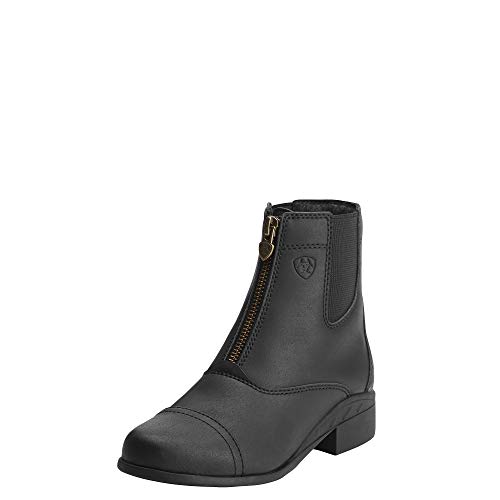
Riding boots employ several closure mechanisms including front zippers, traditional laces, side stretch goring, and heavy duty buckles. Front zip paddock boots offer unmatched convenience for busy lesson schedules, allowing you to slip your boots on in seconds. Lace up variants provide superior adjustability for riders with high insteps or unusually narrow ankles.
Pay close attention to zipper brands and pull tab construction when inspecting boot closure hardware. Premium zippers such as brass hardware or YKK branded zips withstand grit, sand, and dust far better than generic plastic fasteners. Elastic stretch panels placed along the collar accommodate ankle swelling and provide flexibility during deep heel drops.
For off road motorsport riders, four buckle snap lock systems provide the rigid retention required to withstand high impacts. Equestrian novices generally find brass front zippers paired with elastic side gores to be the most practical combination. Choose the closure style that matches your discipline while ensuring a snug, non shifting fit around the ankle joint.
Footbed Cushioning and Impact Absorption
Riding involves continuous shock transmission through your ankles, knees, and hips as the horse moves beneath you. High performance footbeds incorporate multi density foam layers, gel heel pads, and contoured arch cups to absorb vibrational stress. Advanced cushioning prevents repetitive impact fatigue and keeps your joints aligned throughout demanding training sessions.
When comparing footbed technologies, look for proprietary support systems such as multi layer EVA midsoles or variable cushioning insoles. Removable footbeds represent a valuable feature because they allow you to insert custom orthotics or replace worn insoles after months of use. Investing in proper foot support mirrors the importance of everyday ergonomic comfort in preventing joint stiffness.
A dependable calculation to remember is that riders spend roughly half their lesson time absorbing force through the stirrup tread. If the insole feels paper thin out of the box, your heels and lower back will absorb that unchecked impact. Prioritize boots with dedicated rebound technology to preserve your stamina during two hour barn visits.
Moisture Management and Interior Linings
Enclosed riding boots generate significant heat and perspiration during rigorous riding lessons and barn work. Moisture wicking technical linings like Cambrelle pull sweat away from your skin and spread it across a wider surface area for rapid evaporation. Keeping your feet dry prevents painful blisters, skin maceration, and foul odor accumulation inside the boot cavity.
Examine the interior lining material specifications before finalizing your purchase decision. Perforated collar zones and air mesh tongue inserts enhance airflow throughout the interior cavity without compromising outer barrier protection. Boots that incorporate anti microbial textile treatments prevent fungal growth when damp footwear dries between weekly riding appointments.
Always pair technical boot linings with moisture wicking merino wool or synthetic riding socks rather than basic cotton athletic socks. Cotton holds moisture against your skin, defeating the sweat moving properties of the boot lining and increasing blister friction. A proper wicking ecosystem ensures cool comfort during summer heat and dry warmth in freezing winter arenas.
Fit, Sizing Precision, and Break-In Dynamics
Achieving the correct fit requires balancing snug ankle security with adequate toe room for natural foot expansion. Your heel should experience minimal vertical lift inside the boot when you walk or flex your ankles downward. Toes should have enough room to wiggle freely without pressing against the rigid front toe cap.
Check manufacturer sizing notes carefully because riding boot sizing often differs from standard street shoe sizing. Certain motorsport models come exclusively in whole sizes, requiring half size wearers to size up for proper interior volume. Full grain leather boots will stretch approximately one quarter size across the width, whereas synthetic leather maintains its factory shape indefinitely.
When trying on new boots, always wear the exact socks and breeches you plan to wear during riding lessons. Walk up and down stairs and practice flexing your heels downward to ensure the collar does not bite into your Achilles tendon. A snug initial fit without sharp pinching indicates a boot that will break in smoothly over your first three rides.
| Boot Category | Primary Material | Closure Type | Best Riding Application | Key Benefit for Novices |
|---|---|---|---|---|
| Synthetic Paddock Boot | Vega Synthetic Leather | Front Zip with Goring | Weekly Arena Lessons | Zero break in time and wipe clean maintenance |
| Full-Grain Leather Paddock | Full-Grain Cowhide | Brass Zip or Front Lace | Training and Schooling Shows | Custom molding and long term durability |
| Tall Knee-High Boot | Grained PU or Leather | Rear Zip with Elastic Panel | Trail and Flatwork Riding | Comprehensive calf protection against saddle friction |
| Motorsport Rider Boot | Injection Molded Synthetic | Four-Buckle Snap Lock | Dirt Bike and Off-Road Trails | Heavy impact shielding and rigid ankle support |
Why You Should Trust Us
Our editorial team analyzes riding footwear by examining structural engineering, material durability, and rider ergonomics across all price tiers. We evaluate manufacturer technical specifications, safety certifications, and stitch reinforcement patterns to identify boots that offer genuine protection. By comparing objective design parameters, we cut through marketing claims to bring you practical, trustworthy recommendations.
We maintain ongoing surveillance of manufacturing updates, hardware revisions, and material improvements across leading equestrian and motorsport brands. Our review criteria remain completely independent from brand sponsorships, focusing exclusively on stability, traction safety, and long term value. Learn more about our evaluation philosophy by exploring our dedicated archive of informative buying guides.
Every recommendation in this guide reflects thorough data aggregation from real world rider experiences and mechanical construction standards. We update our guides continuously as product batches evolve, ensuring you receive timely guidance whenever you begin your riding journey. Our mission is to help you select dependable gear that keeps you secure in the saddle from your very first lesson.
Final Thoughts
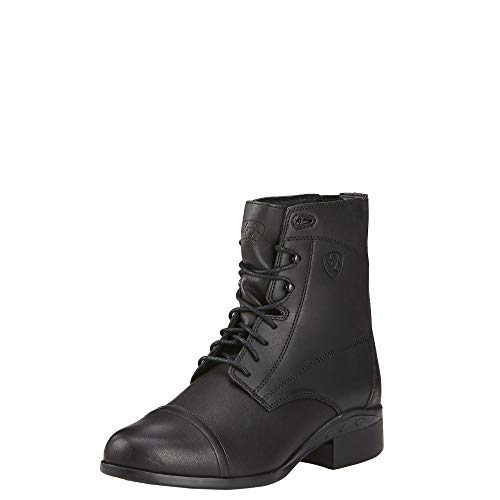
Selecting your first pair of riding boots establishes the foundation for your balance, posture, and safety in the saddle. For the best overall equestrian performance, we recommend the ARIAT Women’s Scout Paddock Boot, Black, 8.5 B because of its premium full grain leather construction and advanced 4LR support technology. Its contoured footbed and durable outsole deliver exceptional arch stability during long hours of posting and flatwork.
If you are seeking outstanding value with minimal maintenance, the Ovation Women’s Lightweight Stylish Equestrian provides synthetic Vega leather durability and ComforLast variable cushioning at an accessible entry point. Young beginners will appreciate the tailored fit and lightweight build of the Ovation Kids’ Quantum Zip Paddock Boots, which simplifies daily riding routines with its swift front zipper.
Riders exploring off road motorsport environments require specialized impact deflection, making the O’NEAL Men’s New Logo Rider Dirt Bike Boot our top pick for dirt track and trail novices. Meanwhile, equestrians desiring extra calf warmth and traditional styling can look to the Hawkwell Women’s Wide Calf Double Zipper Knee for generous leg coverage. Matching your footwear to your specific riding discipline ensures both maximum protection and rapid skill development.
Take time to assess your training frequency, foot arch shape, and local arena conditions before making your final selection. Equipping yourself with properly engineered footwear eliminates foot discomfort so you can concentrate fully on your riding technique. We invite you to check our other equestrian recommendations to build a dependable and protective gear collection this season.
Frequently Asked Questions
Can beginner riders wear regular sneakers for horse riding lessons?
Standard running shoes and sneakers present severe safety hazards in the saddle because they lack a defined heel. Without a heel shelf, your foot can easily slide straight through the stirrup iron and trap your ankle during a fall. Dedicated riding footwear provides the structural heel and shank necessary to ensure consistent stirrup safety.
Why do equestrian boots require a one inch heel?
A one inch heel creates a physical barrier that stops the stirrup iron from sliding back toward your arch. This mechanical stop keeps your foot centered over the ball where you maintain proper balance and lower leg stability. Riding instructors mandate this specific heel profile to minimize the risk of foot entrapment in every lesson.
How should Best Boots for Beginner Riders fit when brand new?
New riding boots should fit snugly around the heel and ankle while leaving ample wiggle room for your toes. You should experience no heel slipping when walking across the barn floor or flexing your ankle joints. Leather boots will soften and stretch slightly across the ball of the foot after a few hours of wear.
What is the main difference between paddock boots and tall riding boots?
Paddock boots stop at the ankle to allow maximum joint mobility and easy daily on and off access for beginners. Tall boots extend up to the knee to protect the entire lower leg from saddle friction and stirrup leather pinches. Most novice riders pair paddock boots with half chaps to gain the benefits of tall boots affordably.
Are synthetic riding boots durable enough for weekly lessons in 2026?
Modern synthetic polyurethane materials like Vega leather provide outstanding tear resistance and water repellency for beginner riders. These engineered fabrics resist mud, barn acids, and water exposure without drying out or cracking like untreated natural hide. They represent a cost effective and resilient choice for weekly schooling and barn chores.
Do beginner dirt bike riders need specialized boots like the O’NEAL Rider?
Motorsport novices require specialized dirt bike boots because track riding generates severe impact forces and high engine heat. Protective plastic plates and internal steel shanks guard your feet and lower shins against flying rocks and footpeg strikes. Standard work boots lack the rigid crush protection required for off road power sports.
How do I properly break in a new pair of leather riding boots?
Break in natural leather boots by wearing them around the house with thick riding socks for short intervals before your lesson. Applying quality leather conditioner to flex points softens the grain and accelerates the molding process around your ankle. Avoid soaking leather boots in water because excessive moisture damages the internal glue layers and footbed.
What type of socks should I wear with riding boots?
Wear thin, knee high equestrian socks crafted from moisture wicking synthetic blends or fine merino wool inside your boots. Thick cotton athletic socks bunch around the ankle collar and trap perspiration against your skin, causing painful friction blisters. Smooth technical socks allow easy foot insertion and maintain consistent circulation throughout your ride.
How do I clean and maintain synthetic Vega leather riding boots?
Synthetic riding footwear requires nothing more than a damp cloth and mild soapy water to remove arena dust and dried mud. Avoid oil based leather conditioners on synthetic materials because they leave greasy residues that attract abrasive dirt particles. Allow the boots to air dry naturally away from direct heat sources to preserve material flexibility.
Are zip paddock boots safe for younger equestrian riders?
Front zip paddock boots are exceptionally safe and practical for young equestrians because they eliminate loose lace hazards. Quick release zippers allow children to manage their own gear independently before and after lessons. For parents interested in age appropriate gear, our guide on visual gear for younger learners shares similar design principles.







Write Your Review
No reviews yet. Be the first to share your experience!