

Switching away from disposable plastic produce sacks is one of the easiest ways to build an eco-friendly kitchen routine. Choosing the Best Fabric for Produce Bags ensures your leafy greens, root crops, and delicate fruits stay crisp during transport and home storage. Our guide examines 5 options available in September 2026 to help you make an informed decision.
Many shoppers assume all reusable cloth sacks perform identically, but using the wrong textile can cause moisture buildup or rapid wilting. Understanding how natural fibers regulate humidity helps extend the lifespan of your fresh groceries. You can explore complementary kitchen organization strategies in our Home & Living section.
In this guide, we evaluate leading selections from brands like Simple Ecology, Cottify, MAQIHAN and more across varying price ranges. We focus on airflow, seam durability, tare weight clarity, and ease of washing to help you find the perfect setup for your weekly grocery trips.
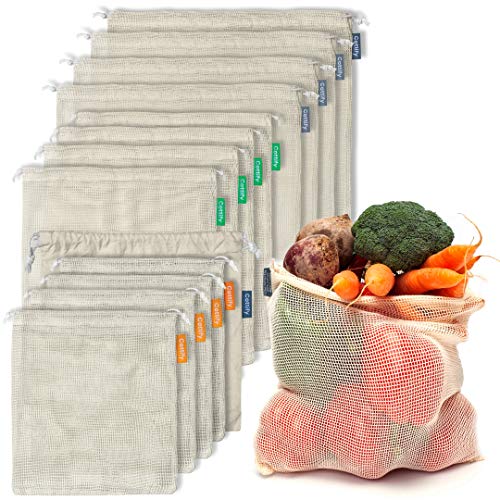


Organic Cotton Mesh vs Solid Woven Muslin
The fundamental choice in grocery textiles is between open-grid cotton mesh and tight-weave solid muslin fabric. Cotton mesh provides total airflow and instant visibility at checkout, making it ideal for apples, oranges, and dense squash. It prevents condensation from collecting around thick-skinned items.
Solid woven muslin offers a tighter shield against air circulation while preserving essential internal humidity. This dense weave is suitable for mushrooms, green beans, and delicate leafy greens that wilt when exposed to dry air. Muslin also prevents fine dirt from escaping onto your counters.
A practical rule of thumb is to build a shopping kit containing both mesh and muslin varieties. Use mesh for sturdy orchard crops and muslin for items that require moisture retention in your refrigerator crisper drawer.
Canvas and Heavyweight Duck Cloth
Canvas and duck cloth are dense, high-grade cotton fabrics built for heavy-duty kitchen storage tasks. Their thick construction blocks out light, which makes them exceptional for preserving potatoes, sweet potatoes, and whole onions. Blocking ambient light prevents premature sprouting and bitter solanine development.
These heavier fabrics provide remarkable structural stability when loading bulky items into your shopping cart. Unlike delicate nets, thick canvas will not snag on sharp stem ends or rough vegetable skins. The dense cotton threads resist tearing under significant physical weight.
When shopping for canvas bags, check the fabric ounce weight to ensure it remains manageable at checkout. A medium canvas bag should feel thick without adding excessive unmeasured weight during grocery weighing.
Linen and Flax Fibers
Linen made from natural flax fibers offers distinct advantages for food storage due to its inherent antimicrobial properties. Flax fibers naturally resist bacterial colonization and mold spores, which keeps damp produce safe for longer periods. It also wicks away surface moisture faster than standard cotton.
Linen fabrics tend to soften with each wash cycle without losing tensile integrity. While linen often comes with a slightly higher initial cost, its longevity makes it a smart investment for zero waste kitchens. Check out our Guides category for additional sustainable home tips.
To get the most from linen produce bags, dampen the fabric slightly before placing crisp greens inside your refrigerator. The natural moisture balance prevents dehydration while allowing produce to breathe freely.
Synthetic Blends vs 100 Percent Natural Fibers
Synthetic textiles like polyester and nylon are lightweight, budget-friendly, and resistant to shrinkage during machine cycles. However, synthetic fabrics shed microscopic plastic fibers during regular washings and food contact. These microplastics can transfer directly onto damp vegetables and enter your food supply.
Pure 100 percent natural fibers such as unbleached cotton and flax are fully biodegradable and compostable at the end of their lifecycle. They provide natural moisture absorption without introducing synthetic coatings or chemical residues to fresh food.
We recommend choosing natural unbleached textiles whenever possible to maintain an organic, chemical-free food storage environment. If you purchase blended fabrics, wash them in cool water with eco-friendly detergents to minimize fiber breakage.
Tare Weight Labeling and Cashier Usability
Tare weight refers to the empty weight of the cloth sack, which must be deducted from the total weight at checkout. High quality produce bags feature clearly visible labels displaying tare values in grams, ounces, and pounds. Clear labeling ensures cashiers can quickly subtract the sack weight so you only pay for produce.
Bags lacking visible tare markings force store clerks to guess or manually weigh an empty sack, slowing down checkout lines. Color-coded tags on different bag sizes further streamline the process for both you and the cashier.
Always look for bags with stitched fabric tags rather than heat-pressed vinyl labels that can peel off in the wash. Stitched tare tags remain legible through dozens of laundry cycles.
Drawstring Construction and Closure Mechanisms
The drawstring system determines how securely your items remain enclosed during transport from market to pantry. High quality bags utilize dual cotton drawstrings that cinch shut smoothly without binding. Thick braided cords are much more durable than thin twill ribbons.
Many modern eco-friendly bags eliminate plastic sliding beads and metal toggles entirely. Metal hardware can rust over time and damage your washing machine drum during high spin cycles. Plastic toggles can crack when dropped on hard supermarket floors.
Choose knot-closure cotton drawstrings that tie securely by hand without extra plastic components. A well-designed drawstring also doubles as a convenient hanging loop for pantry storage.
Washability, Shrinkage Resistance, and Maintenance
Fresh vegetables inevitably leave behind soil, leafy residues, and natural juices inside your shopping sacks. The Best Fabric for Produce Bags must withstand frequent washing without falling apart or losing shape. Natural cotton fabrics will naturally shrink slightly during their initial wash cycle.
To maintain the dimensions of your cotton and linen bags, wash them in cold water on a gentle cycle. Air drying on a clothesline prevents excess heat shrinkage and preserves the flexibility of the woven threads.
For bags carrying fragrant herbs or onions, consider washing them alongside natural household cleaners. Learn more about fabric care in our review of best fabric refreshers to keep all household textiles smelling fresh.
Stitching Quality, Seam Reinforcement, and Load Capacity
Seam construction is the single biggest factor dictating whether a grocery sack survives years of heavy loads. Double-stitched flat-felled seams distribute weight evenly and prevent unraveling along the bag borders. Cheaply sewn single-stitch seams often burst when loaded with dense citrus or root crops.
Overlock stitching around raw edges prevents fraying during repetitive washing cycles. High capacity bags should be capable of safely supporting up to twenty pounds of weight without tearing.
Inspect the stress points where drawstrings exit the fabric casing. Reinforced bar-tack stitching at opening corners prevents the drawstring channel from ripping under tension.
GOTS Certification and Chemical-Free Processing
The Global Organic Textile Standard represents the strictest benchmark for ecological and socially responsible textile manufacturing. GOTS certified cotton guarantees that crops were cultivated without synthetic pesticides, defoliants, or toxic fertilizers. It also ensures processing facilities avoid harmful bleaching chemicals and toxic dyes.
Non-certified conventional cotton often undergoes chemical finishing treatments to make fabric appear stiff or uniformly bright white. Unbleached, naturally processed cotton retains a warm off-white tone and small natural seed specks, demonstrating authenticity.
Choosing certified organic textiles ensures no chemical residues leach onto raw produce that your family consumes daily. Always look for recognized certification logos when evaluating premium cotton produce storage bags.
Produce-Specific Fabric Compatibility
Different varieties of produce have distinct biological requirements for humidity, light exposure, and respiration. High-respiration items like broccoli, berries, and asparagus benefit from open mesh that allows ethylene gas to disperse rapidly. Trapping ethylene in airtight containers accelerates decay and rot.
Root vegetables such as carrots and beets thrive inside slightly damp muslin bags that prevent moisture loss in the refrigerator. Hard tubers like potatoes and garlic prefer dry, dark storage provided by heavy canvas sacks in a cool pantry.
Match your shopping kit to your weekly grocery list to maximize storage longevity. Pairing the correct fabric weave with specific produce types can double the edible lifespan of fresh ingredients.
| Fabric Type | Airflow and Respiration | Moisture Retention | Tare Weight Impact | Best Produce Application |
|---|---|---|---|---|
| Cotton Mesh | Maximum | Low | Ultra-Light (0.5 – 1.0 oz) | Apples, Oranges, Onions, Squash |
| Woven Muslin | Moderate | High | Light (0.8 – 1.4 oz) | Lettuce, Herbs, Mushrooms, Green Beans |
| Heavy Canvas | Low (Light-Blocking) | Moderate | Medium (1.5 – 2.5 oz) | Potatoes, Sweet Potatoes, Hard Roots |
| Natural Linen | High | High (Moisture Regulating) | Light (0.7 – 1.2 oz) | Artisan Bread, Leafy Greens, Celery |
| Poly-Cotton Blend | Moderate | Low | Very Light (0.4 – 0.8 oz) | Dry Pantry Goods, General Grocery Items |
Why You Should Trust Us
Our product evaluation process relies on rigorous analysis of textile specifications, verified manufacturing standards, and user durability feedback. We examine raw material certifications, seam reinforcement techniques, tare weight accuracy, and real-world shrinkage rates across leading market brands.
We do not accept sponsored placements or allow brands to influence our editorial criteria. Every recommendation reflects a balanced assessment of material longevity, practical usability at supermarket checkouts, and overall environmental impact.
Our editorial database is continually updated to reflect the latest improvements in sustainable kitchen goods and zero-waste storage solutions. This data-driven approach ensures you receive accurate, practical guidance for building an eco-conscious home.
Final Thoughts
Selecting the right materials transforms your grocery shopping experience and keeps produce fresh for days longer. For shoppers seeking the ultimate certified organic standard, Simple Ecology Reusable Grocery Produce Shopping is our top overall pick. Its GOTS certification, clear tare labels, and breathable unbleached muslin construction deliver dependable performance.
If you need an affordable starter set with excellent visibility, MAQIHAN Reusable Cotton Mesh Produce Bags offers incredible value across three practical sizes. The breathable cross-woven mesh prevents ripening gas accumulation and speeds up register scanning.
For large households that buy in bulk at farmers markets, 12+1 Reusable Produce Bags Grocery Washable provides unmatched variety with color-coded tags and double-stitched organic cotton seams. You can also explore RAINFLOW Cotton Storage Bags with Drawstrings and 10 Pcs Reusable Produce Bags for versatile kitchen organization. Discover more ideas to modernize your kitchen workflow in our guide on how to get started with your kitchen renovation appliance lineup.
FAQs
What is the Best Fabric for Produce Bags when storing leafy greens in 2026?
Solid unbleached organic cotton muslin is the top choice for storing leafy greens in your refrigerator crisper. Dampening the muslin slightly keeps moisture trapped around the leaves while still allowing essential air exchange.
How does cotton mesh compare to solid muslin for refrigerator storage?
Cotton mesh provides open circulation which is best suited for dry items like citrus, apples, and peppers. Muslin holds humidity better, preventing herbs and leafy vegetables from drying out under refrigerator cooling fans.
Do reusable produce bags shrink when washed in hot water?
Pure cotton bags will experience significant shrinkage if exposed to hot water washing or high heat tumble dryers. We advise washing your bags in cold water on a gentle cycle and allowing them to air dry on a rack.
How do tare weights work at supermarket checkout scales?
Tare weight is the weight of the empty cloth bag itself. Cashiers enter the labeled tare number into their digital register scale so that the bag weight is automatically subtracted from your grocery total.
Can I store mushrooms inside organic cotton produce bags?
Yes, solid cotton muslin is one of the best containers for fresh mushrooms because it absorbs condensation without trapping wet slime. Unlike airtight plastic sacks, breathable cotton keeps fungi firm and dry for days.
What makes GOTS certified cotton better for raw grocery storage?
GOTS certified cotton guarantees that the fibers were grown without toxic chemical pesticides and processed without harsh chlorine bleaches. This ensures no synthetic chemical residues ever transfer onto the skin of your fresh groceries.
Are synthetic polyester produce bags safe for fresh vegetables?
Synthetic bags are food safe for general transport, but they do shed microplastic particles over repetitive wash cycles. Natural cotton or linen fabrics provide a completely plastic-free alternative that is safer for the environment.
How often should you wash your cloth grocery produce bags?
We recommend laundering your cloth sacks every two to three grocery shopping trips or immediately after carrying unwashed root vegetables. Clean bags prevent bacteria and mold spores from cross-contaminating your next batch of groceries.
Can I store root vegetables like potatoes in canvas bags?
Heavy canvas bags are ideal for potatoes because their thick weave blocks out sunlight while providing steady air circulation. Keeping potatoes in darkness prevents green chlorophyll and toxic solanine from forming on the skin.
How do I remove stubborn vegetable stains from natural cotton bags?
Pre-treat stubborn beet or berry stains with a paste of baking soda and cold water before running the normal wash cycle. Avoid harsh chemical bleaches that degrade the organic cotton threads over time.




Write Your Review
No reviews yet. Be the first to share your experience!