

Managing multiple electronic devices at a single workstation or entertainment hub often creates messy cable tangles and unnecessary vampire power consumption. Upgrading to intelligent power management solves these daily frustrations by giving you remote control over individual outlets. Our guide examines 5 leading options for September 2026 to streamline your everyday power routine.
Modern households rely heavily on smart power distribution to protect valuable electronics while automating lighting and daily charging routines. Choosing the right hardware requires understanding wireless protocols, surge suppression ratings, and outlet spacing before making a purchase. Exploring reliable home and living solutions helps keep your living space organized and completely safe.
Many consumers mistakenly assume that all multi-outlet surge protectors provide remote mobile management and independent socket control. We break down the Best Smart Power Strips for Home Use to show you how modern hardware prevents electrical overloads and saves energy effortlessly. You will find actionable advice on socket configuration, voice assistant pairing, and flat-plug clearance for tight spaces.
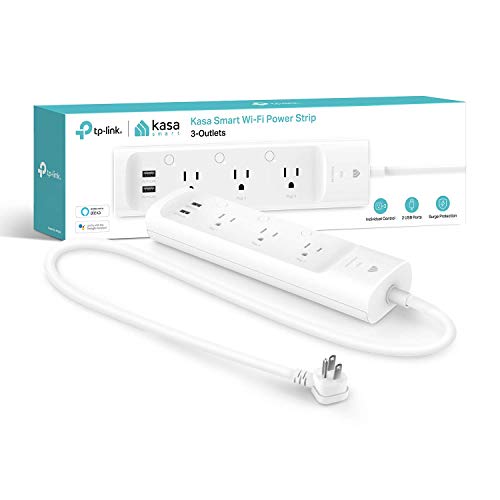


Independent Outlet Control vs All-in-One Switching
The primary advantage of a true smart power strip is the ability to toggle individual sockets on or off independently through mobile applications. Budget power units often switch all connected alternating current receptacles simultaneously, which limits your flexibility when running multiple distinct devices. Premium models allow you to name each outlet in the software so you can manage specific electronics with precision.
When setting up a home office or media console, independent control ensures essential devices like Wi-Fi routers stay powered continuously while desktop monitors power down on schedule. You should always verify whether the companion application supports discrete socket renaming and independent voice triggers. This capability turns a single physical power strip into several standalone smart switches without taking up multiple wall outlets.
Always check how the manufacturer handles USB ports in comparison to the primary alternating current receptacles. Most smart strips treat the entire USB block as a single gang or leave it constantly energized for ongoing device charging. Knowing this distinction prevents unexpected interruptions when you need continuous power for phones while shutting off desk accessories.
Surge Protection Capacity and Joule Ratings
Electrical spikes from grid fluctuations or lightning strikes can permanently destroy sensitive microchips inside computers, televisions, and charging docks. A power strip equipped with robust surge suppression absorbs excess voltage and safely diverts it away from your plugged equipment. Joule ratings indicate the total energy threshold the internal metal oxide varistors can absorb over their operational lifespan.
For standard home office gear, look for surge suppression ratings of at least 900 to 1080 Joules to ensure adequate baseline defense. Strips without verified surge ratings only act as extension cords and offer zero defense against sudden transient voltage spikes. High-quality units feature an illuminated indicator light that confirms active surge protection is functioning properly inside the enclosure.
When organizing high-draw household spaces or comparing options alongside planning electrical loads for home appliances, remember that surge components degrade over time. Selecting a certified unit with fire-resistant casing gives you peace of mind during unexpected power disruptions. Replace any surge strip immediately if its dedicated protection status light goes dark after an electrical storm.
Smart Home Ecosystem and Voice Assistant Compatibility
Hands-free voice commands make operating lamps, cooling fans, and workspace heaters effortless throughout the busy work week. Leading smart strips connect directly to Amazon Alexa and Google Assistant ecosystems without requiring expensive proprietary hardware bridges. Compatibility with platforms like Smart Life expands your automation capabilities across existing smart home gadgets.
Voice integration relies on responsive cloud servers and low-latency wireless connections to carry out your verbal requests instantly. You can combine multiple connected devices into custom voice groups, such as turning off an entire room with a single spoken phrase. When setting up smart routines for children, integrating strips alongside smart nursery lighting setups simplifies bedtime schedules dramatically.
Always verify whether the strip requires a dedicated manufacturer hub or connects directly to standard wireless home networks. Hubless designs save money and simplify initial installation, allowing you to configure the entire power strip in just a few minutes. Check that the companion mobile software receives regular firmware updates to maintain dependable voice assistant responsiveness over time.
Wi-Fi Network Requirements and App Functionality
The vast majority of smart power strips operate exclusively on 2.4 GHz Wi-Fi frequencies due to greater signal range and wall penetration. Dual-band routers that automatically merge 2.4 GHz and 5 GHz bands under one network name can sometimes complicate the initial pairing process. You may need to temporarily separate your router bands or disable the 5 GHz band during setup to connect successfully.
A well-designed companion mobile app should provide an intuitive dashboard displaying real-time power status for each individual socket. Look for applications that feature remote access outside your local network so you can monitor equipment while traveling. Poorly built apps often suffer from frequent disconnects, delayed command execution, and frustrating pairing failures after local network reboots.
Before purchasing, check customer feedback regarding the stability of the companion app on both major mobile operating systems. Platforms like the Kasa Smart app and Smart Life app have proven track records of reliable cloud uptime and prompt security patches. Stable software ensures your scheduled automations execute on time even if your personal smartphone loses cellular connectivity.
Automated Scheduling, Timers, and Energy Management
Automated schedules eliminate standby power draw by cutting electricity to idle electronics during overnight hours and work shifts. Setting routine timers for ambient lighting, decorative displays, and small appliances reduces your monthly utility bills with zero manual effort. Some advanced units also feature random away modes that toggle lights intermittently to deter potential intruders while you travel.
Look for scheduling engines that support complex recurring events, sunrise and sunset triggers, and countdown timers. Setting a sixty-minute countdown timer on a curling iron or battery charger prevents hazardous overheating and accidental fires. The flexibility to assign unique schedules to each individual socket maximizes energy savings across distinct types of household equipment.
Consider models that provide active energy monitoring if you want to identify electricity-hungry appliances in your living space. Real-time wattage readouts and historical consumption graphs help you calculate exact running costs for entertainment consoles or space heaters. These data insights empower you to make smarter adjustments to your daily home energy consumption habits.
USB Port Specifications and Fast Charging Capabilities
Modern electronics increasingly rely on direct USB connections rather than bulky alternating current wall adapters for recharging. Having integrated USB-A and USB-C ports on your power strip frees up primary AC outlets for larger household appliances. Premium strips now incorporate Power Delivery technology capable of fast charging modern smartphones and tablets at full speed.
Check the total shared wattage output across all USB ports before plugging in several power-hungry gadgets simultaneously. Basic strips often split fifteen watts across three ports, which slows down charging speeds when all connections are active at once. Strips offering dedicated twenty-watt USB-C ports provide sufficient power to charge modern mobile phones from empty to fifty percent quickly.
Evaluate the physical placement of USB ports relative to the standard AC sockets on the strip chassis. Ports placed along the front edge or top panel allow easy access for quick cable swapping on bedside tables and workbenches. Always confirm whether the USB ports support modern smart identification chips that adjust voltage output automatically for each connected device.
Cord Length, Flat Plug Clearance, and Physical Form Factor
Standard electrical cords can prevent furniture from sitting flush against the wall, creating awkward gaps in bedrooms and tight living rooms. Low-profile flat plugs with ultra-slim profiles slide easily behind sofas, desks, and nightstands without damaging the cord insulation. A forty-five-degree angled plug design prevents the power head from blocking adjacent wall receptacles on standard duplex wall plates.
Power cord lengths typically range from five feet to six feet, providing ample reach from distant wall sockets to your desktop. Heavy-duty copper wiring inside thick insulating jackets ensures safe power delivery without hazardous voltage drops or internal overheating over long distances. Selecting the appropriate cord length keeps your floors free from tangled slack while preventing dangerous mechanical tension on wall receptacles.
Spacing between individual AC outlets determines whether you can plug in bulky transformer bricks without covering adjacent receptacles. Wide outlet pitch allows oversized power adapters to sit side by side without requiring cumbersome pigtail extension dongles. Compact linear designs work best for desks, while rectangular multi-row layouts maximize socket density in tight entertainment centers.
Electrical Load Limits, Safety Certifications, and Build Quality
Smart power strips must handle substantial electrical current without overheating, short-circuiting, or creating household fire hazards. Look for independent safety certifications from nationally recognized testing laboratories such as ETL, UL, or Intertek on the product chassis. These certifications verify that the internal circuitry, solder joints, and safety switches comply with rigorous electrical safety standards.
Standard household power strips support a maximum load of fifteen amperes, which corresponds to 1875 watts at 125 volts. Overloading a strip by connecting multiple high-wattage heating appliances simultaneously will trigger internal overload breakers to cut power safely. Quality units feature fire-retardant polycarbonate enclosures rated to withstand extreme temperatures without igniting or releasing toxic fumes.
Bottom mounting slots and non-slip rubber feet provide mechanical stability on slick desktops and vertical wall surfaces. Keyhole mounting slots allow you to fasten the power strip under workbenches or along baseboards for clean cable routing. Sturdy mounting keeps the strip firmly anchored when you insert or remove heavy power plugs during daily use.
Hardware Comparison Across Form Factors
Comparing key physical specifications side by side clarifies which power strip architecture fits your intended installation location best. The table below outlines how smart wireless controls, surge suppression thresholds, and port layouts differ across popular home configurations.
| Feature Spec | Compact Smart Strip | High-Capacity Flat Strip | Standard Desk Strip |
|---|---|---|---|
| AC Outlets | 3 Independently Controlled | 8 Fixed Outlets | 4 Fixed Outlets |
| Surge Protection | ETL Certified / 1080 Joules | 900 Joules | 900 Joules |
| Smart Connectivity | 2.4 GHz Wi-Fi (App & Voice) | Manual Master Switch | Manual Master Switch |
| USB Configuration | 2 Always-On USB-A Ports | 1 USB-C (20W) + 2 USB-A | 1 USB-C + 2 USB-A (15W) |
| Cord Profile | 5ft to 6ft Heavy Duty | 5ft Ultra-Flat Right Angle | 5ft Ultra-Flat Right Angle |
Selecting between these architectures comes down to whether you prioritize wireless automation or pure socket quantity. If you need remote scheduling, choose a dedicated smart strip with independent outlet toggling. For entertainment centers requiring numerous simultaneous plugs, higher socket count models provide the physical capacity you need.
Why You Should Trust Us
Our editorial team conducts rigorous, data-driven comparisons of home electronics to help you make informed purchasing decisions without marketing hype. We analyze manufacturer technical specifications, third-party electrical safety certifications, and wireless hardware standards across every featured model. Our objective evaluations focus on real-world utility, build durability, surge suppression reliability, and long-term companion app stability.
We track continuous software updates, cloud platform reliability, and voice assistant integration changes to keep our recommendations accurate and current. Our evaluation methodology weights safety certifications, internal component quality, and socket layout practicality above superficial aesthetics. We never accept free promotional merchandise or sponsored placement, ensuring our rankings remain completely unbiased and transparent.
Every guide on our platform is updated regularly with dynamic data to reflect current market availability and technological standards. We prioritize clear consumer guidance that highlights genuine trade-offs between budget price points and advanced smart functionality. You can rely on our structured analysis to choose hardware that safely powers your home while streamlining your everyday routines.
Final Thoughts
Selecting the ideal smart power strip depends on the specific balance of intelligent voice automation, socket density, and physical clearance your room requires. Upgrading from conventional extension blocks to app-controlled power management saves energy while protecting your high-value electronics from damaging electrical surges. We have evaluated the top models in this category to help you choose the best configuration for your lifestyle.
For users seeking seamless smart home integration and dependable mobile control, the Kasa Smart Plug Power Strip, KP303, Smart Outlet represents our top overall recommendation. It combines three independently controllable smart sockets with robust ETL-certified surge protection and direct compatibility with Alexa and Google Assistant. The polished Kasa software makes setting daily schedules and countdown timers straightforward for every member of the household.
If you need an affordable smart option with extended physical reach and strong surge suppression, the LINKVOLT Smart Power Strip WiFi Surge Protector delivers exceptional everyday value. Its 1080 Joules surge rating and flexible six-foot cord make it ideal for bedrooms and home offices running on the Smart Life app ecosystem. For high-density charging setups that do not require Wi-Fi, the TESSAN Surge Protector Power Strip with 900J Surge offers eight AC outlets and rapid USB-C charging.
Before making your final choice, explore our other comprehensive smart device guides to optimize power distribution across your entire home. Measure the clearance behind your furniture and calculate your total appliance wattage to ensure seamless installation. Investing in a properly rated smart power strip transforms your electronic setup into an organized, energy-efficient workspace.
Frequently Asked Questions
How do Best Smart Power Strips for Home Use differ from standard power strips in 2026?
Smart power strips feature built-in Wi-Fi microcontrollers that allow you to turn individual electrical sockets on or off remotely through mobile apps or voice commands. Standard power strips only offer a single manual toggle switch that controls the entire unit all at once. Smart models also support automated scheduling, countdown timers, and energy monitoring that basic power boards completely lack.
Can I control individual outlets independently on Best Smart Power Strips for Home Use?
Yes, dedicated smart power strips allow you to toggle each alternating current receptacle independently through the companion mobile app. This feature enables you to turn off a desk lamp without cutting power to your computer or internet modem. Note that integrated USB charging ports on most models are usually powered continuously or switched as a single unified group.
Do smart power strips require a separate smart home hub to function properly?
Most modern smart power strips connect directly to your household Wi-Fi router and do not require any proprietary smart home bridge or hub. You simply download the manufacturer app on your smartphone and connect the strip to your 2.4 GHz wireless network. This standalone design reduces initial setup expenses and makes installation fast and effortless.
What Wi-Fi frequency do smart power strips require for initial setup?
Nearly all smart power strips require a standard 2.4 GHz Wi-Fi frequency band for initial setup and ongoing cloud connectivity. The 2.4 GHz frequency provides superior physical range and penetrates walls and furniture far more effectively than 5 GHz signals. If your wireless router combines both frequencies, you may need to separate the bands briefly during the initial pairing process.
Are smart power strips safe to use with high-wattage kitchen appliances and space heaters?
Smart power strips are rated for standard household electrical limits up to fifteen amperes or 1875 watts total. While they can handle smaller kitchen gadgets, connecting multiple high-draw appliances like space heaters, microwaves, or air fryers simultaneously can trip internal safety breakers. Always check the combined wattage of your plugged electronics to ensure they remain well below the rated capacity.
How do smart power strips help reduce home electricity bills?
Smart strips eliminate phantom or vampire power draw by completely cutting electrical current to peripheral devices when they are not in active use. Setting automated schedules to shut off computer monitors, audio speakers, and gaming consoles overnight prevents them from silently consuming standby electricity. Over the course of a year, these automated energy savings can noticeably reduce your household utility bills.
What happens to smart power strip schedules during an internet or power outage?
Most quality smart power strips store programmed timer schedules locally in onboard memory chips so routines continue running even if the internet drops out. If a complete household power blackout occurs, the strip will temporarily turn off and then reconnect automatically once power is restored. Many companion mobile applications let you configure whether the outlets default to on, off, or their previous state after a restart.
What is the ideal surge protection Joule rating for home electronics?
For standard home office electronics, desktop computers, and charging stations, a surge rating between 900 and 1080 Joules provides dependable baseline safety. Higher Joule ratings indicate that the internal metal oxide varistors can absorb more cumulative electrical energy spikes before wearing out. Always replace any surge protector once its dedicated status indicator light indicates that internal protection has expired.
Can I charge smartphones quickly using the integrated USB ports on a smart strip?
Charging speed depends directly on the specific wattage output and fast charging protocols supported by the integrated USB ports. Models equipped with dedicated twenty-watt USB-C Power Delivery ports can fast charge modern smartphones from empty to fifty percent in thirty minutes. Standard USB-A ports typically provide twelve watts per port, which is perfect for wireless earbuds and smartwatches.
How do flat plug designs improve furniture placement in tight rooms?
Ultra-thin flat plugs measure less than half an inch thick, allowing bulky furniture pieces like beds, desks, and couches to sit flush against the wall. Standard bulky plugs force furniture out into the room, creating awkward gaps and placing dangerous bending stress on electrical cords. Angled flat plug heads also keep the lower wall receptacle completely unobstructed for other household plugs.



Write Your Review
No reviews yet. Be the first to share your experience!