

Stripping years of ground-in grime from concrete driveways and weathered deck boards demands serious cleaning muscle. Gas-powered pressure washers deliver the independent mobility and high-pressure output necessary to finish big outdoor chores rapidly. Choosing the right machine ensures your seasonal cleanup runs smoothly without unexpected mechanical stalls.
Our comprehensive review of 10 Best Cold Water Gas Pressure Washers for September 2026 highlights options from trusted names like SIMPSON, DEWALT, NorthStar and more. Modern outdoor equipment has shifted toward higher fuel efficiency and better pump longevity across standard price brackets. Exploring our home and outdoor living section reveals how proper tools transform difficult maintenance tasks into quick weekend projects.
Shoppers frequently purchase units based solely on peak pressure numbers while overlooking water volume and pump architecture. This detailed guide breaks down real engineering differences so you can match the correct machine to your property size. We will help you avoid costly mistakes and choose a reliable pressure washer built to last for seasons to come.




Water Pressure (PSI) and Cleaning Intensity
Pounds per square inch (PSI) measures the direct force applied to a surface to dislodge stubborn debris. Residential tasks like washing vinyl siding or vehicle panels require moderate force, whereas stripping paint or cleaning aggregate driveways demands substantial pressure. Understanding this rating allows you to balance cleaning speed against the risk of surface damage.
When comparing models, residential units typically operate between 2800 and 3300 PSI, while heavy-duty commercial machines reach 3600 PSI or more. Always check whether the listed rating represents maximum intermittent burst pressure or continuous rated working output. Continuous rated output provides a more accurate picture of how the washer performs during sustained cleaning sessions.
A helpful rule of thumb is to calculate your typical workload before buying. For wood fences and light patio furniture, staying around 3000 PSI prevents gouging soft materials. For wide concrete pads and commercial equipment cleaning, prioritize units delivering at least 3400 PSI to cut your total job time in half.
Water Flow Rate (GPM) and Cleaning Units
Gallons per minute (GPM) measures the volume of water flowing through the spray wand to flush away loose grime. While pressure loosens dirt, water volume washes the residue off the surface quickly. Machines with higher flow rates significantly reduce cleaning time over large flat areas.
Industry professionals evaluate total machine efficiency using Cleaning Units (CU), calculated by multiplying PSI by GPM. A 3300 PSI washer at 2.5 GPM delivers 8,250 Cleaning Units, offering far greater washing speed than a 3300 PSI unit at 1.8 GPM. Always verify the rated GPM at working pressure rather than zero-pressure open flow.
Look for machines offering at least 2.4 to 2.5 GPM for serious driveway maintenance and general outdoor upkeep. Higher flow rates ensure that debris floats away instead of settling back onto the clean surface. This metric is especially critical if you intend to attach a wide rotary surface cleaner accessory.
Pump Type: Axial Cam vs. Triplex Plunger
The high-pressure pump is the operational heart of any cold water gas pressure washer. Axial cam pumps are direct-drive units commonly found on residential equipment because they are compact, cost-effective, and require zero routine fluid maintenance. Triplex plunger pumps feature ceramic pistons and connecting rods designed for heavy commercial duty cycles.
Axial pumps typically deliver an operational lifespan between 100 and 300 hours, making them great for occasional homeowner projects. Triplex pumps can run for thousands of hours and feature rebuildable valves and replaceable oil baths for extended longevity. Selecting the right pump architecture depends strictly on how many hours you plan to run the machine each season.
If you clean your driveway once a year and rinse vehicles occasionally, an axial cam pump delivers plenty of reliable service. For contractors, farm use, or large property managers washing multiple hours weekly, investing in a triplex plunger pump is mandatory. Triplex units also dissipate heat more effectively, preventing premature seal failure during extended runs.
Engine Displacement, Reliability, and Starting Systems
Gasoline engines provide total freedom from power cords and extension cables across large yards and remote jobsites. Engine displacement, measured in cubic centimeters (cc), directly determines how smoothly the engine sustains high pump loads without bogging down. Larger horizontal-shaft engines generally offer superior thermal management and smoother power transfer than compact vertical designs.
Examine the engine manufacturer, overhead valve (OHV) design, and low-oil shutdown safety features when comparing listings. Engines in the 208cc to 212cc bracket provide ample torque for driving 3300 to 3600 PSI pumps reliably. Commercial engines like the Honda GX series or Kohler Command PRO feature cast-iron cylinder liners that resist wear under heavy continuous operation.
Always inspect the starting mechanism and recoil assist design before making your final selection. Easy-pull recoil mechanisms that automatically release internal pump head pressure prevent painful starter cord kickback. Pairing a dependable commercial engine with premium clean fuel ensures immediate starts after months of winter storage.
Core Specifications Comparison
Reviewing key mechanical specifications side by side clarifies how pressure, water volume, and pump configurations scale across different build tiers. Our curated guides at expert home maintenance guides explain how balanced specs create durable tools.
| Washer Tier | Typical PSI | Typical GPM | Cleaning Units | Pump Architecture | Recommended Application |
|---|---|---|---|---|---|
| Residential Duty | 2800 – 3200 | 2.0 – 2.4 | 5,600 – 7,680 | Axial Cam | Decks, Patio Furniture, Cars |
| Prosumer Grade | 3300 – 3400 | 2.4 – 2.6 | 7,920 – 8,840 | Axial / Triplex | Driveways, Siding, Fencing |
| Commercial Heavy | 3600 – 4200 | 2.5 – 4.0 | 9,000 – 16,800 | Triplex Plunger | Paint Stripping, Fleets, Concrete |
Frame Construction and Vibration Dampening
Vibration from a running single-cylinder gas engine can stress structural welds and loosen hardware over time. Welded steel and aircraft-grade aluminum frames provide the rigid foundation necessary to protect the pump and engine assembly. High-quality powder-coated finishes protect the underlying metal from corrosive detergents, water exposure, and chipping.
Check the frame design for engine isolation mounts and integrated accessory storage. Rubber vibration isolators absorb motor movement before it transmits into the handle and chassis, reducing operating fatigue. Lightweight aluminum frames offer maximum rust resistance, which is especially useful in humid coastal regions.
Pay close attention to handle geometry and hose management brackets. Removable or folding handles make off-season storage in tight garages or vehicle trunks much easier. A well-designed steel or aluminum frame protects the pump manifold from accidental impact during transport.
Hose Quality, Reach, and Flexibility
High-pressure hoses connect the pump outlet to the spray trigger gun and must withstand continuous high internal fluid forces. Cheaper plastic hoses tend to coil stiffly, kink easily, and leave unsightly black scuff marks across wooden decks. Premium hoses use flexible polyurethane or steel-braided jackets that lay flat during operation.
Standard hose lengths range between 25 feet and 50 feet with standard M22 threaded or quick-connect fittings. A 25-foot hose suits compact residential lots, while a 35-foot or 50-foot hose lets you wash large vehicles without constantly rolling the machine. Verify the inner diameter rating as well, since 5/16-inch or 3/8-inch hoses preserve higher flow rates over distance compared to 1/4-inch lines.
Select hoses clearly designated as non-marring and abrasion-resistant to safeguard finished concrete and painted surfaces. Flexible hoses dramatically reduce user fatigue because you will not need to wrestle with rigid loops while maneuvering around landscaping. If a machine includes a shorter hose, factor in the cost of a high-pressure extension.
Nozzle Assortment and Spray Angle Selection
Quick-connect nozzle tips alter the fan angle of the pressurized water stream to match specific cleaning surfaces. Most pressure washers include a five-piece color-coded nozzle pack containing 0-degree, 15-degree, 25-degree, 40-degree, and low-pressure soap tips. Using the wrong nozzle angle can instantly etch concrete or strip paint from wooden siding.
The 0-degree red tip creates a pinpoint stream for stubborn rust or elevated stains, requiring extreme caution. The 15-degree yellow tip and 25-degree green tip handle general concrete, brick, and tough surface preparation. The 40-degree white nozzle produces a wide, gentle spray suitable for washing windows, screens, and delicate painted vehicle panels.
Always test your selected nozzle tip on an inconspicuous corner before spraying an entire wall or deck. For applying exterior cleaners or foam detergents, switch to the wide-orifice black soap nozzle to draw chemical solution through the siphon injector. Having secure onboard nozzle holders prevents small brass tips from vibrating loose and disappearing in the lawn.
Portability, Wheel Engineering, and Weight Balance
Gas pressure washers typically weigh between 60 and 90 pounds due to their steel frames and cast-iron engine blocks. Maneuvering this weight across wet grass, loose gravel, and steep driveway curbs requires well-engineered wheels and a balanced center of gravity. Poorly balanced equipment feels twice as heavy when tilted back for transport.
Look for machines equipped with 10-inch to 12-inch pneumatic tires or solid never-flat rubber wheels. Pneumatic tires absorb rough terrain impacts smoothly, while never-flat wheels eliminate the hassle of checking tire pressures before each use. Wide-stance wheelbases provide exceptional lateral stability, preventing the machine from tipping over when pulling the spray hose.
Consider the total weight and lifting points if you frequently load the washer into a pickup truck bed or SUV. Strategically placed frame grab bars let two people lift the machine safely without gripping the hot muffler or pump lines. Proper balance ensures that pushing or pulling the machine requires minimal physical effort.
Thermal Relief Valves and Maintenance Systems
When the spray trigger is released while the engine runs, water inside the pump continuously circulates and rapidly builds friction heat. A thermal relief valve protects the pump seals by automatically purging small amounts of hot water once temperatures reach critical thresholds. Without this protection, overheated pump seals can warp and fail within minutes of idling.
Inspect the unit for accessible engine oil drain cutouts, pump oil sight glasses, and transparent inline fuel filters. Straightforward maintenance ports make seasonal oil changes quick, preventing messy garage floor spills. For winterizing, accessible inlet ports make adding pump protector fluid simple and fast.
Never leave a running pressure washer in bypass mode with the trigger closed for longer than two minutes at a time. Regularly changing the engine oil after every 50 hours of operation keeps the internal crankcase clean and smooth. Following basic maintenance protocols ensures maximum return on your power equipment investment.
Why You Should Trust Us
Our review process relies on rigorous technical analysis and deep comparisons of real engineering specifications across outdoor power tools. We evaluate pump displacement, motor torque curves, component metallurgy, and warranty protections across every product category. This analytical approach separates high-performing hardware from units that rely purely on inflated marketing claims.
We cross-reference documented flow rates, commercial certifications, and customer durability reports to verify performance consistency over time. Our team analyzes build quality from frame welds to unloader valve materials across entry-level and commercial price points. Exploring our general outdoor equipment catalog provides additional perspective on home maintenance tools.
We maintain editorial independence and update our recommendations continuously to reflect changes in production specs and engine availability. Our evaluations focus strictly on long-term value, mechanical reliability, and user safety. We deliver transparent, data-driven advice so you can purchase equipment with total confidence.
Final Thoughts
Selecting the ideal outdoor washing unit depends on your balance between property size, project frequency, and required cleaning speed. For demanding property maintenance and commercial tasks, the Simpson Aluminum Series 3600 PSI Gas Pressure stands out as our top overall pick. Its commercial Honda GX200 engine paired with a professional AAA triplex plunger pump delivers exceptional durability and relentless pressure for tough jobs.
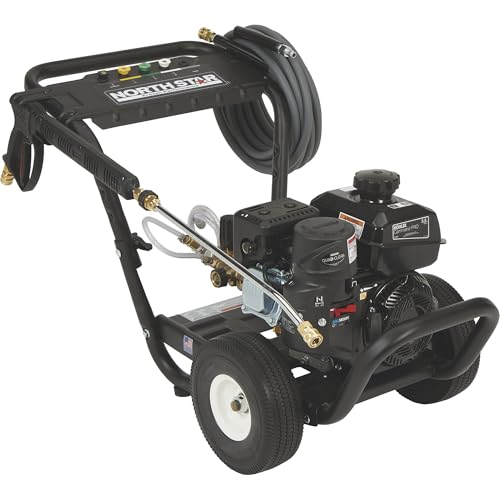
Homeowners seeking maximum power without overspending will appreciate the DeWalt 3300 PSI Gas Pressure Washer, 2.4 GPM as our top value recommendation. It combines a reliable 208cc engine with a rugged powder-coated steel frame and smooth pneumatic wheels, making residential cleanup effortless. For those who want proven commercial engineering with effortless maintenance, the NorthStar Gas Cold Water Pressure Washer offers an outstanding Kohler Command PRO power plant.
Budget-conscious DIYers tackling seasonal deck and siding chores should consider the Simpson Clean Machine 3400 PSI Gas Pressure for balanced domestic cleaning power. Just like planning upgrades with our kitchen renovation appliance guide, investing in quality outdoor tools pays dividends in reliability. Choose the machine that fits your cleaning routine and enjoy pristine outdoor spaces all year long.
Frequently Asked Questions
What makes the Best Cold Water Gas Pressure Washers of 2026 different from electric models?
Gas-powered units deliver significantly higher pressure ratings and water flow volumes compared to standard 120-volt electric washers. They operate completely independently of wall outlets, allowing you to clean remote fences, long driveways, and large properties freely. This higher cleaning power cuts project completion times significantly.
How often should I change the engine oil in a gas pressure washer?
Most manufacturers recommend performing the first engine oil change after a 5-hour initial break-in period. Following break-in, replace the crankcase oil every 50 hours of operation or at the beginning of each spring cleaning season. Fresh SAE 10W-30 or 5W-30 oil prevents internal friction wear and extends engine life.
Can I run hot water through a cold water gas pressure washer?
Running hot water through a standard cold water pressure washer will quickly damage the rubber internal pump seals and brass check valves. Cold water pumps rely entirely on the incoming water supply to cool the pumping chamber during operation. Only dedicated hot water machines featuring internal heating coils can safely tolerate high water inlet temperatures.
What type of fuel should I use in my gas power washer?
Use clean, unleaded gasoline with an octane rating of 87 or higher and an ethanol content of 10 percent or less. High-ethanol blends can degrade rubber carburetor components, attract ambient moisture, and cause starting issues after storage. Adding a quality fuel stabilizer keeps stored gasoline fresh throughout extended winter downtime.
What is the purpose of the thermal relief valve on the pump?
A thermal relief valve releases small squirts of superheated water when the machine idles with the trigger released. This allows cooler water from the garden hose to enter the pump manifold, preventing heat buildup from melting internal seals. It serves as a vital safety barrier against costly pump burnout.
Which spray nozzle is best for cleaning wooden decks and fences?
The 40-degree white nozzle or 25-degree green nozzle is ideal for washing soft wood surfaces without leaving gouges. Narrower nozzles concentrate excessive pressure into a tight beam that can splinter wood grain and permanently scar deck boards. Always maintain a consistent spray distance of at least 12 inches from the wood.
Can I pull water directly from a standing barrel or pond?
Most standard axial and triplex pumps require positive head pressure from a pressurized garden spigot to operate without cavitation. Drawing water from a static barrel requires a specialized gravity-feed kit or an auxiliary priming pump. Running a standard pressure washer without adequate inlet water supply can ruin internal pump pistons within seconds.
How do I prepare my gas pressure washer for winter storage?
Drain the fuel tank or treat remaining gasoline with stabilizer, then run the engine until the carburetor bowl empties completely. Disconnect all hoses and inject an aerosol pump protector solution directly into the water inlet until it exits the outlet port. This prevents leftover water from freezing, expanding, and cracking the brass pump manifold.
What is the difference between rated PSI and maximum PSI?
Rated PSI indicates the sustained, continuous working pressure that the machine maintains during ongoing cleaning operations. Maximum PSI represents the momentary peak pressure spike achieved when the spray trigger is first pulled. Always evaluate equipment performance based on rated working figures rather than peak burst claims.
Can I use bleach or harsh chemicals through the onboard detergent siphon?
Never run household bleach, caustic acids, or solvent-based chemicals through an onboard detergent tank or chemical injector. Harsh chemicals corrode brass fittings, degrade rubber O-rings, and destroy spring-loaded siphon check balls. Only use cleaning detergents that are explicitly formulated for pressure washer injection systems.





Write Your Review
No reviews yet. Be the first to share your experience!