

Plumbing mishaps and hidden pipe leaks can destroy drywall, warp hardwood flooring, and ruin baseboards before anyone notices standing water. Investing in modern leak detectors allows property owners to catch dripping pipes, overflowing basins, or failing appliances early. Our comprehensive guide assesses 5 top-tier monitoring options in September 2026 to help safeguard your living spaces from devastating water damage.
A sudden appliance overflow often leads to thousands of dollars in restoration costs and frustrating insurance claims. Exploring our Home & Living resources provides valuable context on protecting interior structures and finishes from unexpected moisture buildup. We analyze how cutting-edge standalone hardware balances probe sensitivity, wireless transmission range, and audible alarm volume.
Choosing between standalone sensors and integrated ecosystem detectors depends on your specific floor plan and existing wireless infrastructure. Throughout this guide, we evaluate standalone units from SwitchBot, YoLink, GoveeLife across a wide $16.99 – $92.97 spectrum. You will gain actionable insights on probe sensitivity, battery longevity, physical durability, and real-time smartphone notification reliability.
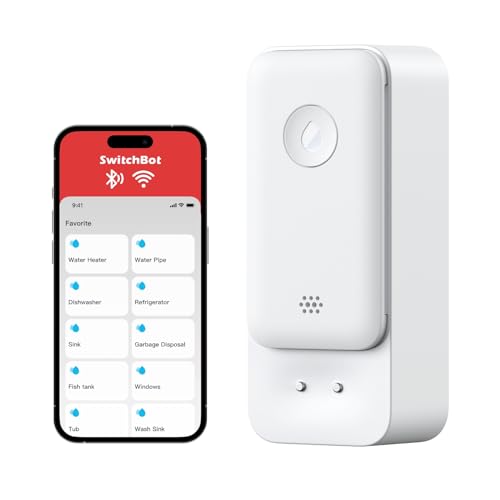
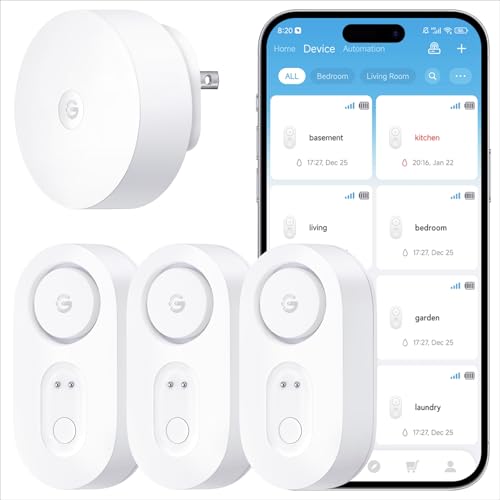
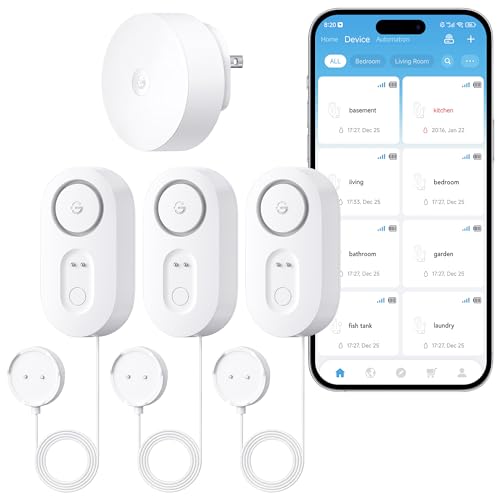


How to Choose the Best Standalone Smart Water Sensors
Wireless Connectivity and Transmission Range
Wireless transmission range dictates whether your detector can relay emergency alerts from distant basements, crawlspaces, or utility rooms. Direct Wi-Fi models connect straight to standard 2.4GHz home routers without requiring secondary hardware bridges or gateways. In contrast, specialized sub-gigahertz and LoRa radio protocols transmit signals across hundreds of feet through solid concrete and exterior walls.
Thick masonry foundations, metal ductwork, and dense building materials rapidly degrade standard Wi-Fi signals in subterranean spaces. Long-range proprietary radio technologies easily penetrate multiple structural partitions to secure detached garages, workshops, and distant pump sheds. Mapping out your home layout helps you determine whether direct Wi-Fi convenience or extended radio penetration matches your structural requirements.
As a rule of thumb, direct Wi-Fi detectors work well when placed within fifty feet of an unobstructed central router. For sprawling multi-story residences or remote basement corners, choose extended-range sub-gigahertz or LoRa hardware paired with a dedicated gateway.
Sensor Probe Design and Detection Sensitivity
Sensor probe design determines how rapidly a unit detects pooling water or micro-drips originating from failing pipe fittings. Quality detectors feature precision gold-plated contact pins on the bottom casing alongside auxiliary top-mounted probes for multidirectional detection. Advanced models can detect standing moisture layers as thin as 0.5 millimeters to catch small leaks before pooling spreads.
Elevated probes or poorly spaced contact terminals can allow puddles to accumulate significantly before an electrical circuit completes. Flexible extension probe cables offer tremendous utility by slipping beneath low-profile washing machines, dishwasher kickplates, and sump pump basins. Dual-surface contact designs also detect dripping condensation falling from overhead copper pipes onto the top of the sensor casing.
If you are upgrading utility rooms alongside kitchen improvements, reviewing our kitchen renovation appliance lineup guide will help you organize tight appliance spaces for optimal sensor probe placement. Prioritize hardware with tethered extension cables for awkward, low-clearance recesses.
Audible Alarm Decibels and Local Alerting
On-site audible alarms provide instantaneous notification when you are inside the home, removing complete reliance on smartphone push alerts. An ear-piercing siren rated between 100 dB and 105 dB easily cuts through background noise, active laundry cycles, and closed doors. This immediate sound alert allows occupants to shut off localized isolation valves before flooding escalates.
Different installation environments benefit from adjustable volume parameters to prevent severe distress during periodic testing or accidental splashes. Premium detectors feature multi-level volume settings, allowing you to customize output from gentle chimes up to maximum emergency volume. Modern companion apps also allow you to silence active sirens with a single screen tap once a leak is discovered.
Always verify that you can clearly hear the sensor siren from upper-floor bedrooms while running noisy household appliances downstairs. If a detector produces less than 90 dB of output, the alarm may fail to wake sleeping occupants during midnight plumbing failures. Select loud, high-frequency sounders that project sound efficiently through closed floorboards.
Multi-Channel Remote Alerts and Mobile Notifications
Remote notification capabilities ensure you receive urgent warnings even when traveling far away from your primary residence. Standard mobile app push notifications deliver instant visual banners and audio pings directly to your mobile screen. Top-tier hardware complements push notifications with automated SMS text messages and email dispatches for redundant delivery.
Relying exclusively on standard push notifications can be hazardous if your smartphone operates in focus or do-not-disturb modes. Multi-channel delivery allows family members, trusted neighbors, or property managers to receive simultaneous alert notifications during unexpected emergencies. Many leading brands provide free lifetime SMS and email alerts without locking emergency features behind paid monthly subscriptions.
Check whether your preferred sensor application supports critical alert permissions on your mobile operating system. Critical alert access allows high-priority water alarms to bypass silent switches and volume limits on your smartphone. This guarantee ensures that urgent flood warnings wake you up during nighttime emergencies.
Battery Longevity and Power Management
Battery longevity determines how reliably a moisture sensor operates over multi-year deployment periods without frequent maintenance. Energy-efficient leak detectors utilize low-drain radio chipsets that allow standard AAA or coin cell batteries to last between two and five years. Extended battery life minimizes the risk of a sensor dying quietly while you are away on long trips.
Replacing batteries frequently across dozens of sensors located in cramped crawlspaces quickly becomes frustrating and expensive. Intuitive companion mobile applications display real-time battery percentages and push proactive warning reminders months before cells completely drain. Standard AAA batteries offer superior convenience and affordability compared to specialized lithium coin cells when replacement time arrives.
Make it a habit to check your sensor battery levels during seasonal home maintenance routines alongside reviewing our Heating, Cooling & Air maintenance checklists. Routine semi-annual checks ensure that utility monitors remain fully operational before cold winter freezes stress home plumbing.
Water Ingress Protection and Submersion Durability
Ingress protection ratings define whether a leak detector can survive complete water submersion during sudden basement flooding events. An IP67 waterproof certification guarantees that internal circuit boards remain sealed against moisture intrusion, dirt, and temporary underwater immersion. Without adequate waterproof sealing, a submerged detector can short-circuit and stop transmitting critical alert updates.
Durable outer shells constructed from high-grade ABS plastic resist high humidity, corrosive utility environments, and accidental kicks. Sensors deployed in damp crawlspaces must withstand temperature swings without suffering condensation damage or triggering false alarms. High-quality silicone gaskets around battery compartments keep internal contact terminals completely free from oxidation and rust.
Avoid placing non-rated or unsealed electronic alarms in locations prone to severe moisture or heavy condensation buildup. Look for smooth, sealed enclosures that can be dried with a towel and immediately reset for continuous reuse. Durable, reusable hardware provides dependable protection for years without requiring sensor replacement after a single spill.
Smart Home Ecosystem Integration and Automation
Smart home interoperability transforms passive moisture detectors into proactive, automated home defense systems. Leading standalone sensors support third-party integrations with platforms like Amazon Alexa, Google Assistant, IFTTT, and Home Assistant. When moisture is detected, automated smart routines can instantly turn off smart plugs connected to washing machines or water pumps.
Advanced wireless setups utilize local device-to-device communication protocols to trigger motorized main shutoff valves even during broadband internet outages. If severe storm weather knocks out your home router, direct local radio pairing ensures that your main water supply shuts down automatically. Smart automations can also turn interior lights bright red to notify occupants who may be hard of hearing.
Examine your existing smart home hub setup before purchasing to ensure seamless protocol compatibility and routine automation support. Verify whether the sensor exposes its binary moisture status directly to your central smart home controller. Direct platform integration allows for custom automations tailored precisely to your household routine.
Physical Form Factor and Placement Flexibility
Physical dimensions dictate where a water sensor can physically fit around cramped appliances, cabinets, and plumbing risers. Ultra-compact, low-profile pucks slide smoothly beneath refrigerators, washing machines, low bathroom vanities, and water heater drip pans. Bulky rectangular units often struggle to fit into tight utility recesses where pinhole leaks frequently begin.
Placement versatility increases significantly when hardware includes integrated wall mounting brackets and long tethered probe leads. Wall-mounted transmitters keep primary wireless antennas elevated off the ground while thin wire probes drop into deep sump pits. This split layout prevents wireless signal degradation caused by surrounding steel water tanks and metal appliance frames.
Measure the vertical clearance beneath your major home appliances before finalizing your sensor hardware choices. For narrow vertical gaps under one inch, select models featuring extension probe leads so the main transmitter remains safely accessible.
Offline Functionality and Heartbeat Monitoring
Offline failsafe mechanisms protect your home when severe weather knocks out local electrical power or internet service. Detectors equipped with loud integrated sirens continue sounding local alarms even if Wi-Fi connections drop out completely. Certain advanced hubs offer battery backup power and cellular fallback communication to bridge severe utility blackouts.
Reliable companion mobile apps feature continuous heartbeat monitoring to notify you whenever a sensor loses communication with the network. If an accidental kick or dead battery takes a remote sensor offline, cloud servers alert you promptly rather than leaving undetected coverage gaps. This active pinging ensures your leak detection network remains operational around the clock.
Choose platforms that push automatic offline warning alerts within thirty minutes of lost communication. Pairing battery-backed gateway hardware with loud local sirens provides complete peace of mind across all vulnerable plumbing zones.
| Connectivity Protocol | Typical Wireless Range | Expected Battery Life | Recommended Installation Area | Offline Siren Support |
|---|---|---|---|---|
| Direct 2.4GHz Wi-Fi | 50 to 100 Feet | 1 to 2 Years | Kitchen Sinks, Laundry Rooms, Vanities | Yes (Built-in) |
| Sub-1GHz RF Gateway | 1,000 to 1,800 Feet | 3 to 5 Years | Basements, Sump Pits, Water Heaters | Yes (Sensor & Hub) |
| LoRa Long-Range | 1,300+ Feet (Open Air) | Up to 5 Years | Detached Garages, Outbuildings, Crawlspaces | Yes (105 dB Siren) |
| Outdoor Smart Timer Hub | Up to 1,600 Feet | Seasonal Operation | Exterior Hose Bibs, Garden Irrigation | App & Cloud Alerts |
Why You Should Trust Us
Our editorial team evaluates smart home hardware, safety devices, and property monitoring equipment through meticulous specification analysis and feature benchmarking. We systematically compare wireless communication protocols, sound decibel ratings, battery efficiency metrics, and waterproof certifications across competing manufacturing brands.
We analyze verified technical documentation, real-world user feedback patterns, and companion app update histories to ensure our insights reflect long-term reliability. By assessing connection stability, false alarm resistance, and customer support responsiveness, we filter out unreliable hardware to present only high-performing devices.
Our evaluations remain completely objective, transparent, and focused on practical protection for homeowners and renters. We continually update our recommendations as communication standards and smart home platforms evolve, delivering accurate buying guidance you can depend on.
Final Thoughts
Selecting the right water leak detector provides essential protection against catastrophic plumbing failures and structural wood rot. For comprehensive multi-zone coverage with extended reach, the GoveeLife Upgraded Smart Water Leak Detector 1s stands out as our top recommendation. Its flexible extension cable easily accesses tight appliance gaps, while its impressive 1804-foot Sub-1G wireless range, 5-year battery longevity, and piercing 105 dB siren deliver exceptional reliability.
If you prefer a budget-friendly standalone solution that requires no intermediate hub, the SwitchBot WiFi Water Sensor is our premier value pick. It connects directly to your 2.4GHz Wi-Fi network, features ultra-sensitive 0.5-millimeter detection probes, and sounds a potent 100 dB alarm with app-controlled silencing.
For expansive properties, outbuildings, or heavy-duty smart automations, the YoLink Water Leak Starter Kit offers unmatched long-range LoRa connectivity and offline valve shutoff capabilities. Its plug-and-play architecture supports hundreds of connected devices across massive properties without losing signal integrity.
Before making your final choice, explore our comprehensive buying guides and Furniture & Comfort articles to discover additional ways to protect and enhance your home environment. Investing in reliable leak sensors today ensures your property remains safe and dry for years to come.
Frequently Asked Questions
Where is the most critical location to place a smart water sensor?
The most critical locations are beneath water heaters, behind washing machines, under kitchen sink plumbing traps, and adjacent to basement sump pits. These areas experience constant water pressure and frequent mechanical wear, making them primary origins for costly leaks.
How do smart water sensors detect moisture without short-circuiting?
Smart detectors utilize exposed metal contact pins on their base that form an open electrical circuit under normal dry conditions. When water touches two pins simultaneously, the liquid conducts a tiny low-voltage current that closes the circuit and triggers the internal alarm.
Can smart water leak detectors work during an internet outage?
Yes, quality smart leak sensors continue sounding their loud on-site sirens during internet outages to alert anyone inside the home. Furthermore, systems with local device-to-device radio communication can still close automated water shutoff valves without an active internet connection.
What makes the Best Standalone Smart Water Sensors indispensable in 2026?
Modern standalone detectors combine multi-year battery life, sub-millimeter leak sensitivity, and instant smartphone notifications without expensive subscription fees. They allow homeowners to protect vulnerable plumbing zones easily without rewiring walls or hiring specialized contractors.
How often do you need to replace batteries in smart water sensors?
Most energy-efficient smart sensors operate between two and five years on a single set of standard AAA or lithium coin cell batteries. Companion mobile applications track battery levels continuously and issue push notifications well before the power drops to critical levels.
Do smart leak sensors require a monthly subscription fee for alerts?
Most leading standalone moisture sensors offer free push notifications, emails, and SMS text alerts without demanding ongoing monthly subscriptions. You only pay the upfront hardware cost to enjoy full mobile monitoring and smart ecosystem features.
How does an extension cable probe improve leak detection?
An extension cable allows you to slip an ultra-slim sensing probe into tight gaps beneath dishwashers or deep inside sump pump basins. Meanwhile, the main sensor body remains mounted on an adjacent wall to maintain strong wireless signal transmission.
Can smart water sensors trigger an automatic main water shutoff valve?
Yes, many smart sensor platforms can be paired with motorized smart water shutoff valves using local radio protocols or smart home automations. When a sensor detects pooling moisture, it commands the shutoff valve to close immediately, stopping active flooding in seconds.
What is the difference between direct Wi-Fi and sub-gigahertz sensors?
Direct Wi-Fi sensors connect straight to your home router without needing a bridge, making them ideal for small living spaces. Sub-gigahertz sensors communicate with a dedicated gateway using low-frequency radio waves, providing vastly superior signal range through dense concrete walls.
Which features define the top-rated option among Best Standalone Smart Water Sensors in 2026?
The top options combine IP67 waterproof durability, loud 100-plus decibel sirens, multi-year battery performance, and redundant notification methods including push alerts, emails, and SMS. They also offer flexible mounting configurations to fit any home layout.





Write Your Review
No reviews yet. Be the first to share your experience!