

Living rooms present unique challenges for home theater enthusiasts because windows and ambient lighting wash out standard projection displays. Modern ultra-high-definition projection technology now delivers incredible lumen output and color saturation that rivals traditional television panels.
Choosing among Best 4K Projectors for Living Rooms in September 2026 requires balancing brightness ratings, room placement flexibility, and gaming responsiveness across 5 leading options. Installing proper window treatments such as blackout roller shades can further elevate your daytime viewing experience.
Many buyers struggle with washed-out contrast or complicated throw calculations when moving from conventional televisions to massive projection screens. Our comprehensive guide cuts through technical marketing jargon to help you select a dependable system tailored to your daily entertainment needs.

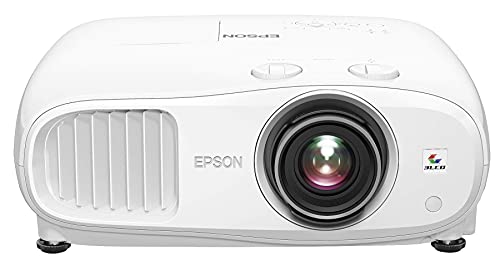
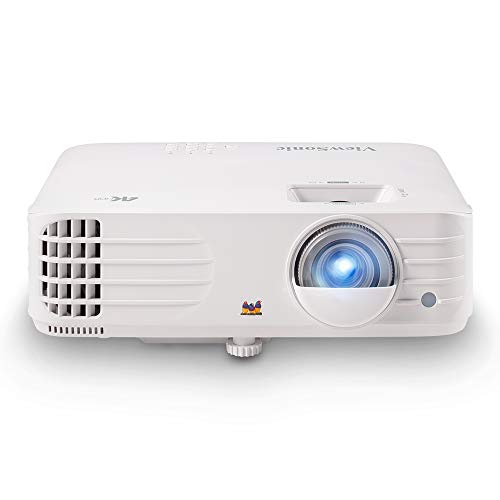

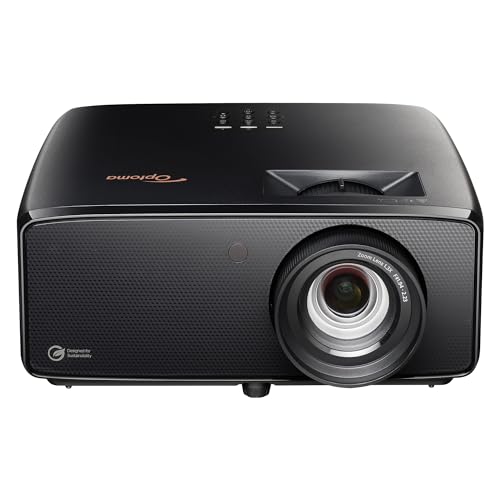
Buying Guide for Best 4K Projectors for Living Rooms
Ambient Light Output and ANSI Lumen Ratings
Living room environments rarely feature the total blackout conditions found in dedicated basement cinema rooms. Ambient daylight and interior lighting fixtures will quickly wash out weak images, turning vibrant colors into dull grey shadows.
When evaluating brightness specifications, look specifically for ANSI lumen ratings or equal color and white brightness figures. A projector intended for living spaces should deliver a minimum of 2500 lumens, while bright open-concept spaces thrive with 3000 to 5500 lumens.
As a practical rule of thumb, multiply your target screen area in square feet by fifty to determine baseline lumen requirements. Pairing a high-lumen unit with an ambient light rejecting screen will preserve rich saturation throughout bright daylight hours.
Projection Technology: 3LCD vs DLP Engines
The underlying display engine dictates how your unit generates colors and handles rapid motion across massive screens. Single-chip DLP models utilize digital micromirror devices and spinning color wheels, whereas 3LCD systems split light across three dedicated chips.
DLP systems offer razor-sharp image clarity and rapid pixel response times that appeal directly to competitive console gamers. Some sensitive viewers may notice a rainbow effect in high-contrast scenes when watching single-chip DLP hardware.
In contrast, 3LCD engines produce equal color brightness and white brightness without any distracting rainbow artifacts. Review your family viewing habits before deciding, especially if anyone in your household experiences sensitivity to sequential color breakup.
Light Source Architecture: Laser Diode vs Traditional Lamp
Modern display units utilize either high-pressure mercury bulbs or solid-state laser diode arrays to generate raw illumination. Traditional lamps provide lower entry costs but lose luminosity gradually and require bulb replacements every few thousand hours.
Solid-state laser engines turn on almost instantly and maintain consistent brightness levels over twenty thousand operating hours. Laser models also produce wider color gamuts and require virtually zero maintenance over their entire operational lifetime.
If your living space serves as the primary family entertainment hub for daily streaming, laser illumination offers superior long-term reliability. Lamp-based units remain sensible choices for occasional evening movie nights or buyers working within stricter hardware budgets.
Throw Distance and Optical Zoom Versatility
Throw distance defines the physical gap between your projector lens and the surface of your viewing screen. Standard throw lenses require ten to fifteen feet of clearance to project a standard one-hundred-inch display diagonal.
Optical zoom mechanisms expand installation flexibility by letting you resize images without physically relocating the mounting hardware. A generous zoom ratio like 1.6x or 1.7x accommodates diverse architectural layouts without forcing awkward furniture arrangements.
Always calculate your room dimensions using manufacturer throw charts before purchasing hardware or mounting ceiling brackets. Checking our detailed guides can help you measure viewing distances and optimize seating sightlines properly.
Physical Lens Shift and Geometric Image Alignment
Aligning a massive display perfectly to your projection screen requires precise optical control and geometric adjustments. Optical lens shift physically moves the internal glass elements to reposition pictures without distorting individual pixels.
Digital keystone correction alters the image electronically to square up trapezoidal angles caused by off-center mounting positions. While digital keystone solves cosmetic skewing, excessive digital processing degrades picture resolution and introduces subtle compression artifacts.
Prioritize models equipped with vertical and horizontal physical lens shift for the cleanest possible picture quality. Reserve digital keystone and four-corner geometry tools for minor adjustments when physical placement obstacles cannot be avoided.
High Dynamic Range Processing and Tone Mapping
High dynamic range formats like HDR10 and HLG expand the luminance range between deep shadows and specular highlights. Projectors cannot match the peak nit output of direct-view displays, making onboard tone mapping critical for balanced reproduction.
Advanced picture processors analyze incoming video signals frame by frame to compress highlight data without crushing shadow details. Look for 10-bit color decoding and multi-step HDR curve adjustments to tailor performance to your specific media.
When evaluating HDR specs, ensure the unit accepts full eighteen gigabits per second or HDMI 2.1 bandwidth. Proper bandwidth ensures smooth sixty-hertz playback with uncompressed ten-bit color depth during premium cinematic streaming.
Gaming Performance: Refresh Rates and Input Latency
Modern living room entertainment systems frequently double as big-screen gaming hubs for current-generation consoles and personal computers. High input lag turns fast-paced action titles into sluggish and frustrating experiences on massive projection displays.
Dedicated gaming projectors now achieve refresh rates up to 240Hz with input latency dropping down to four milliseconds. Look for dedicated gaming modes that bypass heavy image processing pipelines when responsive controller feedback is critical.
Casual story-driven games play comfortably around thirty milliseconds of latency, but competitive multiplayer titles demand sixteen milliseconds or lower. Verify that your chosen hardware supports high frame rates at full resolution before finalizing your home theater setup.
Contrast Ratios and Room Lighting Management
Dynamic contrast ratios indicate the luminance difference between the brightest white highlight and the darkest shadow area. Dynamic black controls and mechanical iris systems adjust light output in real time to deepen dark movie scenes.
While marketing specifications boast contrast figures exceeding one hundred thousand to one, real-room contrast depends heavily on ambient light. In untreated family rooms, stray light bouncing off pale walls naturally degrades perceived black floor performance.
For superior dark-room viewing in multipurpose spaces, consider adding tailored decorative accents or drapery from our home living collection. Controlled light reflection lets dynamic contrast technologies deliver richer cinematic depth during nighttime viewings.
| Room Lighting Condition | Target ANSI Lumens | Recommended Engine | Primary Feature Priority |
|---|---|---|---|
| Dedicated Dark Room | 2,000 – 2,500 Lumens | 3LCD or Laser | High Contrast and Lens Shift |
| Moderate Ambient Light | 3,000 – 3,500 Lumens | Laser or DLP | Dynamic Tone Mapping |
| Bright Daylight Space | 4,000 – 5,500 Lumens | High-Output Laser | ALR Screen Compatibility |
| Active Family Gaming Den | 3,200 – 4,000 Lumens | High-Refresh DLP | Low Input Lag and 240Hz Mode |
Acoustic Fan Noise and Thermal Dissipation
High-powered projection engines generate substantial internal heat that requires continuous active fan cooling during operation. In a quiet living room setting, loud fan whirring can disrupt delicate movie dialogue and intimate acoustic moments.
Check acoustic noise ratings measured in decibels, focusing on operational volume in both standard and eco modes. Premium home cinema units maintain whisper-quiet sound profiles between twenty-four and twenty-eight decibels under normal loads.
Select units with rear or front ventilation designs that allow adequate clearance from walls and ceiling surfaces. Proper airflow management keeps internal temperatures low, preserving optical clarity while keeping operating noise unobtrusive.
Why You Should Trust Us
Our editorial team evaluates projection technology through rigorous analysis of optical hardware, verified manufacturer performance data, and real-world environment testing. We compare brightness output, color space reproduction, and input latency to identify systems that thrive in authentic living spaces.
We maintain complete editorial independence by avoiding sponsored product placements and analyzing competitive hardware across multiple price points. Our recommendations rely on measurable optical specifications and user satisfaction trends gathered across thousands of entertainment installations.
By tracking firmware updates, light source longevity standards, and emerging connection protocols, we provide dependable buying advice you can trust. We continuously update our evaluation criteria to reflect modern streaming and gaming advancements.
Final Thoughts
Selecting the right display system transforms your shared family space into a versatile entertainment center for movies, sports, and gaming. Evaluating your room lighting conditions and physical mounting distances will guide you toward the most practical choice.
For cinema purists seeking uncompromising image quality and motorized lens flexibility, the Epson Home Cinema LS11000 4K PRO-UHD Laser serves as our best overall recommendation. Its precision glass optics and laser array provide stellar color accuracy and deep contrast in refined living spaces.
If you need exceptional value and lightning-fast responsiveness for gaming sessions, the ViewSonic PX701-4K UHD Projector, 3200 Lumens delivers incredible performance per dollar. For expansive spaces with abundant windows, the ViewSonic LS901-4K 4K UHD Laser Projector 5500 punches through daylight effortlessly.
Before completing your installation, explore our recommendations for hanging drapery using a sturdy curtain rod to optimize ambient lighting. Taking time to dial in your room acoustics and optics guarantees years of captivating entertainment.
Frequently Asked Questions
How many lumens do I need for a living room projector?
A living room with moderate ambient light generally requires at least 3,000 ANSI lumens for clear viewing. If your space features large uncovered windows, stepping up to 4,000 or 5,500 lumens prevents daytime image wash.
What makes Best 4K Projectors for Living Rooms perform well in 2026?
Modern units combine high-output solid-state laser engines with dynamic tone mapping to combat ambient room light. They also incorporate high refresh rates and ultra-low input latency to handle fast-paced gaming seamlessly.
Can I use a 4K projector to replace my main living room television?
Yes, laser-driven projectors offer instant power activation and twenty thousand hours of lamp-free lifespan for daily use. Pairing the projector with an ambient light rejecting screen ensures vivid pictures during routine daytime television viewing.
What is the difference between native 4K and pixel-shifting 4K?
Native 4K displays utilize physical panels with 8.3 million distinct micro-pixels to generate full resolution directly. Pixel-shifting technology rapidly moves high-definition pixels across positions to produce an identical 8.3-million-pixel image at a lower manufacturing cost.
Do I need a special screen for a 4K living room projector?
While standard white walls work, an ambient light rejecting screen significantly enhances contrast and color saturation. Specialized screen materials reflect projector light directly toward viewers while deflecting stray light coming from windows and lamps.
How does ambient room lighting affect 4K HDR performance?
Stray ambient light raises the black floor in dark scenes, which diminishes the perceived dynamic range of HDR content. High-lumen projectors with active tone mapping compensate by boosting highlight brightness to preserve overall visual contrast.
Is a laser projector better than a traditional lamp projector for family rooms?
Laser projectors turn on instantly and eliminate the ongoing cost and hassle of periodic bulb replacements. They maintain stable color accuracy and brightness over years of heavy daily streaming and video gaming.
What is a good input lag number for gaming on a 4K projector?
Casual console gamers will find input latency below thirty-five milliseconds completely playable and responsive. Competitive gamers playing multiplayer action games should seek dedicated gaming models offering four to sixteen milliseconds of input lag.
How far should my projector be from a 100-inch screen?
Standard throw projectors typically sit between eight and twelve feet away from a one-hundred-inch screen surface. Units equipped with wide optical zoom lenses offer extra positioning flexibility to match existing room dimensions.
Can I mount a 4K living room projector on the ceiling?
Most home cinema projectors include inverted mounting screw patterns and software image inversion for ceiling installation. Using an adjustable ceiling bracket keeps the projector safe from foot traffic while maintaining clean cable management.




Write Your Review
No reviews yet. Be the first to share your experience!