

Mastering authentic stir fry requires extreme thermal energy that standard home stovetops cannot provide. Commercial stir fry stations produce concentrated flames that vaporize moisture instantly and impart the signature smoky aroma known as wok hei. We analyzed 7 models in September 2026 to help chefs and serious home cooks choose dependable, high output equipment.
Selecting specialized gas cooking hardware involves complex decisions regarding fuel supply, burner tip geometry, and structural sanitation. Many buyers struggle with ventilation requirements or select inadequate gas lines that choke burner performance. Check our guide on kitchen renovation appliance lineups to align your gas and plumbing layout before purchasing heavy equipment.
This guide evaluates top options from cooler depot, Elite Kitchen Supply, Concord and more to pinpoint reliable, efficient cooking stations across various kitchen footprints. We cut through marketing claims to highlight certified, safe, and durable appliances designed for demanding daily culinary workloads.
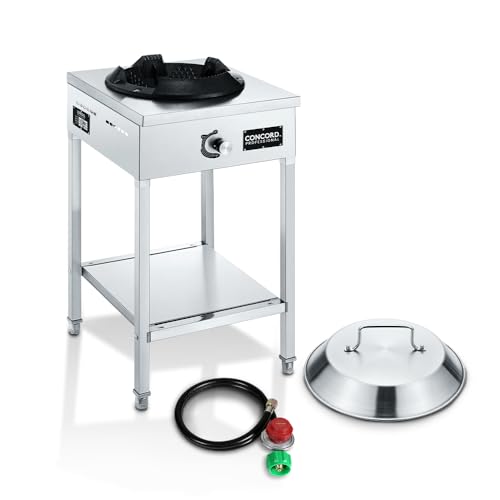

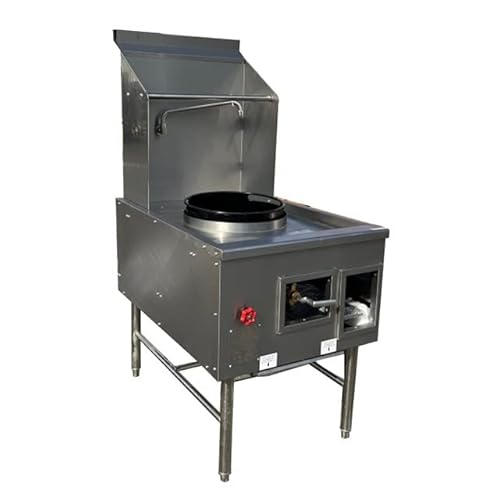


BTU Output and Jet Tip Configuration
British Thermal Units measure the total heat output generated by your burner per hour. Authentic stir fry technique requires between 95,000 and 220,000 BTU to maintain pan temperature when cold ingredients hit the steel. Insufficient heat causes meat and vegetables to boil in their own juices rather than sear rapidly.
Burner head architecture determines how effectively that raw power transfers to the curved bottom of your wok pan. Multi tip jet configurations, typically ranging from 18 to 28 brass or cast tips, create a focused cone of fire. These specialized arrays prevent thermal dispersion and channel heat directly into the cooking zone.
As a practical rule, choose an 18 tip jet burner producing around 95,000 to 125,000 BTU for single pan operations in modest spaces. High volume commercial kitchens should step up to 28 tip assemblies rated for 200,000 BTU or more. Balancing raw firepower with your available exhaust capacity prevents dangerous heat accumulation in the cooking area.
Fuel Type Compatibility and Gas Pressure Regulation
Gas wok stations operate on either Natural Gas or Liquid Propane, and these two fuel systems are not interchangeable without specific orifice modifications. Propane burns hotter and operates at higher pressure, while natural gas relies on municipal utility line connections. Purchasing a unit pre configured for your intended supply avoids dangerous gas leaks and costly plumbing retrofits.
Operating pressure is measured in inches of Water Column to ensure consistent flame velocity and complete combustion. Most commercial natural gas setups require approximately 10.0 inches Water Column operating pressure with a 3/4 inch NPT rear connection. Propane systems demand dedicated high pressure regulators to deliver sufficient fuel volume safely without surging.
Always verify the diameter of your kitchen supply pipe before selecting high consumption equipment. A 200,000 BTU burner connected to an undersized 1/2 inch gas line will suffer from severe pressure drops whenever the valve opens fully. Ensure your gas meter and supply piping can deliver the combined peak load of all connected appliances.
Wok Chamber Ring Diameter and Pan Seating
The steel or cast iron ring collar welded to the stovetop defines the maximum size of wok pan you can safely balance. Standard chamber rings measure 13 inches or 16 inches in diameter, each tailored to specific culinary techniques. A poorly matched wok slips inside the opening or blocks oxygen flow to the intense jet burner below.
A 13 inch ring accommodates 14 to 16 inch round bottom woks, which represents the standard size for fast single portion dishes. Larger 16 inch chambers support heavy 18 to 22 inch catering pans designed for batch cooking and high volume noodle frying. Cast iron ring collars absorb and radiate thermal energy, stabilizing heat around the wok skirt.
Calculate your daily throughput to choose the right chamber dimensions. Multi hole ranges often pair a primary 16 inch ring with secondary 13 inch openings for simultaneous searing and sauce reduction. Ensure the ring includes front sloping contours to facilitate ergonomic wrist tilting during continuous stir fry tossing.
Waterfall Cooling Systems and Top Surface Drainage
Operating continuous jet burners generates radiant heat that transfers quickly across the stainless steel deck of the stove. Commercial ranges solve this problem by incorporating a continuous sheet of running water, known as a waterfall cooling system. The thin water film absorbs excess heat and shields the metal chassis from warping under high thermal stress.
The running water stream also sweeps spilled oils, starch, and food debris directly into a recessed rear or front drain channel. This continuous flushing mechanism prevents grease from baking onto hot metal surfaces during long shifts. It dramatically reduces fire hazards and cuts kitchen closing sanitation time to mere minutes.
Installing a waterfall cooled range requires a dedicated cold water inlet line and an open floor drain connection. If your workspace lacks dedicated plumbing infrastructure, you must select dry top units with insulated chassis panels instead. Verify water flow control valves before daily service to prevent overflow onto kitchen floors.
Chassis Construction and Stainless Steel Durability
Heavy duty cooking equipment requires structural integrity to withstand the physical impact of weighted steel pans slamming against the frame. Premium ranges feature heavy gauge stainless steel on the front fascia, side panels, and internal structural supports. High grade alloys resist oxidation from acidic sauces, salt steam, and continuous moisture exposure.
Look for fully welded seam construction rather than bolted sheet metal tabs. Welded joints eliminate internal gaps where grease, moisture, and pests can accumulate over years of use. Reinforced cabinet legs with adjustable non slip bullet feet ensure the entire station remains stable on sloping commercial quarry tile floors.
Inspect the gauge thickness of the top deck plating before buying. Commercial units should utilize 14 to 16 gauge stainless steel around the burner collar to prevent buckling under rapid thermal expansion. Review our expert kitchen equipment guides for additional insights on selecting commercial grade metal hardware.
Burner Technology and Heating Profiles
Different burner designs generate distinct thermal profiles suited for specific cooking styles. Jet tip burners distribute gas through discrete nozzles to create an aggressive, upward rushing column of fire. In contrast, vortex burners introduce angled air fuel mixture ports that spin the flame into a swirling vortex bowl.
| Burner Design | Typical BTU Range | Primary Fuel | Key Benefit | Best Application |
|---|---|---|---|---|
| 18-Tip Multi Jet | 95,000 – 120,000 | Natural Gas / Propane | Fast heat recovery | Standard restaurant lines |
| 28-Tip Multi Jet | 125,000 – 220,000 | Natural Gas | Maximum searing power | High volume Cantonese stir fry |
| Angled Vortex Burner | 65,000 – 100,000 | Propane Only | Uniform heat wrap | Outdoor kitchens and food trucks |
| Atmospheric Ring | 45,000 – 80,000 | Natural Gas | Quiet low simmer control | Broth prep and sauce warming |
Vortex designs wrap heat around the sides of the wok more evenly, which reduces hot spots during delicate noodle preparation. Multi tip jet burners concentrate sheer energy at the absolute center, perfect for flash searing meats in seconds. Choose the burner profile that matches your dominant menu items and kitchen ventilation capacity.
Consider the noise generated by each burner style during sustained operation. Jet burners create a roaring sound that requires proper acoustic planning in compact open concept kitchens. Vortex and atmospheric units operate significantly quieter while still providing robust cooking power for outdoor catering.
Sanitation Standards and Commercial Certifications
Commercial cooking equipment must meet rigorous health department codes before passing final facility inspections. Certifications from bodies like NSF International and ETL Sanitation confirm the machine uses food safe materials and smooth, cleanable geometry. Operating uncertified appliances can lead to mandatory kitchen shutdowns or voided insurance coverage.
ETL Listed marks verify electrical and gas safety compliance under standardized national engineering testing protocols. These units incorporate certified internal gas manifolds, approved shutoff valves, and safe clearance ratings. Uncertified import stoves often lack proper internal thermal shielding and pose catastrophic fire risks.
Always inspect product documentation for official ETL or NSF compliance badges before ordering. If your establishment operates inside a mobile trailer or pop up venue, verify whether local municipal ordinances require NSF labels specifically. Reliable certification gives peace of mind regarding operational safety and longevity.
Pilot Ignition and Valve Control Ergonomics
Fast paced kitchen lines require intuitive, responsive gas control hardware that chefs can adjust instantly without looking down. Commercial wok stoves commonly utilize extended L shaped knee valves or heavy front facing lever handles. These manual valves allow cooks to modulate flame intensity using their knee or wrist while keeping both hands on the wok.
Continuous standing pilot light systems eliminate the need to strike matches or push electronic ignition buttons during service rushes. The pilot flame rests near the main burner tips, igniting high volume gas streams the moment the primary valve rotates. Reliable pilot assemblies feature anti clogging hoods to deflect dripping grease and food debris.
Check the accessibility of the pilot adjustment screw on the front manifold assembly. High quality stoves allow operators to fine tune pilot flame length without dismantling exterior body panels. Smooth valve movement ensures rapid transitions from gentle resting warmth to maximum searing combustion.
Integrated Swing Faucets and Splash Guard Architecture
Efficient stir fry cooking requires rapid water addition for steaming vegetables, adjusting sauces, and washing pans between dishes. Commercial wok ranges integrate specialized stainless steel swing faucets mounted directly to the high rear backsplash. The faucet automatically turns on when swung forward over the wok and shuts off when pushed back flat.
A tall stainless splash board protects adjacent walls from boiling oil droplets, moisture vapor, and intense heat radiation. Rear splash panels should extend at least 15 to 20 inches above the cooking deck for adequate containment. Seamless transitions between the backsplash and the main deck prevent dirty wash water from leaking behind the stove.
Ensure faucet pivot joints are constructed from heavy brass or commercial grade stainless steel. Faucets positioned centrally between two burner rings allow a single water source to service multiple pans efficiently. Routine replacement of internal O rings maintains smooth movement and prevents chronic water dripping.
Ventilation Clearances and Exhaust Requirements
Discharging hundreds of thousands of BTUs produces immense volumes of combustion byproducts, grease vapor, and ambient heat. Commercial indoor wok ranges must operate beneath a dedicated Type 1 commercial exhaust hood equipped with fire suppression nozzles. Inadequate airflow creates hazardous carbon monoxide accumulation and extreme ambient working temperatures.
Manufacturers specify minimum clearance distances between the appliance chassis and combustible wall materials. Most commercial wok stations require at least 6 inches of clearance along side and rear panels. Ignoring these structural spacing rules can scorch internal wall framing and create serious structural fire hazards.
For outdoor catering setups, ensure open airflow on all sides and never operate high output propane burners under low residential patio ceilings. Calculate exhaust hood fan capacity using CFM metrics that match the aggregate BTU rating of your entire cooking line. Proper ventilation ensures a safe, productive, and comfortable culinary environment.
Why You Should Trust Us
Our team analyzes commercial culinary hardware through objective technical evaluations, material durability assessments, and code compliance standards. We cross reference manufacturer schematics, BTU consumption rates, and structural weld integrity to separate professional workhorses from light duty imitations. We focus strictly on verified performance metrics, gas safety tolerances, and long term maintenance feasibility.
We consult public health sanitation guidelines, ETL safety registers, and mechanical plumbing standards to ensure all recommendations meet stringent municipal codes. Our evaluations prioritize structural safety, ease of sanitation, flame velocity, and ergonomic daily operation. We do not accept promotional incentives or manufacturer sponsorships, maintaining complete editorial independence across all guides.
We continuously track updates in commercial restaurant technology and outdoor cooking equipment. Our dynamic review database automatically reflects adjustments in specifications, manufacturing revisions, and product availability. Explore our comprehensive curated kitchen resources to discover additional equipment breakdowns and maintenance strategies.
Final Thoughts
Investing in the right high heat cooking platform transforms your stir fry results by delivering authentic restaurant quality flavor and rapid prep speed. Whether you run a bustling commercial kitchen or build a dedicated outdoor culinary station, matching BTU output to your available utilities is essential for long term success.
For high volume commercial kitchens requiring maximum reliability and sanitary convenience, we recommend the cooler depot Chinese Wok Range with Waterfall. Its 120,000 BTU 18 tip burner, integrated waterfall cooling deck, and heavy gauge stainless steel frame make it a complete restaurant ready solution. For multi station requirements, the Commercial Chinese Wok Range with Waterfall delivers an astounding 220,000 BTU dual ring layout for intense culinary production.
If you need an economical, high output single burner setup for tight kitchen lines, consider the CHUMART Professional 18″ Commercial Wok Range. Outdoor cooking enthusiasts and food truck operators will appreciate the portable Concord Professional Vortex Burner Stainless Steel, which harnesses dedicated propane power and vortex flame dynamics. For more lifestyle and home optimization advice, check our home and living category to elevate your culinary space.
Frequently Asked Questions
What is the top-rated option among Best Gas Wok Ranges in 2026?
The top choice depends on your installation environment, but commercial units with integrated waterfall cooling like the cooler depot series stand out for durability. These stations deliver over 120,000 BTU per burner while keeping the stainless steel deck cool and easy to clean during long shifts.
Can I install a commercial gas wok range in a standard home kitchen?
Standard residential kitchens cannot safely support commercial wok ranges due to extreme BTU output, severe ventilation demands, and strict building codes. These units require commercial fire suppression hoods, specialized gas line diameters, and substantial clearances from combustible walls.
What is wok hei and why does it require massive heat?
Wok hei translates to breath of the wok and refers to the complex smoky flavor created when oil droplets aerosolize over intense heat. Achieving this chemical reaction requires burner outputs exceeding 90,000 BTU to instantly vaporize moisture and caramelize sugars without stewing ingredients.
How many BTUs do I really need for authentic stir fry?
Authentic commercial stir fry generally requires a minimum of 95,000 to 125,000 BTU for single portions. High volume banquet and restaurant kitchens often utilize 200,000 BTU or higher to flash cook multiple portions in seconds without experiencing pan heat loss.
What does a waterfall system do on a wok stove?
A waterfall system runs a continuous thin film of cold water across the stainless steel deck of the stove. This water absorbs radiant burner heat to prevent metal warping and continuously sweeps grease and food debris directly into the integrated drain trough.
Can I convert a natural gas wok range to propane later?
Converting between gas types requires replacing all burner orifices, pilot lines, and pressure regulators because propane operates at much higher pressure. Many commercial models are built with fuel specific manifolds, so you should always purchase the exact fuel configuration you plan to use.
Why are multi-tip jet burners better than standard ring burners?
Multi tip jet burners utilize 18 to 28 discrete brass or cast nozzles that focus combustion into an intense, upward rushing cone of fire. This concentrated flame profile targets the exact rounded bottom of the wok, transferring maximum thermal energy directly into the food zone.
How do I clean and maintain a commercial wok station?
Daily maintenance involves scrubbing the stainless deck with warm water and clearing the rear drain trough of all collected food residue. Operators should also inspect the brass jet tips weekly with a fine wire to clear any carbon accumulation or grease clogging the gas orifices.
What size wok pan fits a 13-inch versus a 16-inch chamber ring?
A 13 inch chamber ring comfortably cradles round bottom woks ranging from 14 to 16 inches in diameter, ideal for fast single dish cooking. A larger 16 inch ring accommodates 18 to 22 inch commercial pans designed for heavy batch cooking and large catering portions.
What is the difference between NSF and ETL certifications?
NSF certification confirms that the equipment design meets strict food sanitation and cleanability standards established for commercial food establishments. ETL marks verify that the appliance has passed rigorous mechanical, electrical, and gas combustion safety testing protocols.






Write Your Review
No reviews yet. Be the first to share your experience!