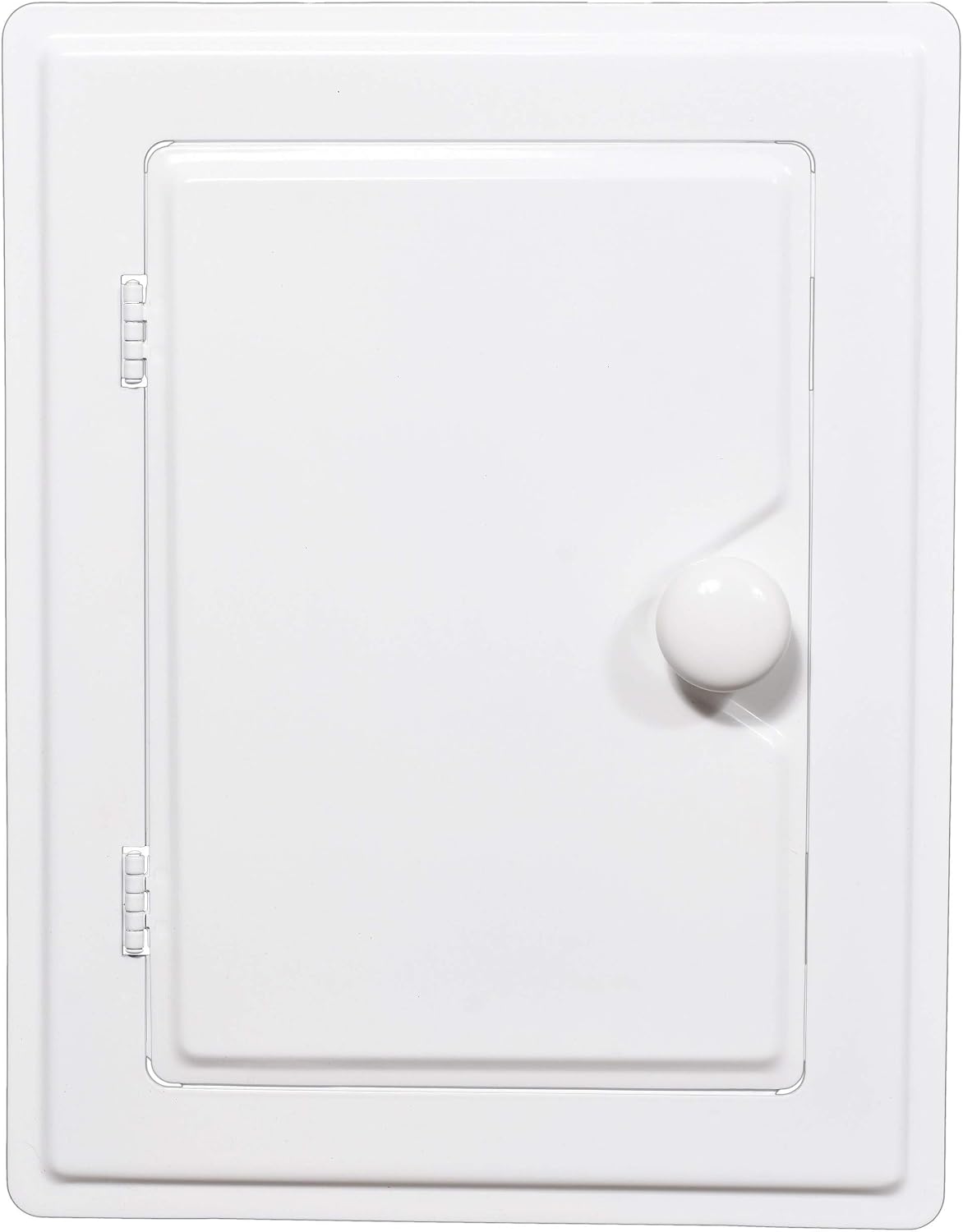
Quick Answer: The products sold with Best Laundry Chutes searches are usually doors, access panels, or receiving bags, not complete code-ready chute systems. The New 7×10 Laundry Clothes Chute Door is the most practical verified replacement in this group when an existing wall opening measures exactly 7 by 10 inches; its listing describes an approximately 10-by-13-inch outer frame, white powder-coated finish, and left- or right-side handle arrangement. Choose the 9×12 version for its matching larger opening, the Fast-Shipped-Filters 12×12 oak door for unfinished wood, the 12-inch aluminum panel for general flush access, or the canvas replacement bag for a compatible existing basement discharge.


Top Picks at a Glance
These Best Laundry Chutes components address intake access and collection, not the concealed shaft, structural route, fire stopping, or code approval. Warranty, rust-resistance, easy-installation, craftsmanship, and durability statements are listing claims rather than independent test results.
- Best Overall Replacement Door: New 7×10 Laundry Clothes Chute Door – a white powder-coated replacement designed for a 7-by-10-inch wall opening with an approximately 10-by-13-inch outer frame and symmetrical handle layout.
- Best for a 9×12 Opening: 9X12 Laundry Chute Door Wall Opening, White – a larger white powder-coated replacement designed for a 9-by-12-inch opening with an approximately 12-by-15-inch outer frame.
- Best Unfinished Wood Door: Fast-Shipped-Filters 12×12 Oak Wood Laundry Chute Door – an unfinished solid-oak Shaker-style door with a listed 15-by-15-inch overall size and soft-close cabinet hinges.
- Best General Flush Access Panel: Laundry Chute, 12x12in Flush Mount Laundry Shoot Door Access Panel – a white aluminum-alloy panel listed at 30 by 30cm, or approximately 11.8 by 11.8 inches, with spring clips and a handle.
- Best Existing-Chute Collection Bag: Laundry Chute Replacement Bag – a 20-by-20-by-30-inch heavy-canvas bag with French seams, bottom brass zipper, nylon hanging rope, and screw-in hooks.
What the Best Laundry Chutes Actually Include
The Best Laundry Chutes are complete building systems. A safe design may involve an intake door, smooth enclosed liner, framed shaft or protected route, sealed penetrations, fire blocking or fire stopping, a controlled discharge, a collection enclosure, and access for inspection. Buying one door does not provide those other elements.
An access panel is also not automatically an intake door. A general panel may cover plumbing, electrical, HVAC, or a chute opening, but its listing may not establish self-closing action, positive latching, child resistance, smoke control, fire rating, impact resistance, or approval for a floor-to-floor shaft.
Treat the verified Amazon products as replacement components for a professionally evaluated existing installation or as finish options to discuss during a permitted project. Do not design the concealed route around a purchased door before confirming what local rules and the building structure allow.
Check Code, Structure, and Hidden Utilities First
A laundry chute creates an opening through walls or floors and can form a path for smoke, flame, odor, sound, pests, and falling objects. Requirements vary by jurisdiction, building type, number of stories, chute location, shaft construction, door behavior, and whether the property is single-family, multifamily, rented, or governed by an association.
Ask the local authority having jurisdiction which building and fire rules apply, whether a permit and inspection are required, and whether the proposed system needs a qualified designer or contractor. Rental owners and residents should obtain property approval before any opening is altered.
Stud bays are not empty channels. They may contain wiring, plumbing, drains, gas lines, ducts, insulation, bracing, fire blocks, and structural members. Floor joists, beams, headers, and load-bearing walls must not be cut merely because the intended opening fits between visible trim.
The Best Laundry Chutes begin with non-destructive investigation and an approved route. A professional can identify concealed conditions, determine whether framing changes are possible, and coordinate the chute with fire, mechanical, electrical, and plumbing requirements.
Measure Rough Opening and Outer Frame Separately
The rough opening is the hole the component fits into. The outer frame overlaps the finished wall and hides the opening edge. Product titles often emphasize the rough opening, while buyers mistakenly compare that number with the visible frame.
The verified 7×10 replacement describes a 7-inch-wide by 10-inch-high wall opening and an outer frame approximately 10 inches wide by 13 inches high. The 9×12 version describes a 9-by-12-inch opening and an approximately 12-by-15-inch outer frame. Both listings state that mounting hardware is not included.
The unfinished oak model lists a 12-by-12-inch opening and a 15-by-15-inch overall size. The aluminum panel lists 30 by 30cm, approximately 11.8 by 11.8 inches, but the installer still needs to verify its exact cutout, wall depth, clip engagement, and overlap from current instructions.
Measure width, height, depth, squareness, wall thickness, frame overlap, hinge clearance, handle clearance, and the distance to trim or cabinets. The Best Laundry Chutes components fit without forcing, leaving unsupported gaps, or hiding damage that should be repaired.
Door Material, Hinge, Latch, and Child Safety
Powder-coated metal replacement doors offer a finished white surface, while unfinished oak can be matched to cabinetry or trim after appropriate preparation. Wood grain naturally varies and unfinished wood needs a coating suitable for its location. Inspect every edge for splinters, swelling, cracking, and finish wear.
The oak model lists soft-close cabinet hinges. Soft closing can control the final movement, but it does not prove that the door positively latches, resists opening by a child, seals smoke, or meets chute-door code. Similarly, a spring-clip aluminum access panel may be convenient for service but should not be represented as a rated intake closure without documentation.
Locate an intake where a child cannot climb onto a hamper, counter, toilet, shelf, or chair to reach it. A high position alone is not complete protection. The approved design may need a latch, lock, self-closing mechanism, limited opening, signage, or another safeguard appropriate to the household and local requirements.
Keep fingers away from hinges and door edges. The Best Laundry Chutes use a controlled door that closes reliably without slamming, stays secured between uses, and cannot expose an open vertical shaft during normal household activity.
Chute Liner, Route, and Blockage Prevention
A wall cavity by itself is not a laundry-chute liner. Rough wood, drywall edges, fastener points, framing joints, and offsets can catch drawstrings and garments. An approved design should provide a continuous smooth interior with compatible joints and no exposed screws or sharp seams.
Cross-section and route influence blockage. Tight turns, ledges, reducers, protruding fasteners, and irregular transitions collect fabric. Even a straight shaft can jam when bulky bedding, knotted sleeves, hangers, shoes, or overfilled bags enter the opening.
Do not assume that ordinary PVC pipe, HVAC duct, improvised sheet metal, or a flexible construction-debris chute is acceptable inside a residence. Material suitability, flame and smoke behavior, static, joint design, diameter, structural support, and local approval must all be resolved for the actual building.
The Best Laundry Chutes include a planned inspection or cleanout method that does not require reaching into the shaft. Never look upward into an open chute while another intake is accessible, and never place a head or arm beneath the discharge.
Receiving Area and Collection Bag
The discharge should end in a controlled area where clothing cannot strike a person, heater, electrical panel, appliance controls, drain, or walking path. It should prevent children and pets from entering from below and allow the operator to see when the container is approaching full.
The verified replacement bag lists heavy canvas, French seams, a bottom brass zipper, nylon hanging rope, screw-in hooks, and dimensions of 20 by 20 by 30 inches. Those details do not establish compatibility with every chute. Confirm attachment spacing, hook support, bag clearance, load, zipper access, and how the discharge is enclosed.
A bag suspended from hooks transfers weight into the supporting structure. The screw substrate and complete assembly must be appropriate, and the operator should never stand beneath a full bag while releasing it. Support the bag before opening a bottom zipper so the load does not fall uncontrolled.
If a hanging bag is unsuitable, compare a contained option among the best laundry hampers or use one of the best laundry carts only when it cannot block the discharge or invite climbing. The Best Laundry Chutes finish in an accessible, ventilated collection area rather than an unprotected pile on the floor.
Safe Use Rules
Send only dry, soft garments and household linens that fit freely through the approved opening. Empty pockets first. Close zippers and secure long drawstrings when practical. Lower bulky items by another safe method rather than forcing them into the intake.
- No people or pets: A chute is never a passage, hiding place, toy, or rescue route.
- No hard objects: Keep out shoes, hangers, toys, tools, detergent containers, coins, and loose hardware.
- No batteries or electronics: Pocket devices and lithium batteries can be damaged by impact and create a fire hazard.
- No hot items: Never send heating pads, recently heated textiles, smoking materials, or chemically contaminated rags.
- No wet laundry: Saturated items add weight, promote odor, and can remain hidden against the liner or bag.
- No hands inside: Release the garment and close the door; never push a load down with an arm or tool.
The Best Laundry Chutes remain closed when not actively receiving laundry. Every user, guest, caregiver, and child old enough to understand should know the prohibited-item rules and the location of the receiving area.
Cleaning, Inspection, and Maintenance
Inspect intake doors for loose hinges, failed closing action, worn latches, sharp edges, damaged finishes, movement in the wall, and growing gaps. Confirm that trim has not concealed moisture, cracking, or detachment around the rough opening.
Check the receiving area frequently for overfill, dampness, odor, insects, rodents, torn fabric, loose ropes, opening seams, worn zippers, bent hooks, and wall-anchor movement. Clean and dry a collection bag only according to its current care instructions.
Keep detergents, batteries, tools, and cleaning chemicals away from the intake. The best laundry room organizers provide separate storage ideas. A counter near the discharge can help with sorting, but review the best laundry countertops without placing one where it blocks inspection or falling-laundry clearance.
If flow changes or a blockage is suspected, stop using every intake, secure the doors, and protect the discharge. The Best Laundry Chutes are serviced through an approved access point by someone who understands the shaft; they are not cleared by dropping weights, pouring liquids, using flame, or reaching blindly inside.
Common Mistakes and Limitations
- Buying a door before measuring: Rough-opening and outer-frame dimensions are different.
- Treating an access panel as a rated intake: A handle and flush fit do not prove self-closing, latching, fire, smoke, or child-safety performance.
- Cutting framing without review: Walls and floors may contain structural members and hidden utilities.
- Using an unlined cavity: Rough surfaces and fasteners can catch fabric and create inaccessible blockages.
- Ignoring fire stopping: A floor-to-floor opening can compromise concealed fire and smoke separation.
- Sending wet or hard items: They increase impact, moisture, odor, damage, and jam risks.
- Leaving the discharge open: Children, pets, and people below need protection from access and falling objects.
- Overfilling the collection bag: Clothing can back up into the shaft and overload attachments.
- Clearing a jam from an intake: Reaching or looking into the shaft exposes the user to falling material.
The Best Laundry Chutes may reduce trips with a basket, but they cannot guarantee code approval, prevent every blockage, or make a poorly planned vertical opening safe.
How We Tested and Evaluated
We did not conduct independent fire, smoke, structural, code, latch, child-access, impact, blockage, corrosion, finish, bag-load, zipper, anchor, or lifecycle tests. We evaluated Crawlbase-captured Amazon pages for exact identity, rough-opening and outer-frame dimensions, listed material, finish, hinge description, mounting notes, panel mechanism, bag dimensions, seams, zipper, rope, and hooks.
Our assessment of the Best Laundry Chutes prioritizes honest component scope, exact measurement, professional route review, controlled intake access, smooth lined construction, protected collection, dry-laundry rules, and non-contact maintenance. A product listing cannot certify an entire building installation.
Buying Checklist
Use this checklist before selecting any component associated with the Best Laundry Chutes.
- Ask the local authority which permits, inspections, fire rules, and building requirements apply.
- Obtain approval from the owner, association, or property manager where required.
- Have the route checked for structural framing, wiring, plumbing, gas, HVAC, insulation, and fire blocks.
- Define an approved smooth liner, sealed joints, shaft support, fire stopping, and service access.
- Measure rough opening, outer frame, wall depth, squareness, overlap, hinge, and handle clearance.
- Confirm whether the door must self-close, positively latch, lock, seal, or carry a documented rating.
- Plan child-resistant access at every intake and protected access at the discharge.
- Match collection bag or bin dimensions, attachments, load support, ventilation, and unloading method.
- Write household rules for dry soft laundry and prohibited objects.
- Schedule door, liner, cleanout, bag, attachment, moisture, pest, and blockage inspections.
Frequently Asked Questions
Are laundry chutes legal in homes?
Rules vary by location and building. Contact the local building and fire authority before planning or modifying a chute, and obtain required design, permit, inspection, owner, or association approval.
Is an access panel the same as a laundry-chute door?
No. A general access panel may not be self-closing, positively latching, child resistant, smoke controlling, or fire rated. Use it only for an application supported by its documentation and the approved design.
What opening size is best?
There is no universal best size. An existing replacement must match the measured rough opening and overlap. A new opening must follow the approved route, framing, door, liner, and child-safety design.
Can damp towels go down a laundry chute?
Avoid it. Damp textiles can stick, add substantial weight, encourage odor and mildew, corrode components, and remain unnoticed inside the shaft or collection bag.
Can PVC pipe be used as a chute liner?
Do not assume so. Material acceptance depends on local code, flame and smoke behavior, diameter, joints, support, static, and the complete design. Ask the authority and qualified professional.
How should a jam be cleared?
Stop all use, secure every intake, protect the discharge, and use the approved cleanout or service procedure. Never look, reach, pour liquid, apply flame, or drop a heavy object into the shaft.
Final Decision
The 7×10 and 9×12 powder-coated doors suit correctly measured existing openings. The 12×12 oak model offers an unfinished Shaker-style finish, while the aluminum panel is a general flush-access option whose suitability must be documented. The canvas bag serves only a compatible, safely supported existing discharge.
The Best Laundry Chutes are approved building systems, not isolated doors. Confirm local requirements, investigate structure and utilities, use a smooth compliant liner and secure closing intake, allow only dry soft laundry, protect the collection area, and clear problems through a safe service point rather than the shaft.