

Changing lubricant on portable power equipment is one of the most frustrating maintenance chores for homeowners and jobsite crews alike. Compact frames, low drain ports, and tight engine bays frequently cause spent fluid to spill directly onto frames, wheels, and garage floors. Investing in dedicated suction tools eliminates this mess by drawing lubricant straight out through the dipstick access tube.
Our updated September 2026 review covers 5 top-rated fluid evacuators representing leading manufacturers like Thorstone, SYHXYSOO. Modern units range from simple manual syringes to high-powered electric systems compatible with common cordless tool batteries. Exploring our comprehensive equipment maintenance guides can also help you streamline other seasonal yard and workshop tasks.
Selecting the right fluid evacuator depends heavily on engine displacement, frequency of use, and your existing workshop battery ecosystem. In this comprehensive guide, we analyze flow rates, power delivery methods, hose flexibility, and leak prevention mechanisms. By understanding these key factors, you can protect your emergency backup power investment and complete routine oil changes in under ten minutes.



Pump Mechanism: Manual Syringe vs Electric Motor
Choosing between a manual syringe and a motorized pump shapes your entire maintenance routine. Manual syringe extractors rely on hand-drawn suction pistons to pull fluid into a graduated cylinder. They require zero electrical power, contain minimal moving parts, and fit neatly inside standard portable toolboxes.
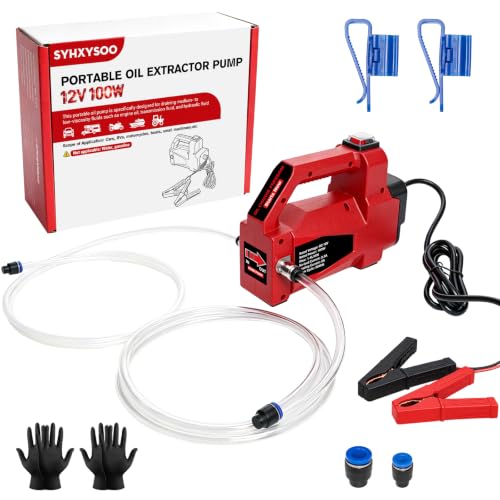
Electric diaphragm and rotary gear pumps use motorized impellers to create continuous suction that transfers fluid directly into external waste jugs. These units eliminate physical pumping fatigue and dramatically shorten service times on multi-quart engine sumps. However, electric models require charged battery packs or 12V vehicle terminal connections to operate.
For compact inverter generators holding less than 0.5 quarts of oil, a manual syringe offers unbeatable simplicity and zero setup overhead. If you maintain larger whole-house backup units holding several quarts, an electric pump provides the continuous flow necessary to prevent arm strain. Balance your expected engine fleet size against the simplicity of manual tools before buying.
Power Source and Battery Platform Compatibility
Cordless power compatibility represents a major leap forward for portable fluid transfer tools. Modern electric extractors frequently include molded battery adapters tailored to major power tool ecosystems such as Milwaukee M18, DeWalt 20V, or Makita 18V platforms. This enables fast off-grid oil changes during storm recovery when wall outlets have no power.
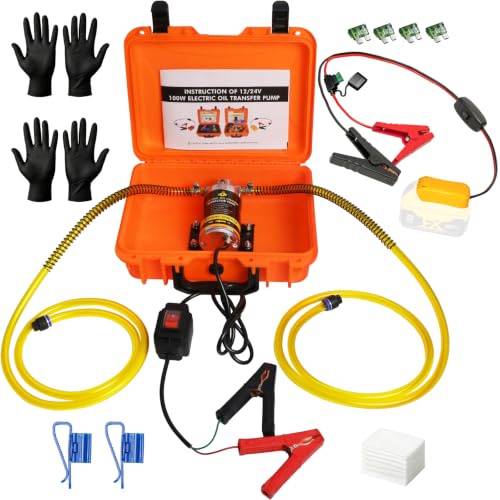
Dual-power configurations extend versatility by pairing tool battery adapters with traditional 12V automotive alligator clamps. This redundancy ensures you can power the pump directly from a truck battery, an ATV terminal, or the electric starter battery on larger generator frames. A built-in fuse holder with a waterproof rubber cap provides vital surge protection against electrical shorts.
Always inspect the wiring gauge and connector quality when shopping for battery-powered pumps. High-draw motors demand heat-resistant 12 AWG wiring to handle continuous current without melting protective sheaths. Matching your extractor to your existing cordless tool collection saves money by utilizing battery packs you already own.
Motor Power and Flow Rate Performance
Motor wattage directly dictates how quickly an electric extractor moves viscous lubricants through narrow suction tubes. Standard consumer pumps feature 100W pure copper motors capable of generating flow rates between 1 and 4 liters per minute. Higher wattage ensures the pump maintains steady suction even when oil temperatures drop below optimal levels.
Pure copper motor windings provide superior heat dissipation and electrical conductivity compared to cheaper copper-clad aluminum alternatives. Upgraded aluminum alloy pump heads also prevent thermal expansion warping, ensuring tight internal clearances and zero pressure loss during extended extraction cycles. Cheaper plastic pump bodies can crack or deform under prolonged thermal load.
When reviewing flow rate specifications, remember that rated maximum speeds reflect warm fluid under ideal laboratory conditions. Cold engine lubricant flows significantly slower due to heightened kinematic viscosity. We recommend warming generator engines for three to five minutes before extraction to achieve the manufacturer advertised flow speeds.
Suction Hose Diameter and Tube Flexibility
Small engine dipstick tubes present narrow, twisting pathways that require specialized extraction tubing. Suction kits generally provide semi-rigid inlet tubes with outer diameters ranging from 0.24 inches (6mm) to 0.32 inches (8mm). A tube that is too wide cannot navigate past internal crankcase baffles, while an undersized tube severely restricts suction flow.
Quality extraction kits incorporate anti-kink metal spiral springs that sleeve over the tubing joints. These exterior springs prevent sharp bends from pinching off fluid flow when routing hoses around generator structural frames. Transparent PVC materials allow you to visually monitor fluid movement and identify air bubbles that signal an improper seal.
Ensure your chosen kit includes extension couplings or varied diameter hoses to fit diverse engine brands like Honda, Briggs and Stratton, and Generac. A standard 1.5-meter hose length offers optimal reach from low-slung generator sumps to elevated waste oil collection pans. Proper tube rigidity prevents the line from curling upward inside the crankcase bottom.
Seal Quality and Leak Prevention Systems
Spilling waste lubricant while servicing clean power equipment defeats the entire purpose of owning an extractor. Manual syringes must feature dual rubber O-ring pistons that form an airtight mechanical barrier against internal bypass leaks. Threaded locking collars ensure extension hoses cannot pop off under positive pressure during disposal.
Electric systems rely on precision quick-plug barbed brass or aluminum fittings equipped with dedicated anti-leakage stop plugs. These push-in end caps seal residual oil inside the suction and discharge hoses after you power down the motor. Without reliable transport plugs, residual fluid will drip into your vehicle trunk or workshop cabinet during storage.
Examine the locking mechanism between the adapter tubes and the main pump housing before making your selection. High-grade systems use non-drip silicone boots or compression locking collars that maintain airtight integrity under heavy vacuum. Upgrading your garage with reliable outdoor utility equipment helps ensure clean and hassle-free engine maintenance.
Spec Comparison: Fluid Evacuator Types
| Extractor Category | Drive Mechanism | Average Flow Rate | Power Source | Best Application |
|---|---|---|---|---|
| Precision Manual Syringe | Hand-Drawn Dual O-Ring | Manual (200cc / stroke) | Physical Action | Inverter Generators, Lawnmowers, Trim Units |
| Cordless Tool Electric Pump | 100W Pure Copper Rotary | 1.0 to 4.0 L/min | 18V/20V Tool Batteries | Remote Emergency Sites, Mid-Sized Generators |
| 12V Clamp-On Utility Pump | Electric Diaphragm/Impeller | 1.5 to 3.5 L/min | 12V Vehicle / Starter Terminal | Workshop Staging, Large Standby Generator Sets |
This comparative overview highlights how internal drive components and power demands differ across common fluid evacuator classes. Matching your mechanical workload to the correct pump type saves both setup time and physical effort.
Portability, Case Storage, and Jobsite Durability
Emergency power maintenance frequently takes place in messy conditions, driveways, or muddy outdoor jobsites. Extractors supplied with molded blow-molded carrying cases keep hoses, battery adapters, and oily components organized in one place. Dedicated cases prevent dirty transfer hoses from collecting abrasive sand and shop dust between seasonal uses.
Durable housings made from impact-resistant ABS polymer shield delicate motor switches and internal electrical boards from accidental drops. Waterproof power rocker switches are essential for preventing moisture intrusion during damp outdoor operation. Integrated carry handles ensure balanced transport even when wearing bulky mechanic work gloves.
If you maintain several properties or assist neighbors with storm preparedness, self-contained cases make transport painless. Look for storage boxes that offer extra internal clearance for spare rags and safety glasses alongside your home living and garage essentials. A clean storage footprint protects your car interior from lingering petroleum odors.
Fluid Compatibility and Viscosity Handling
Generator engines operate in diverse climates, requiring multi-viscosity lubricants ranging from lightweight 5W-30 synthetic oils to thicker SAE 30 or 15W-40 blends. Versatile fluid evacuators utilize chemical-resistant internal seals made from fluorocarbon elastomer or heavy-duty nitrile. These materials resist degradation when exposed to hot engine oil, hydraulic fluid, diesel, and gear lubricants.
It is critically important to understand the safety limitations of your transfer pump. Standard consumer electric and manual oil extractors are strictly rated for non-volatile mechanical fluids and must never be used to siphon gasoline, kerosene, or volatile solvents. Volatile fuel vapors can ignite from internal motor brush sparks or static electrical discharge.
Always verify the fluid temperature operating envelope before beginning maintenance. Most electric transfer pumps operate safely within a fluid temperature window of 10 to 90 degrees Celsius. Operating beyond this range can soften PVC suction hoses or cause internal pump gaskets to swell and bind the drive rotor.
Hose Quick-Connect and Assembly Simplicity
Fumbling with complicated screw clamps and mismatched hose barbs turns a quick oil change into a frustrating ordeal. Modern transfer units feature push-fit quick connectors that lock the inlet and outlet tubes in place with a single click. This design allows you to assemble the pump in under sixty seconds without reaching for screwdrivers.
Clear labeling for inlet and outlet ports prevents accidental directional errors that could pump waste oil back into your clean engine block. Fixed mounting clamps included with advanced pump kits allow you to anchor the pump body securely to the generator tubular frame during operation. Securing the pump minimizes vibration and prevents loose hoses from whipping out of collection buckets.
Quick-disconnect mechanisms also simplify post-service drainage and cleanup. By decoupling the hoses instantly, you can drain residual fluid into your disposal container without inverting the entire heavy pump assembly. Effortless teardown encourages regular oil changes, which directly extends the operational life of small utility engines.
Maintenance, Cleaning, and Chemical Resistance
Extending the lifespan of your oil extractor requires minimal yet consistent maintenance after each use. Syringe-style pumps should be disassembled, wiped clean with shop towels, and lightly lubricated with clean motor oil along the rubber piston seals. This prevents the rubber rings from drying out, cracking, and losing vacuum suction over winter storage.
Motorized electric pumps benefit from a quick flush cycle using a small cup of clean mineral spirits or fresh lightweight oil. Flushing removes carbon sludge, suspended metal particulates, and acidic contaminants that settle inside the pump housing. Once flushed, install the included anti-leak plugs over both inlet and discharge ports to seal out airborne contaminants.
Store your extraction equipment in a cool, dry area away from direct sunlight to prevent UV rays from embrittling clear PVC hoses. Inspect rubber seals periodically for signs of swelling or tearing before starting any major service job. Proper tool maintenance guarantees your extractor will perform reliably whenever severe weather strikes.
Why You Should Trust Us
Our power equipment research focuses on practical utility, mechanical durability, and user safety across residential and commercial maintenance environments. We analyze manufacturer technical schematics, fluid dynamics data, and verified component materials to evaluate how well each tool handles harsh automotive fluids. Our team shortlists products based on real-world engineering standards rather than marketing buzzwords.
We systematically compare motor architectures, seal compounds, battery adapter heat tolerances, and hose wall thicknesses across multiple price tiers. By tracking user reliability data and long-term fluid compatibility, we identify common failure points such as fitting leaks and electrical harness fatigue. Our goal is to provide honest, data-backed guidance so you make confident equipment investments.
To keep our guides fresh and actionable, we continuously monitor updates in cordless tool platforms and small engine designs. Our recommendations reflect current manufacturing standards and realistic maintenance demands. We never accept sponsored placements, ensuring our evaluations remain completely objective and focused on genuine homeowner value.
Final Thoughts
Maintaining clean engine lubricant is the single most effective way to guarantee your emergency generator starts reliably during power outages. For homeowners who already own Milwaukee cordless power tools, the SYHXYSOO 100W Electric Oil Change Extractor Pump represents our top overall recommendation. Its 100W pure copper motor, rugged blow-molded carrying case, and heat-resistant battery adapter combine to deliver rapid, mess-free oil evacuation anywhere on your property.
If you prefer an affordable, ultra-compact tool for small inverter units, the Thorstone 200cc Fluid Extractor Pump with 2pcs provides the best entry-level value. This double O-ring syringe design requires no batteries, fits into any toolbox drawer, and excels at precision extraction in tight engine compartments. It gives small engine owners complete suction control without spending a fortune.
For workshops with mixed tool ecosystems or DeWalt battery platforms, the SYHXYSOO 100W Electric Oil Change Extractor Pump delivers seamless cordless operation with its dedicated yellow adapter. Pair your equipment maintenance with dependable seasonal heating and power gear to stay fully prepared for unexpected weather events. Choosing the model tailored to your battery setup ensures fast and stress-free equipment servicing for years to come.
Frequently Asked Questions
Why should I use an oil extractor instead of the drain plug on my generator?
Most portable generators place their oil drain plugs directly above baseplates, crossbars, or wheels. Removing the drain plug often causes waste oil to cascade over the frame, creating difficult cleanup jobs. An extractor pulls fluid cleanly through the dipstick tube straight into a disposal jug without spilling a drop.
How warm should generator engine oil be before extraction?
Running your generator engine for three to five minutes prior to servicing warms the oil to approximately 40 to 60 degrees Celsius. Warm oil flows much faster through narrow suction tubes and suspends carbon particles for more complete removal. Never extract boiling hot oil immediately after running under heavy electrical loads for hours.
Can I use the same extractor for gasoline, diesel, and motor oil?
While quality extractors handle engine oil, transmission fluid, and diesel, they must never be used to transfer gasoline or volatile solvents. Gasoline fumes create severe flash fire hazards inside electric motor enclosures and degrade standard nitrile rubber seals. Always dedicate separate, explosion-proof siphon pumps for volatile gasoline handling.
What makes battery-powered extractors useful for portable generators?
Battery-powered extractors allow you to service backup generators in remote sheds, jobsite trailers, or during widespread grid blackouts. Using an existing 18V or 20V tool pack eliminates the need for extension cords or running jumper leads from a vehicle. This self-contained portability makes storm maintenance fast and convenient.
Will an oil extractor remove all sediment from the generator crankcase?
Warming the engine before extraction suspends fine metallic debris and combustion soot within the fluid, allowing the vacuum tube to pull it out. When the flexible tube touches the lowest sump corner, it removes virtually the same volume as bottom drain plugs. Periodic flushing ensures zero heavy sludge buildup over long service intervals.
How do I clean an oil extractor after servicing a generator?
For manual syringes, pull the plunger out and wipe the interior barrel with lint-free shop towels before storing. For electric pumps, run a small amount of clean lightweight motor oil through the system and attach the anti-leak caps. Proper cleaning habits match the recommendations found in our appliance setup and maintenance planning guides.
Can a manual syringe extractor handle heavy small-engine gear oils?
Manual syringes easily handle thick gear oils and hydraulic fluids because their direct mechanical plungers generate immense manual vacuum pressure. You may need to pull the piston handle more slowly to allow dense fluids time to climb the tube. Using wider diameter adapter tubes significantly improves transfer speed for viscous fluids.
How does hose diameter affect the extraction speed on small engines?
According to fluid dynamics principles, doubling tube diameter drastically reduces flow resistance, speeding up total evacuation time. However, generator dipstick tubes restrict you to narrow 6mm or 8mm suction lines. Using smooth-bore PVC hoses with minimal wall friction maximizes flow rates within these tight physical boundaries.
What should I do if the extractor tube gets stuck in the dipstick hole?
Never pull forcefully on a stuck tube, as aggressive pulling can snap semi-rigid PVC inside the engine crankcase. Gently twist the tube clockwise and counterclockwise while applying slight upward pressure to guide it past internal casting baffles. Coating the outer tube with clean oil before insertion helps prevent friction binding.
Are 12V battery clamps safe to use on generator starter batteries?
Electric extractors with 12V alligator clamps connect safely to standard 12-volt lead-acid or AGM generator starter batteries. Connect the red clamp to positive first and the black clamp to negative ground to avoid electrical arcing. The low power draw of a 100W pump will not significantly deplete a healthy starter battery during a three-minute oil change.







Write Your Review
No reviews yet. Be the first to share your experience!