

Cultivating fresh vegetables in small spaces or challenging native soil becomes much simpler when you bring the garden up to waist height. High quality elevated beds prevent soil compaction, keep destructive ground pests away from delicate roots, and remove the physical fatigue of constant bending and kneeling.
Navigating the current market requires understanding structural integrity, drainage engineering, and material safety. Many first time growers choose flimsy models that buckle under heavy wet soil or leach chemical compounds into edible produce. For wider home improvement ideas, explore our Home & Living section to optimize outdoor living spaces.
In this comprehensive guide updated for September 2026, we analyze 5 leading options to help you choose the ideal system. Whether you have a compact condo balcony or a sprawling suburban patio, finding the Best Raised Vegetable Planters ensures your crops receive optimal sun exposure and root space.


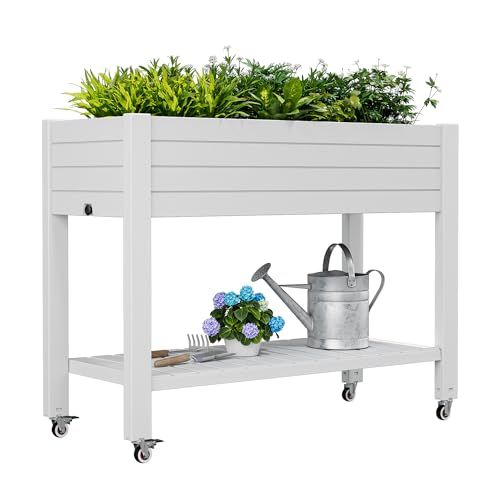
1. Planting Depth and Soil Volume
Planting depth determines exactly which crops you can grow successfully over a full season. Leafy greens, radishes, and culinary herbs thrive in shallow soil around six to eight inches deep. Larger root vegetables and heavy producers like fruiting tomatoes require at least twelve to fifteen inches of usable depth.
When reviewing manufacturer specifications, distinguish between the total unit height and the internal bed depth. A planter standing thirty-two inches high might only provide seven inches of actual growing soil if the base shelf sits high up on the frame. Check the cubic foot capacity to calculate accurate potting soil requirements before purchasing.
A reliable rule of thumb is to allow one cubic foot of soil for every mature fruiting plant. Planters offering fifteen inches of vertical depth allow taproots to branch outward without circling the bottom of the container. Proper volume also acts as a thermal buffer, shielding delicate feeder roots from sudden outdoor temperature swings.
2. Construction Material and Weather Resistance
The core material of your planter determines its outdoor lifespan, resistance to rot, and aesthetic appeal. Traditional softwood beds often degrade within three seasons due to constant moisture contact. Modern galvanized steel and UV stabilized resin provide durable alternatives that withstand rain, frost, and intense summer sun.
Look for composite metal materials combining zinc, magnesium, and aluminum coatings for maximum corrosion defense. High quality powder-coated steel resists rust at connection points, while heavy-duty resin frames eliminate peeling and wood splintering entirely. Always inspect the structural joinery, as reinforced metal corners provide substantially better load support than thin interlocking plastic clips.
For outdoor installations exposed to wet climates, prioritize zinc-alloy coatings that offer multi-decade durability ratings. If you prefer low weight for a high balcony, thick non-toxic resin is the practical choice. Whichever build you select, ensure the fasteners and structural hardware are made from marine-grade or stainless steel.
3. Ergonomic Working Height and Accessibility
Ergonomics is one of the primary reasons gardeners transition from in-ground beds to elevated planters. A properly positioned box brings the soil surface to waist level, between thirty and thirty-four inches from the ground. This setup lets you prune, weed, and harvest while standing upright without putting strain on your lumbar spine.
To choose the right height, measure the distance from the floor to your bent elbow while standing naturally. The rim of the planter should sit roughly six to eight inches below your elbow for comfortable reaching. This clearance prevents arm fatigue when scooping soil or handling hand tools across the entire width of the container.
Elevated heights also create a natural barrier against crawling insects, rabbits, and small neighborhood wildlife. Gardeners with limited mobility can position these planters over hard surfaces, avoiding mud and slippery grass. Review our Guides section for more ergonomic home and patio setups.
4. Mobility and Wheel Load Ratings
Rolling garden planters provide the flexibility to follow the sun across patios and decks throughout changing seasons. However, the presence of caster wheels introduces a critical structural failure point if the hardware is undersized. Fully saturated soil and mature plants can easily weigh hundreds of pounds.
Examine the caster specifications carefully before buying a mobile elevated unit. High quality mobile beds utilize wide rubberized casters with 360-degree ball bearings and positive dual-locking brakes. Avoid thin plastic wheel assemblies that can crack under static weight or scratch delicate composite decking boards during transit.
Calculate your expected total planted weight by multiplying soil volume in cubic feet by eighty pounds to account for moisture. Choose a mobile bed whose wheel assembly rating exceeds that estimated load by at least twenty-five percent. Always lock the casters in place immediately after moving the unit to prevent wind drift.
Planter Specification Comparison
| Material Type | Expected Lifespan | Average Depth | Mobility Support | Ideal Crop Type |
|---|---|---|---|---|
| Galvanized Coated Steel | 15 to 20+ Years | 12 to 15 Inches | Heavy-Duty Casters / Fixed | Deep Root Veggies, Tomatoes |
| UV-Resistant Resin | 8 to 12 Years | 8 to 10 Inches | Swivel Locking Wheels | Leafy Greens, Herbs, Peppers |
| Untreated Natural Wood | 3 to 5 Years | 8 to 12 Inches | Fixed Legs | Shallow Herbs, Strawberries |
5. Drainage Efficiency and Water Management
Adequate drainage is the single most important factor in preventing root rot and soil souring in closed containers. Without dedicated drainage channels, heavy rainstorms can quickly turn an elevated box into a waterlogged basin. A well-designed planter allows surplus water to escape freely while retaining vital soil nutrients.
Look for planters featuring multiple pre-drilled bottom ports paired with recessed internal drainage grooves. Advanced resin units often integrate built-in water collection reservoirs paired with visual float gauges. These self-regulating designs let you monitor water tables easily without constantly inserting moisture probes into the root zone.
When setting up a steel or plastic bed, always lay a sheet of permeable landscape fabric along the base before adding soil. This liner keeps fine potting medium from washing out through the drainage holes while preserving uninterrupted airflow. For balcony use, consider placing drainage trays below the legs to catch run-off water cleanly.
6. Structural Weight Capacity and Internal Bracing
Soil expands and exerts heavy outward pressure against container walls when saturated with water. Poorly reinforced planters will bulge along their midsections, loosening corner joints and causing early structural collapse. Premium garden beds utilize rigid internal cross-bracing and welded corner posts to preserve shape under load.
Look for rated static weight capacities ranging from five hundred to over one thousand pounds. Units built with one-piece welded leg corners distribute downward gravitational forces far more effectively than modular bolted joints. Thicker gauge metal panels resist bowing even when supporting dense compost blends and heavy climbing trellises.
If you plan to install an elevated bed longer than four feet, ensure it includes center support legs. Center vertical supports prevent sagging along the bottom rack and keep the entire assembly level. Checking frame stability before filling avoids costly and messy soil collapses later in the season.
7. Food Safety and Non-Toxic Finishes
Growing edible crops requires absolute confidence in the safety of your planting container materials. Certain industrial paints, pressure-treated timbers, and lower-grade plastics can leach volatile chemicals into the surrounding soil. These contaminants can be absorbed directly by the root networks of edible crops.
Verify that any painted metal planters utilize USDA-compliant, food-safe powder coatings such as AkzoNobel finishes. For synthetic materials, choose BPA-free, non-toxic virgin resins that resist chemical breakdown under harsh ultraviolet sunlight. Avoid using repurposed industrial bins or uncertified treated wood for growing edible greens.
Protective rubber safety trims along upper sheet-metal edges are another valuable safety feature to look for. These trims prevent accidental cuts when reaching into the bed while shielding curious pets from sharp edges. Safe materials guarantee that your home-grown vegetables remain clean and healthy for family meals.
8. Integrated Storage and Modular Add-Ons
Patio gardening requires keeping hand trowels, pruning shears, watering cans, and organic fertilizers nearby. Planters featuring integrated bottom slatted shelves transform unused space beneath the growing box into functional storage. This keeps your essential gardening supplies off the ground and neatly organized in one central footprint.
Evaluate whether the manufacturer offers compatible modular accessories like insect netting covers, greenhouse canopies, or trellis extensions. Modular systems allow you to extend the spring and autumn growing seasons without custom fabrication. You can also explore comfortable patio seating from our Furniture & Comfort collection to complete your outdoor space.
Check the clearance height between the bottom shelf and the ground to ensure smooth cleaning underneath. Slatted bottom racks allow rainwater to pass through cleanly without pooling around stored tools. Versatile modular systems provide long-term utility as your urban gardening ambitions expand.
Why You Should Trust Us
Our outdoor living reviews rely on comprehensive spec verification, structural analysis, and material safety evaluations. We examine load ratings, anti-corrosion test data from reputable research facilities, and verified hardware durability. Our focus is providing clear, practical guidance that helps home gardeners make confident buying decisions.
We analyze real-world performance metrics across diverse climate conditions, evaluating metal coatings, resin stability, and caster wheel resilience. Every product featured in our guide is assessed against strict benchmarks for structural integrity, drainage performance, and ease of assembly. We maintain strict editorial independence to ensure unbiased recommendations.
Final Thoughts
Selecting the right elevated bed transforms patio gardening into a high-yielding, low-strain hobby. For growers seeking exceptional durability and classic aesthetics, the Raised Garden Bed with Legs serves as our top overall recommendation. Its generous fifteen-inch planting depth and robust one-thousand-pound load capacity comfortably accommodate deep-rooting tomato varieties.
Gardeners working within compact footprints or searching for maximum mobility will appreciate the Vego garden Rolling Elevated Raised Garden Bed. It combines advanced corrosion-resistant zinc-magnesium steel with smooth-rolling legs, making it simple to chase patio sunlight. For alternative setups, browse our general Uncategorized catalog for more product breakdowns.
If you want a lightweight and budget-friendly starter option with smart watering features, the WTFGO Elevate 33.7″ Tall Raised Garden Bed is a standout value. Its built-in water gauge and weather-resistant resin construction ensure hassle-free herb and salad green cultivation. Meanwhile, the LEETOLLA Elevate 32″ Raised Garden Bed with Wheels provides an accessible, mobile metal alternative for entry-level container growers.
FAQs
What makes the Best Raised Vegetable Planters of 2026 suitable for patio gardening?
The top planters provide elevated working heights, integrated drainage controls, and heavy-duty structural frames. These features allow you to cultivate vigorous crops on hard surfaces without damaging patio flooring or staining deck boards.
How deep should an elevated planter be for growing vegetables?
A soil depth of eight to ten inches is sufficient for shallow greens, herbs, and strawberries. Larger fruiting vegetables like peppers, bush beans, and dwarf tomatoes perform substantially better in planters offering twelve to fifteen inches of usable soil depth.
Do metal raised beds get too hot for vegetable roots in summer?
Quality metal planters coated with reflective powder finishes reflect excess solar heat away from the perimeter. Moist potting soil acts as a natural insulator, maintaining stable internal root zone temperatures during warm summer days.
Can I leave elevated vegetable planters outdoors during winter?
Planters constructed from galvanized steel or UV-stabilized resin are fully weather-resistant and can stay outdoors year-round. Emptying excess standing water before freezing temperatures arrive protects the drainage fittings and internal hardware from expansion damage.
What is the best soil mix to use in elevated raised planters?
Never fill elevated beds with heavy native garden topsoil, which compacts easily and restricts drainage. Instead, use a light container blend composed of equal parts quality potting soil, coarse perlite or vermiculite, and organic compost.
Are mobile planter wheels safe to use on wooden or composite decks?
Rubberized caster wheels with wide contact patches are safe for modern deck surfaces when operated within weight limits. Always engage wheel brakes firmly once the bed is positioned to distribute the load evenly and avoid surface scuffing.
How do I prevent potting soil from washing out through drainage holes?
Lining the bottom of the container with commercial landscape fabric or untreated burlap retains soil particles while allowing water to drain. This extra layer keeps the patio underneath clean and prevents root clogs inside drainage outlets.
Why is waist-height gardening beneficial for senior gardeners?
Waist-height beds eliminate the need to bend down to ground level or kneel on hard surfaces. This ergonomic setup reduces joint stress, eases lower back tension, and makes routine garden maintenance enjoyable for individuals with limited mobility.
How often should elevated vegetable beds be watered?
Elevated containers drain more rapidly than in-ground garden beds and require more frequent watering during high heat. Check moisture levels daily by inserting a finger two inches into the topsoil, watering thoroughly whenever the upper layer feels dry.
What are the safety standards for metal planter coatings?
Look for powder coatings certified under USDA food-contact standards, such as specialized AkzoNobel coatings. These verified finishes ensure no toxic chemicals or heavy metals migrate into the soil when growing edible food crops.





Write Your Review
No reviews yet. Be the first to share your experience!