

Garage doors serve as one of the primary entry points for modern homes, yet they are frequently left open by mistake. Forgetting to secure an overhead door exposes stored equipment, vehicles, and connected interior living spaces to severe security vulnerabilities.
Modern wireless monitoring hardware eliminates this worry by providing remote awareness directly to your mobile device. Selecting the Best Smart Door Sensors for Garages ensures you receive immediate notifications whenever unexpected motion occurs or a door remains open past a designated schedule.
We evaluated 5 leading options across YoLink, CHAMBERLAIN, Infinity Shield and more for September 2026 to help you upgrade your home security layout. You can also explore our curated Home & Living resource section for additional automated home management advice.




Detection Mechanism and Sensor Architecture
Smart garage door sensors primarily operate using tilt detection, magnetic contact switches, or active optical beams. Tilt sensors adhere to the top panel of a sectional overhead door and trigger an alert when the panel rotates horizontally. This design removes the need for precise frame alignment and tolerates natural door vibration caused by wind.
Magnetic contact sensors require mounting one component to the door frame and a matching magnet to the moving door. They offer instantaneous status feedback, making them exceptional for standard swing doors or sliding access gates. However, significant structural shifting in garage tracks can cause false open alerts on loose sectional doors.
Multi-beam optical sensors mount directly along the garage track to detect obstacles and physical passage across the threshold. They excel at physical vehicle safety by replacing traditional single-point safety eyes with dense light curtains. Choose tilt sensors for sectional overhead doors, contact sensors for side access points, and multi-beam arrays for comprehensive vehicle collision prevention.
Wireless Protocol and Network Range
Garages feature dense barriers like cinder blocks, insulated metal doors, and drywall that severely attenuate standard radio signals. Wi-Fi sensors connect directly to standard home routers without extra hardware, but they struggle to maintain connectivity across long distances. If your garage sits far from your central living area, Wi-Fi units often drop offline intermittently.
Zigbee sensors operate via localized mesh networking that routes signals through intermediate powered smart devices. They require a compatible hub, such as an Echo with built-in Zigbee or a dedicated smart bridge, to process events. Zigbee delivers ultra-fast response times with minimal battery consumption, provided a repeater exists within moderate proximity.
LoRa technology utilizes a sub-gigahertz frequency band capable of penetrating heavy metal walls and reaching open-air distances up to a quarter mile. This long-range capability makes proprietary LoRa sensors unbeatable for detached garages, expansive workshops, and rural outbuildings. Always match the protocol to your physical property layout before purchasing hardware.
Hub Dependency vs Direct Connectivity
Understanding whether a garage sensor operates independently or requires an external bridge dictates initial setup complexity and long-term expandability. Standalone Wi-Fi models communicate straight to cloud servers, allowing fast individual deployment without purchasing additional hardware. This standalone nature is convenient for renters or single-device installations.
Hub-based ecosystems require an initial gateway plugged directly into your home network or paired via local radio. While this adds an upfront setup step, dedicated hubs dramatically reduce network congestion on residential Wi-Fi routers. Centralized bridges also handle complex local automation routines without relying on an active internet connection.
If you plan to monitor multiple exterior doors, deep freezers, and yard gates, investing in a robust hub ecosystem is far more dependable. Review our expert Guides library to discover how to architect unified smart security systems across your property.
Power Source and Battery Life Expectancy
Because garage sensors must function continuously, power management directly affects operational reliability and maintenance requirements. Most wireless sensors run on replaceable coin cells or standard AAA alkaline batteries that last between two and five years. Low-power wireless protocols like LoRa and Zigbee conserve battery energy far more effectively than standard Wi-Fi.
Hardwired safety sensors draw direct electrical current from the garage door opener drive unit via low-voltage wiring. This continuous power supply completely eliminates battery replacement routines and ensures uninterrupted perimeter defense. However, hardwired units require routing clean cables along the door framing during initial installation.
Look for companion smartphone applications that report real-time battery percentages and push low-power warnings weeks in advance. A sensor that goes dark without warning leaves your garage unprotected at the worst possible moment. Prefer devices with readily available battery formats like standard AA or AAA cells.
Smart Ecosystem and Voice Assistant Compatibility
Integration with major platforms like Amazon Alexa, Google Assistant, Apple HomeKit, and Home Assistant determines how well your garage sensor communicates with other hardware. Seamless integration allows you to query the open status of your garage using simple voice commands from any room. It also enables powerful multi-device routines, such as flashing hallway lights when the garage opens late at night.
Advanced platforms like IFTTT and Home Assistant allow you to construct conditional automations based on precise trigger events. For example, a sensor trigger can automatically activate security floodlights, start external camera recordings, or shut down HVAC blowers. Check whether your preferred smart ecosystem requires specialized add-on bridges or custom software drivers.
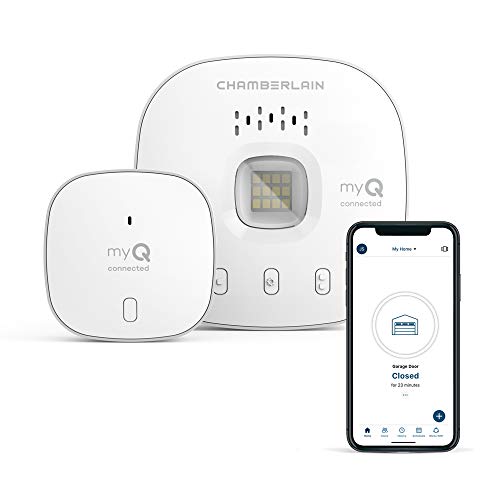
Proprietary platforms like Chamberlain myQ offer unique convenience features, including integrated Amazon Key in-garage delivery access. When deciding on compatibility, determine whether you prioritize single-app convenience or cross-platform automation flexibility across third-party smart gear.
Customizable Alert Timers and Left-Open Reminders
Instant open and close notifications are essential, but left-open reminder settings provide crucial protection against absentmindedness. Advanced companion applications let you define specific time thresholds before an escalating reminder is triggered. If the garage door remains open for more than fifteen minutes after departure, the system pushes a prompt notification.
Look for systems that offer scheduled monitoring windows, such as arming the perimeter automatically after ten in the evening. This ensures you are alerted immediately if a door is opened during overnight hours without disturbing you during daytime yard work. Multi-channel alerts via SMS text, email, push notifications, or audible indoor sirens provide layered security.
Audio-enabled hubs elevate this protection by sounding voice announcements or chime sequences inside the house when a threshold breach occurs. This immediate local feedback warns family members inside the house before an intruder steps beyond the garage perimeter.
Vehicle Protection and Multi-Beam Safety Features
Standard safety eyes on garage openers only monitor a single pencil-thin beam a few inches above the finished concrete floor. This narrow detection zone frequently misses open rear SUV liftgates, extended bike racks, and protruding car bumpers. When an overhead door descends on an unmonitored protrusion, the resulting mechanical damage can cost thousands of dollars.
Multi-beam safety sensors overcome this blind spot by projecting twenty or more infrared beams across the entire vertical clearance of the opening. Any object breaking the light curtain halts downward movement instantly to prevent crushing damage. Advanced multi-beam units also incorporate audible parking assistance beeps that guide drivers into tight parking spots safely.
If you routinely park modern hatchbacks or oversized vehicles inside your garage, comprehensive multi-beam protection provides unbeatable peace of mind. Verify that any replacement safety array complies with federal UL-325 safety standards for automatic residential garage door operators.
Environmental Tolerance and Temperature Resilience
Garages experience severe temperature fluctuations, elevated humidity, airborne dust, and vehicle exhaust fumes throughout the changing seasons. Low-quality plastic sensors often suffer from warped housings, brittle adhesive, and erratic battery discharge in sub-zero winter temperatures. High-grade sensors use industrial ABS casings rated for wide operating ranges from freezing cold to scorching summer heat.
Battery chemistry also reacts strongly to localized thermal conditions inside uninsulated garage structures. Lithium-based power cells perform far better than standard alkaline options in freezing climates, maintaining consistent voltage without premature cutoffs. Make sure to check the stated operating temperature specifications if you reside in regions with harsh winter freezes.
Moisture resistance is equally important for sensors positioned near the bottom edge of roll-up garage doors where rain runoff collects. Sealed battery compartments and conformal-coated internal circuit boards protect sensitive electronics from corrosion over years of continuous service.
Installation Flexibility and Mounting Hardware
The physical mounting mechanism dictates how securely a sensor stays attached over thousands of aggressive door opening cycles. Pre-applied industrial double-sided foam tape allows tool-free mounting on clean metal, fiberglass, or finished wood surfaces. For textured doors or damp environments, mechanical screw mounts prevent the sensor from vibrating loose over time.
Snap-in track brackets simplify the installation of replacement safety beams by clipping directly onto standard vertical garage door rails without drilling. This snap-on approach preserves structural alignment and prevents accidental misalignment caused by everyday bumps from lawnmowers or trash bins. Check whether your door tracks require proprietary mounting adapters before buying.
Always clean the mounting surface thoroughly with isopropyl alcohol before applying adhesive pads to remove residual grease and garage grime. Taking five minutes to prep the installation area guarantees that your sensor stays firmly anchored through violent door closures and temperature swings.
| Sensor Technology | Primary Wireless Protocol | Typical Battery Life | Ideal Garage Application |
|---|---|---|---|
| Tilt Position Sensor | LoRa / Sub-GHz | Up to 5 Years | Sectional Overhead Doors & Long-Distance Outbuildings |
| Adjustable Tilt Sensor | Zigbee 3.0 | Up to 2 Years | Smart Mesh Networks & Local Automation Platforms |
| Multi-Door Contact Kit | LoRa / Sub-GHz | Up to 5 Years | Multi-Bay Garages, Side Doors & Gun Safes |
| Smart Opener Controller | Wi-Fi & Bluetooth | Hardwired Hub / Coin Cell Sensor | Smartphone Remote Control & Amazon Key Delivery |
| 25-Beam Safety Curtain | Direct Low-Voltage Wired | Continuous Wired Power | Hatchback Vehicle Protection & Parking Guidance |
Why You Should Trust Us
Our team continuously tracks smart home security hardware, wireless transmission protocols, and connected residential automation ecosystems. We analyze verified manufacturer engineering specifications, wireless range benchmarks, structural durability metrics, and software integration reliability. Our reviews focus on real-world practicality to ensure recommended products perform reliably under demanding environmental conditions.
We maintain strict editorial objectivity by comparing hardware capabilities across distinct price tiers and technical configurations. We examine critical factors including battery longevity, hub latency, obstacle detection density, and third-party smart assistant compatibility. Our evaluations remain entirely data-driven, helping you make confident purchases without biased brand favoritism.
To keep our buyers guides continuously relevant, we regularly update our recommendations as new firmware builds, protocol standards, and hardware revisions enter the market. When you read our insights, you receive timely product analysis designed to protect your home effectively.
Final Thoughts
Securing your garage perimeter requires dependable hardware tailored to your specific architectural layout and smart home ecosystem. For homeowners seeking maximum wireless range and whole-property coverage, the YoLink LoRa Smart Door Sensor Starter Kit is our top overall pick. Its sub-gigahertz signal easily penetrates heavy building materials, while the multi-sensor bundle allows you to secure overhead doors, side entries, and storage lockers effortlessly.
If you prefer a budget-conscious device that integrates seamlessly into a Zigbee home automation mesh, choose the THIRDREALITY Zigbee Smart Garage Door Tilt Sensor. It provides four adjustable sensitivity levels to eliminate false triggers from heavy wind, offering outstanding value for modern smart homes. If you want direct remote opener control alongside sensor tracking, the CHAMBERLAIN Smart Garage Control is a fantastic dual-function option for Amazon Key delivery fans.
For high-value vehicle protection and absolute obstacle prevention, the Infinity Shield: Safety Sensor for Garage delivers an unbeatable 25-beam safety curtain. It prevents costly overhead door impacts against open SUV tailgates while providing intuitive audible parking assistance. You can also explore our companion guide on Furniture & Comfort solutions to enhance interior living comfort.
For standalone overhead tracking on existing LoRa hubs, the individual YoLink Smart Garage Door Sensor remains a stellar performer. Select the sensor architecture that best matches your network range and physical garage structure to maintain dependable home security.
Frequently Asked Questions
What is the most reliable option among Best Smart Door Sensors for Garages in 2026?
Sensors that utilize long-range sub-gigahertz protocols, such as LoRa systems, offer the highest communication reliability through dense walls. Their signals penetrate steel tracks and insulated doors without suffering from standard Wi-Fi dead zones, ensuring you never miss a status alert.
How does a garage door tilt sensor work on sectional doors?
A tilt sensor adheres to the top panel of a roll-up sectional door and monitors its physical angle relative to the ground. When the opener pulls the door upward, the top panel rotates ninety degrees into a horizontal orientation, instantly triggering an open state alert.
Can high winds cause false open notifications on garage door sensors?
Gusty winds can rattle loose garage doors within their tracks and occasionally trip overly sensitive tilt or contact sensors. High-quality sensors solve this issue by offering customizable sensitivity thresholds or delay buffers that filter out minor structural vibrations.
Do I need an active internet connection for smart garage sensors to function?
While an internet connection is required to send push notifications to your mobile phone outside the home, local networks can still execute local safety triggers. Systems supporting local device pairing can sound internal alarms or flash warning lights even if the broader internet goes down.
How long do batteries usually last in wireless smart garage door sensors?
Most modern Zigbee and LoRa garage sensors provide between two and five years of continuous service on a single set of batteries. Wi-Fi models consume significantly more power and typically require battery replacements or recharging every six to twelve months.
Can smart garage door sensors help regulate indoor climate and energy efficiency?
Leaving an attached garage door open allows outdoor heat or freezing air to infiltrate your home, placing heavy strain on climate systems. Integrating open-door alerts helps maintain thermal efficiency, and you can learn more about climate control in our Heating, Cooling & Air guide.
Are smart garage sensors compatible with Alexa and Google Assistant?
Most leading smart sensors connect with major voice assistants either directly or through dedicated skills. This functionality allows you to check door status verbally from your smart speakers or incorporate door states into morning and bedtime smart routines.
What is the difference between a garage monitor sensor and a smart garage controller?
A smart garage sensor solely detects and reports whether the door is open or closed. A smart garage controller includes motorized relay wiring or wireless radio transmitters that let you physically open and close the door remotely via your smartphone app.
How do multi-beam safety sensors protect vehicle tailgates from damage?
Multi-beam safety sensors project an entire grid of infrared beams spanning several feet vertically across the door opening. If an elevated SUV hatch or protruding bumper interrupts any beam in the grid, the sensor prevents the door from closing and crushing the vehicle.
Can I use a single smart hub to monitor multiple garage doors and gates?
Yes, centralized smart hubs can typically manage dozens or even hundreds of individual sensors simultaneously. You can place individual tilt sensors on each overhead door bay and contact sensors on side access doors while monitoring everything in a single app.







Write Your Review
No reviews yet. Be the first to share your experience!