

Pureeing hot soups and whipping silky sauces directly in your cooking pot eliminates the hassle of transferring boiling liquids into a countertop jar. A handheld stick blender crafted with a solid metal wand provides exceptional thermal durability and handles intense culinary prep without warping or staining over time.
In this comprehensive guide to Best Stainless Steel Immersion Blenders for September 2026, we evaluated 10 popular models from reputable manufacturers like Breville, All-Clad, Robot Coupe and more. If you are coordinating a larger culinary upgrade across your kitchen, exploring our kitchen renovation appliance lineup guide will help you organize your prep tools effectively.
Choosing the ideal wand requires balancing motor wattage, blade geometry, and ergonomic handle weight to prevent arm fatigue during long cooking sessions. Our detailed breakdown will help you identify the right balance of speed control and long-term durability for your weekly culinary routine.


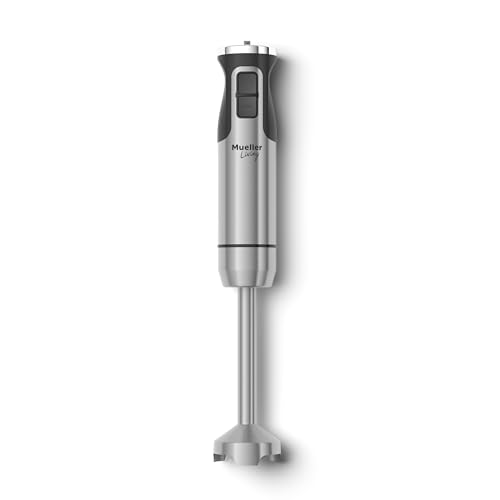


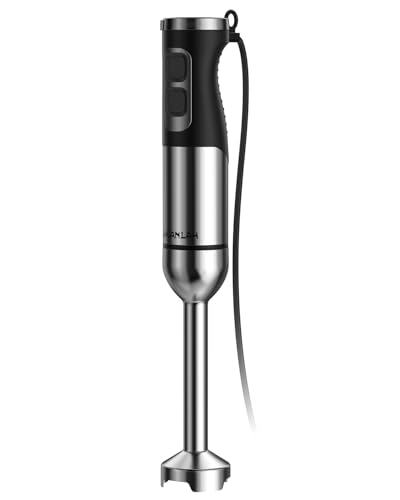


Motor Wattage and Pure Torque Output
Handheld blending performance depends heavily on the motor capacity driving the blade assembly through dense ingredients. Motors rated between 300 and 1000 watts generate the rotational force necessary to crush fibrous root vegetables and emulsify thick sauces without bogging down.
When comparing motor specifications, distinguish between brief peak wattage bursts and sustained operational power ratings. Heavy-duty copper brushless motors provide higher continuous torque and generate less internal heat, which significantly extends the working lifespan of the appliance under frequent use.
A reliable rule of thumb is to look for at least 500 watts of motor capacity if you regularly blend thick nut butters, fibrous squash, or frozen smoothies. Lower wattage ratings remain perfectly adequate for light vinaigrettes and frothing milk, but struggle under heavier resistance.
Immersion Shaft Length and Vessel Clearance
The operational reach of your blending wand determines the depth of cookware you can safely work within without submerging the motorized handle. Standard residential shafts measure roughly eight to nine inches, which easily accommodates common Dutch ovens, stockpots, and deep mixing bowls.
Commercial grade models often feature extended shafts reaching eighteen inches or more to process massive twenty-five gallon culinary batches in deep kettles. For standard home kitchens, an excessively long shaft feels unwieldy and creates unnecessary storage challenges inside standard kitchen drawers.
Always measure your deepest stockpot before purchasing to ensure at least two inches of clearance between the liquid line and the shaft attachment seam. This prevents hot cooking liquids from entering the mechanical coupling joint and damaging internal electrical components.
Blade Design and Titanium Coating Technology
The cutting assembly at the base of the wand dictates how effectively food particles circulate into the processing vortex. Traditional two-blade setups work well for light mixing, while multi-blade four-prong configurations create an active vortex that pulls solids downward for faster breakdown.
Many modern blending heads incorporate titanium-coated edges or hardened stainless steel blades to resist dulling from acidic ingredients and crushed ice. Superior blade pitch and curved wing geometry accelerate emulsion formation while keeping shearing forces uniform throughout the entire container.
Inspect the blade profile to ensure it is welded securely to the central drive pin rather than held by plastic press fittings. Rigid metal construction ensures reliable high-speed rotation and prevents catastrophic detachment during heavy food preparation.
Variable Speed Modulation and Pulse Control
Precision speed regulation gives you complete control over texture development without splattering liquids across your kitchen workspace. Basic units often feature only two preset speeds, which can lead to abrupt acceleration and messy splattering when blending shallow liquids.
Advanced models incorporate multi-position dials with sixteen to twenty-five discrete speed intervals or variable-pressure trigger systems. These nuanced controls allow you to start at low rotational velocities to fold ingredients before accelerating to high speeds for silky smooth purees.
Choose variable speed options when delicate culinary tasks like mayonnaise emulsion or hollandaise sauce require incremental oil incorporation. A responsive turbo button provides an instantaneous speed boost to break through stubborn vegetable chunks without disrupting your dialed settings.
Bell Guard Geometry and Anti-Suction Engineering
The protective shroud surrounding the blade assembly directly influences fluid dynamics and user control during vigorous blending. Poorly designed bell guards create strong vacuum suction that pulls the wand downward and sticks it firmly to the bottom of your cookware.
Modern anti-suction designs integrate precision cut vents, scalloped edges, and interior ribbing to promote fluid turnover. These architectural features break hydrostatic pressure locks, allowing smooth maneuverability across the pan without requiring excessive arm strength to lift the wand.
Examine the bell guard rim for protective silicone bumpers or smooth rolled edges that prevent surface scratches on delicate cookware. Pan protection features ensure you can blend directly inside expensive enameled cast iron or stainless pans without scratching their interior surfaces.
Ergonomic Housing and Weight Distribution
Handheld kitchen tools must feel balanced and comfortable in your grip, especially during lengthy meal preparation tasks. Since the motor resides inside the upper handle, proper weight distribution prevents excessive wrist fatigue and hand strain.
Look for contoured rubberized grips or textured soft-touch coatings that maintain traction even when handling ingredients with wet or oily hands. Trigger style switches offer natural finger placement, while top-mounted push buttons can cause thumb cramping during extended continuous operation.
Strive for a handheld weight between two and three pounds for optimal stability without causing physical fatigue during continuous pureeing. If you want more home appliance optimization ideas, check out our expert kitchen and home guides for curated advice.
Detachable Shafts and Sanitation Protocol
Keeping your blending equipment clean is essential for food safety and preventing cross contamination between distinct recipes. Quick-release twist locks or push-button detents allow you to separate the dirty stainless steel shaft from the motorized handle in seconds.
High quality stainless shafts can be placed safely into top rack dishwashers for thorough sanitization after processing raw eggs or meat sauces. Never submerge the upper motor housing in water; instead, wipe it clean with a damp microfiber cloth to preserve internal electrical safety.
Inspect the internal shaft seal where the blade drive pin meets the outer metal housing. A tight food-grade silicone seal prevents liquids from seeping upward into the mechanical shaft sleeve, eliminating hidden bacteria growth and unpleasant odors over time.
Accessory Ecosystem and Modular Attachments
Many stick blenders function as versatile prep hubs by offering interchangeable head attachments for diverse culinary tasks. Snap-on balloon whisks transform the unit into a motorized whip for heavy creams and meringue batters without requiring a separate stand mixer.
Compact chopper bowls and calibrated blending beakers turn your wand into a mini food processor capable of dicing garlic, herbs, and nuts. Milk frother attachments further expand the unit utility for crafting specialty coffee drinks and light protein shakes in seconds.
If counter space is limited in your home, investing in a modular bundle reduces the need for multiple standalone countertop appliances. Review our collection of home and living recommendations to streamline your kitchen storage and cooking workflow.
Thermal Tolerance and Continuous Duty Cycles
Processing hot soups straight from an active stovetop burner requires materials capable of withstanding extreme thermal loads. Solid stainless steel immersion wands absorb high cooking temperatures without warping, leaching chemical compounds, or melting like cheap plastic alternatives.
Pay close attention to the continuous duty cycle rating specified in the product manual before blending thick hot mixtures. Compact motors can accumulate heat rapidly, requiring automatic thermal shutoff sensors to protect internal copper windings from permanent burnout.
Allow the motor to rest for two minutes after every sixty seconds of intense pureeing to maintain safe internal operating temperatures. This simple habit prevents thermal overload and guarantees that your investment continues performing reliably for many years of culinary use.
| Blender Category | Typical Motor Wattage | Shaft Length Range | Speed Control Options | Recommended Culinary Tasks |
|---|---|---|---|---|
| Entry-Level Home | 250W to 400W | 7 to 8 Inches | 1 to 2 Speeds | Vinaigrettes, protein shakes, and light pancake batters |
| Mid-Range Residential | 500W to 800W | 8 to 9.5 Inches | 5 to 16 Speeds + Turbo | Hot vegetable soups, fruit purees, and homemade mayonnaise |
| High-Performance Pro | 800W to 1000W | 9 to 10 Inches | Variable Trigger or 25-Speed | Thick nut butters, dense hummus, and crushed frozen fruits |
| Commercial Heavy-Duty | 1000W+ Commercial | 14 to 18+ Inches | Single Fixed or Continuous Dial | Bulk 25-gallon soup kettles and large batch catering prep |
Why You Should Trust Us
Our review process relies on rigorous technical analysis of material specifications, motor efficiency ratings, and user ergonomic feedback. We systematically examine blade pitch, shaft seals, and thermal management systems to determine how each model performs across diverse culinary scenarios.
We compare product construction standards across premium stainless alloys, brushless copper windings, and accessory durability. Rather than relying on marketing claims, our evaluation tracks real-world duty cycles and operational heat dissipation across every price bracket.
Our database updates continuously to reflect current manufacturing improvements, warranty updates, and hardware revisions. This ensures that every recommendation provides an objective, data-backed assessment designed to help you invest with complete confidence.
Final Thoughts
Selecting the right handheld wand transforms everyday meal preparation from a tedious chore into a seamless cooking experience. For culinary enthusiasts demanding professional-level torque and refined build quality, the Vitamix 5-Speed Immersion Blender stands out as our top overall pick thanks to its robust 625-watt motor and protective cookware bell guard.
If you want exceptional daily functionality on a practical budget, the Mueller Immersion Blender Handheld offers impressive blending power with responsive speed settings at an approachable entry point. For versatile multi-tasking prep with included whisk and chopping tools, the Breville BSB510XL Control Grip Immersion Blender delivers ergonomic trigger handling and anti-suction stability.
Commercial kitchens and high-volume catering environments requiring massive batch capacity will appreciate the unrivaled power of the Robot Coupe MP 450 Turbo 18-Inch Heavy-Duty, designed specifically for deep twenty-five gallon kettles. For those seeking a complete multi-attachment kit with storage solutions, the Vitamix 5-Speed Immersion Blender 3-Piece Bundle provides comprehensive culinary versatility.
Before making your final choice, evaluate your typical batch sizes and available storage space to choose a model that seamlessly complements your cooking routine. Feel free to browse our general appliance review archive for further kitchen product comparisons and buying advice.
FAQs
Why choose Best Stainless Steel Immersion Blenders over plastic models?
Stainless steel blending shafts offer superior heat resistance, allowing you to submerge the wand directly into boiling stovetop pots without warping or leaching chemicals. They also resist food stains and odor absorption far better than porous plastic housings.
Can Best Stainless Steel Immersion Blenders crush whole ice cubes?
Models equipped with at least 500 watts of motor power and hardened multi-blade assemblies can easily crush ice cubes when submerged in liquid. However, attempting to crush dry ice cubes without sufficient liquid can damage the cutting edges and strain the motor.
How do you prevent Best Stainless Steel Immersion Blenders from scratching cookware?
Look for wands engineered with integrated silicone pan guards or smooth rolled bell rims designed to shield metal pots from direct blade contact. Holding the wand slightly elevated above the pot bottom also ensures smooth circulation without surface abrasion.
What motor wattage is ideal for Best Stainless Steel Immersion Blenders in 2026?
For standard residential cooking tasks like pureeing soups and whipping cream, a motor rating between 500 and 800 watts provides plenty of torque. Heavy tasks like blending dense hummus or nut butters benefit from 1000-watt copper motors to prevent motor stalling.
How do anti-suction bell guards improve the blending experience?
Anti-suction bell guards feature specialized side cutouts and interior ribs that prevent vacuum pressure from pulling the wand firmly against the pot floor. This allows you to guide the blender smoothly through ingredients with minimal arm strain.
Can you wash the entire wand of Best Stainless Steel Immersion Blenders in the dishwasher?
Only the detachable stainless steel blending shaft and compatible attachments are dishwasher safe. The upper handle housing contains the electric motor and must never be submerged in water or placed inside a dishwasher.
What is the fastest way to clean stuck food from the blade housing?
Submerge the dirty blending shaft into a tall cup filled with warm water and a few drops of dish soap, then run the blender on high for twenty seconds. The resulting vortex instantly dislodges stubborn food particles from around the blade assembly.
Are cordless immersion blenders better than corded stainless steel models?
Cordless models offer unmatched portability around the kitchen, but corded units consistently provide higher continuous torque and never lose battery charge mid-recipe. For heavy daily pureeing, corded stainless models deliver more reliable sustained power.
How long can you run an immersion blender continuously without overheating?
Most residential hand blenders are designed for short bursts of sixty seconds before requiring a brief one-minute rest period. Running the motor continuously for several minutes without a break can trigger thermal overload protection and shorten motor life.
Can Best Stainless Steel Immersion Blenders replace a standard countertop blender?
An immersion blender easily replaces countertop jars for soups, emulsified dressings, small smoothies, and single-batch purees. However, giant multi-serving frozen drinks and dry grain milling still benefit from the larger enclosed container of a traditional countertop blender.



Write Your Review
No reviews yet. Be the first to share your experience!