

Carrying essential gear safely requires durable construction and organized compartments that standard backpacks cannot provide. Whether you are heading to the shooting range, organizing an emergency bug-out kit, or commuting with delicate electronics, having the right tactical pack ensures rapid access and heavy-duty protection. Our guide to the Best Tactical Bags for September 2026 analyzes 7 proven options from industry leaders like Maxpedition, Smith & Wesson, REEBOW GEAR and more to help you identify the best storage platform.
Many buyers make the mistake of choosing a bag based solely on aggressive military aesthetics rather than build quality and ergonomic design. Flimsy stitching, cheap zippers, and abrasive materials frequently lead to premature gear failure during demanding outdoor adventures or daily transit. Consulting our gear guides provides valuable context on how specialized equipment withstands real-world stress over long periods.
This comprehensive comparison breaks down critical engineering factors such as fabric denier ratings, modular webbing compatibility, and concealed carry security. By understanding how different volume capacities and strap configurations match your daily routine, you can invest in a pack that handles harsh environments effortlessly.


Fabric Denier and Material Toughness
The structural foundation of any reliable tactical pack begins with the fabric weave and its linear mass density. Fabric toughness is commonly measured in denier, which indicates the thickness and weight of individual threads used in the textile. Tactical bags typically use synthetic nylon or polyester weaves ranging from 600D up to 1000D ballistic grade materials.
A 1000D ballistic nylon construction provides superior resistance to abrasions, punctures, and tearing against rough rock or concrete surfaces. However, heavy fabrics add baseline weight to your load before you pack any equipment inside. High-density 600D and 900D polyester blends offer an excellent balance for daily urban carry by reducing weight while retaining rugged utility.
Look for materials treated with specialized polyurethane backings or fluorocarbon coatings like Teflon to enhance resistance against friction and moisture. As a general rule of thumb, choose 1000D nylon if your pack will see rigorous field duty or coarse terrain, while 600D to 900D fabric suits lighter daily commutes.
Carry Configuration and Ergonomics
How a pack rests against your body dictates comfort during extended hikes, range sessions, or rapid transit. Tactical designs generally fall into three distinct carry profiles: single-strap sling packs, traditional dual-strap backpacks, and dedicated gear duffles. Each style serves a specific purpose depending on how often you need to access internal items on the move.
Single-strap sling packs allow you to rotate the bag to your chest without taking it off your body. This quick-spin functionality makes slings perfect for rapid tool access, camera storage, or concealed carry draws while seated in a vehicle. Traditional dual-strap backpacks distribute heavy weight evenly across both shoulders, preventing fatigue during multi-mile foot travel.
When evaluating strap designs, check for wide padded shoulder belts with breathable spacer mesh linings that dissipate heat. Stabilizer waist straps and adjustable sternum clips help prevent single-shoulder slings from shifting laterally across your back while running or climbing.
Storage Volume and Capacity Scaling
Matching internal volume to your specific loadout prevents carrying unnecessary bulk or overloading a small compartment. Tactical bags are measured in liters or cubic inches, ranging from compact 7-liter everyday carry slings up to 45-liter multi-day assault rucksacks. Understanding your volume requirements keeps your equipment organized and properly balanced.
A compact sling with 7 to 15 liters of volume easily handles essentials such as a tablet, compact handgun, multitool, flashlight, and small water bottle. Daypacks in the 25 to 30-liter range provide adequate space for extra clothing layers, emergency medical supplies, and work electronics. If you are preparing a 72-hour survival kit, consider exploring our category hub for complementary outdoor gear pairings.
Avoid buying a massive rucksack if you only carry daily office items, as underfilled bags cause gear to bounce around during transit. Calculate your gear volume beforehand and select a pack that fits your daily tools with roughly twenty percent spare room for seasonal accessories.
MOLLE Webbing and Modular Customization
The Modular Lightweight Load-carrying Equipment grid, commonly known as MOLLE or PALS webbing, transforms a basic pack into a customizable platform. Heavy-duty nylon webbing rows allow you to attach external pouches, first-aid kits, tourniquets, and hydration holders securely. This exterior modularity lets you adapt one core bag for diverse weekend activities.
High-quality tactical packs feature reinforced bar-tack stitching at every vertical seam along the webbing matrix. Laser-cut laminate panels represent a modern alternative to traditional sewn webbing, offering a lower profile and reduced snag points in dense brush. Ensure the spacing follows standard military specifications so third-party accessory clips lock tightly without wobbling.
A practical tip is to mount heavier accessory pouches low and centered on the pack rather than high on the sides. Keeping supplementary weight aligned with your body center of gravity prevents awkward posture adjustments and reduces back fatigue.
Zipper Durability and Hardware Construction
Zippers and buckles represent the most common points of failure on heavily loaded tactical equipment. When an internal compartment is packed to capacity, the tensile strain on slider teeth increases dramatically. Premium bags utilize genuine YKK self-healing coil zippers designed to resist track separation under severe mechanical stress.
Plastic hardware such as quick-release buckles, D-rings, and strap tensioners should feature impact-resistant polymers like Duraflex or UTX. Cheap brittle plastics snap easily in freezing temperatures, rendering shoulder straps completely useless in emergency scenarios. Check that critical attachment points feature box-and-cross stitching reinforcement through multiple fabric layers.
Look for paracord or textured nylon zipper pulls instead of bare metal tabs. Cord pulls eliminate metallic clinking noises during quiet movement and make operating compartments simple while wearing thick winter gloves or tactical work mittens.
Dedicated CCW and Firearm Compartments
Many tactical bag owners require discreet, secure storage for handguns, ammunition magazines, and cleaning gear. Dedicated concealed carry weapon compartments feature loop-side Velcro linings that accept modular holsters and elastic magazine loops. These compartments should remain isolated from main storage areas for rapid, snag-free firearm deployment.
For shooting range transport, specialized bags offer padded internal dividers and removable ammunition totes. The Smith & Wesson M&P Officer Tactical Range Bag exemplifies this design with dedicated single handgun cases and built-in magazine pouches. Robust closed-cell foam padding protects firearm finishes from impact damage during vehicle transport.
Always verify that CCW compartments feature lockable dual-zipper sliders if your local travel regulations mandate locked firearm transport. Maintaining consistent holster positioning inside loop-lined pockets ensures repeatable muscle memory whenever quick retrieval becomes necessary.
Weather Resistance and Moisture Protection
Field gear frequently encounters unexpected rainstorms, muddy terrain, and high humidity during outdoor operations. High-grade tactical packs utilize polyurethane inner coatings combined with durable water repellent surface treatments to shed raindrops. While few fabric packs are fully submersible, adequate water resistance keeps sensitive electronics and documents dry.
Examine the zipper tracks to see if they incorporate rubberized storm flaps or weather-resistant gaskets. Water often penetrates through exposed zipper coils long before it seeps through heavy-duty nylon panels. Bottom drainage grommets on primary compartments allow accidental moisture buildup or liquid spills to escape immediately without soaking remaining gear.
If you regularly travel through persistent downpours, store critical electronics inside silicone dry bags within your pack. Checking material care guidelines in our Home & Living collection can also provide insight into maintaining protective coatings over years of ownership.
Hydration Compatibility and Liquid Storage
Maintaining adequate fluid intake during tactical training, mountain hiking, or field work requires integrated hydration storage. Many larger tactical packs include dedicated internal sleeves designed to hang 70-ounce or 100-ounce hydration water bladders. These packs feature top routing ports for drinking tubes along with elastic keeper loops on shoulder straps.
Sling packs and smaller utility bags often incorporate external cinch pockets sized specifically for 32-ounce insulated or hard plastic water bottles. The Maxpedition Jumbo Versipack, Black features an integrated side pocket that holds large containers securely without stealing volume from the main cavity. This exterior placement prevents accidental condensation from damaging internal paperwork.
When evaluating hydration ports, make sure the pass-through slit has a protective hook-and-loop flap to keep out debris. Placing a full hydration bladder closest to your back keeps liquid weight centered and reduces backward pull on your shoulders.
Compression Straps and Weight Distribution
A loose, shifting load causes physical fatigue and increases the risk of losing balance on technical hiking trails. Side and bottom compression straps allow you to cinch the depth of your backpack tight against your spine. Compressing unused volume immobilizes internal gear, creating a silent and stable carry profile.
Compression webbing also functions as an exterior mounting platform for bulky items that do not fit inside the bag. You can easily lash lightweight rain jackets, sleeping pads, or shooting tripods under heavy-duty side buckles. Quality packs utilize heavy nylon webbing and double-stitched anchor points to withstand tight cinching forces.
Always balance the tension equally on both sides of the pack when cinching compression straps. Uneven tension distorts the internal frame geometry and causes shoulder pads to dig into one side of your neck.
| Bag Style | Typical Capacity | Primary Material | Best Application |
|---|---|---|---|
| Compact EDC Sling | 7 to 12 Liters | 600D to 1000D Nylon | Urban Commute, CCW, Quick Access Tools |
| Tactical Daypack | 25 to 30 Liters | 900D High-Density Fabric | Day Hiking, Range Training, Work Travel |
| Assault Rucksack | 40 to 45 Liters | 900D Oxford / Ballistic | 3-Day Survival, Bug-Out, Extended Field Use |
| Dedicated Range Duffle | 30 to 40 Liters | Weather-Resistant Ballistic | Firearm Transport, Ammo Storage, Range Gear |
Why You Should Trust Us
Our gear evaluation process relies on objective material analysis, verifiable technical specifications, and extensive ergonomic research. We thoroughly assess hardware durability, seam reinforcements, textile density ratings, and manufacturer warranties across every reviewed model. This structured approach eliminates marketing hype so you receive practical, actionable purchase recommendations.
We continuously track updates in tactical manufacturing standards, hardware revisions, and user feedback across varied operating conditions. Our focus remains entirely on delivering transparent data comparisons across multiple budget tiers without brand bias. You can rely on our insights to guide your next tactical equipment investment with complete confidence.
Final Thoughts
Selecting the top tactical bag depends on matching structural volume and carry ergonomics to your daily mission. For users who need unmatched durability and premium construction, the Maxpedition Jumbo Versipack, Black serves as our best overall everyday sling pack. Its 1000D ballistic nylon shell, genuine YKK hardware, and dedicated CCW pocket make it exceptionally versatile for urban or outdoor environments.
If you require substantial storage volume for emergency prep or extended wilderness excursions, the LHI Military Tactical Backpack for Men and Women represents an outstanding high-capacity value. With a 45-liter interior, multiple load compression zones, and full MOLLE compatibility, it provides excellent modular space. You can pair it with other utility gear featured in our comfort and utility gear category guides.
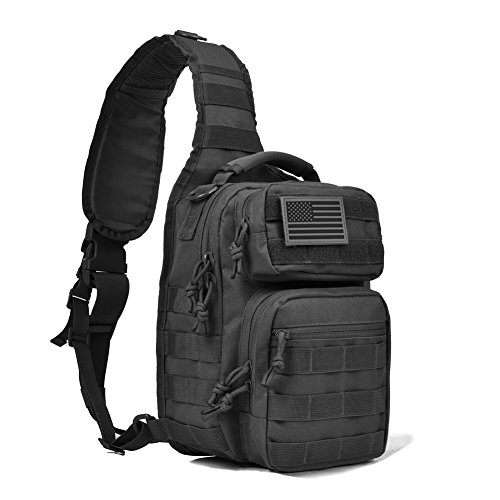
Avid target shooters looking for specialized organization will appreciate the Smith & Wesson M&P Officer Tactical Range Bag. It features heavy-duty ballistic fabric, individual padded handgun cases, and dedicated magazine pouches built specifically for organized range transit. Meanwhile, minimalist commuters seeking ultra-lightweight mobility will find great utility in the compact REEBOW GEAR Tactical Sling Bag for Men Military.
Consider your personal carrying habits, essential tool dimensions, and expected environmental conditions before finalizing your purchase. Investing in a properly reinforced tactical bag guarantees your gear stays organized, protected, and accessible wherever your journey leads.
Frequently Asked Questions
What defines Best Tactical Bags compared to standard backpacks?
Tactical bags feature high-denier fabrics, reinforced box stitching, and modular MOLLE attachment points that regular bookbags lack. They also include specialized compartments for rapid access tools, hydration bladders, and concealed carry gear built to withstand severe physical stress.
How does 1000D nylon compare to 600D polyester in tactical gear?
A 1000D nylon fabric provides significantly greater abrasion resistance and tensile tear strength against sharp rocks and rough terrain. In contrast, 600D polyester is lighter and more flexible, making it ideal for casual urban transit and daily carry loads.
What is the benefit of a sling bag over a traditional two-strap backpack?
A sling pack allows the user to rotate the entire bag to their chest without taking off the shoulder harness. This design provides instantaneous access to internal compartments while walking, sitting inside a vehicle, or standing in tight spaces.
Are tactical packs fully waterproof during heavy rainstorms?
Most tactical packs are water-resistant rather than completely waterproof, utilizing polyurethane coatings and water-repellent surface finishes to shed rain. For complete submersion protection, you should place sensitive electronic items inside dedicated internal dry bags.
What does the MOLLE webbing system do on modern tactical gear?
MOLLE webbing provides standardized horizontal attachment rows that allow users to mount specialized pouches, holsters, and tools externally. This modular system lets you scale your pack capacity up or down depending on the requirements of each individual trip.
How should I clean and maintain a nylon tactical backpack?
Clean tactical nylon by hand using lukewarm water, mild dish soap, and a soft-bristled brush to remove dried mud and sweat. Never place tactical packs in an automatic washing machine or clothes dryer, as mechanical agitation damages internal waterproof coatings and hardware.
What size tactical pack is best for a 72-hour bug-out situation?
A 72-hour emergency survival kit generally requires an assault rucksack with a capacity between 40 and 50 liters. This volume provides adequate space for emergency food rations, water filtration units, spare clothing, first-aid medical supplies, and compact shelter gear.
Can Best Tactical Bags be used for daily work and laptop carry in 2026?
Yes, many modern tactical packs include padded sleeves capable of safely holding tablets, small laptops, and charging accessories. Exploring our Health & Family guides can also provide valuable ideas for packing well-balanced daily utility kits.
How do compression straps improve load stability on outdoor treks?
Compression straps cinch unused interior space to hold equipment tightly against your spine and center of gravity. This stabilization prevents internal items from sliding around and shifting your balance while running, climbing, or traversing steep inclines.
What features are essential in a dedicated shooting range bag?
A quality shooting range pack should feature thick closed-cell foam padding, dedicated handgun storage sleeves, and fitted magazine slots. Heavy-duty dual zippers and reinforced carry handles are also critical for supporting heavy boxes of lead ammunition safely.


Write Your Review
No reviews yet. Be the first to share your experience!