

Starting the morning with an exceptional espresso often feels complicated when you are pressed for time. Modern automated brewers eliminate the frustration by handling grinding, tamping, and water flow with consistent precision.
Upgrading your kitchen setup allows you to replicate your favorite cafe beverages right on your countertop. If you are updating your space, explore our guide on how to get started with your kitchen renovation appliance lineup to plan your beverage station.
We compared 7 top options for September 2026 from trusted brands like MAttinata, VINCI, PHILIPS. This comprehensive guide highlights the essential brewing features to help you select the ideal machine for your household.




Super-Automatic Versus Semi-Automatic Brewing
Understanding the level of automation is the first decision you must make when shopping for an automated brewer. Super-automatic models handle bean grinding, measuring, tamping, and water dosing at the touch of a single button. Semi-automatic designs require you to load coffee grounds into a portafilter while the internal pump manages extraction pressure.
Fully automated systems are ideal for busy households where convenience and speed take top priority during morning routines. Semi-automated units give you hands-on control over ground density and dosing while still taking advantage of regulated water flow. Consider how much effort you want to invest in preparing your daily cup before selecting a platform.
As a practical guideline, choose super-automatic machines if you want consistent one-touch results without learning barista techniques. Select semi-automatic units if you prefer experimenting with different roasts and fine-tuning your extraction variables manually.
Pump Pressure and Crema Quality
Water pressure dictates how effectively moisture penetrates compacted grounds to extract soluble oils and rich aromas. Traditional Italian espresso relies on an optimal extraction baseline between 9 and 15 bars of pressure. Many modern home units feature 20-bar Italian pumps to ensure robust initial flow and dense golden crema.
Higher bar ratings provide extra headroom for pre-soak technology, which gently saturates grounds before applying full extraction pressure. This pre-infusion step prevents water channeling through dry spots and delivers a smoother, more balanced flavor profile. Look for machines that pair strong pumps with integrated pressure gauges so you can monitor your brew cycle in real time.
When evaluating pump specifications, remember that stable pressure regulation matters far more than extreme peak ratings. A machine delivering a steady 15 bars often produces more balanced coffee than an erratic 20-bar system without proper pressure relief.
Boiler Systems and PID Temperature Control
Thermal stability directly influences whether your coffee tastes delightfully sweet or unpleasantly bitter and sour. High-performance brewers utilize PID and NTC electronic temperature controllers that actively monitor heating elements in real time. These digital sensors keep brewing water locked within the ideal window between 195 and 205 degrees Fahrenheit.
Single-boiler units must switch temperatures between pulling espresso shots and generating high-heat steam for milk frothing. Dual-boiler systems feature dedicated heating blocks for brewing and steaming, allowing you to prepare milk drinks without waiting between operations. Investing in dual-element heating saves valuable minutes during busy mornings when preparing multiple beverages.
If you enjoy light roast beans, look for machines with adjustable PID temperature settings. Lighter roasts require slightly higher temperatures to extract delicate floral notes, while darker roasts benefit from slightly cooler water to prevent harsh bitterness.
Automated Milk Frothing and Steam Systems
Milk texturing systems vary significantly between external steam wands and integrated automatic milk carafes. Automatic carafes draw milk from a reservoir, steam it internally, and dispense silky microfoam directly into your cup. Manual commercial-style steam wands require you to position a stainless steel pitcher to create microfoam by hand.
Proprietary carafe systems provide unmatched convenience for crafting lattes and cappuccinos without any manual technique. However, traditional 10mm steam wands give latte art enthusiasts superior control over foam density and vortex creation. For broader interior design ideas to accommodate your beverage counter, browse our home living resource collection.
If you prefer automated milk carafes, ensure the components are easy to disassemble and rinse immediately after use. Tubeless milk systems that snap apart into two or three pieces minimize residue buildup and prevent sour odors from forming.
Bean Grinding and Pod Versatility
Freshly ground coffee beans produce significantly richer crema and aromatic depth compared to pre-ground packaged alternatives. Premium bean-to-cup machines feature integrated ceramic flat or conical burr grinders that minimize heat transfer during grinding. Ceramic burrs stay sharp across thousands of brew cycles without altering the natural flavor profile of delicate roasts.
Some compact automated machines offer hybrid versatility by accepting both pre-filled K-Cup pods and loose coffee grounds. These multi-format brewers allow you to switch effortlessly between rapid single-serve capsules and freshly ground artisanal beans. Having dual-brewing compatibility makes entertaining guests with different roast preferences remarkably simple.
When selecting a grinder-equipped model, check that it provides at least five distinct grind size steps. Finer settings are necessary for concentrated espresso shots, while coarser settings prevent over-extraction when brewing larger drip-style cups.
Drink Customization and User Profiles
Customization options determine how closely your automated machine can match your personal beverage preferences. Advanced automated models offer intuitive color touchscreens that allow you to adjust brew volume, coffee strength, and milk ratios. Many machines feature memory slots that let different family members save their preferred recipe parameters.
Preset drink menus on top-tier machines include hot espresso, lungos, cappuccinos, flat whites, and refreshing iced coffee options. The ability to fine-tune extraction volume prevents weak, watery drinks and ensures bold, concentrated results every morning. Check out our comprehensive guides for additional tips on configuring smart home appliances.
A smart rule of thumb is to look for machines offering at least three adjustable strength levels. This flexibility allows you to increase coffee dosage without altering the overall water volume in your favorite cup.
Maintenance, Cleaning Cycles, and Filtration
Regular maintenance is crucial for preserving the flavor of your coffee and extending the lifespan of internal boilers. Modern automated machines incorporate automated purge cycles that flush brew lines with steam and hot water after each drink. Removable brew groups allow you to rinse away trapped coffee oils under running tap water every week.
Water quality plays an enormous role in scale buildup and the longevity of internal thermocoil heating units. Integrated ion-exchange water filters remove impurities and calcium minerals, delaying the need for chemical descaling cycles for thousands of cups. Always verify whether a machine features dedicated descaling alerts that signal when mineral deposits require attention.
To avoid maintenance headaches, prioritize models with front-accessible water tanks and dishwasher-safe drip trays. Machines that simplify daily maintenance ensure that your appliance remains clean and reliable over years of continuous use.
Countertop Footprint and Water Tank Capacity
Countertop dimensions and water reservoir sizes dictate how convenient an automated brewer is for your kitchen layout. Compact brewers with narrow footprints slide effortlessly beneath low hanging kitchen cabinets and fit on crowded countertops. Larger machines house expansive water reservoirs and bean hoppers that reduce the frequency of daily refilling.
A reservoir capacity between 40 and 60 ounces provides the ideal balance for households brewing multiple drinks each morning. Removable water tanks with integrated carry handles make refilling at the sink straightforward and prevent accidental water spills on electronics. Ensure there is adequate overhead clearance to pour fresh beans into the top hopper without moving the machine.
Measure your available counter height before buying, accounting for at least two inches of upper clearance. This extra space makes opening bean hopper lids and refilling water containers effortless in standard kitchen configurations.
Acoustic Noise and Sound Shielding
Noise level is an often overlooked factor that significantly impacts early morning household tranquility. Traditional bean grinders and vibration pumps can generate loud buzzing sounds that disrupt sleeping family members. Premium automatic machines incorporate acoustic sound shielding and vibration dampeners around internal motors to soften operational volume.
Certified quiet brewing mechanisms reduce high-frequency motor whine to gentle hums during grinding and extraction cycles. If you brew coffee early in the morning, choosing a sound-dampened unit ensures a peaceful start to your day. Look for machines featuring specialized motor insulation designed to keep operating noise below 65 decibels.
When comparing specifications, keep in mind that high-torque ceramic burr grinders operate much more quietly than stainless steel blade grinders. Ceramic assemblies crush beans smoothly, reducing motor strain and eliminating sharp grinding screeches.
| Feature Category | Super-Automatic Systems | Semi-Automatic Systems | Compact Pod and Ground Brewers |
|---|---|---|---|
| Grinding Integration | Built-in ceramic burrs | Separate or manual grinding | Pre-ground or capsule pod |
| Pressure Output | 15 bars regulated | 15 to 20 bars with gauge | Optimized pump flow |
| Milk Preparation | Integrated automated carafe | Auto reservoir or manual wand | External accessory required |
| Maintenance Routine | Automated rinse and clean | Manual portafilter clean | One-touch line purge |
| Drink Customization | Touchscreen profiles and presets | Manual dose and tamp tuning | Single dial cup size adjustments |
Why You Should Trust Us
Our review process relies on methodical analysis of mechanical specifications, heating architectures, and pump efficiency. We evaluate technical schematics, boiler wattage, and digital PID sensor accuracy across leading appliance manufacturers. By examining verified performance data, we provide objective assessments of how each machine functions under everyday demands.
We analyze user feedback patterns and long-term durability reports to identify potential maintenance pitfalls and valve wear over time. This approach ensures our buying recommendations reflect real-world dependability rather than promotional claims. Our focus remains entirely on delivering transparent, data-driven buying advice for coffee enthusiasts.
Our product evaluations update regularly to incorporate new firmware capabilities, design refreshes, and emerging brewing innovations. We help you cut through marketing buzzwords so you can invest in a machine that delivers consistent flavor and enduring reliability.
Final Thoughts
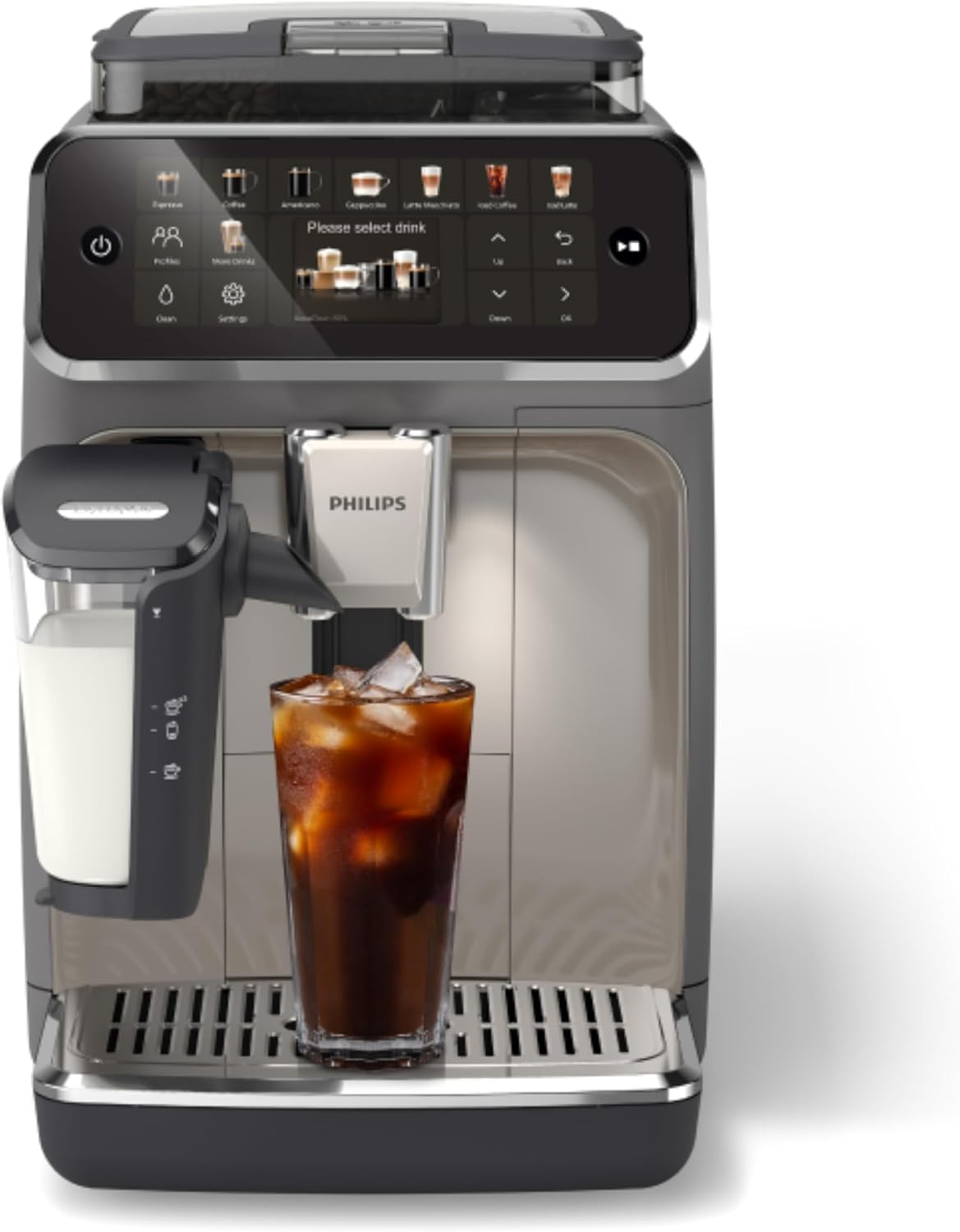
Choosing the right automated brewer transforms your daily morning routine from a hurried chore into an enjoyable ritual. For coffee drinkers seeking the ultimate bean-to-cup luxury with expansive drink options, the PHILIPS 5500 Series Fully Automatic Espresso stands as our top recommendation. Its twenty distinct presets, whisper-quiet grinding, and easy-clean milk system deliver unmatched versatility.
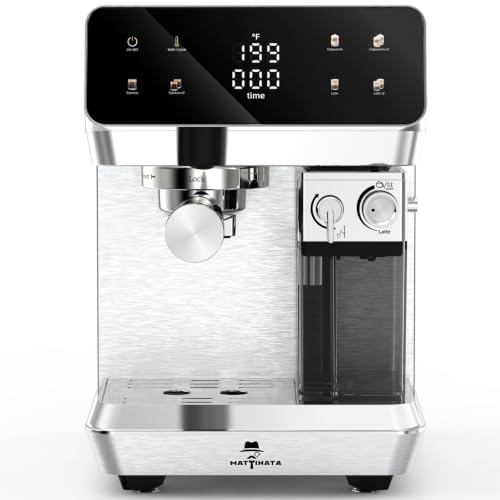
If you want barista-quality extraction and automatic milk texturing without a major investment, we recommend the MAttinata 1632L Espresso Machine. This machine combines a strong 20-bar pump, responsive PID temperature control, and automated foam texturing in an accessible package. For similar home product guides, check out our uncategorized collection.
For tight spaces, dorm rooms, or frequent travelers who demand flexibility, the VINCI Micro Café Brewer Compact Coffee Maker is an outstanding compact choice. It brews both standard K-Cup pods and freshly ground coffee while offering a dedicated water boil feature for maximum utility. Matching your daily brewing habits to these verified options guarantees delicious cafe drinks from your home counter.
Frequently Asked Questions
What makes Best Automated Coffee Machines worth the investment in 2026?
Automated brewers combine precision grinding, calibrated extraction pressure, and automated milk texturing into a single streamlined appliance. They replicate expensive cafe drinks at a fraction of the cost while saving you valuable time every morning. The consistent temperature control ensures balanced, flavorful coffee with every single brew cycle.
How often do automated coffee machines require descaling?
Most manufacturers recommend running a descaling cycle every two to three months depending on local water hardness. Machines equipped with advanced ion-exchange water filters can operate for thousands of cups before requiring a full descaling procedure. Always use manufacturer-approved descaling solutions to safeguard internal heating coils and silicone seals.
Is a 20-bar pump significantly better than a 15-bar pump?
A 20-bar pump provides higher peak pressure, which assists in pre-infusion and consistent extraction through finely ground coffee. However, traditional espresso extracts perfectly between 9 and 15 bars of sustained pressure. Both pump types produce excellent golden crema when paired with stable electronic temperature controls.
Can you use pre-ground coffee in fully automatic espresso machines?
Many fully automatic machines feature a dedicated bypass chute designed specifically for pre-ground coffee grounds. This bypass option allows you to brew single servings of decaffeinated coffee without emptying the primary whole-bean hopper. Always use the included measuring scoop to avoid overfilling and clogging the internal brew group.
How do you clean an automated milk frothing system properly?
Automated milk carafes should be purged with hot water or steam immediately after preparing a milk-based beverage. Removable carafes can be rinsed under warm tap water or placed on the top rack of a dishwasher. Daily rinsing prevents milk proteins from hardening and maintains hygienic frothing performance.
What type of coffee beans work best in automated espresso machines?
Medium to medium-dark roasts with a dry surface texture perform best in built-in ceramic or steel burr grinders. Extremely oily dark roasts can leave sticky residue that gums up grinder teeth and causes feed issues over time. For more tips on maintaining a clean and comfortable living space, explore our furniture and comfort guide.
Do automated coffee machines require special plumbing connections?
Standard home automated coffee machines use removable, refillable water reservoirs and do not require direct plumbing lines. These internal water tanks hold between 40 and 60 ounces, providing plenty of capacity for daily home use. You simply lift the reservoir out to fill it with filtered tap water at your sink.
What is the difference between ceramic and steel burr grinders?
Ceramic burrs generate less friction heat during grinding, preserving delicate aromatic compounds within the coffee beans. They are exceptionally durable and resist corrosion over thousands of brew cycles without dulling. Stainless steel burrs are equally sharp and durable but can heat up slightly faster during continuous high-volume grinding.
How much time does it take to brew a latte with an automated machine?
Most modern automated espresso machines complete a full latte from start to finish in less than two minutes. Fast-heating boilers reach brewing temperature in under ten seconds, allowing rapid coffee extraction and milk frothing. This remarkable speed makes crafting gourmet specialty drinks practical even on busy weekday mornings.
Can automated coffee machines make iced coffee beverages?
Many modern automated machines include dedicated iced coffee presets that brew at lower temperatures and higher concentrations. This specialized extraction ensures the coffee retains its rich body and bold flavor without tasting watered down as ice melts. You simply place a glass filled with ice beneath the dispensing spout before starting the brew cycle.








Write Your Review
No reviews yet. Be the first to share your experience!