

Preparing large quantities of smoothies, purees, or nut milks quickly exposes the mechanical limitations of everyday countertop blenders. When a pitcher is filled to the brim with frozen fruit and fibrous greens, entry level motors struggle to circulate the ingredients evenly. Investing in a machine engineered specifically for large volumes prevents mid cycle motor stalling and produces silky textures consistently.
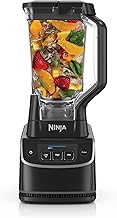
Searching for the Best High Speed Blenders for Large Batches means balancing raw motor wattage against pitcher geometry and airflow cooling. For homeowners upgrading their culinary equipment, our evaluation of 7 standout models across Blendtec, Vitamix, Cleanblend and more breaks down what truly matters in September 2026. For broader kitchen setup tips, take a look at our kitchen renovation appliance lineup guide.
Many shoppers assume that higher wattage ratings automatically guarantee superior results, but blade dynamics and jar curvature dictate real blending success. A poorly shaped container creates air pockets around the blades, leaving stubborn chunks hovering uselessly above the cutting zone. Understanding how these structural components operate together will save you time and frustration during meal preparation.



Buying Guide: Finding the Best High Speed Blenders for Large Batches
Choosing high performance blending equipment requires a detailed look at structural components that can withstand intense mechanical resistance. Processing high volumes of food places continuous strain on motors, driveshafts, and jar bearings, making engineering quality an essential consideration. We have outlined nine core technical criteria to help you identify the perfect machine for your culinary routine.
Motor Power and Continuous Running Torque
Motor performance in kitchen blenders is typically advertised using peak horsepower or maximum wattage. While peak ratings indicate the initial surge capacity of the motor at startup, continuous running torque determines whether blades keep spinning through dense ingredients. Machines operating between 1400 and 1800 watts maintain speed without bogging down under heavy loads.
When assessing motor specifications, look beyond peak horsepower claims and examine continuous performance under load. A true 2 to 3 horsepower commercial grade motor delivers the mechanical force necessary to pulverize hard seeds and crush solid ice. Underpowered motors lose rotational speed when handling thick batters, which results in grainy textures and prolonged blend cycles.
A practical rule of thumb is to look for motors with at least 1200 running watts for batches exceeding 50 ounces. Choosing a machine with robust torque ensures the blade will slice through frozen fruits rather than bouncing them uselessly. This continuous mechanical drive protects the appliance from premature motor wear over years of daily usage.
Pitcher Capacity and Usable Blending Volume
Pitcher capacity often creates confusion because total container volume rarely equals the maximum usable blending volume. A pitcher marked at 72 ounces may only safely accommodate 64 ounces of liquid when operating at top speed. Ingredients expand as they aerate, and high velocity vortexes require headspace to avoid pushing past the lid seal.
To handle bulk meal prep for an entire family, you should target blenders offering a minimum of 64 ounces of usable liquid space. Full size pitchers ranging from 64 to 75 ounces allow you to blend multiple breakfast servings or complete batches of soup at once. Skimping on pitcher capacity forces you into running repetitive back to back blending cycles, defeating the purpose of a high speed appliance.
Always check whether the container markings account for hot liquids, which expand significantly under steam pressure. When preparing hot soups, safety guidelines recommend filling the container no higher than two thirds full. Choosing an extra large pitcher provides the safety buffer required to puree steaming stocks without kitchen messes.
Container Geometry and Vortex Creation
The interior shape of a blender container is just as crucial as the motor spinning underneath it. Cylindrical pitchers tend to let ingredients spin in a circular motion without folding them back into the blades. Properly engineered jars use tapered profiles, interior ribs, or multi sided facets to break the centrifugal current and pull food downward.
Faceted designs like square FourSide jars disrupt circular ingredient flow to generate an aggressive vertical tumble. Similarly, classic tall narrow containers force ingredients through a focused funnel straight into the spinning blade tips. This continuous folding action eliminates dead zones where unblended chunks can hide along the outer walls.
When evaluating container shapes, look for internal baffles or asymmetrical ridges molded into the plastic walls. These features actively steer dense ingredients down into the cutting zone without requiring constant manual intervention. Strong vortex geometry reduces the need for frequent scraping and guarantees consistent results across large recipe volumes.
Blade Assembly Design and Metal Bearings
Many people assume blender blades must be razor sharp, but high speed blending relies primarily on blunt impact pulverization. Heavy gauge stainless steel blades spinning at over 20,000 revolutions per minute smash cell walls through sheer kinetic energy. Laser cut blades with blunt edges are far more durable than razor thin edges that dull after crushing ice cubes.
The mechanical connection beneath the blade is equally critical for long term operational reliability. High performance blenders utilize hardened steel driveshafts seated in sealed dual ball bearings. Plastic coupling gears and cheap rubber bushings degrade rapidly under high friction, eventually leaking lubricant or stripping their teeth under load.
A reliable benchmark is to check whether both the drive socket on the base and the blade gear on the pitcher are all metal. All metal drivetrains transfer motor torque efficiently without slipping or wearing down. If you regularly process frozen fruits and whole nuts, metal on metal couplings are completely non negotiable.
Speed Controls, Pulse, and Automated Programs
Total control over blade speed is essential when moving from delicate salad dressings to dense nut butters. Variable speed dials allow you to start at a gentle crawl, allowing ingredients to settle before ramping up to maximum velocity. Sudden high speed starts can create an air bubble around the blade, causing immediate cavitation in thick mixtures.
Pulse controls provide short bursts of power, giving you precision when dicing vegetables or crafting chunky salsas. Meanwhile, automated preset cycles modulate motor speeds and pause intervals automatically to draw ingredients into the vortex. These preprogrammed functions allow you to walk away while the machine handles frozen treats, smoothies, or hot soups.
When shopping, decide whether you prefer tactile manual control or automated hands free convenience. Experienced cooks often prefer continuous variable dials that give infinite nuance over emulsion textures. Busy families may lean toward smart digital presets that deliver reliable results at the touch of a single button.
Thermal Protection and Airflow Cooling Systems
Blending large batches of thick ingredients forces electric motors to draw substantial current, generating extreme internal heat. Quality blenders incorporate radial cooling fans and channeled air pathways to dissipate thermal energy during demanding tasks. Without efficient ventilation, heavy purees can quickly cause an electric motor to overheat and trip safety switches.
Advanced blenders feature built in thermal overload protection sensors that shut the unit down before the motor coils suffer permanent damage. While this safety mechanism protects your investment, waiting for an overheated blender to cool down disrupts dinner prep. Appliances with superior ventilation run cooler, allowing extended run times even when processing dense doughs or nut pastes.
Check the underside and rear of the motor base to examine the size and layout of the cooling intake vents. Well engineered commercial machines elevate the base on tall rubber feet to maximize unrestricted air intake from underneath. For more practical advice on maintaining durable appliances, visit our kitchen appliance guides page.
| Blender Category | Typical Capacity | Motor Power | Drivetrain Type | Primary Strength |
|---|---|---|---|---|
| Commercial Workhorse | 64 oz – 75 oz | 1800W / 3 HP | All-Metal Gear Couplings | Sustained Heavy Blending & Soups |
| Professional Classic | 64 oz | 1400W / 2 HP | Hardened Steel Bearings | Silky Emulsions & Smoothies |
| High-Capacity Value | 72 oz | 1000W – 1400W | Reinforced Hybrid Drive | Bulk Frozen Drinks & Smoothies |
| Compact Commercial | 64 oz – 75 oz | 1560W / 3 HP | Direct Drive Blunt Blade | Whole Juicing & Purees |
Pitcher Material, Durability, and Safety
Large volume blenders almost universally avoid heavy glass pitchers in favor of premium BPA-free copolyester materials like Eastman Tritan. Glass is prone to catastrophic thermal shock when processing boiling liquids and can shatter if struck by a high speed blade fragment. High impact copolyester offers optical clarity, lightweight handling, and outstanding impact resistance against airborne ice chunks.
Durability extends to chemical resistance against discoloration, clouding, and lingering food odors. Inexpensive plastics quickly absorb essential oils from citrus rinds and spices like turmeric, leaving permanent stains and cloudiness. High grade Tritan containers resist etching from hard seeds and withstand thermal expansion from hot soups and dishwashers.
When selecting a container, verify that the lid features a secure locking mechanism with an airtight silicone perimeter gasket. The central lid cap should be removable to allow steam ventilation during hot blends and ingredient addition while running. A snug lid prevents dangerous hot splatters when processing voluminous recipes for family dinners.
Ease of Cleaning and Self-Clean Modes
Maintaining a large capacity blender should not involve awkward disassembly or handling hazardous sharp blade assemblies. The most effective professional blenders clean themselves directly on the motor base within sixty seconds. Adding warm water and a drop of dish soap before running on high speed creates an internal scouring vortex that reaches every corner.
Jars with integrated fixed blades eliminate the risk of leaking gaskets and prevent mold buildup under removable threaded collars. Removable blade assemblies may sound appealing for hand washing, but frequent disassembly weakens seals and increases leaking risks. Smooth interior surfaces without deep crevices ensure that thick residues rinse away cleanly under the tap.
If dishwasher compatibility is a priority, confirm that both the container and lid are top rack dishwasher safe. Look for smooth exterior jar bases that do not collect dirty puddle water when placed upside down in the dishwasher rack. Keeping maintenance simple ensures you use your high speed blender daily rather than leaving it in storage.
Base Stability and Footprint on Countertops
Spinning huge batches of frozen ingredients generates substantial centrifugal vibrations that can cause lightweight blenders to wander across countertops. A heavy motor base equipped with high grip suction or dense rubber feet absorbs mechanical vibration and prevents countertop walking. Substantial base weight indicates quality internal motor windings rather than hollow, lightweight plastic assemblies.
You must also evaluate total vertical clearance, especially if you plan to store the blender beneath standard kitchen upper cabinets. Standard residential cabinets sit eighteen inches above countertop surfaces, while many classic commercial blenders stand over twenty inches tall. Taller models may require storing the pitcher beside the base or opting for a wide low profile container design.
Measure your cabinet clearance before committing to a specific high capacity pitcher design to prevent storage headaches. If counter real estate is scarce, a compact base footprint with integrated cord wrap channels keeps workspaces neat and organized. For broader home inspiration on organizing kitchen tools, browse our Home & Living section.
Why You Should Trust Us
Our recommendations stem from rigorous analysis of manufacturer engineering schematics, certified performance testing data, and long term mechanical reliability patterns. We examine the exact drivetrain components, bearing construction, thermal dissipation ratings, and pitcher materials across leading kitchen equipment. This objective technical scrutiny ensures our rankings prioritize real durability over transient marketing claims.
We track real world user experiences across diverse culinary applications, ranging from dense whole grain milling to delicate emulsions and large family smoothies. By identifying recurring friction points like motor burnout, seal degradation, and container crazing, we can accurately gauge everyday product longevity. Our editorial standards are independent, and we consistently reevaluate our guides to incorporate evolving blender technology.
Transparency remains central to our product evaluations, which is why our comparison matrices reflect verified operational specifications. We never accept free promotional items in exchange for favorable placement, and we maintain strict criteria across every price tier. Our mission is to provide actionable culinary intelligence that empowers you to make a confident, lasting kitchen investment.
Final Thoughts
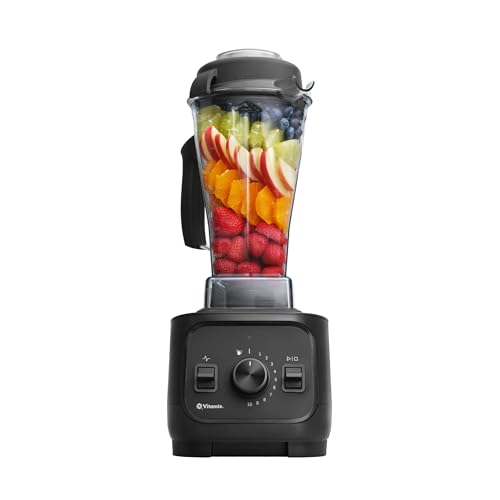
Selecting the Best High Speed Blenders for Large Batches requires matching your household routine with the appropriate motor capability and container size. For cooks seeking uncompromising commercial performance and legendary blending longevity, the Vitamix 5200 Professional-Grade Blender remains the definitive gold standard. Its classic tall container creates an unmatched vortex that continuously folds voluminous mixtures through laser cut blades without stalling.
If you want exceptional blending strength at a budget friendly price point, the nutribullet Power Core™ Blender, 1400W Peak Power delivers remarkable value. Featuring an extra large 72-ounce pitcher and 1400 watts of peak power, it effortlessly tackles family breakfast smoothies and meal prep sauces. It proves you do not need to spend commercial prices to achieve smooth results in high volume recipes.
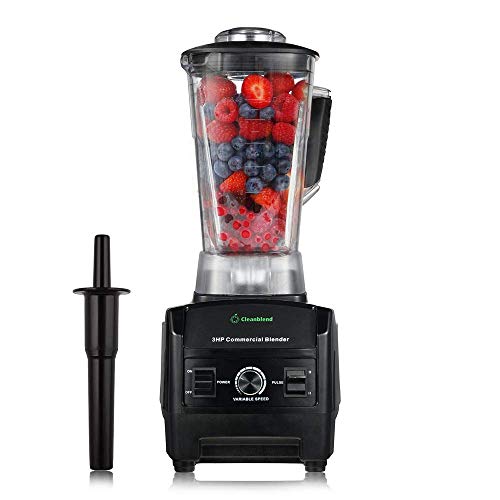
For high demand kitchen environments and heavy duty culinary projects, the Cleanblend Commercial Blender with 5-Year Full packs an impressive 1800-watt, 3-horsepower motor. It handles dense ingredients, ice crushing, and hot soups with industrial grade resilience, supported by an eight blade sealed bearing system. Whichever option fits your countertop, investing in high speed performance transforms your batch cooking efficiency.
As you configure your culinary prep space, balance appliance performance with reliable home utility. For additional ideas on maintaining a clean and functional living environment, explore our recommendations in Uncategorized articles. Equipping your home with the right appliances saves time, eliminates kitchen frustration, and elevates your daily healthy cooking habits.
Frequently Asked Questions
What motor wattage is ideal for large batch high speed blending?
For processing large batches exceeding 60 ounces, look for a motor rated between 1200 and 1800 watts. This wattage level delivers sufficient sustained torque to power through dense frozen ingredients without stalling. Units below 1000 watts often struggle with heat buildup when running extended bulk blend cycles.
Can I blend hot soups directly inside high speed blender pitchers?
Most commercial style high speed blenders can process hot liquids safely if the container is made from thermal shock resistant Tritan copolyester. You must always remove the center lid plug to allow steam pressure to vent safely during operation. Filling the jar to only two thirds capacity prevents hot liquids from expanding past the lid.
What makes a blender suitable for the Best High Speed Blenders for Large Batches in 2026?
A blender qualifies for this category by pairing a high capacity container of 64 ounces or more with a commercial grade motor. It must also feature robust internal cooling and metal drive couplings to handle continuous mechanical resistance. Superior vortex geometry is essential so large ingredient volumes fold down into the blades automatically.
How do I prevent cavitation when blending dense large batches?
Cavitation happens when an air bubble forms over the spinning blades, starving them of ingredients. You can prevent this by adding liquids first, followed by soft produce, and placing dense frozen items on top. Using a tamper tool through the lid plug while running helps push thick mixtures back into the cutting vortex.
Why are blunt blender blades better than razor sharp blades for high speed processing?
High speed blenders turn blades at speeds exceeding 20,000 RPM, using kinetic force to pulverize cellular structures on impact. Razor sharp edges dull quickly against ice, frozen fruit, and hard seeds, leading to inconsistent performance over time. Thick blunt stainless steel blades maintain their pulverizing power indefinitely and are safer to clean by hand.
What is the difference between total pitcher capacity and usable blending capacity?
Total capacity measures the physical liquid volume the pitcher can hold filled up to the very brim. Usable blending capacity is the safe maximum volume you can process at high speed without overflow or violent splashing. For safety and optimal blending circulation, usable capacity is typically 8 to 12 ounces lower than total brim volume.
Can high speed blenders replace a dedicated food processor for large recipes?
High speed blenders can handle many food processing tasks like pureeing, grinding flours, and blending thick batters with ease. However, they cannot produce uniform thin vegetable slices or shredded cheese like a food processor disc. For purees, nut butters, and emulsions in large volumes, a high speed blender is actually the superior tool.
How does container geometry influence vortex formation during bulk blends?
Container shape determines how ingredients circulate when accelerated by high velocity spinning blades. Narrow tapered containers and faceted square jars disrupt circular spin, forcing ingredients up the walls and folding them down the center. This vertical rolling motion ensures every piece of food passes through the blade assembly multiple times.
How do I properly self clean a high performance blender pitcher?
Fill the pitcher halfway with warm water and add one or two drops of gentle liquid dish soap. Secure the lid tightly, start the blender on low speed, and gradually increase to maximum speed for 30 to 60 seconds. The high velocity soapy vortex scours under the blades, requiring only a quick rinse with clean water afterward.
Are high speed blenders loud when running at maximum RPM?
Because these appliances house heavy commercial motors spinning at extreme speeds, they generate substantial sound between 80 and 90 decibels. Placing a dense silicone or rubber mat beneath the base helps absorb acoustic table vibrations during heavy crushing tasks. Running the blender on high speed for shorter, efficient bursts minimizes overall noise exposure in the kitchen.



Write Your Review
No reviews yet. Be the first to share your experience!