

Steam infusion cooking elevates countertop meal preparation by locking in essential moisture while preserving delicate flavors and nutrients. Traditional ovens often dry out tender proteins, leaving home cooks with uneven results during busy weeknight dinners.
Finding the right model among the Best Home Steam Ovens requires balancing internal capacity, heating consistency, and intuitive moisture management. We evaluated 5 popular options available in September 2026 from brands like Nuwave, Midea, Magnavox to help you identify reliable appliances for your kitchen.
Modern combi units now blend rapid convection, precision baking, and steam injection into compact footprints that fit comfortably under standard cabinets. Explore our kitchen renovation appliance lineup guide to discover how these versatile units fit into a modern culinary space.


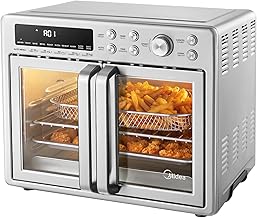
Steam Generation Mechanism and Moisture Control
Dedicated steam generation systems regulate internal humidity levels to prevent delicate meats and baked goods from drying out. Countertop ovens achieve this balance through internal boiler tanks or direct water injection pulses over heating elements.
Advanced units offer adjustable humidity percentages ranging from light misting to heavy saturated steam for versatile cooking tasks. This precise control allows you to steam delicate vegetables gently or combine moisture with high heat for crusty breads.
When evaluating steam mechanisms, check whether the oven uses continuous injection or scheduled humidity pulses during cooking cycles. A smart rule of thumb is to seek models offering variable steam percentages if you frequently bake artisan sourdough or prepare delicate fish.
Temperature Range and Precision Heating
A wide thermal spectrum allows a single countertop appliance to handle delicate low-temperature dehydrating as well as searing roasts. Quality steam ovens operate smoothly from low warmth around 100 degrees Fahrenheit up to intense roasting heats of 450 degrees Fahrenheit.
Precision temperature stability prevents scorching while ensuring that multi-stage cooking sequences transition seamlessly between low and high heat. Fast heating technologies like graphene elements or quartz rods reduce preheating times down to mere minutes.
Look for appliances offering single-degree adjustments if you plan to utilize air sous vide modes for precision steaks and seafood. Consistent thermal regulation ensures that internal temperatures remain steady throughout extended cooking sessions.
Cooking Capacity and Usable Cavity Volume
Usable interior volume determines the batch sizes you can prepare without overcrowding wire racks and baking trays. Compact models usually offer around 16 quarts of cavity space, whereas spacious family units expand beyond 26 quarts.
A larger cavity allows you to roast a whole five-pound chicken or bake a twelve-inch pizza without touching heating elements. Compact footprints work better for dorm rooms or smaller apartment kitchens with limited countertop depth.
Always check internal cavity dimensions rather than external housing measurements when planning your weekly meal prep portions. If you routinely feed four or more people, prioritize models with multi-level rack positions and generous vertical clearance.
Multi-Stage Cooking and Combination Modes
Combination cooking represents the greatest strength of modern countertop steam appliances by blending moist heat with intense convection airflow. This dual approach locks natural juices inside poultry while crisping skin to a golden brown finish.
Multi-stage programming allows the oven to steam an ingredient first and immediately switch to convection broiling without manual intervention. This automated handoff saves significant kitchen prep time while producing restaurant-grade textures across diverse recipes.
Review the preset programs to ensure the appliance supports seamless transitions between steaming, baking, and air frying modes. Selecting an oven with customizable combo presets gives you complete creative control over complex recipes.
Interior Materials and Food Safety Standards
The construction materials inside the cooking chamber directly affect long-term durability, heat retention, and food contact safety. Premium steam ovens feature high-grade stainless steel walls or specialized enamel coatings designed to resist rust and grease accumulation.
Non-toxic interior surfaces prevent chemical leaching under intense heat and moisture during repetitive high-temperature cycles. Non-stick coatings should be free of harmful compounds like PFAS, PTFE, and PFOA for safe everyday meal preparation.
Inspect the cavity seams and back panels to confirm they can handle persistent humidity without corroding over years of use. Stainless steel interiors provide superior corrosion resistance against constant moisture compared to standard painted metal housings.
Convection Airflow and Air Fry Capabilities
Powerful convection fans circulate heated air rapidly across food trays to create uniform browning and crunchy textures. When combined with steam infusion, high-speed airflow produces crispy exterior shells without drying out tender internal meats.
Top-mounted turbo fans distribute heat evenly around multi-rack arrangements, preventing hot spots that cause localized burning. This dynamic circulation eliminates the need for excessive cooking oil while achieving traditional deep-fried textures.
For families seeking healthier cooking alternatives, browse our Home & Living resources to explore modern wellness kitchen techniques. Ensure the fan operates quietly during long air frying cycles to maintain a pleasant kitchen environment.
Water Reservoir Placement and Refill Accessibility
Countertop steam ovens rely on dedicated water tanks to supply moisture throughout active cooking and baking cycles. External reservoirs that pull out from the front panel allow you to add water mid-cook without opening the main door.
Internal reservoirs or drip trays require opening the cooking chamber, which releases valuable heat and built-up steam into your kitchen. Front-loading water tanks maintain cooking stability and prevent thermal loss during extended combination baking programs.
Check the water container capacity to confirm it holds sufficient liquid for long roasts without requiring frequent refills. A transparent reservoir with visible water level markings helps you monitor liquid volume at a quick glance.
Door Configurations and Kitchen Workspace Clearance
Door design impacts how comfortably you can transfer hot, heavy baking pans onto your kitchen counter space. Traditional pull-down doors require substantial clearance in front of the unit and may expose arms to escaping steam.
French door designs open outward from the center with a single handle pull, providing wide access while saving front clearance. This setup is particularly convenient in narrow galley kitchens where counter space is shared with prep cutting boards.
Consider the swing radius and overhead clearance before deciding between dual French doors and classic drop-down styles. Sturdy handles with cool-touch materials ensure safe handling when removing sizzling roasts from hot chambers.
Preprogrammed Presets and User Interface
Digital interfaces with one-touch presets simplify everyday cooking routines for busy home cooks who value speed. Pre-calibrated settings adjust steam levels, temperature stages, and convection fan speeds automatically for specific food groups.
Intuitive rotary dials combined with bright LED displays make modifying cooking time and temperature straightforward during meal prep. Dedicated modes for pizza crusts, artisan toast, and gentle dehydrating remove guesswork from intricate culinary techniques.
Look for appliances that allow manual overrides so you can tweak preset temperatures to suit personal taste preferences. Clear audible end-of-cycle alerts prevent overcooking by signaling precisely when dishes finish their steaming phase.
Cleaning Maintenance and Descaling Support
Moisture combined with food splatter creates stubborn grease layers that require regular maintenance to keep the oven fresh. Built-in steam cleaning cycles loosen baked-on residue from internal cavity walls, allowing for effortless wipe-down cleaning with a damp cloth.
Mineral buildup from tap water can clog internal steam lines over time if the machine lacks dedicated descaling routines. Removable crumb trays, dishwasher-safe air fry baskets, and smooth enamel walls significantly reduce post-dinner cleanup efforts.
For detailed maintenance practices across modern household gear, check out our helpful Guides collection for home appliance care. Running a monthly descaling cycle with diluted white vinegar extends the functional lifespan of internal steam generators.
| Feature Category | Compact Steam Ovens (16-17 QT) | Full-Size Combi Ovens (25-26.4 QT) |
|---|---|---|
| Primary Heating Element | Standard Quartz / Stainless Heating Rods | Advanced Graphene Rapid Heat Elements |
| Steam Delivery Method | Steam Infusion & Pulse Injection | Controlled Boiler Steam & Multi-Stage Combo |
| Typical Temperature Range | 200°F to 450°F | 50°F to 450°F (With Sous Vide Range) |
| Door Style | Standard Drop-Down Glass Door | Single-Pull Dual French Doors |
| Best Kitchen Application | Daily Toasting, Small Roasts, Reheating | Artisan Pizza, Large Whole Poultry, Multi-Racks |
Why You Should Trust Us
Our editorial team evaluates countertop cooking appliances through meticulous analysis of manufacturer specifications, heating technologies, and real-world performance data. We break down complex engineering features like steam injection methods, airflow dynamics, and chamber materials to deliver objective buying guidance.
We track product updates across major brands and monitor evolving culinary trends to keep our appliance comparisons fresh and accurate. By categorizing ovens across distinct capacity tiers and price ranges, we help shoppers find reliable solutions that match their kitchen dimensions.
Our assessments remain strictly independent, focusing on long-term durability, functional versatility, and ease of routine maintenance. We continually refresh our evaluations across all categories on our Uncategorized category page to provide practical value for home cooks.
Final Thoughts
Selecting the right appliance from the Best Home Steam Ovens collection depends on your family size, counter space, and culinary ambitions. If you desire professional-grade precision with advanced air sous vide capabilities, the Nuwave Combi Steam Oven, Non-Toxic Stainless Steel serves as our top recommendation for serious home chefs.
For budget-conscious households wanting to explore steam-assisted cooking without spending a fortune, the Magnavox Home, 16.5 qt Air Fryer Oven delivers exceptional value. Its intuitive six-function selector and diamond-pattern heat distribution provide dependable weeknight roasting and baking results at an approachable entry price.
If spacious capacity and rapid graphene heating are your main priorities, look toward the Midea Flexify Pro French Door Air Fryer Toaster for family-sized meals. Alternatively, both the Midea Flexify Classic French Door Toaster Oven Air and compact Midea Flexify Slim 8-in-1 French Door Toaster Oven offer wonderful multi-function flexibility for tight countertop layouts.
Upgrading your countertop cooking setup makes preparing wholesome, moisture-rich meals faster and far more enjoyable every single day. Taking time to assess your kitchen space and cooking habits will guarantee that your chosen steam oven becomes an indispensable culinary asset.
Frequently Asked Questions
How does a steam oven differ from a standard convection toaster oven?
Standard convection toaster ovens rely solely on circulating dry hot air to cook food, which can quickly dehydrate lean proteins and baked items. A steam oven introduces controlled moisture into the cooking cavity, keeping interiors juicy while convection heat crisps the exterior surfaces.
Can you bake artisan bread in Best Home Steam Ovens in 2026?
Yes, baking bread in modern steam combi ovens produces professional bakery results with glossy crusts and open crumb structures. The initial burst of steam keeps the dough surface pliable for maximum oven spring before dry heat forms a crunchy crust.
Do countertop steam ovens require dedicated plumbing hookups?
Countertop steam ovens do not require direct plumbing connections or complicated household modifications. They utilize refillable, removable water tanks that you manually fill at the kitchen sink before starting your cooking cycle.
What is the benefit of combi steam cooking for poultry and roasts?
Combi steam mode simultaneously exposes meat to saturated moisture and convection airflow to prevent moisture loss. This dual action renders fat evenly while keeping the meat tender and achieving perfectly browned, crackling skin.
Is an air sous vide feature as effective as a traditional water bath?
Air sous vide technology precisely controls low temperature and high humidity to gently cook vacuum-sealed or uncovered meats evenly. It eliminates the need for bulky water containers and immersion circulators while delivering edge-to-edge doneness.
How often do you need to descale a countertop steam oven?
Most manufacturers recommend descaling your steam oven every four to eight weeks, depending on how often you cook with steam. If you live in an area with hard tap water, monthly descaling prevents mineral buildup from clogging internal steam nozzles.
Can you use regular tap water in a home steam oven reservoir?
While tap water is generally safe to use, distilled or filtered water is strongly recommended for all countertop steam units. Filtered water significantly reduces scale accumulation, keeping internal heating elements cleaner and prolonging the life of your appliance.
What type of cookware is safe to use inside a steam combi oven?
Stainless steel pans, oven-safe glass dishes, silicone baking mats, and ceramic cookware work wonderfully inside steam ovens. Avoid using paper towels or standard parchment paper that could become saturated and block moisture vents during high-humidity cycles.
Does steam cooking take longer than standard convection air frying?
Steam actually transfers thermal energy faster than dry air, which often shortens total cooking times by fifteen to twenty-five percent. Combining steam with convection ensures food heats thoroughly to the center without over-browning the outside.
How do French doors improve countertop oven usability?
French doors open outward with a single pull handle, minimizing the clearance space required in front of the oven on your countertop. This design makes inserting and removing heavy, hot roasting trays safer and much more ergonomic in tight kitchens.




Write Your Review
No reviews yet. Be the first to share your experience!