

Crafting immersive audio triggers requires hardware capable of picking up subtle whispers, delicate brush strokes, and soft tapping sounds without introducing unwanted hiss. Finding the Best Microphones for ASMR in 2026 has become critical as audio production standards rise across streaming and video platforms. Modern creators need equipment that delivers transparent sound fidelity right from the first take.
In September 2026, audio brands have introduced specialized capsule arrays and ultra-low noise preamps that make high quality recording accessible to creators at any skill level. Many beginner creators make the mistake of buying loud gaming microphones that drown quiet sounds in background hum. Our updated guide compares 6 distinct models across Logitech G, AKG, FIFINE and more to help you identify the right acoustic match.
Whether you need an intuitive plug-and-play USB setup or an expansive dual-mic stereo studio rig, choosing the proper gear sets your audio apart. Just as maintaining a tidy studio involves smart storage habits like best recycling sorters for Kitchens, Garages, offices, building your sound station requires careful hardware choices. Let us explore the finest recording gear available this season.




Navigating the technical specifications of studio microphones can feel overwhelming when your primary goal is capturing quiet, nuanced textures. We have organized the most important evaluation criteria below, ranking them by how significantly each factor influences your final audio quality and listener immersion.
Self-Noise and Equivalent Noise Level (EIN)
Self-noise refers to the electrical hiss produced by the internal circuitry of the microphone itself during operation. In typical vocal recording this faint hiss remains unnoticed behind loud singing or speech, but ASMR content magnifies silent intervals dramatically. When you increase gain to record a gentle whisper, high self-noise becomes an audible and distracting hiss for listeners.
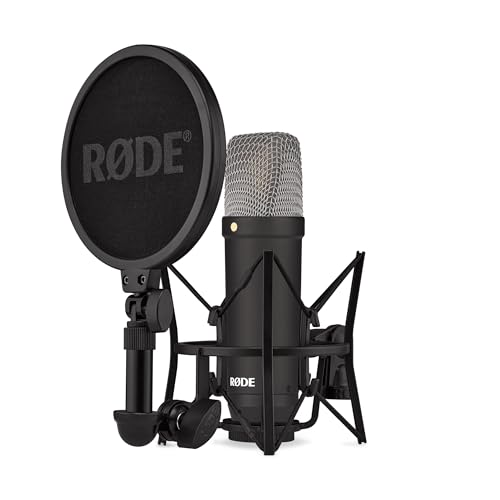
When evaluating technical specifications, look for the Equivalent Noise Level rating, often measured in A-weighted decibels. Studio-grade condenser microphones designed for delicate audio work typically boast self-noise ratings under 14 dBA. High-end studio options like the RØDE NT1 Signature Series Studio Condenser reach an extraordinary 4 dBA level, making them practically silent.
A reliable rule of thumb is to avoid any microphone with self-noise exceeding 18 dBA for whisper-focused tracks. Microphones with high internal noise force you to use digital noise removal filters in post-production, which often strips away delicate acoustic frequencies. Prioritizing low native noise at the hardware level ensures crisp, organic recordings without software degradation.
Capsule Polar Patterns and Stereo Imaging
Polar patterns dictate the directional sensitivity of a microphone capsule, determining where sound is captured and where background noise is rejected. Standard cardioid patterns capture audio directly in front while ignoring sounds from the rear, which works well for centered vocal triggers. However, immersive spatial audio triggers require multi-pattern flexibility or dedicated stereo channels to simulate physical presence.
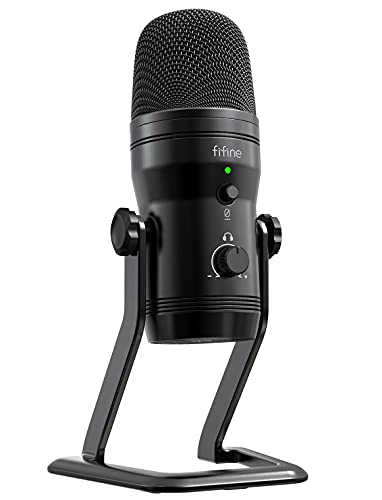
Multi-capsule microphones often provide cardioid, omnidirectional, bidirectional, and true stereo recording modes switchable with a single physical knob. Stereo mode uses two or more capsules to separate left and right acoustic information, producing that signature ear-to-ear tingling sensation. Devices like the Logitech Creators Blue Yeti USB Microphone for PC and FIFINE K690 USB Studio Recording Microphone offer dedicated stereo modes directly over USB.
For authentic binaural or wide stereo triggers, dual-mic bundles offer unmatched physical channel separation compared to single chassis units. When planning your studio arrangement, decide whether a compact single unit or a dual-microphone interface fits your desk layout better. You can test your stereo width by moving a soft brush slowly across both capsule sides during sound checks.
Acoustic Sensitivity and Frequency Response Range
Acoustic sensitivity measures how efficiently a microphone converts minute air pressure changes from sound waves into electrical audio signals. ASMR creation relies heavily on capturing micro-sound dynamics such as fingernail tapping, gentle page turns, and breathing nuances. High sensitivity ensures that even the softest sound triggers register clearly without requiring extreme preamp gain levels.
Frequency response describes the specific frequency range the microphone reproduces, commonly spanning from 20 Hz up to 20,000 Hz. A flat, extended frequency response preserves the deep warmth of low vocal tones while capturing bright, airy high-frequency transients. The ZealSound Podcast Microphone for iPhone PC & Mac offers tailored sensitivity to highlight high-frequency textures without harsh sibilance.
When evaluating frequency charts, look for smooth treble response curves rather than aggressive upper-midrange peaks that cause sharp piercing sounds. Sudden boosts around 5 kHz can make mouth sounds jarring instead of relaxing for your audience. Select a microphone that balances transparent high-frequency extension with natural low-end body for balanced playback.
Connectivity: USB Versus XLR Audio Systems
The connection interface determines how your microphone sends audio data to your computer, mobile device, or recording mixer. USB microphones feature built-in analog-to-digital converters and preamps, allowing creators to plug directly into computers without purchasing separate hardware. XLR microphones output an analog signal that requires an external audio interface with phantom power to function.
Beginners often favor USB models because they minimize clutter and offer seamless plug-and-play operation across desktop and mobile devices. Multi-platform options like the AKG Pro Audio Lyra Ultra-HD USB C Microphone connect instantly to PCs, Macs, and tablets with zero software configuration. Conversely, XLR systems provide superior long-term upgradeability and let you expand into dual-microphone binaural ear rigs over time.
If you plan to stream or record quick mobile sessions, a high-resolution USB condenser provides unbeatable convenience and speed. If you intend to build a permanent studio with advanced outboard preamps and custom mixers, investing in an XLR setup remains the superior choice. Assess your recording workspace and technical comfort level before deciding which connection type suits your production goals.
Real-Time Zero-Latency Headphone Monitoring
Real-time monitoring allows creators to listen to their own audio feed through headphones with zero computational delay. When recording quiet whispers and binaural sound effects, immediate auditory feedback is critical for maintaining consistent mouth-to-mic distance. Even a minor delay between speaking and hearing your voice can cause disorientation and disrupt your recording cadence.
Look for microphones equipped with an integrated 3.5 mm headphone jack backed by a dedicated hardware monitoring circuit. This hardware loop bypasses computer processing entirely, sending the raw analog signal straight to your ears in real time. Microphones such as the ZealSound Podcast Microphone for iPhone PC & Mac include independent monitoring volume knobs directly on the chassis.
Always verify whether the microphone allows you to blend computer playback with direct hardware monitoring sound. A proper mix balance lets you hear background soundscapes or stream cues while monitoring your whisper levels accurately. High-quality monitoring prevents unexpected clipping and helps you catch subtle background noises before ending a long recording session.
Onboard Hardware Controls and Gain Management
Having tactile hardware controls directly on the microphone body speeds up workflow and prevents disruptions during live broadcasts or recordings. Essential controls include a smooth gain adjustment knob, a dedicated headphone volume wheel, and an instant mute button. Accessing these settings physically eliminates the need to open software control panels while you are in the middle of a delicate scene.
Visual indicators such as illuminated LED rings or color-coded mute buttons provide immediate confirmation of your current microphone status. The FIFINE K690 USB Studio Recording Microphone features an intuitive mute switch alongside quick pattern selection dials. Clear visual status prevents embarrassing hot-mic incidents and accidental silent recordings during extended live streaming sessions.
When adjusting microphone gain, always set your levels so that your loudest ASMR triggers peak around -12 dB on your recording meters. Leaving adequate digital headroom prevents unpleasant digital distortion when applying tapping or crinkling props close to the capsule. Tactile gain dials allow you to execute smooth dynamic volume changes without introducing digital mouse clicks into your track.
Vibration Isolation, Mounting, and Mechanical Noise
Condenser capsules are remarkably sensitive to mechanical vibrations transmitted through desks, floors, and mounting arms. Simple desk bumps, keyboard clatter, or footsteps can produce deep low-end rumbles that muddy your entire audio mix. Proper vibration isolation is essential to keep your recording background completely dead and free from low-frequency thumps.
Premium microphones often bundle dedicated elastic shock mounts designed to suspend the microphone chassis in mid-air using tension bands. The RØDE NT1 Signature Series Studio Condenser includes the professional SM6 shock mount with a detachable dual-layer pop filter. Investing in a solid boom arm further decouples the microphone from desk vibrations while freeing up valuable workspace.
Just as keeping studio surfaces clean with best quartz cleaners for Streak-Free countertop care protects your workspace, mechanical dampening protects your audio stream. A practical rule is to place high-density foam pads beneath desktop stands if you do not use a dedicated boom arm. Isolating the mic mechanically ensures that only airborne acoustic triggers enter your recording path.
Wind Protection, Pop Filters, and Plosive Control
Close-proximity whispering exposes microphone diaphragms to rapid bursts of air known as plosives, caused by consonant sounds like P and B. In ASMR recording, these air bursts create harsh low-frequency pops that startle listeners wearing headphones. Effective wind protection disperses turbulent air before it collides with the sensitive internal capsule diaphragm.
Pop protection comes in various designs, including metal mesh screens, multi-layer nylon filters, and high-density foam or furry windscreens. Dedicated sets like the TONOR ASMR Microphone Equipment Bundle With Audio include custom furry windscreens that eliminate breath sounds during intimate proximity recording. These furry covers soften air currents while preserving delicate high-frequency crispness.
Always position external pop shields roughly two to three inches away from the microphone capsule surface for optimal air dispersion. When recording ear-to-ear whispering without a windscreen, speak slightly across the capsule rather than directly into the center diaphragm. This off-axis speaking technique naturally deflects breath blasts while maintaining rich vocal proximity effect.
Studio Workflow and Audio Interface Integration
For creators using dual-capsule rigs or multiple microphones, a dedicated audio interface acts as the central control hub. Interfaces provide clean phantom power, analog preamplification, and precise left-right stereo balance adjustment via hardware faders. Managing both channels simultaneously gives you complete creative authority over stereo width and spatial positioning during live sessions.
Bundled equipment kits simplify this workflow by pairing calibrated condenser mics with matching stereo sound cards right in the box. The TONOR ASMR Microphone Equipment Bundle With Audio features dual-fader channel controls and direct phone charging capabilities during streaming. Having integrated hardware faders allows you to adjust volume smoothly between triggers without touching recording software.
When organizing multi-cable setups, maintaining an orderly workspace is as essential as how to organize your cleaning supply cabinet with bathroom cleaner and floor cleaning solution. Bundle your XLR or USB cables neatly along your boom arms to prevent accidental tugs and mechanical noise during live takes. Clean physical routing protects your equipment ports and ensures dependable performance throughout every session.
| Microphone Model | Connection Type | Polar Patterns | Hardware Monitoring | Primary Strength |
|---|---|---|---|---|
| Logitech Creators Blue Yeti USB Microphone for PC | USB | Cardioid, Omni, Bidirectional, Stereo | Zero-Latency 3.5mm Output | Multi-Pattern Versatility |
| FIFINE K690 USB Studio Recording Microphone | USB | Cardioid, Omni, Bidirectional, Stereo | Zero-Latency 3.5mm Output | Tactile Desktop Controls |
| TONOR ASMR Microphone Equipment Bundle With Audio | USB Sound Card / Analog Mics | Dual Stereo Left and Right | Real-Time Sound Card Faders | Dual-Mic Binaural Separation |
| ZealSound Podcast Microphone for iPhone PC & Mac | USB / Lightning / Type-C | Cardioid with Noise Reduction | Zero-Latency 3.5mm Output | Mobile Compatibility & Portability |
| RØDE NT1 Signature Series Studio Condenser | XLR | Cardioid Large Diaphragm | Via External Interface | Ultra-Low 4 dBA Self-Noise |
| AKG Pro Audio Lyra Ultra-HD USB C Microphone | USB-C | Front, Front & Back, Tight Stereo, Wide Stereo | Zero-Latency 3.5mm Output | 24-bit/192kHz High Resolution |
Why You Should Trust Us
Our review methodology relies on rigorous comparative analysis of technical specifications, hardware architectures, and acoustic capabilities across leading audio brands. We evaluate internal self-noise levels, capsule configurations, frequency response linearity, and build quality to determine true production value. Our team focuses exclusively on objective performance criteria that directly impact delicate, high-gain recording scenarios.
We track market developments continuously across Logitech G, AKG, FIFINE and more and emerging audio manufacturers to keep our recommendations current in 2026. Every product shortlisted in this guide is vetted for real-world reliability, driver stability, and manufacturing consistency across long recording workflows. We neither accept sponsored placements nor make subjective claims unsupported by manufacturer technical data.
By analyzing hardware features such as zero-latency monitoring, onboard gain control, and vibration isolation, we deliver transparent buying guidance. Whether you are outfitting your first mobile setup or upgrading a dedicated whisper studio, our structured evaluation simplifies your purchasing decision. Our priority is helping you achieve clean, professional sound quality without unnecessary spending.
Final Thoughts
Selecting the right recording equipment transforms your creative process by capturing delicate textures with absolute clarity and warmth. Finding the Best Microphones for ASMR requires balancing low self-noise, flexible stereo imaging, and dependable hardware controls. Our shortlisted picks offer exceptional acoustic performance tailored to creators across every skill level and studio setup.
For creators seeking pristine studio clarity with class-leading low self-noise, our best overall recommendation is the RØDE NT1 Signature Series Studio Condenser. Its remarkable 4 dBA noise floor ensures whisper recordings remain completely free from electrical hiss and background hum. If you prefer an all-in-one USB solution with multiple pickup patterns, the Logitech Creators Blue Yeti USB Microphone for PC delivers legendary versatility.
Creators looking for exceptional budget performance will appreciate the ZealSound Podcast Microphone for iPhone PC & Mac for its compact size and noise reduction features. Meanwhile, those wanting out-of-the-box binaural spatial separation should consider the TONOR ASMR Microphone Equipment Bundle With Audio. Just as maintaining your gear with how to upgrade your cleaning supply cabinet keeps spaces functional, proper mic care protects your sound quality.
Take time to assess your recording environment, whether you have an acoustically treated room or a simple desk in a shared home. Investing in a low-noise microphone paired with a sturdy shock mount will elevate your whisper tracks instantly. We encourage you to choose the setup that fits your creative workflow and start producing immersive audio today.
Frequently Asked Questions
What makes a microphone suitable for ASMR recording?
A microphone suited for ASMR must feature extremely low self-noise and high acoustic sensitivity to pick up faint whispers and delicate textures. Multi-capsule stereo capabilities or wide frequency response curves are also vital for delivering natural, immersive spatial audio triggers to your audience.
Is a USB or XLR microphone better when choosing Best Microphones for ASMR in 2026?
USB microphones offer unmatched convenience and direct plug-and-play operation for beginners and mobile creators on PC or Mac. XLR microphones deliver lower baseline noise floors and modular upgrade paths, making them ideal for creators building permanent multi-mic studio setups.
Why is self-noise so critical for ASMR whisper microphones?
Because ASMR relies on amplifying ultra-quiet whispers and micro-sounds, any internal electrical noise produced by the microphone circuitry gets amplified significantly. Microphones with low self-noise ratings under 14 dBA ensure that your tracks remain clean and free from distracting background hiss.
Do I need a stereo microphone to record ASMR triggers?
While standard cardioid microphones work well for centered whispers and voiceovers, stereo microphones provide distinct left and right channels for immersive spatial triggers. Stereo panning creates the classic ear-to-ear sensation that many ASMR listeners actively seek in relaxation content.
How close should I be to the microphone when recording whispers?
For intimate whisper recording, maintaining a distance of two to four inches from the capsule provides excellent vocal warmth through the proximity effect. Speaking slightly off-axis prevents harsh plosive air bursts from hitting the diaphragm directly while keeping the audio tone rich.
What is zero-latency monitoring and why do ASMR artists need it?
Zero-latency monitoring routes audio directly from the microphone capsule to your headphones without any digital processing delay. This real-time feedback allows creators to monitor subtle volume shifts, mouth clicks, and trigger textures instantly as they record.
Can I record ASMR directly onto a smartphone or tablet?
Yes, many modern USB microphones include Type-C or Lightning connectivity that allows seamless operation with smartphones and tablets. Plug-and-play compatibility lets mobile creators produce high-fidelity ASMR streams and TikTok videos anywhere without carrying bulky audio computers.
What is the best way to prevent plosives and breath pops during close-up whispers?
Using a dual-layer pop filter or a dedicated furry windscreen effectively diffuses turbulent air currents before they reach the sensitive diaphragm. Combining wind protection with off-axis vocal positioning ensures clean speech without sudden low-frequency plosive thuds.
How do dynamic microphones compare to condenser microphones for ASMR?
Condenser microphones feature lightweight diaphragms that capture rapid, delicate sound transients and high frequencies with extreme accuracy. Dynamic microphones are less sensitive to subtle triggers and quiet whispers, making condensers the preferred choice for detailed ASMR production.
What room acoustic treatment is needed for high-gain ASMR microphones?
Because high-gain settings amplify room reflections, adding acoustic foam panels, heavy curtains, or soft blankets helps eliminate hollow room echo. Maintaining a clean, quiet environment, much like routine maintenance using best limescale removers, ensures pristine recording conditions.







Write Your Review
No reviews yet. Be the first to share your experience!