
Quick Answer: The Best Mold Removers fit the size, surface, and objective of the job. MOLD ARMOR Professional Brand Mold Kill & Control Spray is the most complete ready-to-use choice for listed hard, nonporous surfaces because it kills, cleans, and helps prevent growth while providing specific dwell and rinse directions. Choose the RMR Brands bundle when killing and stain removal need separate formulas, Concrobium gallon for bleach-free larger-area control, RMR-141 gallon for registered disinfecting and fungicidal treatment without stain removal, StoneTech for compatible stone and tile staining, ACTIVE gel for vertical washer seals or caulk, or Wet & Forget for slow outdoor stain treatment.




Top Picks at a Glance
- Best Overall Hard-Surface Spray: MOLD ARMOR Professional Brand Mold Kill & Control Spray, 32 oz., Hard Surface Mold and Mildew Remover, Visible Results in Minutes, Eliminates Bacteria and Viruses – a ready-to-use option for listed laminate, linoleum, sealed grout, stainless steel, plastic, shower, garbage-can, bathroom, bedroom, and basement surfaces.
- Best Two-Step Kit: RMR Brands DIY Mold & Stain Remover Bundle, Complete Mold Killer & Mildew Prevention Kit, Disinfectant Spray, Includes 2-32 fluid ounce Bottles – separate RMR-141 treatment and RMR-86 stain-removal bottles.
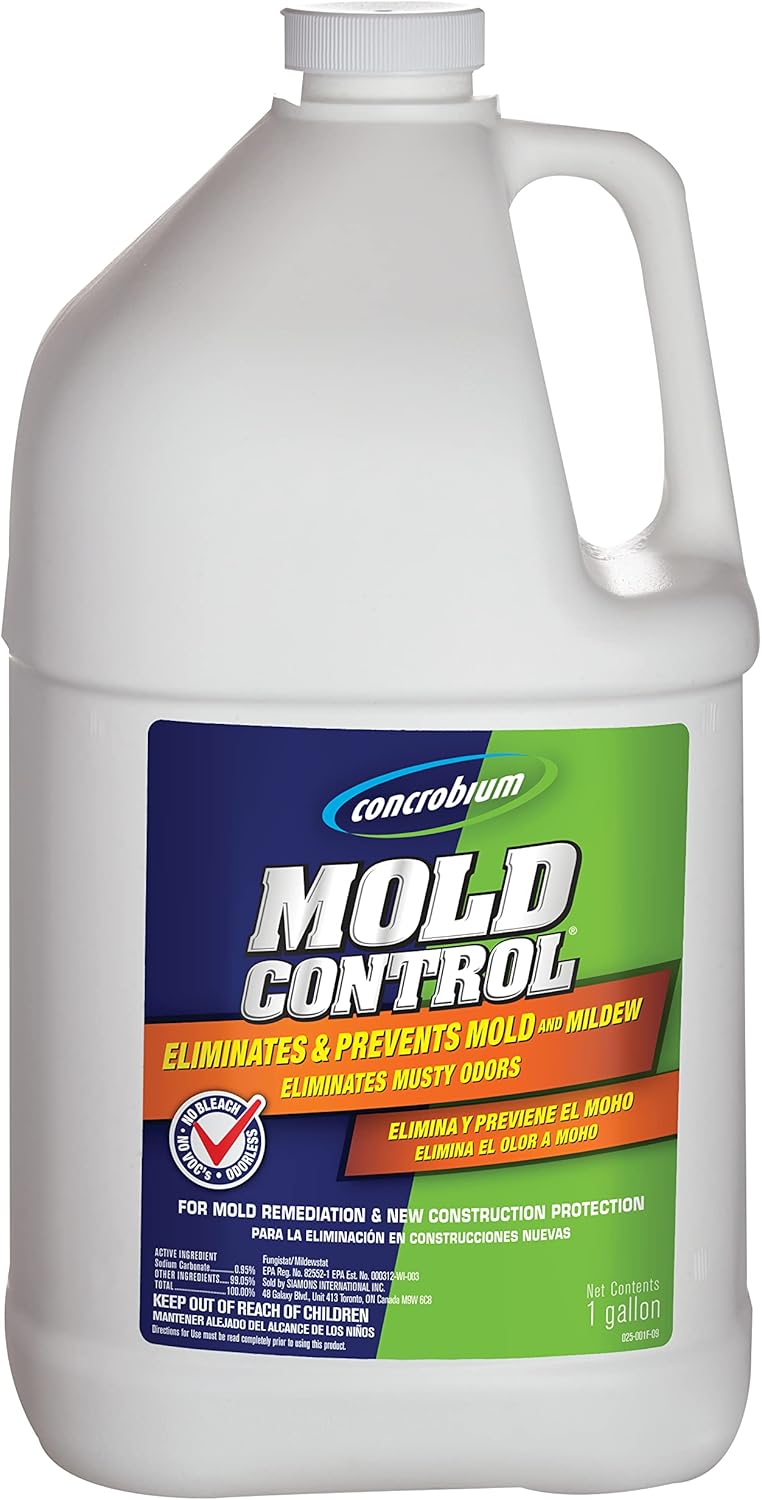
- Best Bleach-Free Gallon: Concrobium Mold Control, 1 Gallon, Mold and Mildew Cleaner for Hard Surfaces, Helps Eliminate and Prevent Mold and Musty Odors, No Bleach Formula for Indoor and Outdoor Use – a larger bleach-free format for listed homes, buildings, boats, cars, and recreational vehicles.
- Best Gallon Mold Killer: RMR-141 EPA Registered Mold and Mildew Killer, Eliminates Odors, Removes Mold, Mildew, Bacteria, and Viruses, 1 Gallon Bottle – a disinfecting and fungicidal formula whose listing notes that it does not remove remaining stains.
- Best for Natural Stone and Tile: StoneTech Mold & Mildew Stain Remover, 24OZ (709ML) Spray Bottle – a stain remover listed for marble, granite, limestone, travertine, slate, ceramic, porcelain, and glass tile.
- Best Clinging Gel: ACTIVE Mold Stain Remover Gel Cleaner Heavy Duty Stain Cleaner for Front Loader Washing Machine Seal, Bathroom Grout, Shower, Caulk – Front Load Washer Cleaning Solution – 7 Fl Oz – a gel designed to remain on vertical seals, grout lines, and caulk.
- Best Slow Outdoor Treatment: Wet & Forget Outdoor Cleaner & Stain Remover – Mold, Mildew & Algae, 64oz – a bleach-free, non-acidic outdoor formula that works over time with weather exposure.
The Best Mold Removers cannot make every contaminated item safe to keep. Spray may be appropriate for a small, label-approved surface, while saturated drywall, insulation, carpet backing, ceiling tile, or decayed wood may require controlled removal. Container size and marketing strength do not determine salvageability.
Define the Job Before Choosing a Product
Mold removal can mean four different tasks: stopping or killing growth, cleaning residue, removing visible discoloration, or taking contaminated material out of the building. These are related but not identical. A disinfectant can leave a dark stain. A bleach stain remover can lighten the mark without resolving growth behind a wall.
Start by finding the moisture source. Plumbing leaks, roof intrusion, condensation, poor shower ventilation, wet foundations, dryer exhaust, appliance leaks, and outdoor drainage can keep materials damp. If moisture continues, a clean-looking surface can develop new growth.
The Best Mold Removers are used only after the scope is understood. Extensive, recurring, sewage-related, flood-related, HVAC-related, or hidden contamination deserves professional assessment, especially when occupants have asthma, allergies, immune suppression, respiratory disease, or other health concerns.
How to Choose the Best Mold Removers
Read the Exact Claim and Registration
MOLD ARMOR Professional is positioned to kill, clean, and prevent mold and mildew on compatible hard, nonporous surfaces. RMR-141 is EPA-registered and carries disinfecting and fungicidal positioning, but its listing explicitly says it does not remove the stains left behind. Concrobium focuses on eliminating and preventing mold without bleach.
StoneTech, ACTIVE gel, and Wet & Forget are selected primarily around stain or surface-cleaning use cases. The RMR bundle combines a treatment formula with a separate stain remover. Do not infer a kill, prevention, sanitizing, or remediation claim from the phrase mold remover alone.
The Best Mold Removers achieve their regulated claim only when applied to a listed surface using the current label’s pre-cleaning, coverage, wet contact time, temperature, ventilation, and rinse instructions.
Choose One-Step or Two-Step Workflow
A one-bottle product reduces sequencing mistakes and is practical for a small compatible area. MOLD ARMOR Professional supplies a clear hard-surface process, including treatment, limited dwell, and rinsing or wiping. It also requires potable-water rinsing on food-contact surfaces.
A two-step kit is useful when control and appearance require different chemistry. The RMR bundle pairs RMR-141 with RMR-86. Follow the stated order and never improvise by mixing the liquids, spraying them simultaneously, or pouring them into one container.
The Best Mold Removers keep chemical roles separate. Complete the first label process, including any drying or rinsing requirement, before deciding whether a compatible stain step is needed.
Match Spray, Gallon, Gel, or Outdoor Format
A trigger spray provides control for a small hard surface and reduces unnecessary saturation. A gallon makes sense only when the user has an approved application method, accurate coverage plan, enough ventilation, correct protective equipment, and a way to prevent runoff or overspray.
Concrobium and RMR-141 provide gallon choices, but larger packaging does not automatically authorize whole-room spraying or fogging. Application equipment can aerosolize product, spread contamination, and expose electrical or HVAC systems. Use only equipment and methods named by the manufacturer.
ACTIVE gel clings to vertical caulk, grout, refrigerator seals, and washer gaskets. Its listing describes a long dwell for stubborn staining followed by wiping and water rinsing. Wet & Forget uses a different model: outdoor application followed by gradual cleaning over weeks or months rather than immediate rinsing.
Evaluate Porous and Nonporous Materials
Hard, nonporous surfaces are easier to wet evenly and wipe clean. MOLD ARMOR Professional lists laminate, linoleum, sealed grout, stainless steel, and plastic. Surface condition still matters; cracked laminate, unsealed edges, rusting metal, and failed grout can trap moisture.
RMR-141 lists porous and nonporous use and specifies a ten-minute contact time for porous surfaces in its Amazon information. That does not guarantee that soaked drywall, insulation, carpet, or rotted wood should remain. Porous material can contain growth beyond the visible face.
The Best Mold Removers do not substitute for material assessment. Softness, swelling, delamination, persistent odor, crumbling, or repeat growth suggests hidden moisture or damage that surface treatment may not resolve.
Protect Stone, Grout, Metal, and Coatings
Natural stone can be etched by acid, discolored by bleach, or affected by sealer damage. StoneTech is the purpose-selected option because it lists multiple stone and tile types and states that its formula will not degrade stone or grout. Spot-testing is still required.
Mixed showers combine stone, grout, caulk, glass coatings, drains, plated hardware, acrylic, and sealants. A product approved for one component can damage another. Compare routine tile cleaners only after mold-related work is complete and chemical residue is gone.
Plan Ventilation, PPE, Dwell Time, and Rinsing
Read the safety label before opening the container. Remove children, pets, food, towels, toiletries, and unprotected belongings. Wear the stated eye, skin, clothing, and respiratory protection. Provide ventilation without directing contaminated air through the rest of the building.
More product and more time are not automatically better. Excess spray can penetrate seams, corrode metal, bleach finishes, damage adhesive, and increase fumes. Gel can dry or migrate if left outside its directions. Outdoor product can drift or run toward plants and water.
The Best Mold Removers fit a process that the user can complete safely from preparation through final drying. If the required containment or protection is beyond the available setup, stop and obtain qualified help.
Recommendations by Area
Bathroom Walls, Tubs, and Sealed Grout
MOLD ARMOR Professional is the broadest selected hard-surface spray. The RMR bundle works when treatment and staining require separate steps. Ventilate, protect fixtures, and never overlap either product with a general bathroom cleaner.
Failed caulk should not be repeatedly coated with bleach or gel. Once the source is corrected and the joint is safely cleaned and dried, deteriorated caulk may need removal and replacement.
Basement Walls and Utility Areas
Concrobium gallon offers bleach-free coverage, while RMR-141 gallon provides a treatment-oriented option. Check foundation moisture, pipe condensation, floor drainage, stored cardboard, and airflow. Concrete or masonry can remain damp even when the face looks dry.
A gallon is easy to overapply. Measure the area, follow coverage guidance, protect floor drains and belongings, and avoid turning a damp basement into a wetter one.
Drywall, Insulation, and Ceiling Materials
Do not assume a spray can penetrate safely and solve contamination behind paper or paint. Small surface conditions may have a label-approved treatment, but soft drywall, wet insulation, sagging ceiling tile, and repeated staining require investigation and often controlled material removal.
Dry brushing, sanding, scraping, or using an ordinary vacuum can spread particles. Professional containment and HEPA-equipped methods may be appropriate for removal work.
Wood Framing, Trim, and Furniture
Identify finished, painted, sealed, or raw wood and test for color change or raised grain. The RMR bundle lists wood decks, and Concrobium lists broad building and vehicle use. Structural decay, swelling, veneer separation, and musty upholstery are not cosmetic-cleaning problems.
Front-Load Washer Gaskets and Appliance Seals
ACTIVE gel is selected for cling on rubber gaskets and seals. Keep it away from electrical parts, detergent pathways, metal that excludes the formula, and inaccessible cavities. Follow its full wipe and rinse process before running laundry.
For drum and internal maintenance, use appliance-approved washing machine cleaners rather than putting household mold chemical into a cycle without manufacturer approval.
Natural Stone Showers and Counters
StoneTech is the targeted stain selection. Confirm the exact stone, finish, sealer, grout, and surrounding hardware. If the stain comes from persistent water intrusion or growth beneath caulk, surface spray will not correct the assembly.
Outdoor Concrete, Planters, Canvas, and Upholstery
Wet & Forget is designed for gradual outdoor results and has weather, temperature, plant, and waterway precautions. Its listing says green staining may clear sooner than established black staining, which can take months. Do not pressure wash or add a second product unless directed.
For faster outdoor options or a narrower mildew-specific comparison, review mildew sprays while preserving the same runoff and surface-safety checks.
Trade-Offs to Consider
- One-step convenience versus separate control: combined formulas simplify work, while two-step kits distinguish treatment from stain removal.
- Trigger control versus gallon coverage: larger formats reduce refills but increase handling, saturation, and overspray risk.
- Bleach-free formula versus visible whitening: control can succeed while old discoloration remains.
- Gel cling versus long dwell: vertical contact helps gasket and caulk stains but requires careful timing and rinsing.
- Stone compatibility versus broad remediation claims: a material-safe stain remover may not be a mold killer.
- Slow outdoor treatment versus immediate appearance: weather-assisted cleaning reduces scrubbing but requires patience and planning.
The Best Mold Removers balance the desired claim with material protection, exposure control, and realistic scope.
Common Mistakes to Avoid
Never mix products, combine bottles from a kit, or spray a mold formula over bleach, ammonia, acid, vinegar, peroxide, alcohol, drain opener, or bathroom-cleaner residue. Dangerous gases or unpredictable reactions can result.
Do not use fogging, atomizing, pressure washing, or powered spraying unless the label and remediation plan specifically support it. Fine droplets can increase inhalation exposure and carry chemicals into HVAC, electronics, or clean rooms.
Avoid sealing, painting, or caulking over damp material. A clean color is not proof that the cavity is dry or that growth has been removed.
Do not keep structurally damaged porous material simply because the Best Mold Removers list a related surface. Salvage decisions depend on contamination depth, water source, material condition, and the ability to clean and dry it completely.
Mold-Removal Planning Checklist
Use this checklist with the Best Mold Removers:
- Locate and stop the leak, condensation, drainage, or humidity source.
- Determine whether the goal is killing, cleaning, stain removal, prevention, or material removal.
- Identify porous and nonporous materials plus adjacent finishes.
- Read the full current label and safety data before setup.
- Decide whether the job is appropriate for DIY treatment.
- Remove occupants and protect food, textiles, HVAC openings, and belongings.
- Use the stated ventilation, containment, PPE, coverage, and contact time.
- Keep every chemical in its original container and apply separately.
- Rinse, wipe, dry, and inspect exactly as directed.
- Monitor moisture and recurrence instead of judging color alone.
Prevention and Storage
Repair plumbing and building-envelope failures, control indoor humidity, vent showers and dryers, dry wet materials promptly, maintain grout and caulk, and keep stored items away from damp walls. Outdoor prevention includes drainage, gutter maintenance, coating repair, and air circulation around surfaces.
Musty odor after cleanup can indicate hidden damp material, but fragrance or deodorizer can also mask it. Do not rely on scent as proof of removal. Moisture readings, visual inspection, material condition, and recurrence are more useful evidence.
Store products upright in original labeled containers, separated from food, heat, children, pets, and incompatible chemicals. Gallons require a stable location and careful dispensing. The Best Mold Removers remain traceable to their label, batch, storage limits, and application directions.
How We Tested and Evaluated
We evaluated the Best Mold Removers through research-based comparison rather than claiming hands-on mold, spore, stain, contact-time, porous-material, remediation, regrowth, indoor-air, stone, gasket, or outdoor-weather testing. Every selected ASIN and exact product name was verified on its individual Amazon page.
We compared kill, control, disinfecting, prevention, stain-removal, and odor claims; ready-to-use, two-step, gallon, gel, stone-specific, and outdoor formats; porous and nonporous directions; bleach positioning; contact time; rinsing; PPE and ventilation; weather and runoff limits; and the point where source removal or professional remediation becomes more appropriate.
Frequently Asked Questions
Does killing mold remove the stain?
Not always. RMR-141 specifically notes that it does not remove remaining stains. A separate compatible stain process may be required after treatment.
Can moldy drywall be sprayed and kept?
Sometimes a small surface condition may fit a label, but saturated, soft, damaged, or deeply contaminated drywall can require controlled removal.
Is a gallon product stronger than a trigger spray?
Not necessarily. Package size reflects volume, not claim or concentration. Compare the active directions, registration, surface list, and coverage.
Can mold remover be used in a washing-machine cycle?
Only with appliance-manufacturer and product approval. A gasket gel is applied and rinsed as directed; it should not automatically be poured into the machine.
Can I use mold remover on marble?
Use only a formula explicitly approved for the stone, finish, sealer, and surrounding materials. StoneTech is the purpose-selected stain option in this roundup.
When should I call a professional?
Seek help for extensive, hidden, recurring, HVAC-related, contaminated-water, structurally damaged, or health-sensitive situations. The Best Mold Removers do not replace containment, material removal, or building repair.
Final Decision
The Best Mold Removers fit the objective and scale. MOLD ARMOR Professional is the broadest hard-surface spray. Select the RMR bundle for separate treatment and stain steps, Concrobium for bleach-free gallon coverage, RMR-141 for gallon fungicidal and disinfecting use, StoneTech for stone and tile stains, ACTIVE for clinging gasket or caulk gel, or Wet & Forget for gradual outdoor treatment.
Stop the moisture source, verify every label claim, protect occupants, keep chemicals separate, and do not salvage damaged porous material based on appearance alone. Safe scope control matters more than choosing the strongest-looking container.