Best Tile Cleaners Quick Answer: Black Diamond Stoneworks Marble & Tile Floor Cleaner is the most balanced starting point for routine care because its listing describes a pH-neutral, no-rinse concentrate for granite, travertine, limestone, slate, ceramic, and porcelain. Among the best tile cleaners, however, shower mineral deposits and stained grout may need a specialized product chosen for the exact surface.



Top Picks: Best Tile Cleaners at a Glance
These best tile cleaners cover routine floor care, grout foam, acidic mineral-stain removal, scented tub-and-tile cleaning, acid-free grout work, natural-stone cleaning, and a two-step soap-scum system. Product titles and ASINs were verified on individual Amazon pages; confirm current labels and surface directions before use.
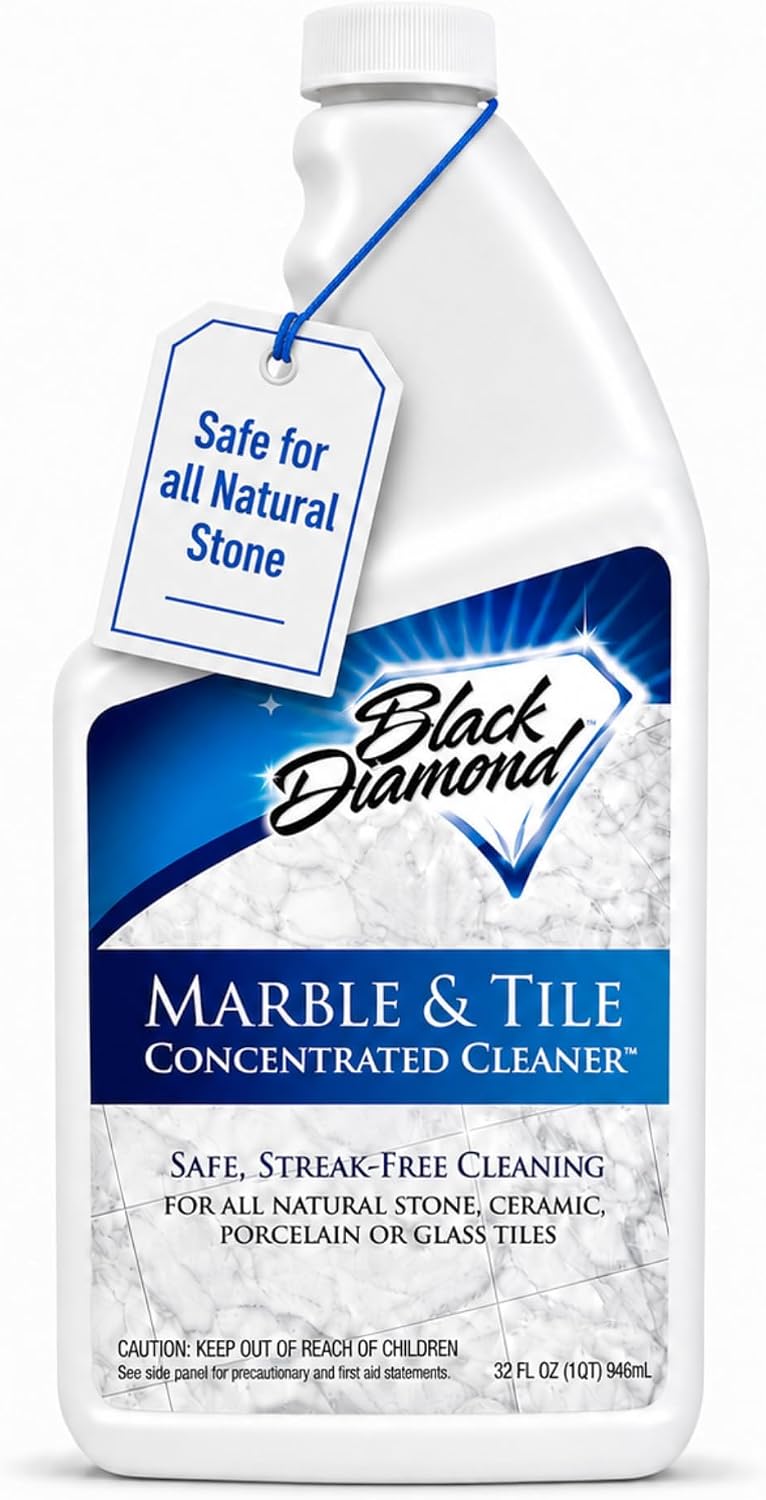
- Best Routine Floor Cleaner: Black Diamond Stoneworks Marble & Tile Floor Cleaner – a pH-neutral, streak-free, no-rinse concentrate listed for stone, ceramic, and porcelain floors.
- Best Grout Foam: Zep Plus Grout Foaming Cleaner – a 32-ounce foam described for cleaning and protecting grout from water, dirt, and grime.
- Best Mineral Deposit Cleaner: Zep Shower Tub and Tile Cleaner – an acidic scrub-free formula listed for many common water-related bathroom stains.
- Best Scented Tub and Tile: Mrs. Meyer’s Clean Day Tub and Tile Cleaner – a 33-fluid-ounce lavender-scented bathroom spray.
- Best Acid-Free Grout: Ultimate Grout Cleaner for Tile & Grout – an acid-free stain remover with a brush and natural-stone compatibility language.
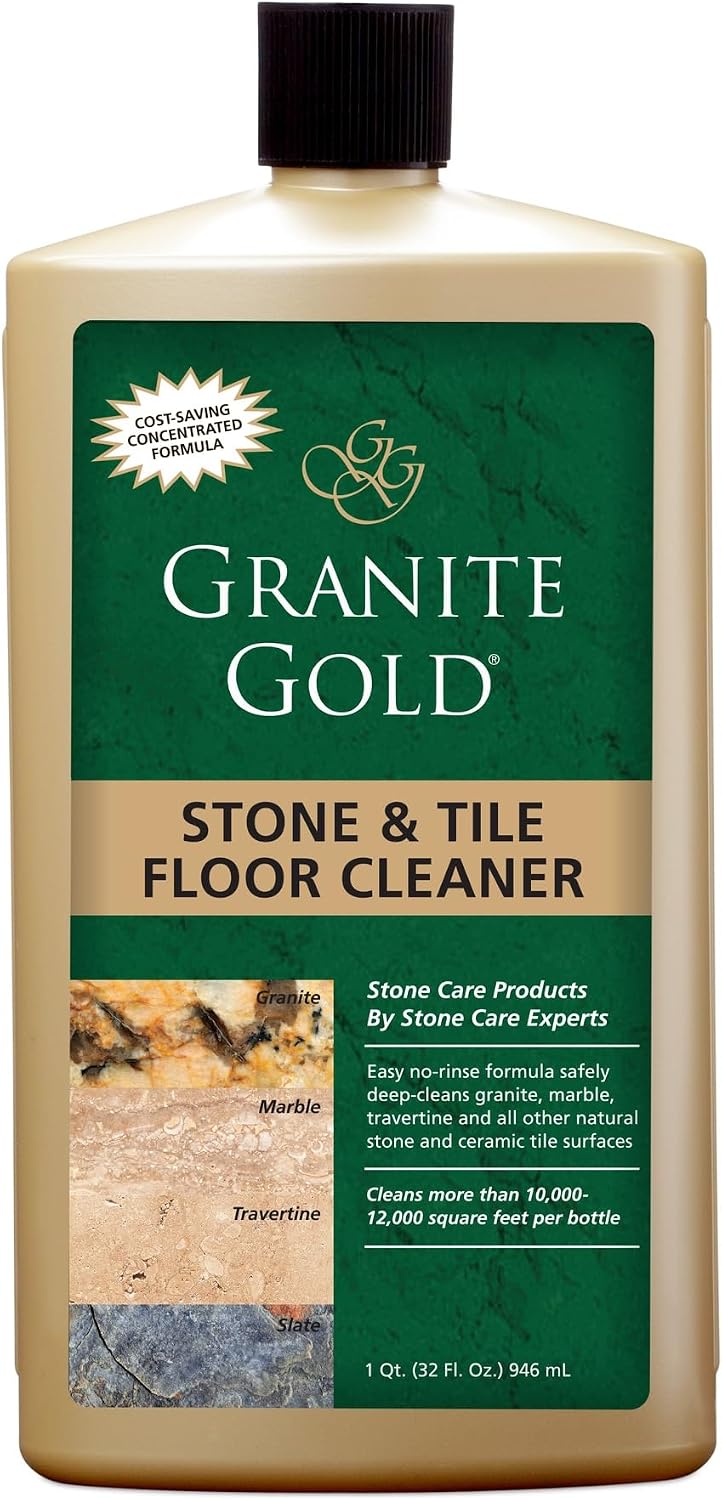
- Best Stone-Focused No-Rinse: Granite Gold Stone and Tile Floor Cleaner – a no-rinse cleaner for granite, marble, travertine, and ceramic.
- Best Two-Step Soap Scum: RMR Bathroom Breakthrough Bundle – a tub-and-tile cleaner plus soap-scum remover for shower, grout, glass, and bathroom buildup.
Identify the Tile Before Choosing Chemistry
The best tile cleaners begin with surface identification. Glazed ceramic and porcelain often tolerate a broader range of cleaners than marble, travertine, limestone, slate, or other natural stone. A product safe for shower ceramic may etch a calcium-based stone.
Check whether the tile is sealed, polished, textured, or damaged. Grout may be cement-based, epoxy, colored, sealed, or unsealed. The tile face and grout line can require different chemistry even though they share the same wall or floor.
Read the installation paperwork or ask the manufacturer when the surface is uncertain. Test a new cleaner in a hidden area with the exact dwell time and rinse method, then inspect after the area is dry.
Check Sealers, Caulk, and Nearby Fixtures
A tile installation is a system, not just the visible tile face. Grout sealer, silicone caulk, metal trim, glass doors, acrylic tubs, and plumbing fixtures can react differently to the same spray. Protect nearby materials or choose a cleaner approved for the complete area.
Water that darkens grout quickly can indicate an unsealed or worn area, but discoloration alone is not a diagnostic test. Follow the installer or sealer manufacturer’s guidance before applying a new coating. Cleaning residue must be removed before resealing, or soil can become trapped beneath the finish.
The best tile cleaners respect these boundaries. Apply with a cloth or brush when precise placement is safer than broad spraying, and keep acidic or strong products away from metal finishes unless the label permits contact.
Prevent Buildup Between Deep Cleans
Dry shower walls with a squeegee or towel after use to reduce mineral spots and soap film. Ventilate the bathroom until surfaces are dry. In the kitchen, wipe backsplash grease before it hardens and vacuum floor grit before damp cleaning.
Use the mildest compatible routine cleaner often enough that heavy deposits do not form. A specialized product can remain available for grout or mineral stains, but it should not become the default for every weekly pass. The best tile cleaners work more effectively when maintenance has already removed loose soil.
Track where stains return. Recurring dark grout may indicate moisture, failed caulk, or ventilation problems rather than a weak cleaner. Fixing the cause can reduce chemical use and protect the installation.
Match the Cleaner to the Soil
Soap scum is a mixture of soap, body oils, minerals, and product residue. Hard-water stains contain mineral deposits. Kitchen backsplashes collect grease, while floors collect grit and traffic film. One cleaner may not solve all four soils safely.
Acidic bathroom cleaners can dissolve mineral buildup, but they may attack natural stone, grout, metal finishes, or damaged sealers. Degreasers handle kitchen oil but can leave residue if they are too concentrated. A pH-neutral floor cleaner is suited to routine soil and may need brushing on stubborn grout.
The best tile cleaners name the surface and soil they are designed to address. Do not choose the strongest product simply because the stain looks dark.
Grout and Tile Faces Need Different Attention
Grout is porous and recessed, so it traps soil that a flat mop cannot reach. A foam can stay on a vertical grout line longer than a thin liquid. A narrow brush adds agitation without requiring excess chemical.
Use a brush stiff enough for grout but not so abrasive that it scratches tile or removes sealer. Work a small area, respect the dwell time, and rinse or wipe as directed. Do not let a cleaner dry on the surface unless the label permits it.
Whitening is not the same as cleaning. A separate guide to tile grout whiteners can help when restored color is the goal, but a whitener may hide rather than remove underlying soil.
Acid, pH-Neutral, and Acid-Free Labels
Acidic products are targeted tools for mineral deposits and some bathroom stains. They require strict surface checks, ventilation, gloves, and rinsing. Never combine an acid cleaner with bleach or another product.
pH-neutral cleaners are a sensible starting point for regular sealed-stone and tile maintenance. They reduce the risk of etching but still need correct dilution. Neutral does not mean harmless to eyes, skin, pets, or every sealer.
Acid-free grout cleaners can be useful when natural stone surrounds the grout. Check the current label rather than relying on the product name alone. The best tile cleaners make the chemistry and approved surfaces clear.
Spray, Foam, Concentrate, and Two-Step Systems
Ready-to-use sprays offer precise placement for shower walls and backsplashes. Foam clings to vertical lines but can be harder to rinse from texture. Concentrates are economical for floors but require exact measurement and clean water.
Two-step systems separate broad cleaning from a targeted soap-scum treatment. Follow the sequence and rinse requirements; do not mix the liquids together. More steps are useful only when each product has a defined job.
The best tile cleaners are the format you can apply evenly. A powerful foam used on too large an area may dry before you reach the final section.
Technique: Dwell, Agitate, Rinse, and Dry
Remove loose grit before applying liquid. For floors, vacuum or sweep with a surface-safe tool. Apply the cleaner to a manageable zone, allow only the labeled dwell time, and agitate with a suitable pad or brush.
Rinse when directed and change the water when it becomes cloudy. Residue can make tile sticky or slippery. Dry polished tile to reveal streaks and prevent mineral spots.
A cleaner for laminate floors follows different moisture rules and should not automatically be used on shower tile. For broad bathroom chemistry, compare bathroom cleaners while checking every fixture and surface.
Ventilation and Chemical Safety
Open doors or windows and use the ventilation fan. Wear gloves and eye protection when the label calls for them. Keep children and pets away until the surface is rinsed, dry, and safe according to the directions.
Never mix cleaners. Bleach, acids, ammonia, and other chemicals can create toxic gas or damaging reactions. Store products in original labeled containers, upright, away from food and heat.
If a spray irritates breathing or skin, leave the area and follow the label’s first-aid guidance. Strong scent is not proof of cleaning power.
How We Tested & Evaluated These Options
We evaluated the best tile cleaners using current Amazon listing information retrieved through Crawlbase. Each selected ASIN was checked on its individual product page for title, tile or stone compatibility, acid or pH language, application format, stain focus, and included brush or second product. This is research-based evaluation and does not claim hands-on etching, stain, grout, scent, or long-term sealer testing.
Our comparison considers surface type, soil, grout needs, chemistry, application control, rinsing, ventilation, and maintenance. Confirm the current label and test an inconspicuous area before broad use.
We also considered how the best tile cleaners fit a routine that separates everyday maintenance from targeted restoration. These judgments come from verified label and listing descriptions, not laboratory surface testing.
Common Buying Mistakes
Avoid these mistakes when choosing the best tile cleaners:
- Treating all tile alike: Natural stone can be damaged by chemistry safe for ceramic.
- Choosing strength over compatibility: A dark stain does not justify an unapproved acid.
- Ignoring grout: Porous lines need different agitation and rinsing than tile faces.
- Letting cleaner dry: Residue can haze, stain, or make floors slippery.
- Mixing chemicals: Combinations can create toxic gas or damage surfaces.
- Skipping ventilation: Bathroom sprays can concentrate in a small room.
- Using one brush everywhere: Abrasive tools can scratch polished tile and stone.
Buying Checklist
Before selecting among the best tile cleaners, confirm:
- Ceramic, porcelain, marble, travertine, limestone, granite, slate, or another surface.
- Glazed, polished, textured, sealed, unsealed, damaged, or specialty finish.
- Soap scum, mineral deposit, grease, floor film, mold stain, or grout soil.
- Acidic, pH-neutral, acid-free, bleach-free, concentrate, spray, or foam format.
- Dwell time, agitation, rinse, dry, ventilation, gloves, and eye protection.
- Compatibility with grout, sealers, glass, metal fixtures, and nearby floors.
Frequently Asked Questions
Can I use an acidic tile cleaner on marble?
Generally avoid acids on marble and other calcium-based stone unless the product and stone manufacturer explicitly approve it. Acid can etch a polished surface.
Is grout cleaner safe for tile?
Only when the label approves the tile and grout type. Apply precisely, respect dwell time, and rinse so the chemical does not remain on the tile face.
Why does tile feel sticky after cleaning?
Too much concentrate, incomplete rinsing, dirty water, or old product buildup can leave residue. Use the correct dilution and a clean rinse method.
Do I need to rinse a no-rinse floor cleaner?
Follow the label. A no-rinse product should be used at the stated dilution and amount; excess solution can still leave film.
Can I clean shower tile and floor tile with the same product?
Sometimes, if both surfaces and soils are listed. Shower mineral deposits and floor traffic film often need different chemistry and technique.
Final Decision
The best tile cleaners match the exact tile, grout, soil, and location. Use pH-neutral concentrate for routine compatible floors, targeted foam or acid-free cleaner for grout, and acidic bathroom chemistry only where the label and surface allow it.
Test first, ventilate, follow dwell and rinse directions, and never mix chemicals. Careful identification protects tile and stone more effectively than choosing the strongest bottle on the shelf.