

Cooking in a temperature-controlled water bath requires total confidence in your food packaging. When hot water circulates for hours at a time, a weak seam or poor plastic formulation can ruin expensive proteins and leave your dinner waterlogged. Investing in reliable food-grade pouches ensures that your marinades stay inside while the surrounding water remains completely separate.
Home cooks often struggle to choose between continuous rolls, pre-cut vacuum pouches, and reusable valve bags across the current $9.99 – $35.95 market spectrum. Knowing how your specific vacuum machine interacts with smooth or textured plastic prevents costly purchasing mistakes. If you are upgrading your cooking station, our kitchen appliance setup guide provides great context for planning your overall culinary workflow.
We analyzed 7 standout selections for September 2026, focusing on structural durability, safe polymers, and heat resilience. Brands like Avid Armor, Anova Culinary, FIRAWER offer distinct designs tailored for both commercial chamber systems and everyday suction appliances. The following breakdown highlights the most dependable options available for home chefs and serious culinary hobbyists alike.


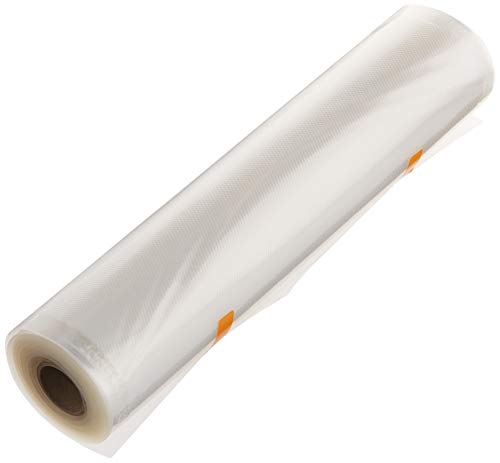


Bag Construction and Material Thickness
Material thickness is measured in mils, where one mil represents one thousandth of an inch. A standard sandwich bag measures around one to two mils, which is far too thin to withstand continuous heat without stretching or tearing. Dedicated precision cooking pouches typically range from three to four mils per side, offering the structural rigidity needed to maintain airtight integrity.
Thicker plastic layers provide essential protection against sharp edges such as bone fragments, rosemary stems, and hard peppercorns. Bags featuring a multi-layer design, often combining polyethylene for food contact and polyamide nylon for outer strength, resist punctures during long submersion cycles. When comparing specifications, look for products that clearly list mil ratings for both the front and back panels.
As a practical rule of thumb, use at least a 3.5-mil thickness when cooking bone-in ribeyes, short ribs, or poultry portions. Lighter 3-mil options work well for delicate fish fillets and tender vegetables that exert minimal friction against the pouch walls. Choosing appropriate thickness prevents unexpected seam splitting during extended overnight cooks.
Chamber vs Suction Machine Compatibility
Vacuum sealers fall into two main categories, and each style requires a specific surface texture to operate correctly. Suction-style edge sealers need embossed or textured channels on at least one side of the plastic to draw air out of the pouch. Without these raised micro-channels, the smooth walls collapse against each other instantly and trap air pockets around your ingredients.
Chamber vacuum sealers operate by equalizing air pressure inside an enclosed chamber, which allows them to evacuate air using completely smooth, non-embossed pouches. Smooth chamber bags are substantially less expensive per unit than embossed alternatives, but they will fail to seal properly in standard countertop clamp sealers. Feeding smooth plastic into an edge sealer will simply produce a loose, air-filled pocket.
Always verify your sealer mechanism before stocking up on bulk packaging. If you own an edge-clamp unit, purchase embossed pouches with a distinct grid pattern to guarantee rapid air extraction. Chamber machine owners can save significant money over time by buying smooth commercial pouches in large quantities.
Temperature Resistance and Heat Stability
Precision water bath cooking spans a wide temperature range, from tender fish at 115 degrees Fahrenheit to firm root vegetables at 190 degrees Fahrenheit. Standard grocery store storage bags frequently soften, deform, or delaminate when exposed to water baths exceeding 158 degrees Fahrenheit. Quality pouches engineered for immersion cooking maintain dimensional stability even when subjected to boiling water.
High-heat stability prevents plasticizer breakdown and ensures the thermal weld at the edge of the pouch remains secure. When browsing specifications, check whether the manufacturer rates the material for boiling, simmering, and microwave reheating. A pouch certified to withstand 212 degrees Fahrenheit gives you the flexibility to cook tough root vegetables and glaze reductions without worry.
For extended cooking sessions exceeding twenty-four hours, temperature tolerance becomes even more critical. Constant thermal stress can weaken inferior seams over time, allowing water to slowly infiltrate the pouch. High-grade materials formulated with heat-stabilized polymers keep your meals safe during long braising recipes.
Food Safety and Chemical Formulations
Cooking food directly inside heated plastic makes material composition a primary health consideration. Safe cooking pouches are manufactured without bisphenol-A, bisphenol-S, and phthalates, ensuring that harmful industrial additives do not migrate into fatty meats or acidic marinades. Reputable brands explicitly state their compliance with food-grade plastic standards on the packaging.
Food-grade polyethylene and polypropylene represent the industry gold standard for direct food contact under elevated temperatures. These polymers exhibit high chemical stability, meaning they do not break down in the presence of citrus juices, vinegar, cooking oils, or alcohol. Checking our culinary cooking guides can help you learn more about managing food safety standards at home.
Always avoid unrated industrial utility bags or cheap generic plastic wraps for thermal immersion tasks. Choosing certified food-safe vacuum pouches gives you peace of mind that your family meals remain free from unwanted chemical residues. High-density food polymers provide clean, neutral flavor preservation across every cooking session.
Pre-Cut Pouches Versus Continuous Rolls
Pre-cut bags offer immediate convenience for busy weeknight cooking because they come sealed on three sides with uniform dimensions. You simply drop the seasoned protein inside, align the open end into your machine, and complete the vacuum cycle. This saves significant preparation time when portioning multiple individual steaks, chicken breasts, or ground meat packages.
Continuous plastic rolls provide total customization for unusually long or bulky items like whole pork loins, racks of ribs, and brisket flats. With rolls, you must measure the desired length, cut the film with kitchen shears, and weld the bottom seam before filling the bag. This extra step requires more effort but eliminates plastic waste caused by using oversized pre-formed bags.
A well-balanced kitchen often benefits from keeping both formats readily available in the pantry. Use convenient pre-cut pint and quart bags for routine daily portions, and reserve continuous rolls for large entertaining roasts and whole sides of salmon. This mixed approach balances preparation speed with custom sizing flexibility.
Reusable Valve Bags Versus Heat-Seal Pouches
Reusable sous vide bags feature heavy-duty zipper closures paired with one-way manual suction valves. These pouches can be evacuated using a compact hand pump or an electric handheld nozzle, eliminating the need for a bulky countertop sealer. They offer an eco-conscious alternative that reduces single-use plastic waste across repeated everyday meal preparations.
However, reusable pouches require thorough hand cleaning, degreasing, and drying after every use, especially when holding raw poultry or greasy marinades. The small air valve mechanism must also be kept out of direct water submersion during cooking to prevent moisture from compromising the suction channel. In contrast, disposable heat-seal bags offer absolute leak-free security with zero post-meal sanitation effort.
If you prepare delicate fish, vegetables, or dry-seasoned chops, reusable valve bags provide an efficient, low-waste solution. For heavily marinated meats, liquid-heavy recipes, and extreme long-duration cooks, traditional thermal heat-sealed pouches remain the most reliable choice. Choosing between them depends on your personal balance of environmental preference and prep convenience.
| Pouch Style | Machine Type | Average Thickness | Primary Advantage |
|---|---|---|---|
| Embossed Pre-Cut | Edge Suction Sealer | 3.5 to 4.0 Mil | Quick prep with universal machine support |
| Smooth Commercial | Chamber Sealer Only | 3.0 to 3.5 Mil | Lowest cost per unit for bulk batching |
| Continuous Roll | Edge Suction Sealer | 3.5 to 4.0 Mil | Customizable length for oversized cuts |
| Reusable Valve Pouch | Hand Pump or Wand | 4.0 to 5.0 Mil | Reduced plastic waste with multiple uses |
Puncture Resistance and Seam Strength
The structural integrity of a vacuum pouch depends heavily on the tensile strength of its edge seams. Factory side seams must withstand outward pressure when air is evacuated and ingredients are compressed tightly together. Premium bags utilize reinforced multi-track welds that prevent catastrophic blowouts during temperature-induced air expansion.
Sharp bone fragments in cuts like T-bone steaks, lamb chops, and pork ribs present a serious puncture hazard during vacuum contraction. When plastic is drawn tight against sharp edges, inferior films can develop microscopic pinholes that allow water to enter unnoticed. Investing in durable composite films minimizes the likelihood of pinhole leaks during high-circulation cycles.
To safeguard your cooks, inspect the corners and edges of bone-in meats before placing them into the pouch. You can fold a small strip of parchment paper over sharp bone ends to create an extra buffer against the inner film wall. High-strength vacuum pouches combined with careful packing ensure your proteins emerge perfectly cooked every time.
Oxygen and Moisture Barrier Performance
The primary purpose of vacuum packaging extends beyond the cooking bath into long-term freezer preservation. Premium barrier films prevent oxygen molecules from passing through the plastic membrane and reacting with delicate fats and pigments in frozen meat. Maintaining an airtight moisture barrier prevents ice crystal formation and eliminates costly freezer burn.
Multi-layer nylon laminates provide significantly higher gas barrier protection than basic single-layer polyethylene sheets. When foods are sealed and frozen for months before cooking, high-barrier bags ensure that aromatics, juices, and marinades retain their fresh flavor profiles. Exploring reliable home and living essentials helps build a durable kitchen inventory for meal prep.
When purchasing pouches for batch freezer cooking, inspect product descriptions for nylon content or multi-layer barrier ratings. High-density composite plastics keep raw meats pristine for months in sub-zero storage before you transfer them straight to the water bath. This dual-purpose utility streamlines your grocery planning and reduces ingredient spoilage.
Ease of Opening and Tear Notches
Opening a slippery, piping-hot vacuum pouch straight out of a water bath can be clumsy without well-designed features. Standard smooth edges often require searching for clean kitchen shears while balancing hot, dripping plastic over a cutting board. Pouches engineered with integrated tear notches allow you to peel the top open quickly and cleanly by hand.
Tear notches should be positioned cleanly below the upper sealing zone so they do not compromise the airtight vacuum space during cooking. A properly calibrated notch tears straight across the pouch without jagged edges that might spill hot juices across your counter. This seemingly small detail significantly improves your plating efficiency when handling hot proteins.
Check user feedback and product images to confirm the placement and functionality of built-in tear notches. Having easy-open tabs makes transitioning your food from water bath to searing skillet smooth and stress-free. Thoughtful structural design ensures your cooking workflow remains clean and enjoyable from start to finish.
Why You Should Trust Us
Our product evaluations rely on structured technical comparisons, material data sheets, and verified culinary performance criteria. We assess film polymer compositions, mil thickness tolerances, and manufacturer safety certifications to separate durable equipment from substandard kitchen items. Our focus remains entirely on delivering objective, practical guidance that helps you make confident purchasing decisions.
We continuously monitor the cooking equipment market to ensure our recommendations reflect current manufacturing standards and reliable inventory. By tracking real-world user feedback across diverse vacuum sealer platforms, we identify potential failure points like seam delamination and texture incompatibility. We do not accept sponsored placements, allowing us to maintain impartial editorial integrity across all categories.
Our review process prioritizes transparent specifications, thermal resilience benchmarks, and practical household utility. We analyze how different pouch designs perform under varying thermal stresses and storage conditions. This data-driven methodology ensures you receive reliable advice tailored to your specific kitchen needs.
Final Thoughts
Selecting the best option depends on your sealing machine type, storage goals, and daily cooking volume. For home cooks using standard suction edge sealers, the Anova Culinary Precision Vacuum Sealer Bag delivers exceptional performance due to its multi-layer ribbed construction and customizable roll format. It provides dependable air extraction and handles prolonged immersion cycles without stretching or thinning.
If you prioritize fast weeknight portioning on a reasonable budget, the Avid Armor Food Vacuum Sealer Bags – 100-Pack offers pre-cut convenience with deeply embossed suction channels. These pint-sized pouches excel at freezing and cooking single-serving proteins, and their integrated tear notches make plating hot ingredients remarkably simple.
For owners of dedicated commercial chamber machines, the Avid Armor Chamber Vacuum Sealer Bags represent the premier choice for bulk meat packaging and soup preservation. Their smooth 3.5-mil construction creates tight, durable seals at a lower cost per unit. Meanwhile, eco-conscious cooks can turn to the Sous Vide Bags Reusable 27Pcs for low-waste cooking using a practical hand-pump valve system.
Matching the right pouch style to your sealer ensures seamless cooking sessions and eliminates disappointing leakages. Take time to explore our comprehensive product comparison hub for additional household equipment breakdowns. Equipping your kitchen with resilient, food-grade bags guarantees consistent, flavorful sous vide results for every recipe you tackle.
FAQs
Can ordinary household zip-top bags be used instead of Best Plastic Bags for Sous Vide in 2026?
Standard zip-top bags made from low-density polyethylene can handle low temperatures for short cooking sessions using the water displacement method. However, they lack the multi-layer nylon reinforcement and puncture resistance of dedicated vacuum pouches, making them prone to seam blowouts above 158 degrees Fahrenheit. For longer cooks and higher temperatures, dedicated vacuum bags provide far superior safety and leak prevention.
What bag thickness is required for cooking tough cuts of meat?
A material thickness of at least 3.5 to 4.0 mils is strongly recommended when preparing large or bone-in cuts like ribs, roasts, and chops. Thicker films resist abrasion from sharp bone edges and withstand the constant water circulation of multi-day braises. Lighter 3-mil films are better suited for boneless poultry, fish, and soft vegetables.
Are sous vide bags safe to heat at high water temperatures?
Quality immersion pouches are manufactured from food-grade polyethylene and polypropylene that remain chemically stable up to 212 degrees Fahrenheit. These materials are certified free from BPA, BPS, and phthalates, ensuring no chemical migration occurs during thermal processing. Always verify that your chosen bags carry explicit high-temperature cooking certifications from the manufacturer.
What is the main difference between embossed bags and smooth vacuum pouches?
Embossed bags feature a textured mesh grid pattern that allows external suction clamp sealers to evacuate air without the plastic walls collapsing shut. Smooth pouches have no internal texture and are engineered specifically for chamber vacuum sealers, which evacuate the entire enclosure evenly. Using smooth bags in an edge sealer will prevent the machine from pulling a proper vacuum.
How do reusable vacuum bags compare to disposable heat-seal options?
Reusable bags use thicker food-grade material with heavy-duty zipper seals and one-way valves, allowing you to use them up to ten times to reduce plastic waste. Disposable heat-sealed pouches offer absolute permanent closure, zero post-cooking cleanup, and better compatibility with heavy liquid marinades. Choosing between them depends on your preference for environmental sustainability versus daily meal cleanup convenience.
Can you boil food directly inside Best Plastic Bags for Sous Vide?
Most heavy-duty vacuum pouches rated for sous vide can safely handle boiling water temperatures up to 212 degrees Fahrenheit for short periods. This makes them suitable for high-heat vegetable cooking, reheating frozen soups, and rapid hot-water thawing. Always check individual product ratings to ensure the film does not warp or delaminate under boiling conditions.
How do you prevent sous vide bags from floating in the water bath?
Floating occurs when trapped air expands inside the pouch or when buoyant ingredients like root vegetables displace water. You can prevent floating by ensuring a complete vacuum draw, using dedicated sous vide sinker weights, or clipping the bag securely to the container wall. Keeping bags fully submerged ensures even heat distribution across all food surfaces.
Can you clean and reuse embossed suction sealer bags?
While it is technically possible to wash embossed bags used for dry foods or raw vegetables, cleaning bags that held raw meat is not recommended. The textured inner mesh channels can trap grease, protein residue, and bacteria that are difficult to sanitize thoroughly. For meat preparation, single-use disposable bags or dedicated wide-mouth reusable valve bags provide safer hygiene.
What is the most reliable option among Best Plastic Bags for Sous Vide for long-term freezing?
Multi-layer composite bags with nylon barrier layers offer the highest protection against freezer burn and oxidation during long storage periods. They prevent moisture loss and keep volatile aromatic compounds locked inside the meat until you are ready to cook. Pre-sealing bulk portions in heavy 4-mil pouches allows you to drop frozen ingredients straight into the water bath.
Do vacuum sealer bags impart any chemical plastic taste into hot food?
High-grade, BPA-free immersion bags are odorless, non-toxic, and chemically inert, meaning they do not impart flavors or odors to hot food. Cheap uncertified plastic bags can release volatile compounds at elevated temperatures, leading to unpleasant plastic flavors. Sticking with reputable culinary brands ensures pure flavor preservation across every recipe.




Write Your Review
No reviews yet. Be the first to share your experience!