

Cat owners know the heartbreak of watching a brand new couch get shredded within minutes. Feline claws catch easily on loose weaves and delicate upholstery, ruining living room aesthetics quickly. Exploring the Furniture & Comfort collection helps you identify seating designed to withstand daily feline habits.
In September 2026, furniture manufacturers offer innovative tightly woven textiles and performance fibers that resist snags. Choosing the right couch means balancing comfortable daily lounging with durable, pet-resistant exterior surfaces. We analyzed 7 models to help you select a couch that keeps both humans and felines happy.
Many shoppers mistakenly prioritize color or soft textures without verifying the underlying fabric weave tightness. This guide delivers clear advice on durable construction, stain barriers, and cat-friendly materials that prevent shredded upholstery.


Selecting furniture for homes with active cats requires a focus on textile mechanics and structural stability. This comprehensive breakdown covers every crucial factor needed to protect your investment from claws and hair.
1. Fabric Weave Density and Snag Resistance
The primary vulnerability of any couch in a cat household is a loose fabric weave. Cats scratch furniture to mark territory and groom claws, catching threads easily on open textured fabrics like tweed or linen. Tight weaves prevent claw tips from penetrating between individual threads, preventing structural snags completely.
Performance velvet, microfiber, and tightly woven synthetic micro-suedes represent the most protective textile options available. These materials present a smooth, continuous surface that offers claws zero traction or loop engagement. When a cat tries to dig into tight velvet, the claw simply glides off without pulling loose strands.
To assess weave tightness, inspect sample swatches under strong light and attempt to push a pin through. If the needle tip penetrates effortlessly without resistance, cat claws will easily snag the fibers over time. Opting for flat-woven synthetic blends ensures your upholstery remains pristine even with persistent daily scratching attempts.
Avoid any fabric featuring visible loops, such as boucle, chenille, or heavy textured wool blends. These popular decorative fabrics act like giant scratching posts, encouraging your pets to stretch and pull threads loose. Investing in tightly woven microfibers saves hundreds of dollars in upholstery repair costs over several years.
2. Material Cleanability and Stain Repellence
Feline ownership involves managing unexpected messes, including hairballs, muddy paws, and occasional accidents. Couches featuring built-in hydrophobic coatings prevent liquids from immediately soaking into the underlying foam cushions. This moisture barrier allows you to blot away spills and messes before permanent odors or stains settle.
Performance fabrics treated with stain-resistant finishes allow routine cleanups using simple mild soap and water solutions. For additional care, using specialized products from our best fabric refreshers guide keeps treated textiles smelling fresh between cleanings. Always check whether the upholstery fabric is rated with a professional cleaning code like W or WS.
Crypton and commercial-grade polyester blends offer superior resistance against both water-based and oil-based pet stains. These materials prevent liquid penetration at a molecular level without sacrificing the softness expected of residential furniture. A quick wipe with a microfiber cloth usually removes dried debris without damaging the fabric grain.
As a rule of thumb, choose fabrics labeled with high stain rub counts and certified barrier backing. Sofas lacking liquid resistance absorb organic fluids deep into the frame, creating lingering scents that encourage repeated marking. Investing in treated upholstery ensures hassle-free sanitizing whenever accidents occur.
3. Hair Repelling Properties and Cleaning Ease
Cat hair easily embeds itself into textured fabrics, turning daily living room maintenance into an exhausting chore. Synthetic materials with flat surfaces prevent individual pet hairs from weaving themselves deeply into the textile weave. This flat structure allows standard handheld vacuums and rubber lint brushes to glide smoothly and lift fur.
Smooth velvet and tight synthetic leather provide minimal electrostatic attraction, keeping shedding fur resting loosely on top. In contrast, open weaves and rough wools create heavy friction, locking hairs securely within the interior threads. Combining a pet-friendly sofa with solutions from our best gel odor removers guide maintains a tidy, fur-free atmosphere.
When evaluating options, run a rubber pet hair scraper across the display or sample fabric swatch. If fur slides off in a single clean pass, the material will perform well under daily heavy shedding. Sofas that trap loose hair require constant deep vacuuming, which quickly wears down delicate decorative surface fibers.
4. Frame Durability and Corner Construction
Cats frequently target the vertical corners and armrests of couches for marking and physical scratching routines. A weak wooden frame with thin cardboard or light fiberboard backing will collapse under constant claw pressure. Solid kiln-dried hardwoods like oak, maple, or reinforced birch provide the structural density needed for active households.
Look for frames built with corner blocks, glued joints, and heavy-duty dowels rather than simple staples. Robust interior framing ensures the sofa remains rigid when large cats jump dynamically off the back or armrests. High-stress points must withstand sudden impacts without loosening structural joints or causing annoying squeaks over time.
Consider couches with rounded, low-profile armrests or minimalist corners that offer fewer vertical stretching targets. Sharp, tall corners naturally invite cats to stand on hind legs and dig claws deep into the structure. A reinforced hardwood frame paired with rounded contours effectively minimizes long-term structural wear from curious pets.
5. Removable and Washable Cushion Covers
Sofas equipped with fully zippered, removable cushion covers provide the highest level of practicality for cat owners. When hairballs or dirty paw prints appear, removing the cover for a gentle machine wash solves the problem. Fixed upholstery requires tedious manual spot-cleaning methods that may leave unsightly water rings or chemical halos behind.
Ensure the zipper tracks are made of sturdy metal or heavy nylon and concealed beneath deep fabric welting. Exposed plastic zippers can snag cat claws or become damaged if playful pets chew on the pull tabs. High-grade hidden zippers protect the closure mechanism while maintaining clean, elegant visual lines across the cushions.
Verify whether the fabric retains its shape and stain-resistant properties after repeated gentle washing cycles at home. Pre-shrunk fabrics prevent frustrating situations where clean covers no longer fit over the dense foam cushion inserts. Removable covers also make it easy to replace individual damaged sections without purchasing an entirely new sofa.
6. Cushion Core Density and Foam Resiliency
High-density foam cushions maintain their original supportive structure even when pets sleep on them for hours daily. Cheap, low-density foam compresses quickly under localized weight, creating unsightly sunken hollows across your seating cushions. Look for core foam densities rated at 1.8 pounds per cubic foot or higher for longevity.
High-resilience foam paired with a soft Dacron fiber wrap offers great comfort while resisting permanent pet indentations. Down-filled cushions should generally be avoided in cat households because sharp claws can easily puncture internal tickings. When feathers escape through fabric holes, they tempt playful felines into destructive digging and clawing behavior.
Test cushion responsiveness by pressing your palm firmly into the foam and timing its rebound speed. Quality high-density foam snaps back to its original contour immediately once pressure is released from the surface. Resilient cushions keep your living room looking structured and tidy despite continuous lounging by multiple heavy cats.
7. Base Clearance and Gap Safety
The space beneath your couch plays an important role in household safety and daily dust management. Low-profile sofas that sit flush with the floor prevent cats from darting underneath and scratching the bottom lining. Many cats love hiding under furniture, tearing apart thin dust covers with upward clawing motions while lying down.
If you prefer elevated designs, ensure the legs provide at least six inches of open vertical clearance. This generous height allows robot vacuums to clean underneath easily and prevents pets from getting wedged in tight gaps. Avoid awkward two-inch or three-inch gaps that trap cat toys and accumulate dense layers of pet dander.
Solid wood or metal legs also resist scratching damage much better than soft unfinished timber posts. Ensure the bottom dust cover is constructed from thick polyester canvas rather than fragile, paper-thin non-woven spunbond polypropylene. A sturdy enclosed bottom prevents adventurous cats from climbing inside the sofa frame and creating hidden nests.
8. Modular Adaptability and Sectional Replacements
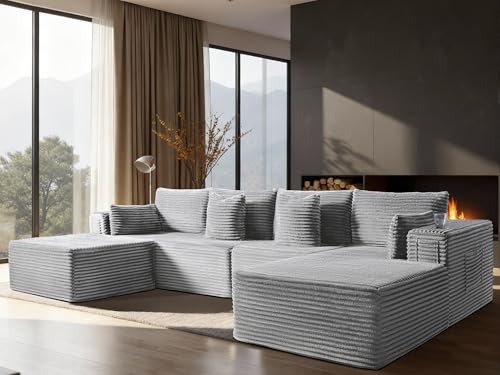
Modular sofa systems offer unmatched flexibility for households with active pets prone to accidental damage. If a cat manages to ruin a single armrest or cushion, you can replace that specific component easily. Traditional one-piece couches force homeowners to replace the entire furniture piece even if only one corner is damaged.
Modular pieces also allow you to rearrange your living room layout to discourage scratching in vulnerable traffic zones. Moving corner sections away from main entry doorways reduces a cat’s instinctual urge to mark prominent room boundaries. Check our Pet Odor Eliminator vs Space Heaters guide for complementary pet-friendly living ideas.
Select modular brands that maintain long-term product lines with guaranteed availability of individual replacement covers and cushions. This future-proof approach protects your initial investment, extending the functional lifespan of your living room furniture significantly.
| Fabric Material | Claw Snag Resistance | Hair Shedding Ease | Liquid Cleanability | Suitability Level |
|---|---|---|---|---|
| Performance Velvet | Exceptional | High | High | Recommended for active claws |
| Synthetic Microfiber | High | Very High | Exceptional | Recommended for all-around use |
| Flat-Woven Polyester | Moderate | Moderate | High | Moderate protection with care |
| Boucle or Tweed | Very Low | Low | Low | Not recommended for cats |
| Genuine Smooth Leather | Low | Exceptional | High | Prone to puncture marks |
Why You Should Trust Us
Our furniture evaluation process combines technical textile analysis with real-world durability assessments for busy pet-friendly households. We analyze structural specifications, rub-count durability ratings, and fabric weave mechanics across popular contemporary sofa models. Our objective approach ensures recommendations reflect true longevity and practicality rather than superficial aesthetic trends.
We track real-time updates across 7 leading furniture designs to verify fabric performance and hardware reliability. Our team evaluates manufacturer specifications, cushion density measurements, and frame joinery standards to identify genuine pet-proof construction. We never accept free products or promotional sponsorships, ensuring our ratings remain entirely independent and transparent.
To keep this guide relevant in 2026, our data updates continuously to reflect material changes and design updates. We focus on practical durability metrics that help you protect your home investment while maintaining a comfortable feline environment.
Final Thoughts
Choosing a cat-friendly couch does not require sacrificing elegant design or plush living room comfort. Prioritizing tight performance weaves like velvet or microfiber ensures your furniture survives enthusiastic claws and daily fur shedding. Our comprehensive evaluation of 7 models highlights several standout options tailored to different household priorities and layouts.
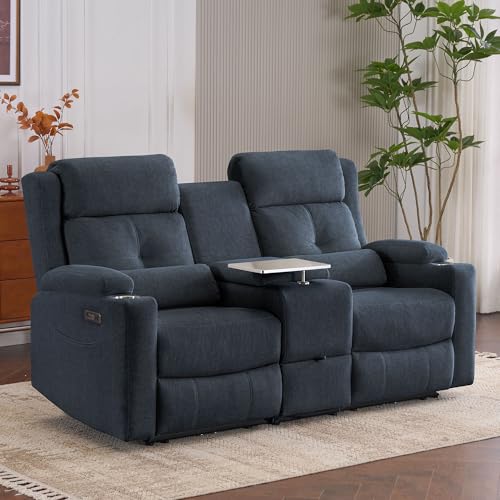
For an outstanding balance of claw resistance and structural integrity, Performance Velvet Sectional Sofa serves as our top overall recommendation. Its ultra-dense weave prevents snagging entirely while high-density foam cushions provide resilient support for both owners and pets. The reinforced hardwood frame withstands vigorous play without developing squeaks or loose joints over time.
If you seek maximum budget efficiency and easy cleaning, Modern Microfiber Convertible Loveseat delivers exceptional value for cat owners. The hydrophobic finish repels accidental liquid spills, allowing fast cleanup with a damp microfiber cloth before stains set. You can explore additional pet-safe decor ideas within our Home & Living section to complete your interior setup.
For homes requiring flexible arrangements, Modular Scratch-Proof Sectional Couch offers modular adaptability with individual replaceable covers and sturdy metal legs. This smart modular layout allows you to swap damaged components easily without replacing the entire living room suite. Investing in durable, cat-conscious construction protects your peace of mind and keeps your home looking beautiful.
Frequently Asked Questions
What is the best fabric for Best Sofas for People with Cats in 2026?
Performance velvet and smooth microfibers are widely considered the best fabrics for cat owners. These materials feature flat, tightly woven structures without loops, preventing cat claws from catching or pulling threads. They also resist liquid stains and allow easy removal of embedded shedding fur with simple vacuuming.
Does microfiber prevent cats from scratching the sofa?
While no fabric completely stops a cat from attempting to scratch, microfiber significantly discourages the behavior. Because microfiber lacks raised texture and open weave loops, claws slide across the surface without providing satisfying resistance. Cats quickly lose interest in scratching surfaces that do not catch their claws or provide tactile feedback.
Are leather couches safe for homes with active cats?
Genuine leather is susceptible to visible puncture marks and surface scratches from sharp feline claws. However, high-grade distressed leather hides light marks well, whereas faux leather can peel rapidly once punctured. Most pet experts recommend tightly woven performance textiles over standard smooth leather for long-term scratch protection.
How can I protect the corners of my sofa from cat scratching?
Placing sturdy sisal scratching posts directly adjacent to couch corners provides an enticing alternative for your pet. You can also apply transparent anti-scratch adhesive guard sheets to vulnerable corners to deter clawing behavior. For additional living room setup tips, check out our comprehensive Guides collection.
What is the Martindale rub count and why does it matter for pet owners?
The Martindale rub count measures a textile’s resistance to abrasion and surface wear under repeated friction. For households with cats, look for upholstery fabrics rated at 30,000 double rubs or higher for optimal durability. High rub counts ensure the fabric withstands constant claw contact, jumping, and aggressive vacuuming without thinning out.
How do I remove stubborn cat hair from a performance sofa?
A rubber squeegee or a specialized pet hair rake works wonders on flat-woven performance fabrics and velvet. Simply glide the rubber edge across the cushions to gather trapped fur into easily removable piles. Following up with a handheld vacuum cleaner removes any remaining fine dander from the fabric surface.
Can cats ruin high-density foam cushions?
High-density foam cushions resist sagging and compression caused by cats repeatedly sleeping in the exact same spot. However, if claws penetrate through loose fabric covers, they can gradually tear the underlying cushion core. Pairing dense foam with heavy-duty internal ticking prevents internal structural damage from sharp claws.
Are slipcovers a good solution for cat owners?
Slipcovers offer an inexpensive, practical way to protect underlying furniture while providing easy machine washability. Heavy canvas or stretch velvet slipcovers work best because they resist snagging and stay securely in place. If a slipcover gets heavily scratched or soiled, replacing it costs significantly less than buying a new couch.
Why do cats like scratching the bottom lining of sofas?
The thin black non-woven fabric on the underside of many couches provides an appealing target for cats hiding underneath. Cats love lying on their backs and shredding this fragile material with their back claws. Choosing a sofa with a solid wood base or replacing the lining with heavy canvas prevents this common issue.
Which sofa colors are best for hiding cat hair?
Choosing an upholstery color that closely matches your cat’s primary coat color helps conceal everyday shedding between cleanings. Multi-tonal fabrics, such as heathered tweeds or speckled velvets, naturally camouflage stray hairs and light dirt. Avoid solid pure black or crisp white fabrics unless your pets share that exact solid coloration.







Write Your Review
No reviews yet. Be the first to share your experience!