Buying a washing machine is easy to overthink. Between drum sizes, cycle counts, energy labels, and a wall of conflicting reviews, it is tempting to just grab whatever is on sale. But a washer is a ten-plus-year appliance that touches your laundry room, your water bill, and your weekly routine, so a few smart decisions up front save real money and frustration later. This guide walks you through how to turn a vague idea of “I need a new washer” into a focused, confident shortlist of two or three models worth comparing side by side.
Start with Your Space, Not the Spec Sheet
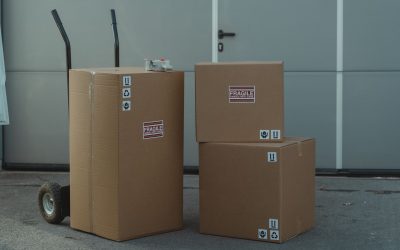
Before you look at a single review, grab a tape measure. The single most common shopping mistake is falling for a machine that simply will not fit through the door, down the hallway, or into the laundry nook. Measure the width, depth, and height of the installation space, then add a few inches of clearance for door swing, hoses, and ventilation. Also measure the path the machine will travel from your front door to its final spot, including any tight turns or stairs.
Once you know your footprint, you can rule out entire categories immediately. A cramped closet or stacked laundry setup usually means a compact or apartment-sized unit is your only realistic option, while a dedicated mudroom or basement gives you room for full-size front-load or top-load machines. If you are working with limited square footage, it helps to browse washing machines built for apartments first, since those roundups already filter for compact dimensions and stackable designs.
Decide Between Front-Load and Top-Load
This is the foundational choice that shapes almost everything else on your shortlist, so it is worth understanding the real trade-offs rather than just picking whatever you grew up with.
Front-Load Washers
Front-load machines generally use less water and energy per cycle, spin clothes drier (which shortens dryer time), and stack neatly with a matching dryer to save floor space. The trade-offs are a higher upfront price, a tendency to develop odor or mold around the door gasket if not aired out, and a lower loading height that some people find harder on their back.
Top-Load Washers
Top-load washers, especially high-efficiency (HE) models without a center agitator, offer faster cycle times, a more familiar loading motion, and typically a lower purchase price. Traditional agitator models are the most affordable and mechanically simple option, though they tend to be tougher on delicate fabrics and use more water. If you want a quick everyday wash without much fuss, it is worth reviewing washing machines with quick wash, since fast-cycle features are more common on certain top-load and HE lines.
Match Capacity to Your Household
Drum capacity is measured in cubic feet, and it directly determines how often you will be doing laundry. A single person or couple in an apartment can usually get by with 2.0 to 3.5 cubic feet. A family of three or four typically needs 4.0 to 4.5 cubic feet to comfortably wash bedding and towels without running multiple loads. Larger households, or anyone who regularly washes comforters, sports gear, or large curtains, should look toward 4.5 cubic feet and above.
It helps to think in terms of real loads rather than abstract numbers. If you are constantly overstuffing a small drum to avoid running an extra cycle, you are both wasting energy and wearing out the motor and bearings faster than necessary. Buying one size category larger than you think you need is rarely a mistake, since an underfilled large drum still cleans effectively, but an overfilled small one clean poorly and strains the machine.
Prioritize the Cycles and Features You Will Actually Use
Modern washers ship with a dizzying number of preset cycles, many of which most owners never touch. Instead of chasing the model with the longest feature list, map cycles back to your actual laundry habits.
- Quick or express wash: useful if you frequently need a single load done in under 30 minutes, such as a forgotten gym uniform or a last-minute shirt.
- Steam cycles: help lift stains, sanitize bedding, and reduce wrinkles without a separate steamer, which is valuable if you deal with allergies, pet hair, or a household that generates heavily soiled laundry.
- Allergen or sanitize settings: use higher water temperatures to kill dust mites and bacteria, worth prioritizing if anyone in the home has asthma or sensitive skin.
- Delicate and hand-wash cycles: matter more if you regularly wash activewear, wool, or specialty fabrics that cannot handle a standard agitation cycle.
- Extra rinse and bulky/bedding cycles: handy for large households or anyone washing comforters and pillows at home instead of at a laundromat.
If steam-assisted cleaning and sanitizing appeal to you, it is worth comparing a few washing machines with steam cycles before finalizing your shortlist, since not every model in a given price range offers a true steam function versus just a “steam-like” marketing label.
Understand Efficiency Ratings and Long-Term Cost
The sticker price on a washing machine is only part of the real cost. Energy and water efficiency ratings (look for the relevant efficiency label in your region) indicate how much a machine will cost to run over its lifespan. Front-load and HE top-load machines usually carry better efficiency ratings than traditional agitator washers, which can translate into a noticeably lower utility bill over several years of ownership, especially if you run multiple loads per week.
Also factor in detergent cost. HE machines require HE-labeled, low-sudsing detergent, and using regular detergent in an HE machine can cause excess suds, poor rinsing, and even error codes. This is a small ongoing cost difference, but it is worth knowing before you buy so you are not surprised at the next detergent aisle trip.
Compare Noise, Vibration, and Installation Requirements
If your laundry area sits near a bedroom, living room, or shares a wall with a neighbor, noise level deserves real weight in your decision. Front-load machines with good vibration dampening and a solid, level installation tend to run quieter, particularly during the high-speed spin cycle. Look at published decibel ratings when available, and pay attention to whether a model has a self-balancing suspension system, which reduces the thumping noise caused by unevenly distributed laundry.
Installation requirements matter too. Confirm your existing hookups match what the machine needs: standard 120V outlet, hot and cold water lines, and a drain that can handle the machine’s discharge rate. Stackable models need a specific dryer pairing and enough ceiling clearance, while some high-efficiency machines recommend a dedicated drain pump or standpipe height. Checking these details before you buy prevents a costly surprise on delivery day.
Set a Realistic Budget Range
Rather than shopping with a single price target in mind, it helps to think in budget tiers, since washer pricing tends to cluster around feature sets:
- Entry-level: basic agitator or simple HE top-load models with a handful of cycles, no smart features, and straightforward mechanical controls. Best for renters, secondary units, or anyone who wants reliability without extras.
- Mid-range: the sweet spot for most households, typically offering steam options, more cycle variety, better efficiency ratings, and quieter operation.
- Premium: larger capacity, app connectivity, advanced stain-sensing technology, and the quietest, most efficient motors, aimed at large households or buyers who want the latest features.
Decide which tier fits your budget before you start browsing individual listings, since it is much easier to compare three mid-range machines against each other than to compare an entry-level unit against a premium one on price alone.
Build Your Shortlist: A Simple Framework
Once you have worked through space, load type, capacity, must-have features, and budget, you should be able to narrow the entire market down to a manageable shortlist. Use this sequence:
- Confirm your available space and required install type (freestanding, stackable, closet).
- Pick front-load, HE top-load, or agitator top-load based on the trade-offs above.
- Set a capacity floor based on your household size and laundry habits.
- List your two or three non-negotiable features (steam, quick wash, sanitize, extra-large capacity).
- Set a budget tier and stick to it while comparing options within that tier.
- Read a handful of owner reviews for each finalist, focusing on reliability and repair experiences rather than marketing claims.
Following this order keeps you from getting distracted by flashy features on a machine that does not even fit your space or budget, and it turns an overwhelming category into two or three well-matched finalists.
Common Mistakes to Avoid
- Buying on price alone: the cheapest machine often costs more over time through higher water, energy, and detergent use.
- Ignoring the door seal on front-loaders: skipping regular gasket cleaning leads to odor and mold, a common complaint that is actually a maintenance issue, not a design flaw.
- Underestimating capacity needs: a drum that is too small means more loads per week, more time spent on laundry, and more wear on the machine.
- Skipping the measurements: failing to measure doorways and hallways is the number one reason for delivery day headaches and return fees.
- Overloading with unused features: paying extra for smart connectivity or a dozen cycles you will never use inflates the price without adding real value.
Frequently Asked Questions
How long should a new washing machine last?
Most well-maintained washing machines last between 10 and 14 years, though this varies by brand, usage frequency, and how consistently you clean the drum and gasket.
Is a front-load or top-load washer better for a family?
Front-load machines tend to offer better efficiency and gentler cleaning for large loads like bedding, while HE top-load models offer similar performance with a more familiar loading style and typically a lower price. Either can work well for a family; the right choice depends on your budget and how much you value faster cycle times versus long-term efficiency.
Do I really need a steam cycle?
Steam cycles are most valuable if you deal with allergies, tough stains, or want to reduce wrinkles without ironing. If your laundry routine is mostly everyday clothing, a standard cycle with a good detergent may be all you need.
What size washing machine do I need for a family of four?
A capacity of around 4.0 to 4.5 cubic feet is generally comfortable for a family of four, allowing you to wash bedding and towels without constantly running extra loads.
How many washing machines should I compare before deciding?
Narrowing your list to roughly a few finalists that meet your space, capacity, and feature requirements is usually enough to make a confident, well-researched decision without getting stuck in analysis paralysis.
Final Thoughts
A washing machine shortlist does not need to be complicated once you approach it in the right order: measure your space, choose a loading style, settle on capacity, pick the features you will actually use, and set a budget tier before you start comparing individual models. Working through these steps turns a confusing wall of options into a short, confident list of finalists that genuinely fit your home and laundry habits, so whatever you land on for 2026 is a machine you will be happy with for years of everyday use.