If you’re staring at two very different $100-or-less purchases – a pet odor eliminator to rescue your living room from lingering smells, or a space heater to take the chill off a drafty bedroom – you’re not really comparing apples to apples. But you might genuinely be splitting a tight budget between the two, or trying to decide which problem to solve first. This guide walks through how each product works, what actually matters when you shop for one, and how to prioritize if you can’t buy both right now.

Why These Two Products End Up in the Same Conversation
Pet odor eliminators and space heaters under $100 rarely compete for the same shelf space in a store, but they compete constantly for the same household budget line. Both are “comfort fixes” – one addresses air quality and smell, the other addresses physical warmth – and both are commonly bought in the fall and winter months when windows close, pets spend more time indoors, and homes start to feel stale or cold. If you’re a renter or homeowner trying to make a space more livable on a budget, it’s completely normal to be choosing between the two rather than buying everything at once.
Understanding what each product actually does – and doesn’t do – will help you spend that $100 (or two separate $100s) wisely instead of guessing.
What a Pet Odor Eliminator Actually Does
Pet odor eliminators are not air fresheners. A basic air freshener masks smell with a stronger scent; a true odor eliminator is formulated to break down the compounds that cause odor in the first place – usually urine, saliva, dander, or bacterial buildup in carpet fibers, upholstery, or hardwood seams. Under $100, you’re typically choosing between three formats:
- Enzymatic sprays – use natural enzymes to digest organic odor-causing molecules at the source; best for spot-treating carpets, furniture, and pet bedding.
- Portable air purifiers with carbon filters – actively pull pet dander, hair, and airborne odor particles out of a room; better for ongoing, whole-room freshness rather than a single stain.
- Odor-neutralizing sprays/gels – chemically bind to odor molecules to cancel them out rather than digest them; fast-acting but sometimes less effective on deep, set-in stains.
If your main issue is a specific “accident” spot on carpet or a couch cushion, an enzymatic spray is usually the better tool. If the issue is more of a general “the whole room smells like dog” problem, a small air purifier tends to deliver more consistent results over weeks rather than a single treatment.
What a Space Heater Under $100 Actually Does
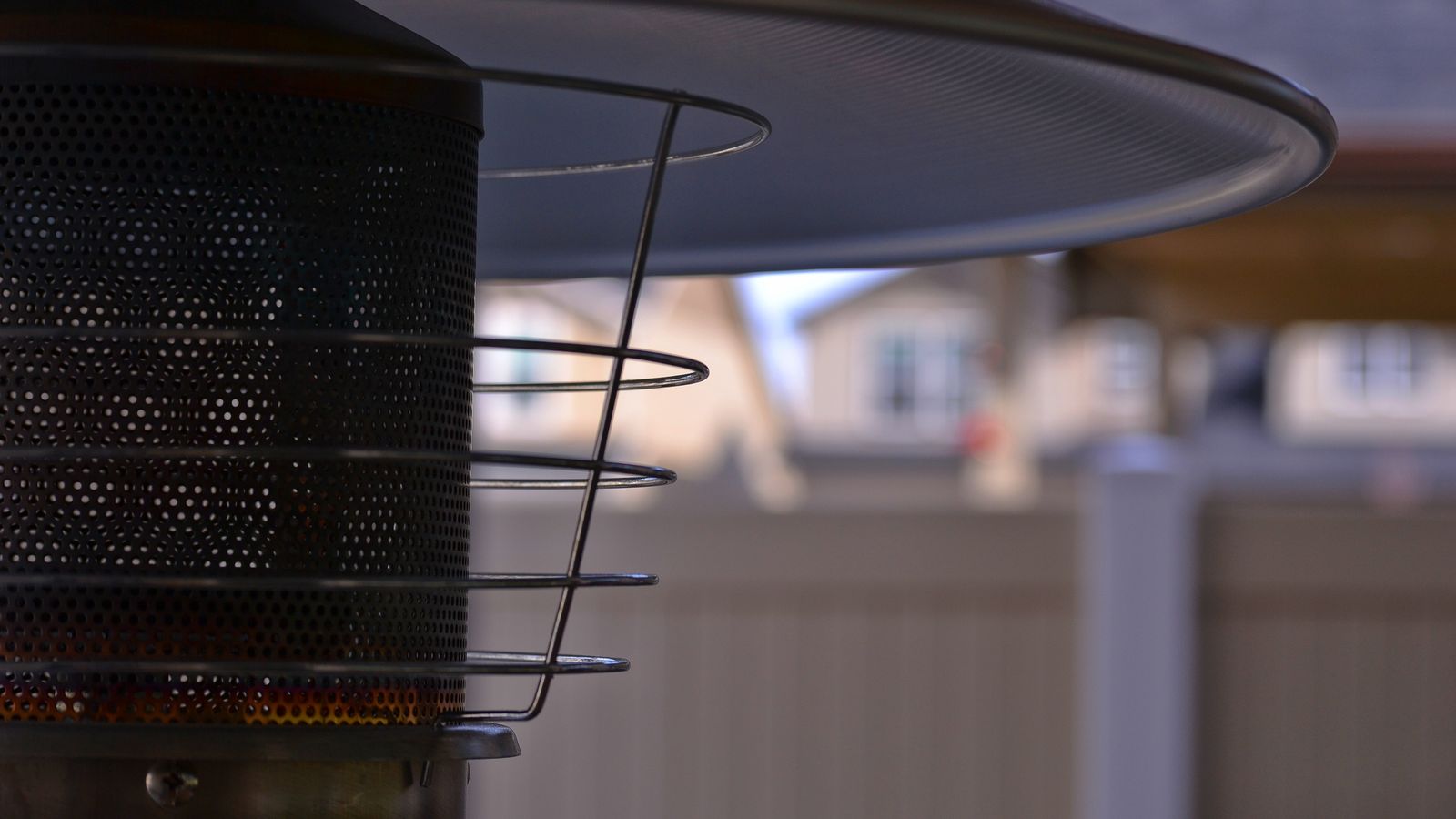
Space heaters solve a completely different problem: localized warmth in a room your central heating doesn’t reach well, or supplemental heat so you can turn the thermostat down elsewhere in the house. Under $100, most options fall into a few common categories:
- Ceramic heaters – compact, heat up quickly, good for small rooms or under a desk; widely available at this price point.
- Radiant/infrared heaters – heat objects and people directly rather than the whole air volume; efficient for spot-heating one area like a reading chair.
- Fan-forced heaters – circulate warm air quickly across a mid-sized room, but can be noisier than ceramic or radiant models.
At the sub-$100 price point, you’re rarely getting whole-home heating – you’re getting a supplemental tool for one room, so the “right” choice depends heavily on room size, insulation, and how long you’ll run it per day.
Side-by-Side: Key Differences That Matter When Choosing
Problem Being Solved
A pet odor eliminator addresses air quality and cleanliness; a space heater addresses temperature and comfort. If your household issue is “guests notice a smell when they walk in,” that’s an odor problem no heater will fix. If the issue is “the office is too cold to work in for more than 20 minutes,” no amount of odor treatment changes that.
Upfront Cost vs. Ongoing Cost
Odor eliminators are largely a one-time or occasional-refill purchase – a bottle of enzymatic spray or an air purifier’s filter cartridge lasts weeks to months. Space heaters have a hidden ongoing cost: electricity. A heater running several hours a day can meaningfully raise a power bill over a winter, something worth budgeting for beyond the initial under-$100 purchase price.
Safety Considerations
Space heaters carry real fire-safety responsibilities: they need clear space around them, should never be left unattended or running overnight unsupervised, and should sit on a hard, flat, non-flammable surface – especially important in a pet-owning household where a curious cat or dog could knock one over. Pet odor eliminators carry a lighter but still real safety consideration: check that any spray or enzymatic product is labeled pet-safe and non-toxic once dry, particularly if you have a dog or cat that will be back on that carpet or couch within the hour.
How Fast You See Results
A space heater delivers near-immediate results – a cold room warms up within minutes. Odor elimination is slower and less visually obvious: enzymatic treatments often need to sit and dry to fully break down odor-causing bacteria, and air purifiers need continuous runtime (often 24-48 hours) before a room noticeably freshens.
How to Decide Which One You Actually Need First
If you only have one $100 to spend right now, a few questions can point you toward the right priority:
- Is the issue affecting how the room feels to live in daily, or how it feels to guests occasionally? Persistent odor tends to bother the people who live there most; a cold room bothers everyone equally, guests included.
- Is the season working against you? In colder months, an unheated room becomes unusable fast, which often makes the heater the more urgent purchase; odor issues, while unpleasant, rarely make a room literally unusable.
- Is the odor source still active? If you have a puppy still being house-trained, or a cat with ongoing litter-box issues, odor control is an ongoing need that will keep resurfacing – arguably making it the higher-priority recurring investment.
- Could a cheaper interim fix hold you over? Baking soda and a thorough vacuum can temporarily reduce mild odor; a blanket and layered clothing can temporarily offset cold. Neither is a real fix, but they can buy you time to save for the better option.
In many households, the honest answer is “both, eventually” – so treat this less as an either/or and more as a sequencing decision based on which discomfort is currently worse.
Budget Tips for Getting Both Under $200 Total
If your goal is eventually owning both, a few strategies stretch your money further:
- Buy the cheaper problem-solver first. A quality enzymatic odor spray can be found well under $30, leaving more of your budget for a heater with safety features like tip-over shutoff and overheat protection.
- Watch for seasonal pricing swings. Space heaters are often discounted in late winter and spring as retailers clear stock ahead of summer; odor eliminators don’t have strong seasonality, so there’s less urgency to buy them at any particular time of year.
- Don’t oversize either purchase. A heater rated for a large open-plan living room is overkill (and pricier) for a small bedroom; an air purifier sized for a whole house is unnecessary if you’re only treating one room with a pet bed.
- Bundle the purchase with a broader cleanup. If odor is part of a bigger dust-and-hair problem, pairing a purchase with a capable vacuum can address the root cause rather than just the smell – see our guide to the best robot vacuums under $300/ for models that handle pet hair well between deeper cleanings.
Common Mistakes to Avoid
Relying on Scent to Judge Odor Elimination
A product that smells strongly of lavender or citrus isn’t necessarily eliminating odor – it may just be covering it up temporarily. Look for enzymatic or bacteria-based formulas specifically marketed as breaking down odor sources, not simply “fresh scent” sprays.
Running a Heater Unattended or Overnight
Even a well-reviewed budget heater is a fire risk if left running in an empty room or overnight while everyone sleeps, especially near curtains, bedding, or a pet bed. Most manufacturers explicitly recommend against unattended use – treat that instruction as non-negotiable, not a suggestion.
Ignoring Room Size and Airflow
Both products are sensitive to room size in ways people underestimate. A heater rated for 150 square feet will underperform in a 400-square-foot open room, and an air purifier’s carbon filter works far more slowly in a large, poorly ventilated space than in a small closed bedroom. Match the product’s rated coverage to your actual room before buying.
Skipping the Safety Certifications
For heaters, look for a recognized safety certification mark and features like automatic shutoff if tipped. For odor products used around pets, check that the label confirms the dried residue is pet-safe – some strong odor-neutralizing chemicals are not meant for surfaces pets will lie on or lick.

Where to Start Shopping
Once you’ve decided which need is more urgent, narrowing down an actual product is much easier with a shortlist of already-vetted options rather than sorting through hundreds of listings yourself. For odor control, our roundup of pet odor eliminators/ compares enzymatic sprays and air purifiers across different budgets and pet types. For warmth, our guide to space heaters under $100/ breaks down ceramic, radiant, and fan-forced models with safety features factored in, so you’re not choosing blind.
Frequently Asked Questions
Can a space heater make pet odor worse?
Indirectly, yes. Heaters dry out the air and can make a room feel stuffier, which sometimes makes existing odors more noticeable rather than less, especially in a small closed room. Running a heater alongside light ventilation (a cracked window, or periodic airing out) helps offset this.
Do air purifiers replace the need for enzymatic cleaners?
No. An air purifier manages airborne particles and smell circulating in a room, but it does nothing for odor that’s already soaked into carpet fibers or fabric. For a “accident” on a rug or cushion, you still need a direct enzymatic treatment on the surface itself.
Is it safe to run a space heater in a room with a pet bed?
It can be, provided there’s meaningful clearance (most manufacturers recommend at least three feet) between the heater and any bedding, and the heater has tip-over and overheat protection. Never place a heater directly next to or under a pet bed, and never leave a pet alone in a room with an active heater.
Which one is better for a rental apartment?
Both are renter-friendly since neither requires installation, but odor control often has a slight edge in rentals because move-out inspections frequently flag pet odor for cleaning-fee deductions. A heater is more about day-to-day comfort and doesn’t carry that same move-out financial risk.
How long does an enzymatic odor treatment take to work?
Most enzymatic sprays need to stay damp on the treated surface for 10-15 minutes to let the enzymes break down odor-causing bacteria, then air-dry fully, which can take several hours depending on humidity and fabric thickness. Full odor elimination on a deep-set stain sometimes takes more than one application.
What size room does a $100 space heater realistically cover?
Most budget ceramic and radiant heaters are designed for spaces in the 150-300 square foot range – think a bedroom, home office, or small living room – not open-concept living areas or whole floors. Check the manufacturer’s specific coverage rating before buying rather than assuming.
Final Thoughts
A pet odor eliminator and a space heater under $100 solve two genuinely different comfort problems, so the “right” choice comes down to which discomfort is actually bothering your household more right now – and whether one issue (like an actively house-training puppy) is recurring enough to justify addressing it first. If your budget allows, prioritize based on urgency and season, buy the cheaper of the two first to free up funds for the pricier item, and lean on dedicated buying guides rather than guessing at features. Whichever you choose first, matching the product’s actual capacity – room size for a heater, treatment type for odor – to your real situation will get you a lot further than picking based on price alone.