
A runner rug is one of the simplest ways to transform a hallway, kitchen, or staircase from an afterthought into a design feature. Long and narrow by nature, runners guide the eye through a space, protect flooring from daily wear, and add warmth and color to rooms that often get overlooked in decorating plans. But if you’ve never shopped for one before, the sheer range of lengths, materials, and pile heights can feel overwhelming. This guide breaks down everything a beginner needs to know: where runners work best, how to measure and size them correctly, which materials suit which rooms, and how to keep your rug looking great for years.

What Exactly Is a Runner Rug?
A runner rug is simply a rug that is significantly longer than it is wide – typically at least twice as long, and often much more. While standard area rugs are meant to anchor furniture in a room, runners are built for narrow, high-traffic passageways: entryways, hallways, staircases, and galley kitchens. Their elongated shape makes them ideal for directing movement and adding visual continuity between spaces that might otherwise feel disconnected.
Runners aren’t a single style – they come in flat weaves, plush piles, natural fibers, and synthetic blends, and in patterns ranging from minimalist stripes to intricate Persian-inspired motifs. Understanding the category broadly is the first step before narrowing down what fits your specific space.
Where to Use a Runner Rug
Hallways and Corridors
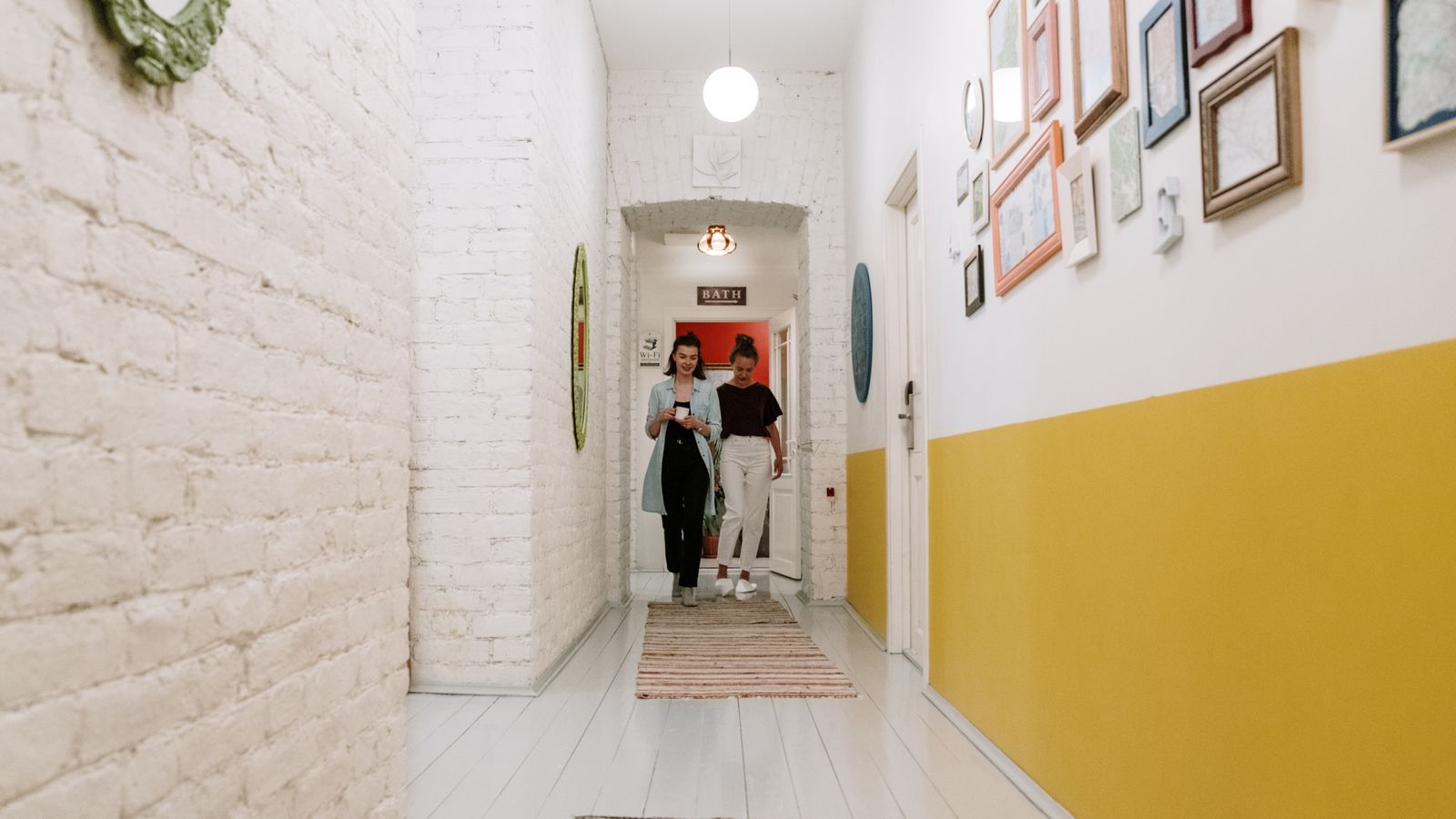
This is the classic runner application. A well-chosen runner softens footsteps, muffles sound, and breaks up long stretches of bare flooring. In hallways, aim to leave a few inches of flooring visible on either side of the rug and at both ends, rather than running it wall-to-wall.
Kitchens
Kitchen runners sit in front of sinks, stoves, and counters where you spend the most time standing. They cushion your feet during meal prep and catch spills before they reach the floor. Because kitchens deal with grease, water, and food debris, material choice matters more here than almost anywhere else – more on that below. If you want inspiration specifically tailored to cooking spaces, browsing a curated list of best runner rugs for kitchens is a smart place to start.
Entryways and Foyers
A runner just inside the front door gives guests (and muddy shoes) a place to land before tracking dirt further into the home. This is one of the highest-wear zones in any house, so durability should top your priority list here.
Staircases
Stair runners are installed the length of a staircase, secured with rods or tackless strips. They reduce noise, add grip on slick stairs, and can dramatically change the character of an entryway or landing.
Bedrooms and Closets
A slim runner alongside a bed or in front of a closet adds a soft first step in the morning without covering the whole floor – a budget-friendly alternative to a full area rug.
How to Measure and Size a Runner Correctly
Sizing is where most beginners go wrong. Follow these steps before you shop:
- Measure the full length of the space. Use a tape measure to get the exact length of the hallway, kitchen run, or staircase.
- Subtract for breathing room. Leave 6 to 10 inches of bare floor at each end of a hallway runner, and 3 to 6 inches on either side, so the rug reads as intentional rather than accidental.
- Measure the width of the space. Standard runner widths run from about 2 feet to just over 3 feet. Choose a width proportional to your corridor – a narrow hallway calls for a narrower runner, while a wide gallery kitchen can handle a fuller width.
- Account for doorways and turns. If your hallway has doors that swing inward or turns a corner, plan the rug placement so it doesn’t interfere with door clearance.
- Consider multiple runners for long or L-shaped spaces. Rather than searching for one impossibly long custom rug, two coordinating runners placed end to end (with a small gap) often looks cleaner and is far easier to find and replace.
Choosing the Right Material
Wool
Wool runners are durable, naturally stain-resistant, and soft underfoot, making them a favorite for hallways and living spaces. They’re an investment but typically last for decades with proper care.
Cotton and Flatweave
Lightweight, machine-washable, and budget-friendly, cotton and flatweave runners are ideal for kitchens and entryways where spills are frequent. They lack the plush feel of wool but make up for it in easy maintenance.
Synthetic Fibers (Polypropylene, Nylon)
Synthetic runners resist moisture and fading, which makes them a strong choice for high-traffic zones and even covered outdoor areas. If you’re furnishing a covered porch or mudroom entrance, it’s worth comparing indoor options against dedicated outdoor rugs built to handle weather exposure.
Jute and Sisal
Natural fiber runners bring texture and an earthy look but can be rougher underfoot and less forgiving of spills. They work best in low-moisture areas like formal entryways rather than kitchens or bathrooms.
Pile Height and Backing: What They Mean for Daily Use
Pile height refers to how thick and plush the rug’s surface is. Low-pile or flatweave runners sit close to the floor, are easier to vacuum, and don’t create a tripping hazard under doors – ideal for hallways and kitchens. High-pile runners feel luxurious but trap more dirt and can bunch up in heavy-traffic corridors.
Backing matters just as much as pile. A rubber or non-slip backing keeps the runner anchored on hardwood, tile, or laminate, which is essential in hallways and stair applications where a shifting rug is a real safety risk. Rugs without built-in backing can be paired with a separate rug pad, which also extends the life of the rug by reducing friction against the floor.
Matching Style to Your Space
Runners are a low-commitment way to introduce pattern and color into a home, since they cover a relatively small footprint compared to a full area rug. A few style principles to keep in mind:
- Busy patterns hide wear. If the runner will see heavy foot traffic, a patterned or multi-tone design masks dirt and fading far better than a solid color.
- Solid runners work in calmer spaces. A hallway that already has patterned wallpaper or art benefits from a simpler, solid-colored runner to avoid visual clutter.
- Coordinate, don’t match exactly. Pull one or two colors from the runner into nearby décor – a vase, artwork, or door mat – rather than trying to match everything precisely.
- Consider sightlines. If the hallway is visible from a main living space, choose a runner that complements that room’s palette rather than treating the hallway as an isolated zone.
Budget Considerations
Runner prices vary enormously depending on material, length, and craftsmanship. Machine-made synthetic runners are the most affordable option and a sensible starting point for anyone testing out a new layout or color scheme. Hand-tufted wool or hand-knotted runners cost significantly more but offer better longevity and resale value if you’re furnishing a long-term home. For most beginners, a mid-range flatweave or low-pile synthetic runner offers the best balance of price, durability, and ease of cleaning – and browsing a broad selection of runner rugs is a good way to compare styles across price points before committing.
Caring for Your Runner Rug
- Vacuum weekly using a setting appropriate for the pile height – low suction for flatweaves, standard suction for plush piles.
- Rotate the rug every few months so wear and fading are distributed evenly, especially in sunlit hallways.
- Blot spills immediately rather than rubbing, which pushes liquid deeper into the fibers.
- Use a rug pad to prevent slipping and reduce wear on the rug’s backing over time.
- Deep clean seasonally. Machine-washable cotton runners can go through a gentle cycle; wool and natural-fiber runners typically need professional cleaning or a careful hand-wash.
Common Mistakes to Avoid
- Buying too narrow a runner for a wide hallway, which makes the space look unfinished.
- Skipping the rug pad on hard flooring, creating a slip hazard.
- Choosing high-pile rugs for kitchens, where crumbs and spills are difficult to clean out of thick fibers.
- Ignoring doorway clearance, resulting in a rug that catches on doors as they swing open.
- Placing an indoor-only runner outdoors, where moisture and UV exposure will quickly degrade the fibers.
Frequently Asked Questions
How long should a hallway runner be?
As a general rule, leave 6 to 10 inches of visible flooring at each end of the hallway. Measure your space first, then shop for the closest standard length, trimming or using two runners if needed for unusually long corridors.
Can I use a runner rug in a bathroom?
Yes, but choose a moisture-resistant material like cotton or synthetic fiber with a non-slip backing, since bathrooms deal with frequent water exposure.
Do runner rugs need a pad underneath?
In most cases, yes – especially on hardwood, tile, or laminate. A pad prevents slipping, cushions footsteps, and protects both the rug and the floor from friction damage.
How do I keep a runner rug from bunching up?
A quality non-slip backing or rug pad is the most effective fix. Regularly smoothing the rug back into place and avoiding oversized, high-pile runners in narrow walkways also helps.
Are runner rugs suitable for covered outdoor spaces?
Standard indoor runners aren’t built for weather exposure. For covered porches, mudrooms, or patios, look for rugs specifically designed and rated for outdoor use.
Final Thoughts
A runner rug is a small addition with an outsized impact on how a hallway, kitchen, or entryway feels day to day. Taking the time to measure accurately, choose a material suited to the room’s traffic and moisture levels, and select a backing that keeps the rug secure will save you from common beginner mistakes. Once you’ve nailed down the basics covered here, browsing a wider selection of options – from everyday hallway styles to kitchen-specific designs – makes it easy to find the runner that fits both your space and your budget.