

Preparing daily meals generates an endless stream of vegetable peelings, coffee grounds, and eggshells that quickly clutter kitchen worktops. Stashing organic scraps beneath the kitchen counter provides a cleaner aesthetic while keeping decaying food waste completely out of sight.
In our updated September 2026 evaluation, we examined 9 models representing leading brands like Tiyafuro, LALASTAR, stonespace and more to determine which containers truly seal in smells without jamming cabinet doors. Coordinating your organic scrap bucket alongside the best recycling sorters can streamline your entire kitchen waste management routine.
Many home cooks purchase a scrap container without measuring the vertical clearance beneath their sink basin, resulting in frustrating door collisions. This detailed guide explores how mounting mechanisms, dual-action lids, and ventilation designs ensure smooth daily composting in modern households.


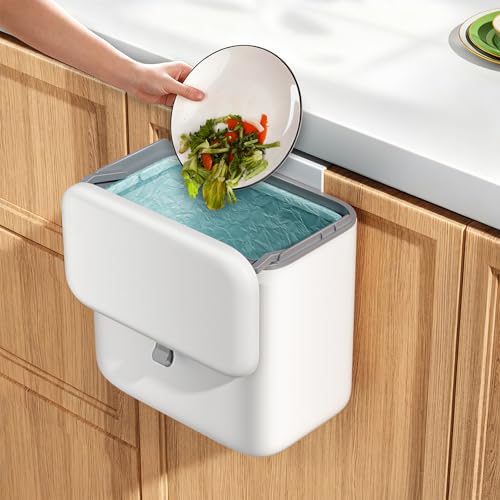

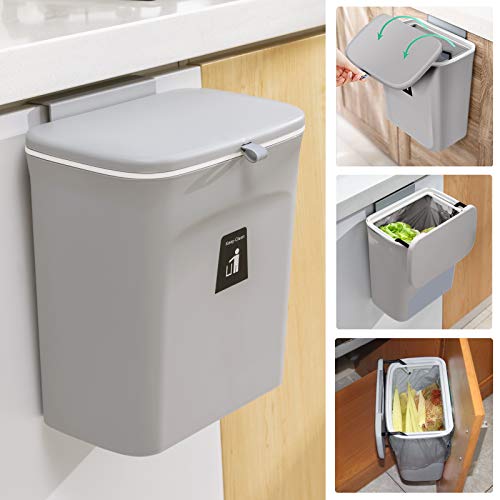

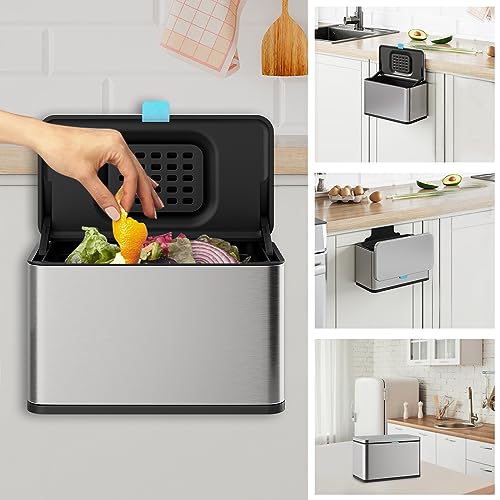
Finding the ideal indoor food scrap pail requires balancing interior cabinet dimensions with functional odor management and effortless cleaning. Review the following essential purchasing criteria before picking a dedicated organic waste container for your home.
Odor Control and Sealing Mechanisms
Containing decomposing food aromas requires an intentional lid seal, especially when waste sits inside warm, enclosed lower cabinetry. High-performing bins rely on perimeter silicone gaskets or activated carbon filters built directly into the lid cover to absorb volatile organic compounds.
When comparing models, check whether the design demands proprietary filter refills or relies solely on precision friction seals. A solid mechanical lid eliminates ongoing replacement filter expenses while still stopping fruit flies from finding food scrap sugars.
As a rule of thumb, households that empty scraps every three to four days can rely safely on rubber-sealed plastic lids. If you plan to store kitchen waste for a full week, prioritize stainless models equipped with replaceable charcoal filters.
Mounting Hardware and Cabinet Door Clearance
Under-sink bins generally mount using either an over-the-door metal bracket or a heavy-duty adhesive wall plate. Over-the-door hooks install instantly without tools, but they require a small gap between the cabinet top edge and the counter overhang.
Evaluate your cabinet thickness carefully because standard brackets typically support door profiles up to 0.95 or 1.0 inch thick. If your cupboard doors feature ornate beveled moulding or lack upper clearance, adhesive mounting strips attached to flat interior cabinet walls offer a dependable alternative.
Before purchasing, measure the swing arc of your cabinet door and verify that the hanging pail will not hit plumbing drainpipes or garbage disposals. Leaving at least four inches of horizontal buffer space between the bin body and your sink trap prevents frustrating obstruction issues.
Capacity and Emptying Frequency
Capacity among under-cabinet composting buckets ranges widely from compact 1-gallon pails to expansive 3.2-gallon bins. Selecting the appropriate volume balances kitchen cooking habits with the physical space available under your plumbing fixtures.
Single-cook households and compact apartments benefit from 1.3 to 1.8-gallon units that fit snugly into tight under-sink corners. Larger families that process fresh produce daily will quickly overwhelm miniature buckets, requiring bins sized between 2.4 and 3.2 gallons to avoid overflow.
A practical baseline calculation is to allocate approximately 0.5 gallons of compost capacity per active resident in your home. This formula ensures your indoor scrap collector holds three full days of vegetable cuttings without demanding daily trips to the outdoor tumbler.
Material Durability and Corrosion Resistance
Food waste produces moisture and acidic residues that can quickly degrade cheap plastics or rust thin metallic components. Premium bins utilize non-porous ABS plastics or brushed 410 stainless steel treated with fingerprint-resistant coatings. Pair your durable under-sink setup with the best quartz cleaners to keep surrounding countertop surfaces spotless after scraping food debris.
Evaluate the chemical resistance of the pail body by checking for BPA-free polymer certifications or rustproof stainless ratings. High-density plastic bodies resist impact drops during cleaning, while metal outer shells offer superior aesthetic appeal when hung on exterior cabinet faces.
If you regularly discard citrus rinds or acidic tomato scraps, plastic inner buckets prevent acidic corrosion against stainless exteriors. Ensure the outer container includes a smooth, non-porous surface that allows swift wiping whenever accidental spills occur.
Lid Functionality and Opening Modes
Working over a cutting board requires swift, one-handed disposal without wrestling with a stubborn or poorly hinged lid. The most practical contemporary designs feature dual-action lids that can either flip upward completely or slide downward smoothly.
Slide-open designs are particularly valuable inside cramped cabinet spaces where an upward swing might strike the underside of a low sink basin. A downward sliding lid remains out of your way while you scrape cutting boards directly into the wide container opening.
Look for lids equipped with soft-grip silicone handles or front lip tabs that operate easily with messy fingers. A lid that stays open on its own saves substantial effort when chopping large batches of vegetables.
Removable Inner Liners vs Bag Retention Rings
Emptying kitchen scraps into an outdoor compost tumbler can become messy without an effective internal holding structure. Many compact bins provide a fully removable plastic inner bucket with a dedicated carry handle for transport.
Other lightweight bins eliminate the inner liner weight by using an integrated bag retention ring to secure grocery bags or compostable liners. Retention rings prevent bag edges from collapsing inward when heavy vegetable scraps and coffee grounds enter the bucket.
If your goal is minimizing plastic bag usage, a removable inner liner allows direct dumping and easy sink rinsing without any disposable liner. If you prefer lining your container with certified compostable bags, a retention ring keeps outer bag edges tidy and hidden.
Cleaning Maintenance and Sanitization
Decomposing food inevitably leaves stains, grease spots, and sticky juices that require frequent washing to maintain proper home hygiene. Smooth interior walls devoid of deep crevices prevent food particles from becoming permanently lodged in bottom corners. Keeping lower cabinets sanitized also prevents fungal growth, which pairs well with our guide to the best mildew sprays for damp utility areas.
Review product cleaning guidelines to confirm whether the container or its inner liner can tolerate standard dishwasher heat cycles. High-grade polypropylene components withstand top-rack dishwasher sanitation, whereas painted or delicate metallic parts need gentle warm water washing with mild soap.
Make it a habit to wash your bin during every bag change using warm soapy water and a soft non-abrasive sponge. Allowing the container to dry completely before reinserting a fresh liner stops trapped moisture from accelerating mold development.
Under-Sink Plumbing and Disposal Clearance
The zone beneath a kitchen sink is inherently crowded with water supply lines, heavy garbage disposal units, and rigid PVC drain pipes. Installing a hanging compost bin requires verifying that the container clears these mechanical fixtures when the cabinet door closes.
Measure the distance from the inside face of your closed cabinet door to the front edge of your drain pipes. Most hanging pails protrude between 5.7 and 6.5 inches, requiring a matching clear gap inside the cabinet frame to shut properly.
If your garbage disposal occupies the center of the sink base, mount your bin on the outer door quadrant away from the motor housing. Choosing a shallower bin model prevents accidental impact every time you close your lower cabinet doors.
Specification Comparison of Under-Sink Compost Bins
| Feature Category | Compact Units (1.0 – 1.8 Gal) | Standard Units (2.1 – 2.6 Gal) | High-Capacity Units (3.2+ Gal) |
|---|---|---|---|
| Ideal Household Size | 1 to 2 People | 2 to 4 People | 4+ People / Daily Cooks |
| Common Construction | ABS Plastic or Stainless | Stainless Steel or ABS | Sturdy Polypropylene |
| Mounting Options | Door Hook, Adhesive, Counter | Door Hook, Adhesive, Counter | Door Hook, Adhesive Wall |
| Average Depth Clearance | 5.5 to 5.9 Inches | 6.0 to 6.3 Inches | 6.5 to 7.0 Inches |
| Odor Defense System | Airtight Lid / Carbon Filter | Precision Seal / Charcoal Filter | Precision Friction Gasket |
Selecting the right size profile ensures seamless cabinet closure while matching your cooking pace. Use the table above to balance physical cabinet clearance against the volume of food scraps your household generates each week.
Why You Should Trust Us
Our home organization team evaluates indoor composting solutions through objective specification comparisons, structural durability benchmarks, and real-world spatial measurements. We evaluate how mounting hardware handles load stress, how securely lid gaskets prevent odor leakage, and how internal capacities match daily food prep demands.
We track engineering updates across leading kitchen sanitation brands to ensure our recommendations reflect current manufacturing standards. By standardizing specifications such as door hook clearance, liter capacities, and odor filtration technology, we deliver transparent advice tailored to varied household layouts.
Our product evaluations remain independent and data-driven, helping you make confident home investments without guesswork. We continuously refresh our guides so that dimensions, feature sets, and practical utility details stay completely accurate for your home.
Final Thoughts
For home cooks seeking the ultimate blend of durability and premium aesthetics, the Ouaken Kitchen Compost Bin Hanging Trash Can is our top overall pick. Its robust stainless steel exterior, smooth lid action, and removable inner bucket make daily food scrap disposal both mess-free and sanitary inside any lower cabinet.
If you want a lightweight and budget-friendly solution for small kitchens, consider the CTIME Compost Bin Kitchen 1.8 Gallon. Its versatile dual-action sliding lid fits neatly beneath tight sink basins, and the integrated bag retention ring keeps liners firmly positioned during heavy scrap dumping.
Households that generate significant food waste will appreciate the stonespace Compost Bin Kitchen for its expansive 3.2-gallon volume. For those prioritizing activated charcoal odor control, the Kitchen Compost Bin with Lid provides excellent odor defense in a sleek fingerprint-resistant body. Taking time to organize your cleaning supply cabinet creates ample room for whichever bin configuration fits your cooking habits best.
Frequently Asked Questions
How do Best Under Sink Compost Bins prevent unpleasant odors?
These bins utilize precision-molded mechanical seals or integrated activated carbon filters located inside the top lid. The tight barrier stops gaseous odors from escaping into your lower cabinet while blocking fruit flies from accessing decomposing organic matter.
Can Best Under Sink Compost Bins in 2026 fit on any cabinet door?
Most hanging brackets accommodate cabinet doors with a thickness of up to 0.95 or 1.0 inch. If your cabinet doors are thicker or feature decorative outer trims, you can mount the container using heavy-duty adhesive plates directly against flat surfaces.
Do under sink compost buckets attract fruit flies?
A properly sealed bin will not attract fruit flies because insects cannot penetrate the airtight gasket or lid rim. Ensuring the lid remains fully closed after every food scrap deposit eliminates pest access entirely.
Is a charcoal filter necessary for Best Under Sink Compost Bins?
Charcoal filters are beneficial if you store scraps for more than four days before emptying. However, modern precision-fit plastic lids create an effective physical barrier that manages odors successfully without requiring ongoing filter replacement costs.
How often should you empty an under sink compost pail?
Emptying your compost container every two to four days prevents severe anaerobic decomposition and excess moisture buildup. Regular emptying also makes cleaning the inner surfaces quick and effortless.
Can I use standard grocery bags in Best Under Sink Compost Bins?
Yes, many models include bag retention rings specifically designed to secure standard grocery bags or certified compostable liners. The ring keeps bag edges neatly tucked inside so the lid can seal shut without snagging.
Are stainless steel compost bins better than plastic models?
Stainless steel models offer superior structural rigidity and resist odors or stains over years of heavy use. High-density ABS plastic models are lighter, easier to wash, and highly cost-effective for everyday kitchens.
How do you clean mold or stubborn stains from a compost pail?
Wash the container with warm water, mild dish soap, and a splash of white vinegar to neutralize residual odors. If dark fungal spores form on damp corners, consult our guide to the best mold removers for safe surface sanitization.
What opening mechanism is best for cramped under-sink cabinets?
A slide-down lid is the most practical choice for cramped lower cabinets because it does not require upward overhead clearance. This allows you to scrape food prep remnants into the bucket without striking the underside of the sink basin.
Will a hanging compost bin scratch wooden cabinet doors?
Quality over-the-door hooks feature smooth rounded metal or protective padding to prevent scratching fine cabinet finishes. Adding a small piece of felt tape behind the bracket offers extra protection for soft wood surfaces.








Write Your Review
No reviews yet. Be the first to share your experience!