

Kitchen renovation wish lists tend to grow faster than budgets, and three items show up on nearly every one of them: a sink base organizer, a set of drawer liners, and a cabinet hardware set. Each promises to make your kitchen feel more finished, but they solve completely different problems, and buying the wrong one first can leave the actual pain point untouched. This guide walks through what each product does, who genuinely needs it, and how to sequence your purchases so your kitchen improves in the order that matters most to your daily routine.

Understanding What Each Product Actually Solves
Before comparing features or prices, it helps to separate these three products by the specific frustration they address. They are not competing options for the same job – they are tools for three different jobs that happen to live in the same room.
Sink Base Organizers: Fixing Wasted Under-Sink Space
The cabinet under your kitchen sink is one of the most awkwardly shaped storage spaces in the entire house. Plumbing pipes cut through the middle, the floor is often uneven or slightly damp-prone, and bottles of cleaner, sponges, trash bags, and dish soap refills end up in a jumbled pile that requires excavation every time you need something. A sink base organizer is a system of tiered shelves, pull-out trays, sliding baskets, or tension rods designed specifically to work around plumbing while maximizing usable space. If you dread opening your under-sink cabinet, or if you find yourself buying duplicate cleaning supplies because you can’t see what’s already back there, this is the product solving your actual problem.
Drawer Liners: Protecting Surfaces and Reducing Slide-and-Rattle
Drawer liners are thin sheets – usually cork, rubber, felt, or textured vinyl – cut to fit inside kitchen drawers and cabinet shelves. Their job is protective and organizational at a small scale: they keep utensils from sliding around every time you open a drawer, cushion glassware and dishes against chips, prevent moisture and spills from soaking into bare wood, and make cleanup as simple as wiping a surface instead of scrubbing into wood grain. Liners are a low-cost, low-effort upgrade that noticeably reduces the daily annoyance of noisy, sliding drawer contents and keeps cabinet interiors looking new for years longer.
Cabinet Hardware Sets: Changing the Look and Function of Every Door and Drawer
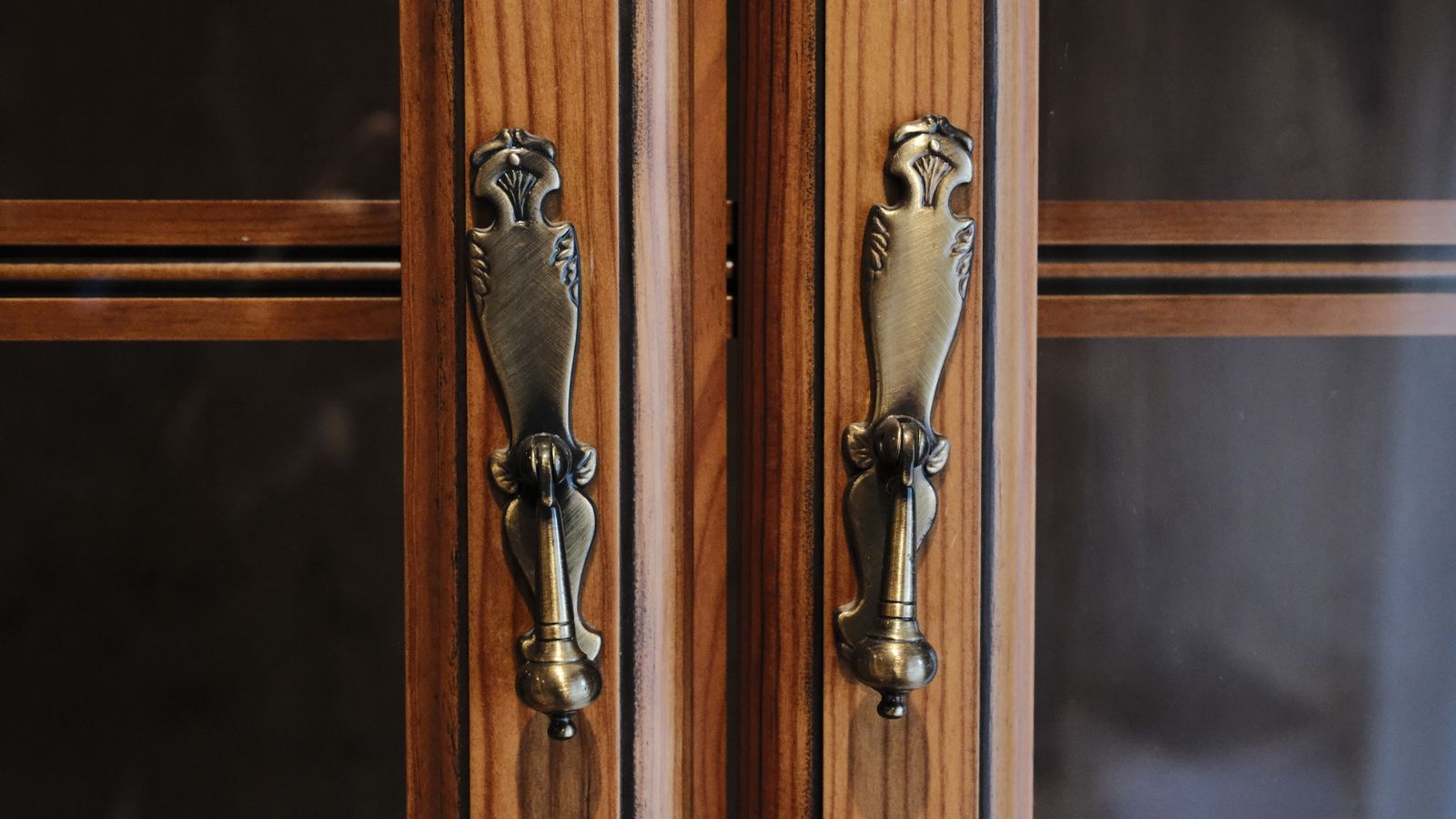
Cabinet hardware – knobs, pulls, and handles – is the detail that most visibly signals whether a kitchen looks dated or current. A hardware set swaps out worn, mismatched, or builder-grade knobs for a coordinated style and finish across every door and drawer front. Unlike the other two options, this is primarily a cosmetic and ergonomic upgrade: it changes how the kitchen looks at a glance and how comfortable it feels to grip and pull, but it does not add storage capacity or protect surfaces. If your cabinets are structurally fine but visually tired, hardware is often the single highest-impact, lowest-cost renovation move available.
Key Differences at a Glance
Because these three products are frequently bundled together in “kitchen refresh” shopping guides, it’s easy to assume they belong on the same list for the same reasons. They don’t. Here’s how they actually compare across the factors that matter when you’re deciding where to spend first.
Cost and Time Investment
Drawer liners are typically the cheapest and fastest option – most kitchens can be fully lined in an afternoon for well under $50 depending on drawer count and material quality. Sink base organizers sit in the middle: expect to spend more time measuring around your specific plumbing configuration and assembling or adjusting shelving, with installation ranging from 30 minutes for a simple tiered shelf to a couple of hours for a full pull-out system. Cabinet hardware sets vary the most in cost depending on finish and quantity, and installation time scales directly with how many doors and drawers you have – a full kitchen can mean drilling dozens of new holes, which is more involved than either of the other two projects.
Impact on Daily Function vs. Appearance
If you’re choosing based on how much daily friction you’ll eliminate, sink base organizers usually win – that cabinet gets opened multiple times a day and a chaotic one creates real, repeated annoyance. Drawer liners deliver a smaller but still meaningful daily-use improvement (quieter drawers, easier cleaning). Cabinet hardware delivers the biggest visual transformation but the smallest functional one; it’s the difference between a kitchen that works fine and one that looks intentional.
Skill Level Required
Drawer liners require zero tools beyond scissors or a utility knife. Most sink base organizers are designed for tool-free or minimal-tool assembly, though measuring around pipes correctly takes some care. Cabinet hardware installation requires basic tools (drill, tape measure, sometimes a template) and a steady hand, especially if you’re changing hole spacing from the existing hardware, which may require filling and repainting old holes.
How to Decide What You Actually Need
Rather than buying all three at once, walk through these questions in order. Your answers will point you toward the purchase that solves your most pressing problem first.
Start With Your Biggest Daily Frustration
Open your under-sink cabinet right now. If the first word that comes to mind is “chaos,” a sink base organizer is your priority – this is the space people avoid dealing with the longest, and it compounds into wasted money on duplicate supplies and wasted time searching for things you already own.
Then Consider What You Touch Most Often
If your under-sink cabinet is reasonably fine but your utensil and dish drawers rattle every time you close them, or you’ve noticed water stains and crumb buildup on bare wood shelves, drawer liners address the wear-and-tear that happens dozens of times a day in the drawers and cabinets you use constantly.
Finally, Think About What You See Every Time You Walk In
If your storage is functional and your drawers are already lined or don’t bother you, but your kitchen still looks a decade older than it should because of dull, mismatched, or worn hardware, this is where the best cabinet hardware sets deliver the most noticeable transformation for the investment.
When You Genuinely Need All Three
Plenty of kitchens need all three upgrades eventually, especially in an older home where the sink cabinet has never been organized, the drawers have original builder liners (or none at all), and the hardware is the same brass knobs from three decades ago. In that case, sequence your spending by frequency of use: sink base organizer first (daily frustration, high storage value), drawer liners second (frequent contact, low cost), and hardware last (biggest visual payoff, but purely cosmetic so it can wait without costing you function in the meantime).
Setting a Budget Across All Three
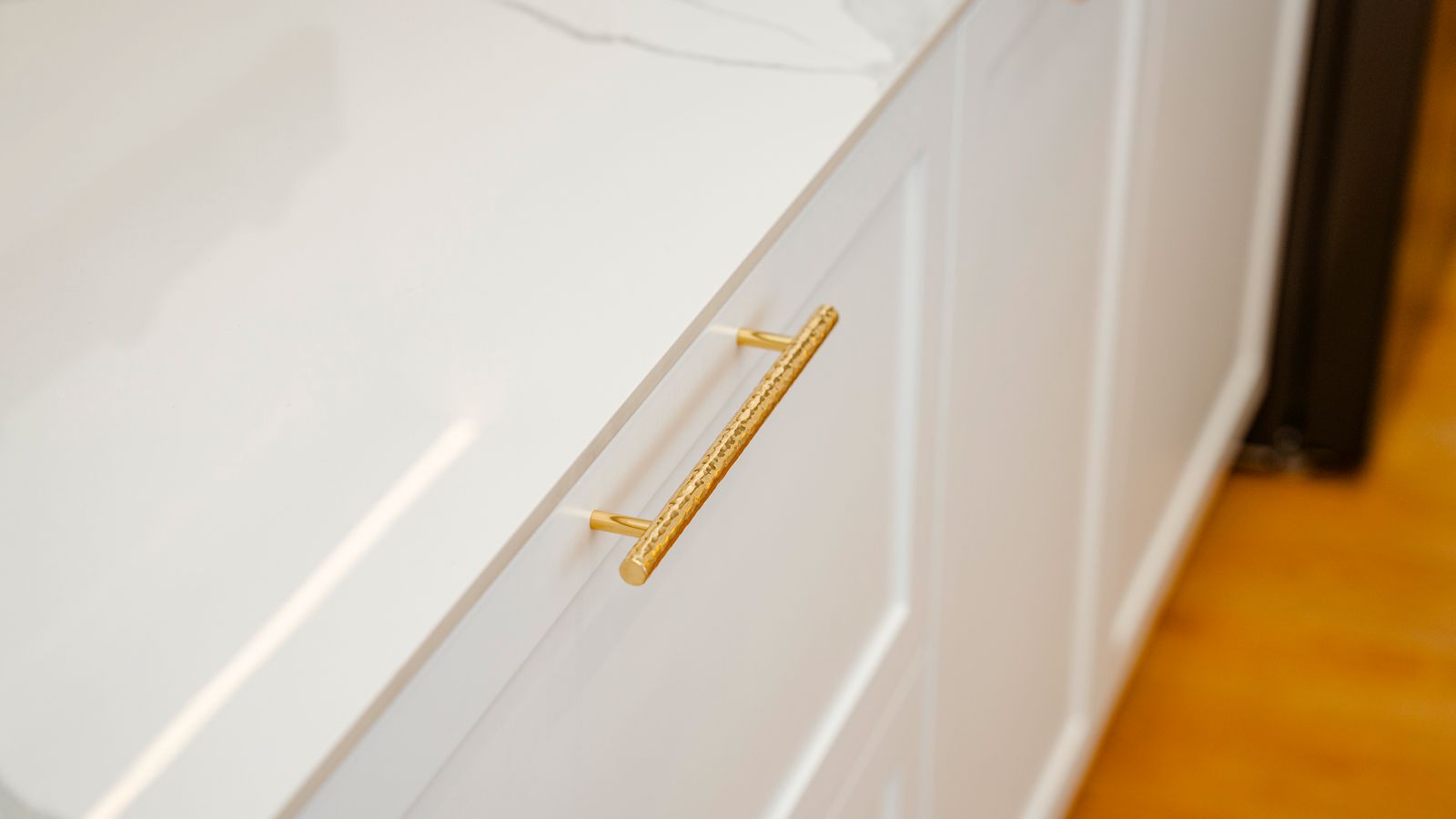
If your plan is to eventually tackle all three, it helps to think of them as a staged project rather than one purchase. A practical approach: allocate roughly 40% of your kitchen-accessories budget to sink base organization (since components like tiered shelves or sliding baskets can add up if you need multiple pieces), 20% to drawer liners (inexpensive per drawer but add up across a full kitchen), and the remaining 40% to hardware (where finish quality genuinely affects how long the pieces last and look good, so it’s worth not cutting corners). Adjust these ratios based on which problem is actually bothering you the most – budget should follow function, not an even three-way split.
Material Quality Matters More Than You’d Think
Across all three categories, material quality determines whether you’re solving the problem once or repeating the purchase in a year. Cheap plastic sink organizers can crack under the weight of full cleaning bottles; thin adhesive drawer liners peel and curl within months in humid kitchens; budget hardware finishes can tarnish or loosen at the screw thread faster than mid-range options. It’s worth spending slightly more within each category rather than spreading a tight budget across all three at the lowest price point available.
Common Mistakes to Avoid
- Buying a sink base organizer without measuring your plumbing layout first. Pipe placement varies significantly between kitchens, and a system that doesn’t account for your specific configuration will sit unused in a closet.
- Choosing drawer liner material based on looks alone. A liner that looks great but isn’t water-resistant defeats the purpose in a kitchen drawer near the sink or dishwasher.
- Changing hardware hole spacing without a plan for the old holes. If your new pulls have different spacing than your existing hardware, you’ll need to fill, sand, and touch up paint or stain – factor this into your project timeline and budget.
- Treating hardware as purely decorative and ignoring ergonomics. A pull that looks striking but is uncomfortable to grip daily becomes an annoyance fast – test the feel, not just the finish, when possible.
Frequently Asked Questions
Can I install a sink base organizer without removing existing plumbing?
Yes, in the vast majority of cases. Most sink base organizers are specifically designed with adjustable or cut-away sections that fit around standard plumbing without requiring you to touch pipes or hire a plumber. Just measure the space carefully before buying, since pipe height and spacing vary.
Do drawer liners actually need to be replaced, or do they last indefinitely?
Most liners last several years with normal use, but they should be replaced once they start curling at the edges, staining, or losing their grip texture, since a worn liner stops doing its job of preventing slide and protecting the surface underneath.
Is it worth replacing cabinet hardware if I’m planning to repaint or reface cabinets later?
It’s usually better to wait. If a full repaint or refacing project is on your near-term horizon, hold off on hardware so you can choose a finish that complements the new cabinet color and avoid drilling new holes twice.
Which of these three projects has the best return if I’m planning to sell my home?
Cabinet hardware typically offers the best visual return relative to cost for resale purposes, since it’s one of the first details buyers notice. Sink base organization and drawer liners are more about your own daily comfort while you live there, since buyers rarely inspect under-sink storage systems during a walkthrough.
Can I mix and match hardware finishes within the same kitchen?
It’s done successfully, but it takes a deliberate plan – usually one finish for door pulls and a complementary but distinct finish for drawer pulls, or matching hardware finish to your faucet and lighting fixtures. Random mixing without a plan tends to look unintentional rather than curated.
Final Thoughts
None of these three products is objectively “better” than the others – they simply solve different problems, and the right first purchase depends entirely on which pain point affects your daily kitchen use the most. If chaotic under-sink storage is costing you time and duplicate purchases, start with a sink base organizer. If your drawers rattle and show wear, drawer liners are the quick, affordable fix. And if your kitchen functions fine but looks dated the moment you walk in, a coordinated hardware set delivers the most visible transformation for the money. Most kitchens eventually benefit from all three – the key is sequencing them by which one is actually bothering you today, not by which one photographs best in a renovation feed.