Staring at a bare wall and torn between two very different decorating paths? A wreath and a floating picture ledge solve the same basic problem – filling empty wall space with personality – but they do it in almost opposite ways. One is a single, symbolic accent that changes with the seasons. The other is a flexible display surface that grows and evolves with your life. Choosing between them (or deciding to use both, in different rooms) comes down to how you want your walls to function, not just how you want them to look.
This guide breaks down what each option actually offers, where each one shines, and how to make the call for your specific wall, room, and lifestyle. By the end, you’ll know exactly which piece deserves your wall space – or how to split the difference.
What Is a Wreath, Exactly?
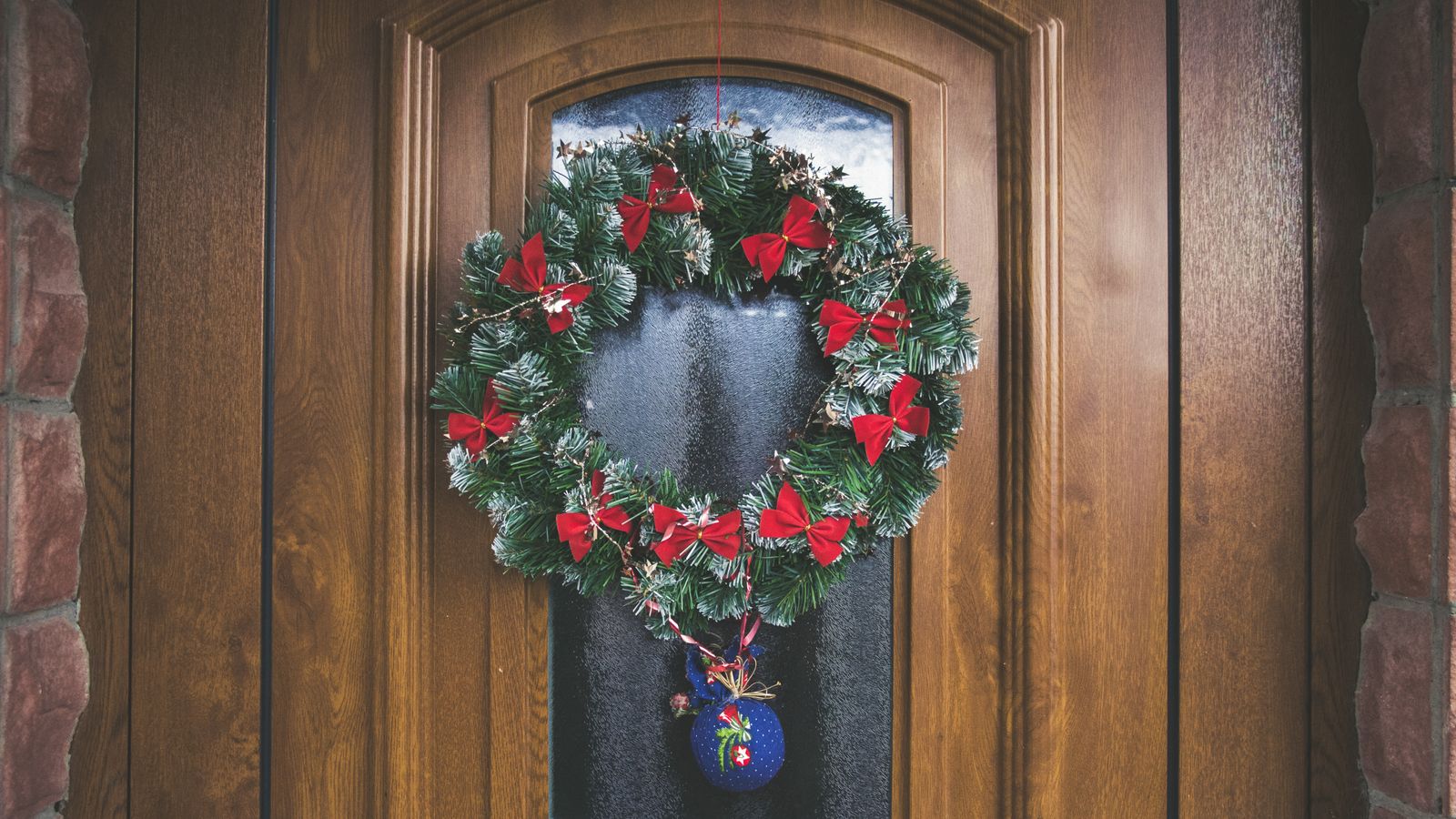
A wreath is a circular (or sometimes oval or asymmetrical) decorative arrangement, traditionally made from foliage, flowers, twigs, or fabric, designed to hang flat against a door or wall. While wreaths are strongly associated with holiday doors, modern home decor has expanded their role considerably. Today you’ll find wreaths made from dried florals, eucalyptus, faux greenery, macrame, grapevine, and even metal or woven rattan, meant to hang year-round in entryways, above mantels, in bedrooms, and on gallery walls.
The defining trait of a wreath is that it’s a single focal object. It doesn’t require grouping, layering, or careful arrangement – you hang it, and it does its job. That simplicity is both its biggest strength and its biggest limitation.
Where Wreaths Excel
- Instant seasonal refresh: Swapping a wreath is the fastest way to change the mood of an entryway or living space for a holiday or season.
- Small or awkward wall spaces: A narrow strip of wall, a door, or a tight hallway often can’t support a shelf, but a wreath fits almost anywhere.
- Low commitment: A wreath is a single purchase and a single nail or hook – no styling decisions required.
- Symbolic or thematic statements: Wreaths carry emotional and seasonal weight that a shelf simply doesn’t.
What Is a Floating Picture Ledge?
A floating picture ledge is a slim, wall-mounted shelf – typically 1 to 6 inches deep and anywhere from 12 inches to several feet long – designed with a lipped front edge so that framed photos, art prints, and small objects can lean against the wall instead of hanging flat. Unlike a traditional bookshelf, a picture ledge is meant to display, not store: it’s built for curated groupings of frames, small plants, candles, and decorative objects that you can rearrange at will.
Where a wreath is fixed and singular, a picture ledge is a living display system. You can change what sits on it weekly, seasonally, or whenever inspiration strikes, without touching the wall itself.
Where Floating Picture Ledges Excel
- Gallery-style walls: Ledges let you layer multiple frames, overlapping them for a curated, editorial look that a single wreath can’t replicate.
- Flexibility without new holes: Once the ledge is mounted, you can swap photos, art, and decor endlessly without drilling again.
- Mixed media display: Frames, small sculptures, candles, and plants can all coexist on one ledge, creating texture and depth.
- Long, blank walls: Stairwells, hallways, and above-sofa walls are ideal candidates where a ledge (or a row of them) can anchor a large expanse.

Wreath vs Floating Picture Ledge: Head-to-Head Comparison
Style and Visual Impact
A wreath makes a bold, singular statement – it draws the eye to one spot and holds it there. A picture ledge, by contrast, creates a layered, gallery-like visual rhythm that rewards a closer look. If your room leans traditional, cottage, farmhouse, or seasonal-forward, a wreath usually fits the aesthetic more naturally. If your space leans modern, eclectic, or personal (think family photos, travel mementos, art prints), a ledge tends to feel more intentional.
Flexibility Over Time
This is where the two diverge most. A wreath is essentially “set and forget” until you decide to swap it entirely – usually for a new season or holiday. A picture ledge is designed for ongoing change: you can rearrange frames on a whim, add a new photo after a trip, or swap out art without any new hardware. If you like decorating as an evolving hobby, the ledge wins easily.
Installation and Wall Impact
Wreaths are the simpler install: one hook, one nail, sometimes even an adhesive strip or over-the-door hanger with zero wall damage at all. Picture ledges require more commitment – they need to be leveled, anchored (ideally into studs for anything holding real weight), and are a semi-permanent fixture once installed. If you’re renting or hesitant to commit to wall hardware, a wreath is the lower-risk choice.
Cost Considerations
Entry-level wreaths can be found cheaply, while premium faux-floral or designer wreaths cost more – but even at the high end, a wreath is usually a single, contained purchase. A picture ledge setup involves the shelf itself plus the frames, art, and small objects you’ll place on it, so the total cost adds up gradually as you build the display. If you’re working with a tight budget and want maximum impact per dollar, a wreath alone often delivers more instant visual payoff. If you’re building a collection over time, a ledge spreads the cost out naturally.
Space Requirements
Wreaths need almost no depth – they sit nearly flat against the wall or door, making them ideal for tight hallways, apartment entries, or doors that swing close to furniture. Picture ledges project outward from the wall (even slim ones), so they need a few inches of clearance and work best where foot traffic won’t bump into them, like above a console table, sofa, or bed headboard.
Maintenance
Faux wreaths need occasional dusting; fresh or dried natural wreaths may need replacing as they fade or shed. Picture ledges need periodic dusting and glass-cleaning on frames, plus the mild ongoing task of keeping the arrangement from feeling cluttered or unbalanced as you add pieces over time.
Which One Should You Choose?
There’s no universal right answer – it depends on what you want your wall to do for you. Use these quick scenarios to guide your decision.
Choose a Wreath If…
- You want a quick, low-effort decorating win with minimal styling decisions.
- You love refreshing your decor by season or holiday.
- Your wall or door space is narrow, awkward, or has limited depth clearance.
- You’re renting and want a damage-free, easily removable decor option.
- You want one strong focal point rather than an evolving display.
Choose a Floating Picture Ledge If…
- You have photos, art, or mementos you want to display and rotate over time.
- You’re building a gallery wall or want a curated, layered look.
- You have a long or large wall that needs more than one small accent to feel complete.
- You enjoy restyling your space regularly without new holes in the wall.
- You want a display that can mix frames, plants, and small decor objects together.
Why Not Both?
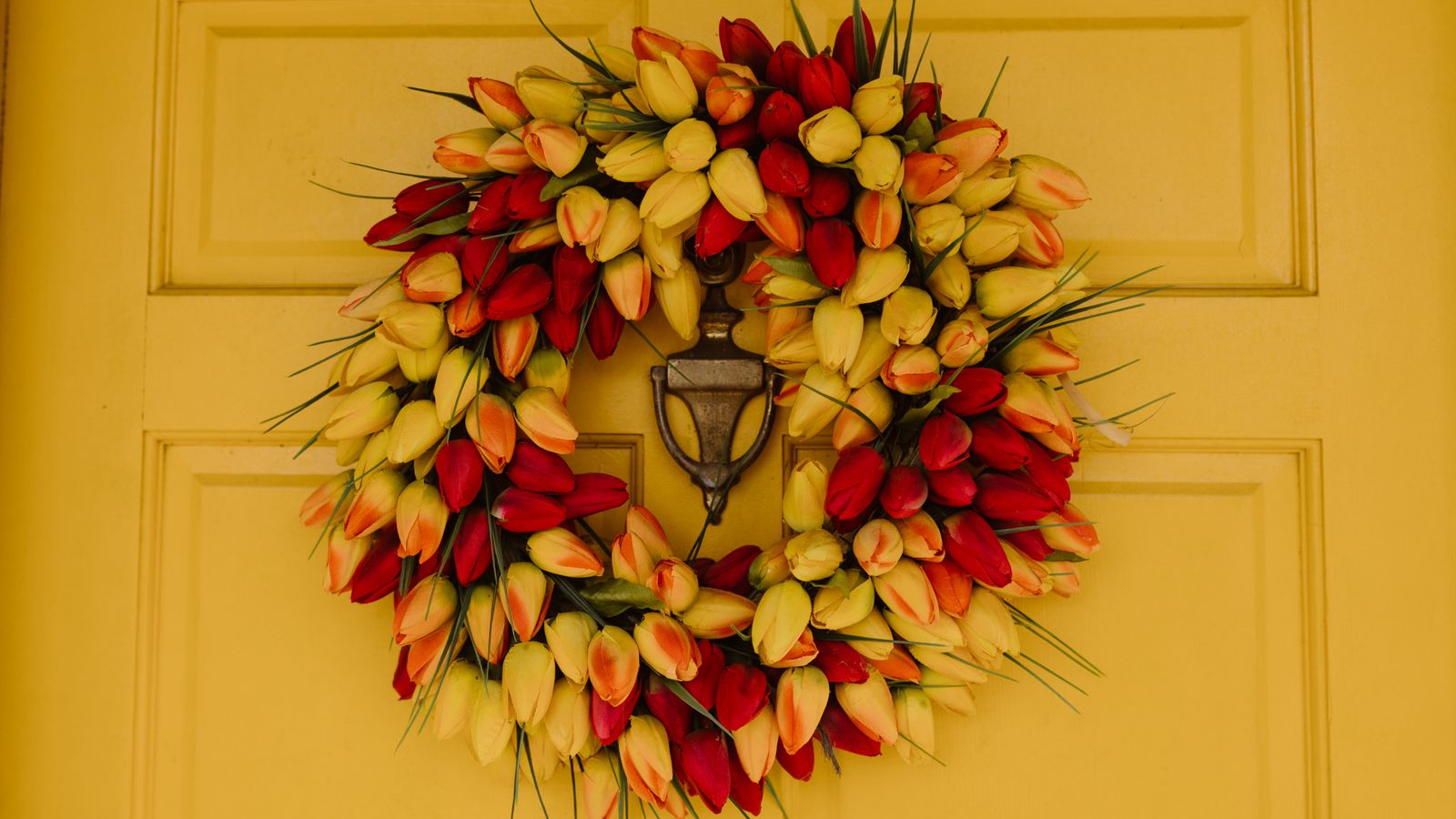
Many well-styled homes use both, just in different roles. A wreath might anchor the front door or a mantel as a seasonal statement piece, while a floating picture ledge builds a personal, ever-changing gallery in a hallway, stairwell, or living room. They aren’t really competing for the same wall in most layouts – they’re solving different decorating problems, so pairing them across a home often works better than picking just one.
Budget-Friendly Tips for Either Option
- Start small: One wreath or one short ledge is enough to test whether the style works in your space before committing to more.
- Mix materials thoughtfully: A faux-floral wreath pairs well with warm-toned frames; a minimalist ledge pairs well with matte black or natural wood frames for cohesion.
- Reuse what you own: Existing frames, small plants, or candles can fill a ledge before you buy anything new.
- Rotate seasonally: A single wreath base can be re-decorated with small seasonal accents (ribbons, sprigs, ornaments) instead of buying an entirely new wreath each time.
Common Mistakes to Avoid
- Hanging a wreath too high or too low: Center it at eye level or slightly above for the most natural focal point.
- Overcrowding a picture ledge: Leave breathing room between frames; a cluttered ledge reads as messy rather than curated.
- Ignoring wall anchoring: A ledge loaded with frames needs proper anchors, ideally into a stud, especially for anything wider than a couple of feet.
- Choosing style over scale: A tiny wreath on a large door, or a short ledge on a long wall, will look underwhelming no matter how nice the piece is.
Where to Start Shopping
If you’ve decided a wreath fits your space best, browsing a curated roundup of wreaths is the fastest way to compare styles, materials, and price points side by side. If a display shelf feels like the better long-term investment, a guide to the best floating picture ledges can help you find the right depth, length, and finish for your wall. And if you’re building out a broader cozy-room refresh, don’t overlook ambient touches like star projectors, which pair nicely with a gallery-style ledge display in a bedroom or reading nook for a soft, layered evening glow.
Frequently Asked Questions
Can I hang a wreath on a floating picture ledge?
Not directly – ledges are designed for items that lean flat against the wall, not for hanging round objects. However, you can lean a small decorative wreath against the wall on a wide ledge alongside frames for a layered look, as long as the ledge has enough depth to support it stably.
Do floating picture ledges damage walls more than wreaths?
Yes, generally. A wreath typically needs just a small hook or nail, while a picture ledge requires drilling for anchors or studs to safely hold the shelf and its contents. If you’re renting, ask about damage-free mounting options or stick with a wreath in that space.
How many picture ledges do I need for a gallery wall?
It depends on the wall size, but two to three ledges of varying lengths, staggered at different heights, typically create enough visual interest for a standard gallery wall without feeling sparse or overcrowded.
Are wreaths only for doors?
No – modern wreaths are increasingly used indoors above mantels, on accent walls, in bedrooms, and even leaning on shelves or ledges as a soft, textural decor piece, not just as a door decoration.
Which option is better for a rental apartment?
A wreath is usually the safer choice for rentals since it requires minimal wall hardware. If you want a picture ledge in a rental, look for lightweight adhesive-mount versions rated for light frames, and always check your lease’s wall-hanging policy first.
Final Thoughts
A wreath and a floating picture ledge aren’t really rivals – they’re tools for two different decorating goals. A wreath delivers a fast, symbolic, low-commitment focal point that’s easy to swap with the seasons. A floating picture ledge delivers an evolving, personal display that grows richer over time. Think about how much you want your wall to change, how much wall depth and space you’re working with, and how much styling effort you enjoy putting in – then let that answer guide your pick, or use both across different rooms in your home.