Standing in front of a bare window with two very different products in mind-a decorative valance or a functional blackout roller shade-can feel like comparing apples to oranges. That’s because, in most cases, they aren’t really competing for the same job. Understanding what each one actually does, and where they overlap, is the fastest way to stop second-guessing your window treatment plan and start shopping with confidence.
This guide breaks down exactly how a valance differs from a blackout roller shade, when you actually need one, the other, or both, and how to make a smart budget-friendly decision for every room in your home.
What Is a Valance, Exactly?
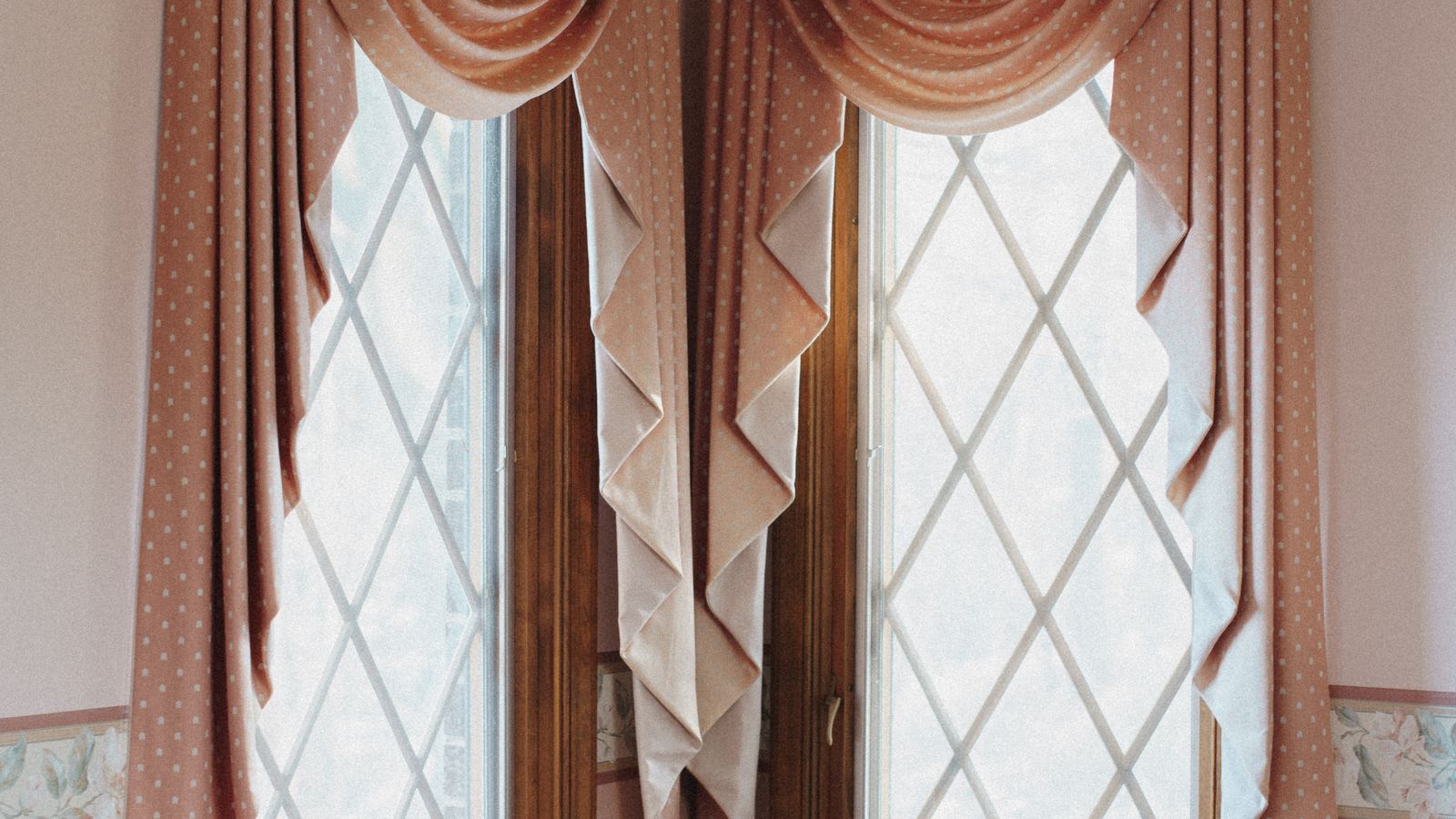
A valance is a short decorative fabric topper mounted above a window, typically covering the top 12 to 18 inches of the frame. Its job is almost entirely cosmetic: it hides curtain rods, brackets, and hardware, adds a finished, tailored look to a window, and softens hard architectural lines. Valances come in a huge range of styles-box-pleated, scalloped, balloon, swag, and tailored rod-pocket designs-so there’s typically an option to match nearly any interior style, from farmhouse to modern minimalist.
What a valance does not do is block light, insulate the room, or provide privacy on its own. Because it only covers a small portion of the window, light pours in freely underneath and around it. If you’ve ever seen a kitchen window dressed with only a valance and nothing else, you already know: it looks charming, but it offers zero functional light control.
What Is a Blackout Roller Shade, Exactly?
A blackout roller shade is a functional window covering made from a tightly woven or vinyl-backed fabric that rolls up and down on a spring or cordless mechanism. Unlike a valance, its entire purpose is performance: blocking outside light almost completely, adding a layer of privacy, and in many cases helping insulate the room against heat and cold. Blackout shades are the go-to solution for bedrooms, nurseries, home theaters, and any space where sunlight interferes with sleep, screen glare, or comfort.
Style-wise, blackout roller shades are intentionally understated. They mount inside or outside the window frame and roll flat against the glass, giving a clean, low-profile look rather than a decorative statement. Many modern versions also come in cordless or motorized options for added convenience and child safety.
Valance vs Blackout Roller Shade: Side-by-Side Comparison
Light Control
This is the single biggest differentiator. A valance provides essentially no light control-it’s purely decorative. A blackout roller shade, on the other hand, is engineered specifically to block sunlight, often reducing incoming light by 95 to 100 percent depending on the fabric and installation fit.
Privacy
Valances offer no meaningful privacy since they only cover the top portion of the window. Blackout roller shades cover the entire window pane, making them the clear winner if privacy is a priority, especially for ground-floor rooms or windows facing the street.
Style and Decorative Value
Here the tables turn. Valances are chosen specifically for their decorative impact-they add texture, color, pattern, and a polished, finished look that a plain roller shade simply can’t replicate on its own. If you love the look of layered window treatments, a valance is often the finishing touch.
Energy Efficiency and Insulation
Blackout roller shades, especially those with a foam or vinyl backing, can meaningfully improve a room’s temperature regulation by blocking radiant heat in summer and reducing drafts in winter. Valances offer negligible insulation value since they don’t cover the full window.
Cost and Installation
Valances are generally less expensive and easier to install-many use a simple rod-pocket design that slides onto a curtain rod in minutes. Blackout roller shades vary more in price depending on size, mounting hardware, and whether you choose a manual or motorized version, and installation typically involves mounting brackets directly to the window frame or wall.
When You Should Choose a Valance
- Kitchens and dining rooms where full light control isn’t essential and a decorative accent is more valuable.
- Layered window treatment setups where the valance sits above functional blinds or curtains, adding polish without duplicating their job.
- Rooms that already have good privacy (upper-floor windows, windows facing a private yard) where blocking sightlines isn’t a concern.
- Budget-conscious refreshes where you want to update a room’s look quickly and affordably without a full window treatment overhaul.
When You Should Choose a Blackout Roller Shade
- Bedrooms, especially for shift workers, light-sensitive sleepers, or anyone who wants a fully dark room regardless of the hour.
- Nurseries and kids’ rooms, where nap schedules depend heavily on consistent darkness.
- Home theaters or media rooms where screen glare and ambient light ruin picture quality.
- South- or west-facing rooms that get intense afternoon sun and need real heat and glare control.
- Street-facing rooms on the ground floor where privacy is a daily concern.
Can You Use Both Together?
Absolutely-and in many rooms, this combination is the best of both worlds. Mounting a blackout roller shade directly against the window for full functional coverage, then layering a valance above it, gives you complete light and privacy control along with a finished, decorated look. This approach is especially popular in bedrooms and living rooms where homeowners want both performance and style without sacrificing either one.
If you go this route, coordinate the valance’s color or pattern with your existing decor, then let the blackout shade do the heavy lifting on function. Since the shade rolls up completely out of sight when not in use, the valance remains the visual focal point during the day.
Other Factors to Weigh Before You Buy
Room Function First
Before comparing products, ask what the room actually needs. A guest bathroom or formal dining room rarely needs blackout-level darkness, while a primary bedroom almost always benefits from it. Let the room’s real-world use guide the decision rather than picking based on appearance alone.
Window Size and Mounting Space
Blackout roller shades need enough flat frame or wall space for bracket mounting, and they work best on standard rectangular windows. Oddly shaped or very wide windows may require custom sizing, which increases cost. Valances are more forgiving since they typically mount on a simple tension or bracket rod above the frame.
Maintenance and Longevity
Valances, being fabric-only and lightweight, are easy to take down and machine- or hand-wash as needed. Blackout roller shades require occasional dusting or spot cleaning and, because they have moving mechanical parts (springs, cords, or motors), may eventually need hardware replacement. Cordless and motorized versions reduce wear on pull cords over time.
Light Gaps and Fit
A common complaint with blackout roller shades is light leaking around the edges if they’re mounted inside the window frame rather than outside it. For true blackout performance, look for shades with side channels or opt for an outside-mount installation that overlaps the frame by a couple of inches on each side.
Layering for Extra Efficiency
If energy savings are a priority alongside darkness, some homeowners also add a thermal window film underneath a blackout shade for an added layer of insulation, particularly useful in older homes with single-pane glass or drafty frames.
Budget Planning
Valances are typically the more affordable entry point, especially in standard sizes and common fabric blends, making them an easy way to refresh several windows at once without a big investment. Blackout roller shades cost more per window due to the mounting hardware and specialized fabric, but the functional payoff-actual darkness and privacy-usually justifies the higher price for rooms where it matters most. A practical approach: prioritize blackout shades in a small number of high-need rooms first, then use valances more liberally throughout the rest of the home where decorative impact matters more than performance.
Quick Decision Checklist
- Does this room need real darkness or privacy? If yes, a blackout roller shade is non-negotiable.
- Is the room’s main need decorative polish over an existing treatment? A valance is likely enough.
- Do you want both function and style in one window? Layer a blackout shade with a valance on top.
- Is budget tight and you’re refreshing multiple windows? Start with valances, then add shades to priority rooms over time.
- Is the window oddly shaped or oversized? Check custom sizing options for roller shades before committing.
Frequently Asked Questions
Can a valance replace blinds or shades completely?
No. A valance is a decorative topper only-it does not provide privacy, light blocking, or insulation on its own. It’s meant to be paired with or layered over a functional window covering, not used as a standalone solution in rooms that need real light control.
Do blackout roller shades really block 100 percent of light?
Most quality blackout shades block 95 to 99 percent of light when properly fitted, especially with outside-mount installation or side light-blocking channels. A small amount of light may still creep in around the very edges unless the shade is specifically designed to eliminate gaps.
Which option is better for a nursery?
A blackout roller shade is almost always the better choice for a nursery, since consistent darkness supports better, longer naps regardless of the time of day. A valance can be added on top purely for a softer, more decorative finish if desired.
Are blackout roller shades harder to install than valances?
Slightly, yes. Valances typically just slide onto a rod, while blackout roller shades require mounting brackets to be secured to the window frame or wall, plus attaching the roller mechanism. Most homeowners can still complete the installation in under 30 minutes with a drill and basic tools.
Can I mix and match valance styles with different roller shades?
Yes, since they mount independently, you can freely pair any valance style with any blackout roller shade color or fabric, as long as the overall look feels cohesive with the room’s decor.
Final Thoughts
The valance vs blackout roller shade decision really comes down to one question: are you solving a style problem or a function problem? Valances win on decoration, affordability, and easy installation, while blackout roller shades win decisively on light control, privacy, and energy efficiency. For most rooms that genuinely need darkness-bedrooms, nurseries, media rooms-a blackout shade should be the priority purchase, with a valance added afterward purely for polish. For everywhere else, a valance alone may be all the window truly needs. When in doubt, browsing real options side by side, from valances to blackout roller shades, is the easiest way to see which style and fit actually works for your specific window before you commit to a purchase.