Redesigning a laundry room layout doesn’t have to mean a full renovation budget. With a bit of planning, you can turn a cramped or cluttered laundry space into a functional, organized zone using just a handful of smart, affordable purchases. This guide walks you through how to shop strategically for three budget-friendly essentials – garment bags for storage, a laundry drying cabinet, and cedar blocks for closets – so every dollar you spend actually improves your workflow instead of just adding more stuff to the room.
Step 1: Map Your Laundry Room Before You Shop
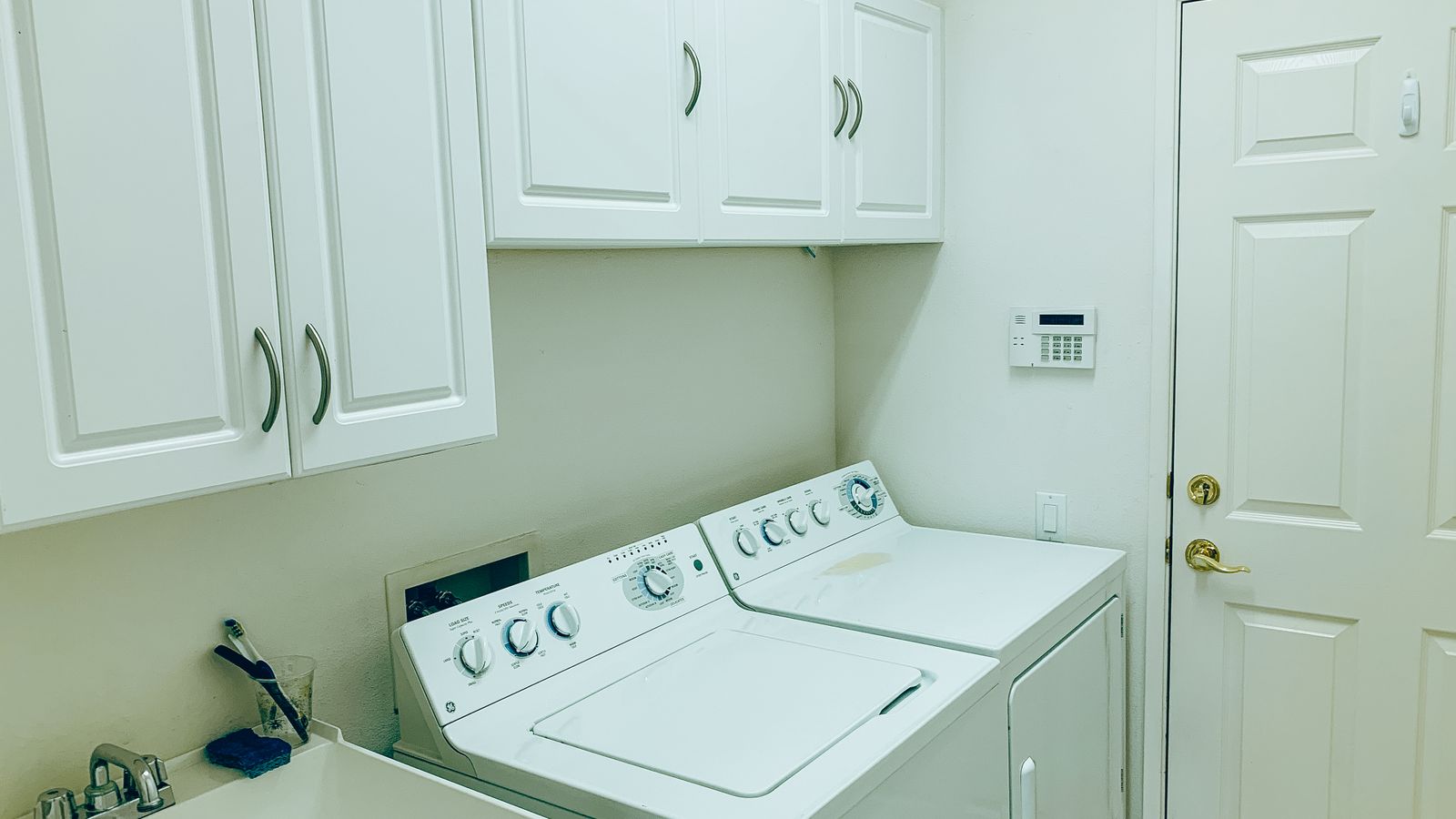
Before you buy anything, measure your space. Grab a tape measure and note the width, depth, and height of every wall, closet, and nook you plan to use for storage or drying. Write these numbers down on your phone so you have them handy while browsing. A laundry drying cabinet that looks compact online can turn out to be too deep for a narrow hallway closet, and garment bags meant for a walk-in closet may be far larger than what a stacked-unit laundry nook can hold.
Also take stock of what’s currently causing friction. Is wet laundry piling up because you have nowhere to hang it? Are off-season clothes crowding your closet and making it hard to find everyday items? Answering these questions first prevents impulse purchases and keeps your budget focused on the upgrades that will actually solve your problems.
Set a Realistic Budget Range
A budget laundry room refresh usually breaks down into three cost tiers: small storage accessories (garment bags, cedar blocks) tend to be the cheapest line items, while a laundry drying cabinet or rack is typically the bigger-ticket purchase. Decide roughly how much you’re willing to spend on each category before you start browsing so you’re not tempted to overspend on one item and skimp on another.
Step 2: Shop for Garment Bags for Storage
Garment bags are one of the most cost-effective ways to protect clothing in a laundry or closet space, especially if you’re storing seasonal items, freshly laundered dress clothes, or delicate fabrics near a laundry area where dust and lint are common. When shopping, look for these features:
- Breathable fabric: Cotton or non-woven polypropylene bags let air circulate, which helps prevent mildew and musty odors – important in a laundry room where humidity is often higher than the rest of the house.
- Clear panels: A see-through window on the front lets you identify contents at a glance without unzipping every bag.
- Sturdy zippers and reinforced seams: Cheap zippers are the first thing to fail, so check reviews for zipper durability before buying in bulk.
- Gusseted sides: Extra width at the base accommodates bulkier items like coats or comforters without straining the seams.
For a laundry room specifically, choose garment bags sized to hang on a rod inside a nearby closet or on a wall-mounted rack near your drying area, so freshly dried clothes can go straight from the dryer or drying cabinet into protective storage. If you’re outfitting several bags at once, comparing a curated list of garment bags for storage side by side can help you spot the best value for breathability, size, and price before committing.
Step 3: Shop for a Laundry Drying Cabinet
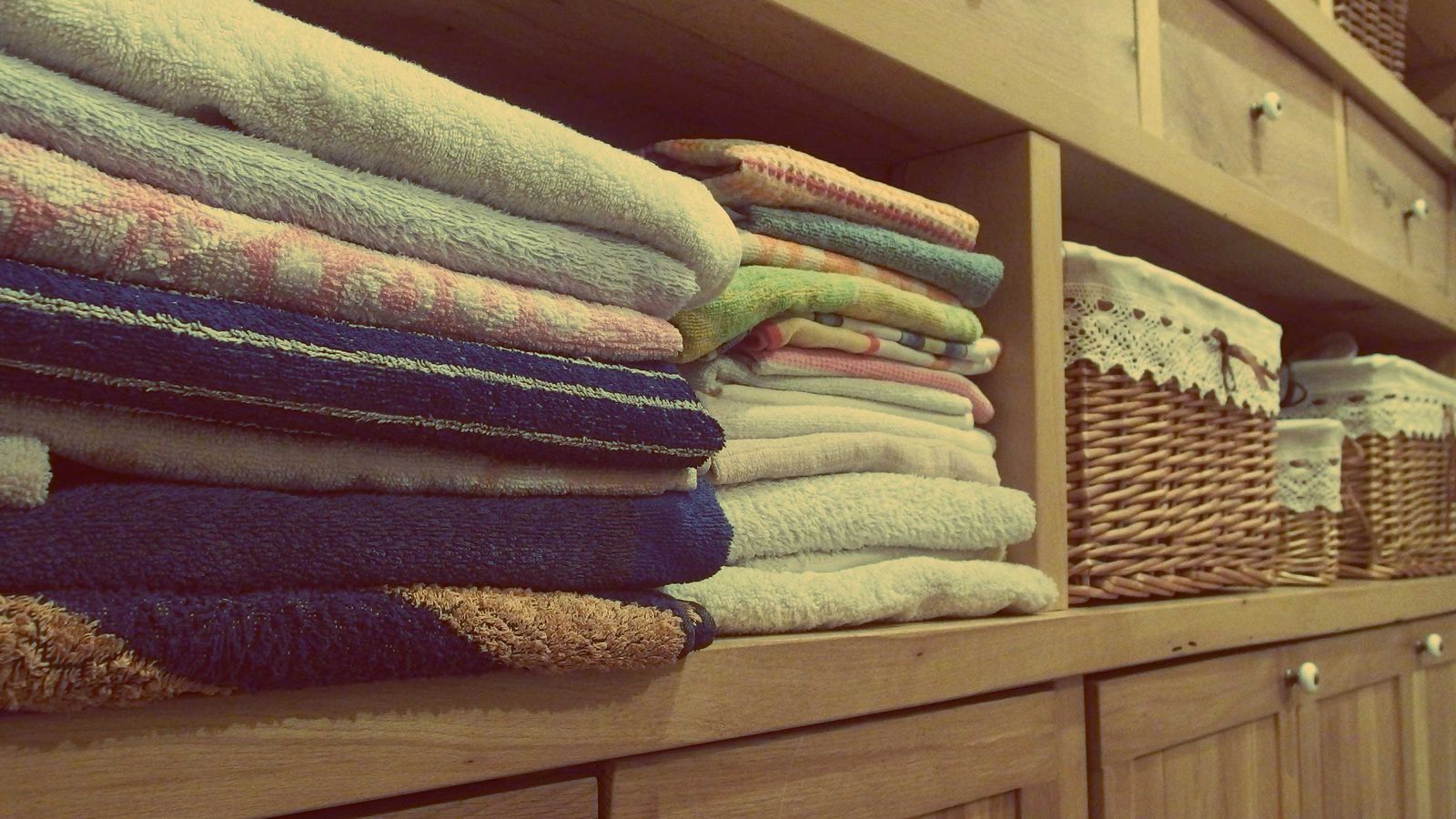
If your laundry room lacks space for a traditional drying rack, or you want to keep drying clothes out of sight, a laundry drying cabinet is one of the highest-impact budget upgrades you can make. These enclosed units use gentle airflow or low heat to dry delicate items without a dryer, and many fold flat or stand upright to save floor space.
What to Compare When Shopping
- Footprint: Measure the floor space or wall space you have available, including clearance for the door to open fully.
- Capacity: Look at how many hanging rods or shelves are included, and whether that matches your typical laundry load.
- Power source: Some drying cabinets use a small internal heater and fan, which draws electricity, while others are purely passive (just enclosed hanging space with ventilation). Passive models are cheaper and safer for tight budgets.
- Ventilation design: Mesh panels or vented doors reduce trapped moisture, which is critical for preventing mold in an enclosed space.
- Assembly: Flat-pack cabinets are usually more affordable but require tools and time to assemble – factor that into your decision if you’re short on time.
Because laundry drying cabinets vary widely in price depending on materials and features, it pays to compare several before buying. A roundup of laundry drying cabinets can help you weigh capacity against footprint so you don’t overspend on a unit that’s larger than your space actually needs.
Step 4: Shop for Cedar Blocks for Closets
Cedar blocks are a small purchase that makes a noticeable difference in any closet near your laundry room. Cedar naturally repels moths and other fabric pests while absorbing excess moisture and neutralizing musty odors – a common issue in laundry-adjacent closets where humidity lingers after wash day. Unlike mothballs, cedar doesn’t leave a chemical smell on stored clothing.
When shopping for cedar blocks, keep these tips in mind:
- Untreated, aromatic cedar: Look for unfinished or lightly sanded cedar wood, since a sealed or lacquered surface blocks the natural oils from releasing their scent.
- Shape and hanging options: Blocks, rings, and hanging discs each work differently – blocks sit on shelves or in drawers, while rings and discs hang directly on a closet rod among your clothes.
- Refreshing kits: Some cedar products come with fine-grit sandpaper included, which lets you sand the surface lightly every few months to revive the scent and extend the product’s lifespan instead of buying replacements constantly.
- Bundle size: Buying a multi-pack is almost always more economical than single blocks if you’re outfitting more than one closet or storage bin.
Because cedar’s effectiveness depends heavily on the quality and freshness of the wood, it’s worth checking a comparison of the best cedar blocks for closets to find options with strong scent retention and good reviews for pest deterrence.
Step 5: Arrange Your Purchases for an Efficient Layout
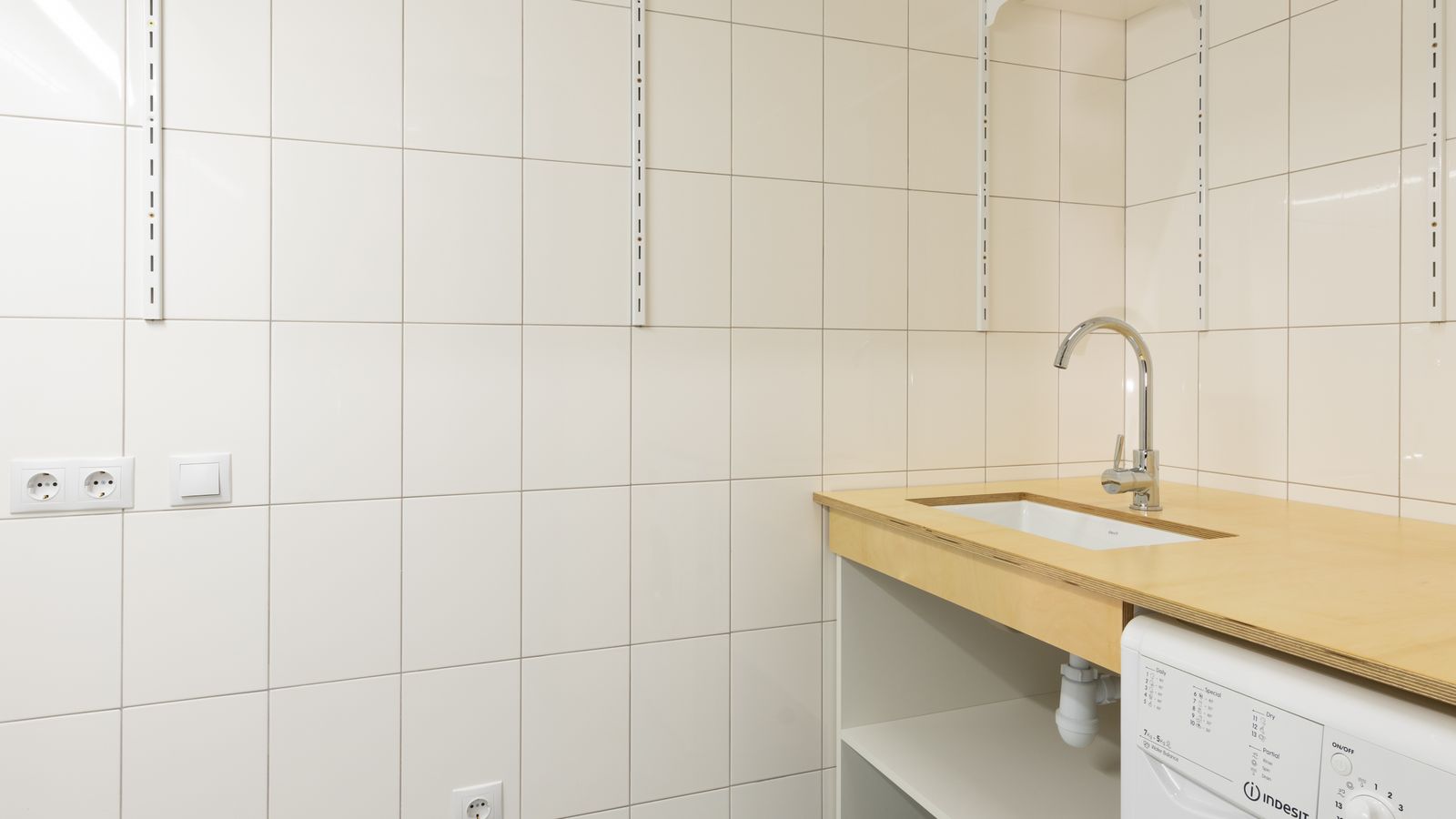
Once your items arrive, think through the actual workflow of doing laundry in the room. A logical layout typically flows: wash, dry, hang or fold, then store. Position your laundry drying cabinet close to the washer so wet clothes don’t have to travel far. Hang garment bags on a rod within reach of the drying cabinet so items can go straight from drying into protective storage. Place cedar blocks in the closet or storage bins nearest the finished, folded laundry, since that’s where clothes will sit longest before being worn again.
Common Mistakes to Avoid
- Buying oversized storage first: A large drying cabinet or bulk pack of garment bags can eat up more space than your room can spare. Always measure first, buy second.
- Skipping ventilation checks: Enclosed garment bags and drying cabinets both need airflow. Sealing damp items inside a bag or unvented cabinet invites mildew.
- Forgetting to refresh cedar: Cedar blocks lose potency over time. Skipping the light sanding step means you’ll need to replace them sooner and more often.
- Ignoring load-bearing limits: Cheap wall hooks or flimsy rods can sag or break under the weight of loaded garment bags – check the weight rating before hanging anything heavy.
Safety Notes
If you choose a laundry drying cabinet with an electric heating element, make sure it’s plugged directly into a grounded outlet rather than an extension cord, and never leave it running unattended overnight. Keep cedar blocks away from open flames or heat sources, since the wood is flammable. Store garment bags away from direct sunlight if they contain plastic components, as prolonged UV exposure can cause the material to become brittle.
Frequently Asked Questions
Can I mix garment bags and a drying cabinet in a small laundry closet?
Yes. Many households use a slim, over-the-door or fold-flat drying cabinet paired with a few garment bags hung on an adjacent rod. The key is measuring your available depth carefully, since both items compete for the same floor or wall space.
How often should I replace cedar blocks?
Lightly sand the surface every 1-2 months to refresh the scent, and plan to fully replace cedar blocks roughly once a year, or sooner if you notice the scent has faded even after sanding.
Do I need an electric laundry drying cabinet, or is a passive one enough?
A passive, ventilated cabinet works well for most households and is more budget-friendly since it has no moving parts or power draw. An electric model can speed up drying time, which is helpful in humid climates or for households doing frequent small loads.
What’s the cheapest way to start upgrading a laundry room layout?
Start with cedar blocks and a few garment bags, since these are the lowest-cost items on this list. Once you’ve confirmed your space and workflow, invest in a laundry drying cabinet as the larger, higher-impact purchase.
Final Thoughts
A budget-friendly laundry room layout comes down to shopping with intention: measure your space, prioritize ventilation and durability, and choose products sized to your actual routine rather than the biggest option available. Garment bags protect what’s already clean, a laundry drying cabinet solves the drying bottleneck without eating up floor space, and cedar blocks keep nearby closets fresh and pest-free. Together, these three affordable upgrades can transform a cluttered laundry corner into a space that works with you instead of against you.