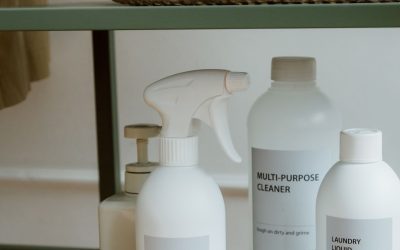
If your laundry cabinet looks more like a chemistry lab than a storage shelf, you are not alone. Between a bottle for baby onesies, another for sensitive skin, a stain stick, a fabric softener, and a “regular” detergent for everything else, most households end up juggling far more products than they actually need. The good news is that a well-chosen laundry detergent for baby clothes can often double as a gentle, effective option for the whole family’s sensitive-skin needs – letting you consolidate your shelf without compromising on care.
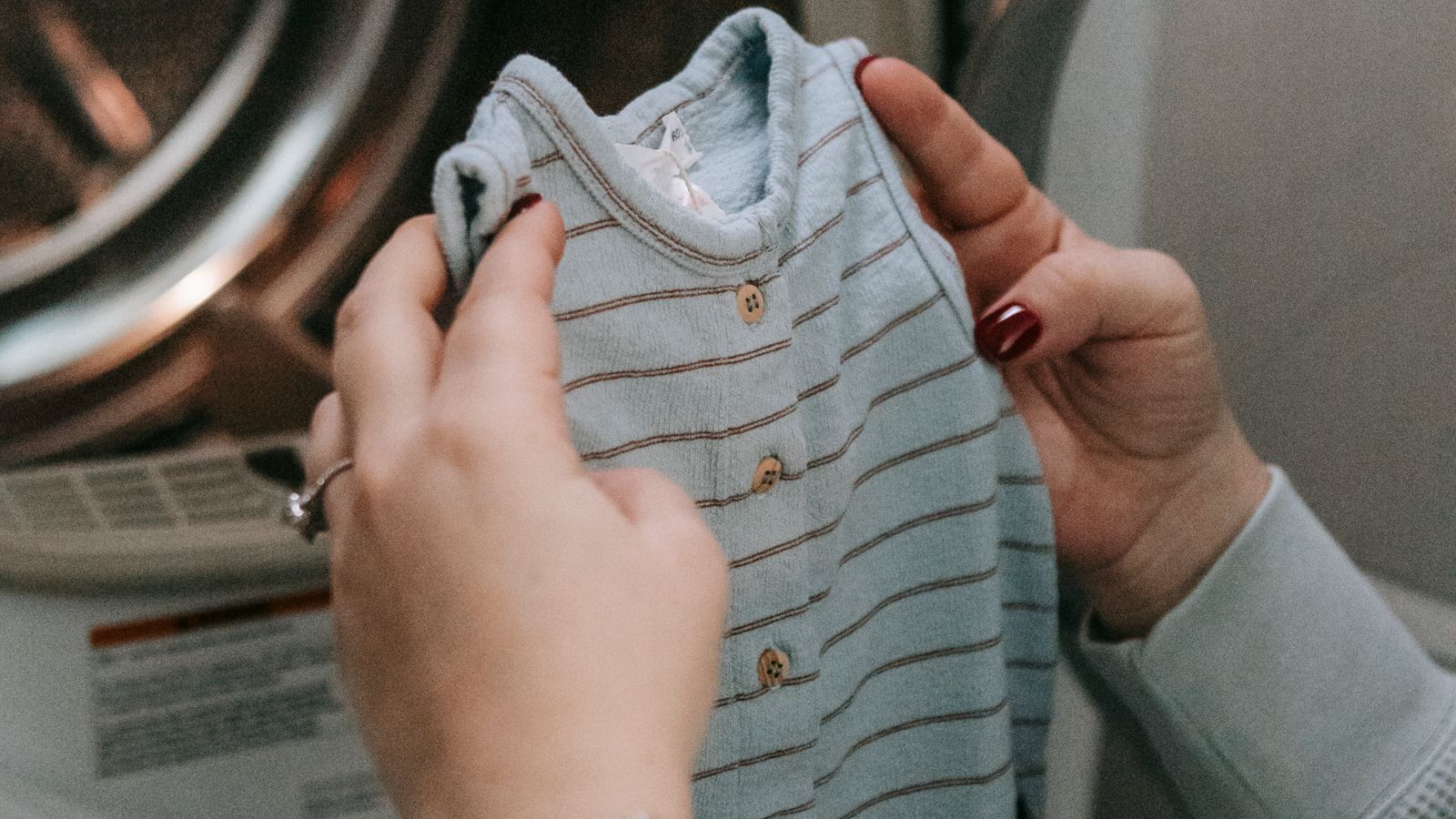
This guide walks you through exactly how to evaluate your current detergent lineup, decide which products can be merged, and build a simplified routine that still protects delicate skin and delicate fabrics. Whether you’re a new parent overwhelmed by nursery-adjacent laundry advice, or someone managing eczema-prone skin across the whole household, these steps will help you cut clutter without cutting corners.
Why Baby and Sensitive-Skin Detergents Overlap So Much
Laundry detergents formulated for baby clothes and those marketed for sensitive skin are built around nearly identical principles: fewer synthetic fragrances, minimal dyes, reduced surfactant harshness, and formulas that rinse cleanly out of fabric fibers. Manufacturers often use the “baby” label for marketing appeal, but the underlying chemistry – free of common irritants like optical brighteners, chlorine bleach, and heavy perfumes – is very similar to what dermatologists recommend for eczema, psoriasis, or general skin sensitivity.
Because of this overlap, many households are effectively buying two bottles of very similar detergent under two different labels. Recognizing this redundancy is the first step toward simplifying your shelf.
Step 1: Audit What’s Currently On Your Shelf
Before you consolidate anything, take stock of what you actually own and use regularly. Pull every detergent, stain treatment, and softener off the shelf and group them by purpose.
- List every product you’ve bought in the past three months, including travel-size or sample bottles.
- Check the ingredient labels for fragrance, dyes, and common irritants (sodium lauryl sulfate, optical brighteners, chlorine-based whiteners).
- Note who uses what – is the “baby” bottle only for the crib sheets, or does anyone with sensitive skin also avoid the family’s regular detergent?
- Flag duplicates – products doing essentially the same job with only cosmetic differences (scent, packaging, brand).
Most families discover they’re running two or three near-identical gentle formulas at once. That’s your consolidation opportunity.
Step 2: Understand the Key Differences That Still Matter
Not every gentle detergent is interchangeable, so it helps to know where genuine differences exist before you merge products.
Fragrance-Free vs. “Baby Fresh” Scented
Some baby detergents include a light, allergen-tested scent marketed as “fresh linen” or “baby powder.” If anyone in the household reacts to fragrance – even hypoallergenic fragrance – a completely fragrance-free formula is the safer consolidation choice.
Enzyme Content
Enzymatic detergents break down protein-based stains (formula spit-up, food, grass) more effectively but can occasionally irritate very reactive skin. Many sensitive-skin lines skip enzymes entirely, while some baby lines include a small amount for stain-fighting power. If stains are a priority, compare enzyme content directly rather than assuming “gentle” means “no enzymes.”
Concentration and Dosing
Baby detergents are sometimes formulated at lower concentrations, requiring a slightly larger dose per load. When switching a sensitive-skin household over to a baby formula (or vice versa), adjust your dosing cup measurement rather than assuming a 1:1 swap.
Step 3: Choose One Detergent That Covers Both Needs
Once you’ve compared ingredient lists, the goal is to land on a single hypoallergenic, dye-free, fragrance-free (or lightly and safely scented) detergent that can handle both nursery laundry and everyday sensitive-skin loads. Look for formulas that are:
- Free of dyes, chlorine bleach, and optical brighteners
- Dermatologist-tested or pediatrician-recommended
- Effective at both cold and warm wash temperatures, since baby loads are often washed cooler
- Concentrated enough to handle mixed loads (towels, adult clothing, bedding) without needing a separate “heavy duty” bottle
If you want a curated starting point rather than reading through dozens of ingredient panels yourself, our roundup of laundry detergents for baby clothes highlights formulas specifically vetted for infant skin sensitivity, while our guide to laundry detergents for sensitive skin covers options built for eczema-prone and reactive adult skin. Cross-referencing both lists is a fast way to spot a detergent that appears – or closely matches – on each.
Step 4: Handle Special Fabrics Separately (When Needed)
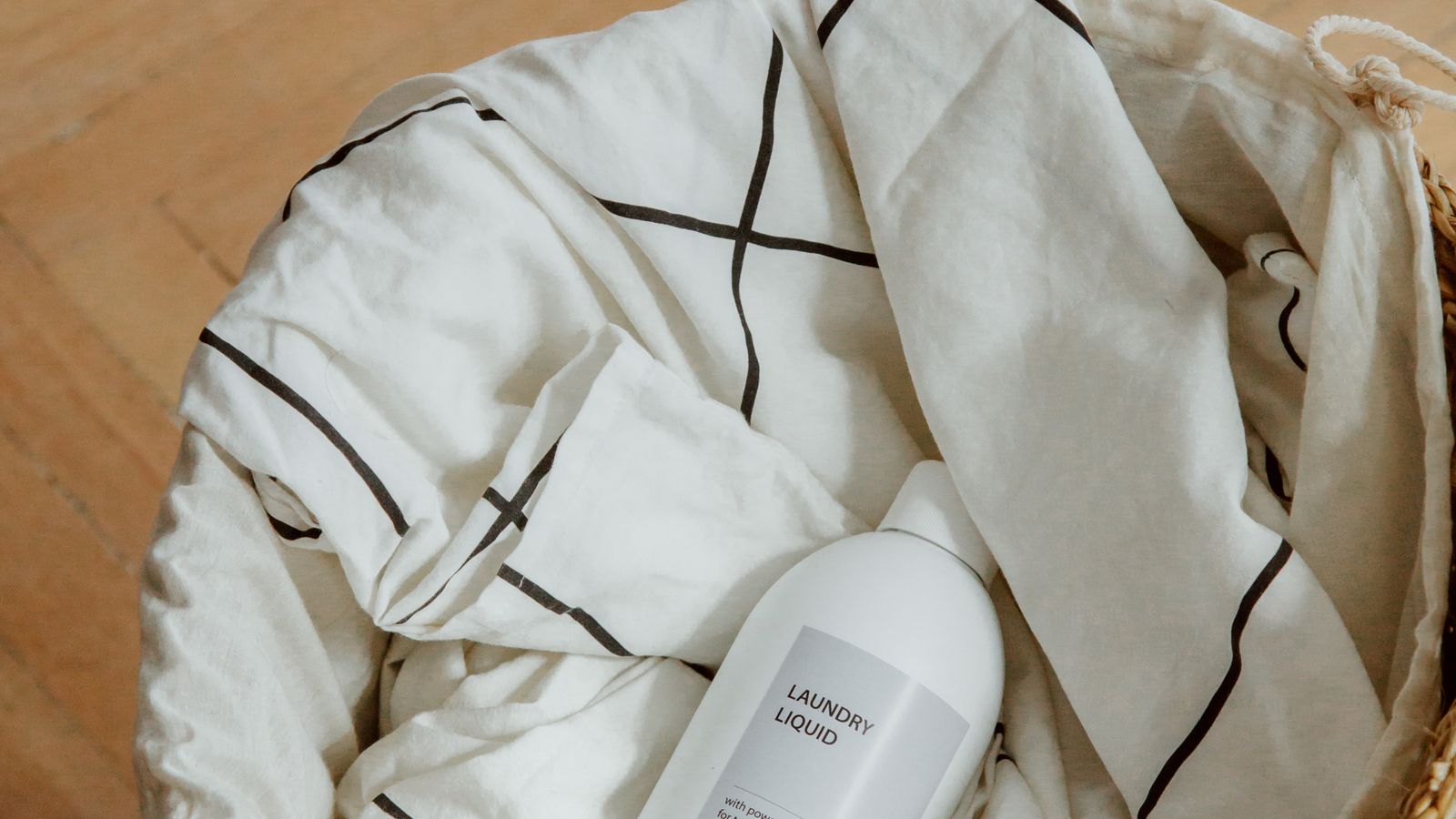
Consolidating your everyday detergent doesn’t mean every fabric type should share one bottle. Delicate materials like silk blouses, lace christening gowns, or wool blankets often need a dedicated gentle wash formula that protects fibers as much as skin. Rather than stretching your baby/sensitive-skin detergent to cover these items, keep one small specialty bottle on hand. If your household regularly hand-washes or machine-washes delicate garments, our guide to the best laundry detergents for silk can help you pick a single dedicated product for that narrow use case – so your shelf stays simplified everywhere else.
Step 5: Test the Transition Gradually
Even a well-researched swap deserves a short trial period before you commit fully.
- Do a patch test. Wash one load of baby clothes and one load of adult sensitive-skin garments with the new consolidated detergent.
- Watch for reactions over 48 hours. Redness, rash, or unusual dryness after wearing the washed items signals the formula isn’t right for that person, even if it worked for others.
- Check rinse performance. Run a load with no fabric softener and feel the fabric once dry – residue or stiffness can indicate the detergent isn’t rinsing cleanly in your machine and water hardness.
- Confirm stain performance on typical messes (formula, food, grass stains) before fully retiring your old stain-specific products.
Only after a successful trial should you stop repurchasing the redundant bottle.
Common Mistakes to Avoid
- Assuming “natural” always means gentle. Plant-based ingredients can still be allergenic; always check for known irritants regardless of marketing language.
- Skipping the dosing adjustment. Baby-formula detergents are sometimes less concentrated – using the same scoop size as your old detergent can leave loads under-cleaned or over-sudsed.
- Consolidating too fast. Switching every household member’s laundry to one new detergent in the same week makes it hard to identify the source if a skin reaction occurs.
- Forgetting the washing machine itself. Residue buildup from old detergents can linger in the drum and dispenser; run an empty hot cycle when you switch formulas.
- Ignoring water temperature guidance. Some gentle formulas perform best in cold water and can leave residue if used in hot cycles meant for older, heavier-duty detergents.
Safety Notes for Baby and Sensitive Skin Laundry
- Always store detergent (liquid, pods, or powder) out of reach of children – concentrated formulas, including “gentle” ones, are not safe if ingested or handled directly.
- Wash new baby clothes and linens before first use, even if labeled pre-washed, to remove manufacturing residues.
- If a family member has diagnosed eczema or a dermatologist-prescribed skin routine, confirm any detergent switch with their provider, especially during flare-ups.
- Avoid mixing fabric softener into loads for infants under three months old unless a pediatrician has approved it, since softener residue can be more irritating on newborn skin.

Building a Simplified Laundry Routine
Once you’ve settled on your core detergent, a streamlined shelf typically looks like this:
- One primary gentle, dye-free, fragrance-conscious detergent for baby clothes, bedding, and sensitive-skin household laundry
- One small specialty bottle for delicates like silk or wool, used only occasionally
- One stain pre-treater, used sparingly rather than as a full detergent replacement
That’s it – three products instead of five or six, with less guesswork about which bottle goes with which load. Over time, this also tends to save money, since you’re buying larger sizes of fewer products rather than several half-used bottles of near-identical formulas.
Frequently Asked Questions
Can I use baby detergent on all my family’s laundry?
In most cases, yes. Baby detergents are formulated to be gentle enough for the most sensitive skin, so they’re generally safe and effective for adult clothing too. The main trade-off is stain-fighting power on heavily soiled adult laundry, where you may want to add a separate stain pre-treater.
Is sensitive-skin detergent strong enough for cloth diapers or heavily soiled baby items?
Many sensitive-skin formulas handle moderate soiling well, but very heavily soiled items may need an extra rinse cycle or a brief pre-soak rather than a stronger detergent, since harsher formulas can irritate skin even if they clean more aggressively.
How do I know if a detergent is truly hypoallergenic and not just marketed that way?
Check the ingredient list directly for fragrance, dyes, and common irritant surfactants rather than relying on front-of-bottle claims. Third-party dermatologist testing or pediatric allergist endorsements are stronger indicators than marketing language alone.
Should I keep a separate detergent just for cloth diapers?
Not necessarily. A quality baby-safe or sensitive-skin detergent can usually handle cloth diapers as long as you follow the diaper manufacturer’s washing guidelines (often a double rinse and avoiding fabric softener, which can affect absorbency).
How often should I switch detergents if no one is reacting badly?
If your current consolidated detergent is working well – clean results, no irritation, reasonable cost – there’s no need to switch. Re-evaluate only if skin sensitivity changes, a new family member joins the household, or you notice reduced cleaning performance over time.
Final Thoughts
Simplifying your detergent shelf isn’t about compromising on gentleness – it’s about recognizing that most baby-safe and sensitive-skin formulas are already doing the same job under different labels. By auditing your current products, comparing ingredient lists, and testing a single consolidated detergent across both baby and adult sensitive-skin loads, you can cut your laundry cabinet down to just a few trusted essentials. Keep a specialty option on hand for delicate fabrics, follow basic safety precautions around storage and dosing, and you’ll have a routine that’s easier to manage without sacrificing care for the people – and fabrics – that need it most.