If you rely on a septic system, choosing a septic-safe laundry detergent is only half the battle. How you store that detergent matters almost as much as which formula you buy. Heat, humidity, sunlight, and poor container choices can break down enzymes, separate liquid formulas, and even cause leaks that damage your laundry room floor or contaminate groundwater near your tank. This guide walks you through exactly how to store your laundry detergents for septic systems the right way, from picking a storage spot to organizing bottles and pods so they stay effective for the long haul.
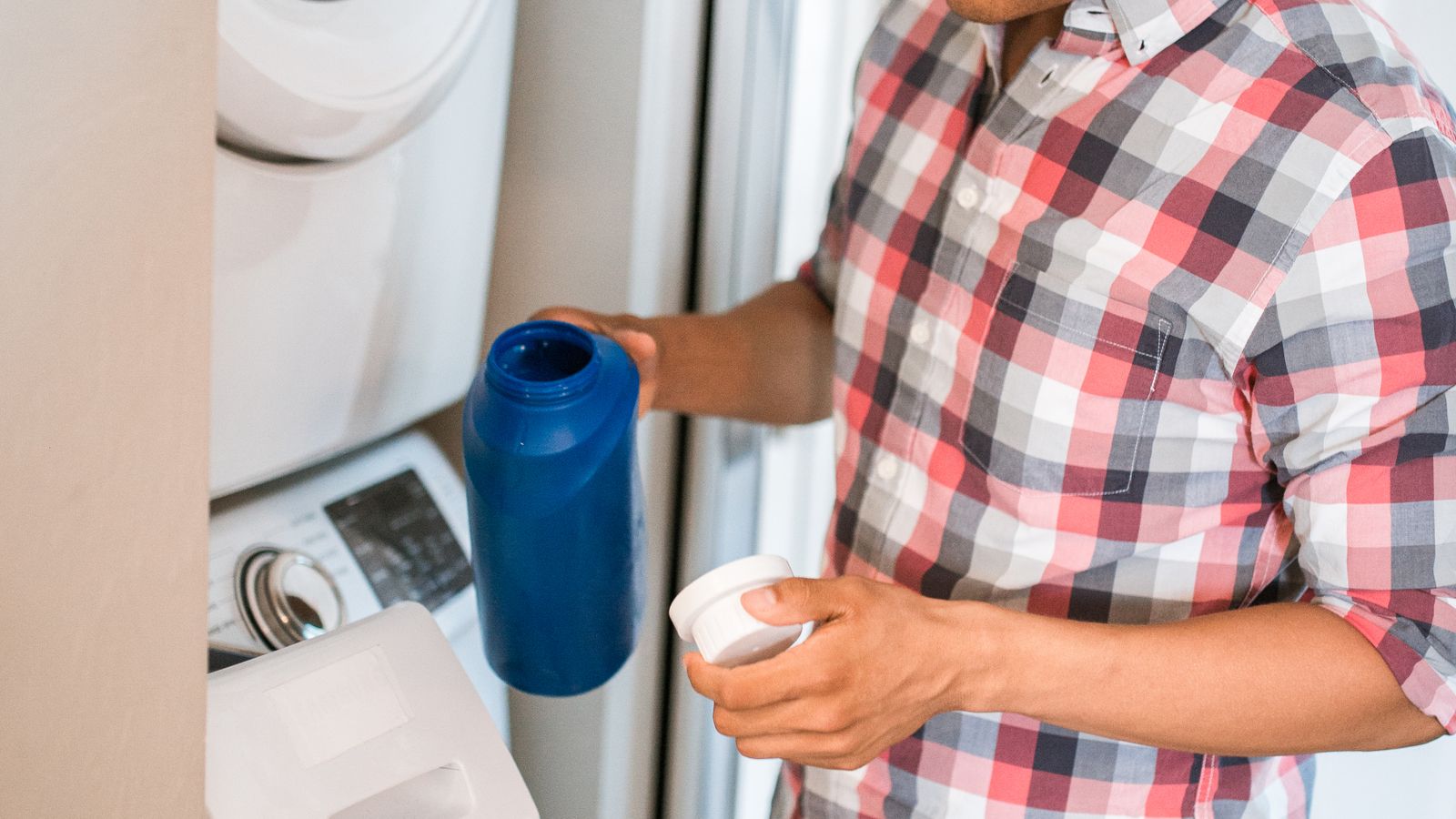
Why Proper Storage Matters for Septic-Safe Detergents
Septic-safe detergents are formulated with biodegradable surfactants and enzyme blends that help your tank’s bacteria break down waste efficiently. Unlike conventional detergents loaded with phosphates and harsh fillers, these formulas are more sensitive to environmental conditions. Extreme heat can degrade the enzymes that make a detergent gentle on your septic system, while freezing temperatures can cause liquid formulas to separate or thicken permanently. Improper storage doesn’t just shorten shelf life – it can also reduce cleaning performance and, in the case of powders and pods, create clumping or moisture damage that renders the product useless.
Beyond performance, storage habits affect safety. Detergent spills near a septic drain field, or containers that leak into a floor drain connected to your system, can introduce concentrated chemicals your tank’s bacteria aren’t equipped to handle in large doses. Getting storage right protects both your investment in the product and the long-term health of your septic system.
What You’ll Need to Prepare
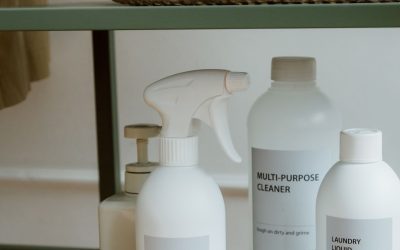
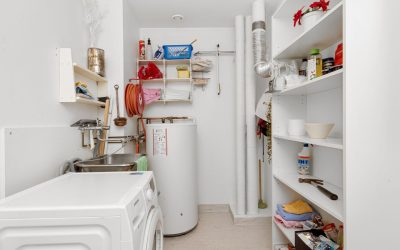
- A cool, dry storage location away from direct sunlight (laundry room cabinet, utility closet, or garage shelf)
- Original manufacturer containers with lids that seal tightly
- A shelf or bin rated to hold the weight of full detergent bottles
- Airtight containers for pods, powders, or detergent sheets
- Labels or a marker to note purchase dates
- A spill tray or absorbent mat for extra protection under liquid bottles
Step-by-Step: How to Store Laundry Detergents for Septic Systems
- Choose a stable, moderate-temperature location. Aim for a spot that stays between roughly 50°F and 80°F year-round. Avoid storing detergent in an uninsulated garage during winter or next to a water heater or dryer vent where heat builds up. Temperature swings are one of the fastest ways to degrade enzyme-based, septic-safe formulas.
- Keep containers out of direct sunlight. UV exposure breaks down the surfactants and fragrance oils in liquid detergents and can fade or weaken plastic bottles over time, increasing the risk of cracks and leaks. A closed cabinet or opaque bin is ideal.
- Always reseal caps and lids tightly after each use. Loose caps let moisture and air in, which speeds up degradation of liquid formulas and can cause powders to clump or absorb ambient humidity.
- Store bottles upright, never on their side. Laying liquid detergent bottles sideways puts pressure on the cap seal and increases the odds of slow leaks that can go unnoticed until you find a sticky puddle on your shelf.
- Separate pods and single-dose packs from moisture. Detergent pods are especially vulnerable to humidity – their dissolvable film can start breaking down if stored in a damp bathroom or laundry room with poor ventilation. Keep them in their original resealable pouch or an airtight container in a dry cabinet.
- Elevate detergent off the floor. Storing bottles directly on a concrete laundry room floor exposes them to temperature extremes and potential water contact from washer overflow or condensation. A shelf a few inches up keeps products more stable.
- Keep detergent away from your septic system’s own components. Never store bottles near your septic tank access lid, drain field, or outdoor cleanout in a shed exposed to weather extremes – indoor storage is always safer for both the product and the system.
- Label with purchase date. Septic-safe detergents don’t always list a strict expiration date, but a simple purchase-date label helps you rotate stock and use older bottles first (first in, first out).
- Store away from children and pets. This applies to all detergents, but septic-safe pods are often brightly colored and can be mistaken for candy. Use a latched cabinet or a shelf that’s out of reach.

Safety Notes
- Never transfer detergent into unlabeled containers, especially food or beverage bottles – this creates a serious poisoning risk.
- Keep detergent storage areas ventilated; concentrated fragrance and surfactant fumes can build up in small, closed spaces.
- If a bottle leaks or a pod ruptures, clean it up immediately with a damp cloth and dispose of paper towels in regular trash, not down a sink connected to your septic line, to avoid sending a concentrated dose into the tank at once.
- Store detergent away from bleach, ammonia-based cleaners, or pool chemicals – accidental mixing can produce harmful fumes.
- Check your local guidelines before disposing of old or degraded detergent; most municipalities recommend using it up in small amounts rather than pouring large quantities down the drain at once.
Common Mistakes to Avoid
Storing Detergent in a Hot Garage or Attic
Garages and attics see the widest temperature swings in most homes. Even a septic-safe detergent marketed as “all-temperature” can lose potency after repeated freeze-thaw cycles or a summer spent above 100°F.
Buying in Bulk Without a Rotation Plan
Bulk buying saves money, but if you’re not using detergent within a reasonable window, unopened bottles sitting for a year or more may separate or lose enzyme activity. Buy only what you’ll realistically use in three to six months unless your storage conditions are ideal.
Ignoring the Cap Seal
A cap that doesn’t click fully closed is a slow leak waiting to happen. Get in the habit of checking the seal every time you set a bottle back on the shelf.
Mixing Old and New Formulas in One Container
Some households top off a nearly empty bottle with a new bottle of a different detergent. This can dilute concentration, alter the septic-safe formulation, and make it hard to know how much active ingredient you’re actually using per load.
Storing Near Heat-Generating Appliances
A shelf directly above or beside a dryer may seem convenient, but the radiant heat during drying cycles can slowly cook nearby liquid detergent bottles, shortening their usable life.
Choosing the Right Products to Store
Good storage habits work best when paired with the right detergent in the first place. If you’re still deciding which formula fits your septic system, our roundup of laundry detergents for septic systems breaks down the top septic-safe options by ingredient profile and value. If odor control from pets is also a concern in your household, it’s worth pairing your septic-safe pick with insight from our guide to the best laundry detergents for pet odors, since many septic-safe formulas also handle tough odors well. And if your household does a lot of dark-colored laundry, our picks for laundry detergents for dark colors can help you find a septic-friendly option that also keeps fabrics from fading.

How Long Does Properly Stored Septic-Safe Detergent Last?
Most liquid septic-safe detergents remain effective for about 12 to 18 months when stored correctly in a cool, dry, sealed environment. Powders can last slightly longer, often up to 2 years, provided moisture never gets in. Pods and single-dose packs tend to have the shortest practical shelf life, generally 9 to 12 months, because their dissolvable coating is the most sensitive component. If you notice a liquid detergent has separated into layers that won’t recombine when shaken, or a powder has hardened into solid clumps, it’s time to replace it rather than risk uneven cleaning or clogged dispenser trays.
Frequently Asked Questions
Can I store septic-safe detergent in the original box it came in?
Yes, as long as the cardboard box stays dry. However, for pods and powders, transferring the product into an airtight container after opening offers better long-term protection than relying on the original packaging alone.
Does septic-safe detergent need to be refrigerated?
No. Refrigeration is unnecessary and can actually cause some liquid formulas to thicken or separate. Room temperature, ideally between 50°F and 80°F, is the sweet spot.
Is it safe to store detergent in a basement near the septic cleanout?
It’s fine to store detergent in a basement as long as the area is dry and temperature-stable. Just keep bottles away from any open cleanout access points to avoid accidental spills entering the system directly.
How do I know if my detergent has gone bad?
Look for separation that won’t remix with shaking, an off or sour smell, clumping in powders, or a pod coating that feels sticky or tacky. Any of these signs mean it’s time to dispose of the product responsibly and buy fresh.
Should I keep detergent in a locked cabinet even without kids in the house?
It’s still a good habit, especially for pods, since they can attract pets. A latched or high cabinet also reduces the chance of accidental spills from bottles being knocked over.
Final Thoughts
Storing your laundry detergent correctly is a small habit that pays off in a big way when you’re protecting a septic system. A cool, dry, upright storage spot with tightly sealed containers keeps enzymes active, prevents leaks, and ensures every load gets the full septic-safe formula it was designed to deliver. Pair smart storage with a genuinely septic-friendly detergent, and you’ll extend the life of both your laundry products and your septic system for years to come.