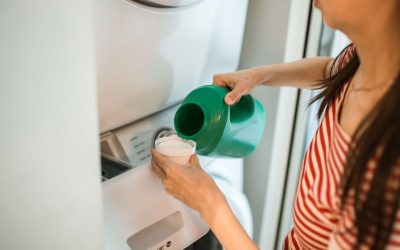
Baby laundry detergent doesn’t sit in the cabinet forever without changing. Between the gentle, fragrance-free formulas made for sensitive newborn skin and the enzymes that keep them effective, these detergents have a shelf life that’s shorter than most people assume. Using an expired or degraded bottle doesn’t just mean weaker cleaning power – it can mean residue left behind on delicate fabrics that touch your baby’s skin all day and night. This guide walks through exactly how long baby-safe laundry detergent lasts, the warning signs it’s time to toss it, and how to store it properly so every load does its job.
How Long Does Baby Laundry Detergent Actually Last?
Most liquid baby laundry detergents remain effective for about 12 to 18 months after opening, and roughly 2 years unopened when stored in a cool, dry place. Powder formulas tend to last a bit longer – often up to 2 years after opening – because they contain less water and are less hospitable to bacterial growth. Pods and single-dose packs generally have the shortest practical lifespan, around 9 to 12 months, since their outer film can degrade with humidity exposure even before the pod is used.
These numbers assume normal home storage conditions. A detergent kept in a hot garage, a humid laundry room, or under direct sunlight will degrade faster than one stored in a temperature-stable cabinet. Because baby detergents are formulated without many of the harsher preservatives and fragrances found in regular detergent, they can be more sensitive to environmental swings than standard adult formulas.
Why Baby-Safe Formulas Break Down Faster
Gentle, hypoallergenic detergents are deliberately light on synthetic stabilizers, dyes, and fragrance compounds – the very ingredients that help mainstream detergents resist separation and enzyme breakdown over time. That’s good news for sensitive skin but means the cleaning enzymes in baby formulas lose potency a little sooner. Over time, the surfactants that lift stains and the enzymes that break down proteins (like the ones in spit-up and formula stains) slowly become less active, even if the bottle still looks and smells normal.
Signs Your Baby Detergent Has Gone Bad or Lost Effectiveness
You don’t need to memorize an exact expiration date to know when it’s time to replace a bottle. Watch for these practical signs instead.
- Separation that won’t remix: A little settling is normal and shakes back together. If the liquid stays separated, chunky, or oily-looking after a thorough shake, the formula has broken down.
- Color change: Baby detergent is usually clear, pale, or lightly tinted. Cloudiness, yellowing, or a noticeably darker color signals oxidation or bacterial growth.
- Off smell: Even “unscented” formulas have a clean, neutral scent. A sour, musty, or rancid smell means it’s time to toss it – this is especially important for baby laundry since the goal is minimal residue and irritation risk.
- Thinner or thicker texture: A sudden change in viscosity – watery when it used to be thicker, or gel-like clumps forming – points to ingredient breakdown.
- Weaker stain removal: If formula, breast milk, or food stains that used to come out clean are now leaving faint marks even on a normal wash cycle, the enzymes have likely lost their punch.
- Powder clumping or hardening: Powder detergents that have absorbed humidity will form hard clumps that won’t dissolve properly, leaving gritty residue on fabric.
Checking the Expiration or “Best By” Date
Most bottles print a manufacturing date or a “best used within” window on the bottom or back label, sometimes as a batch code rather than a plain date. If you can’t find a clear date, a good rule of thumb is to write the purchase date on the bottle with a permanent marker the day you bring it home – this small habit removes the guesswork later. For powders and pods, check the box flap or the individual wrapper seal, since these formats are more likely to hide the date in a less obvious spot.
How to Store Baby Detergent to Maximize Its Lifespan
Proper storage is the single biggest factor in how long a bottle stays fully effective. A few adjustments to where and how you keep it can add months of usable life.
- Keep it in a cool, dry spot. Aim for a stable room temperature, ideally between 50°F and 80°F. Avoid laundry rooms that get muggy or garages that swing between hot and freezing.
- Keep the cap tightly sealed after every use. Air exposure accelerates oxidation of the active enzymes and surfactants, so a loose or missing cap shortens shelf life noticeably.
- Store pods and single-dose packs in their original sealed container. The outer film of a pod is designed to dissolve on contact with water – humidity in the air can start that process early if the pod is left out of its packaging.
- Avoid direct sunlight. UV exposure breaks down fragrance oils, dyes, and some enzyme structures faster than normal aging would.
- Don’t store it directly on top of the washer or dryer. The heat and vibration from these appliances can gradually degrade the formula and loosen the cap over time.
- Keep powder detergent in an airtight container. If the original box isn’t resealable, transfer the powder to a container with a tight lid to block moisture.

When to Replace, Not Just Refill
Refilling a bottle from a bulk container is a common way to save money, but it can shorten the shelf life of what’s inside. Mixing a fresh batch into a bottle that still has old residue at the bottom introduces old surfactants and possible bacterial contamination into the new supply. If you regularly refill a dispenser bottle, rinse and fully dry it every few refills rather than topping it off indefinitely, and always match the label’s date system to the most recently added batch rather than the original purchase.
It’s also worth replacing your detergent outright – not just refilling – if your baby has recently developed a new skin sensitivity or a rash you suspect is related to laundry residue. Starting with a completely fresh bottle rules out the possibility that a degraded, unevenly mixed formula is contributing to irritation.
Common Mistakes That Shorten Detergent Life
- Buying in bulk sizes you won’t use in a year. A large jug seems economical, but if it takes 18 months to empty, the last third of the bottle may already be past its peak effectiveness.
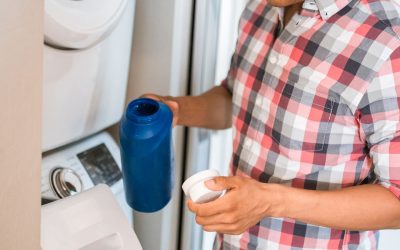
- Leaving the cap open while measuring. Even a few minutes of exposure during each use adds up over dozens of wash cycles.
- Storing near heating vents or dryer exhaust. These spots create the exact heat cycling that speeds up ingredient breakdown.
- Ignoring the “shake before use” instruction. Skipping this step lets separated ingredients settle unevenly, so some loads get a weaker dose than others.
- Assuming unscented means indefinitely stable. Fragrance-free doesn’t mean preservative-free is unlimited – these formulas still have a practical shelf life.
Choosing a Replacement Formula
When it’s time to replace your bottle, it’s a good moment to reassess whether your current formula still fits your household’s needs. If you’re dealing with hard water buildup that leaves clothes feeling stiff or dulls the detergent’s cleaning power, it may be worth exploring laundry detergents formulated for hard water, which are designed to work around mineral deposits that reduce sudsing and rinsing efficiency. If your baby has shown any sensitivity, comparing options among the best laundry detergents for sensitive skin can help you find a formula with an even shorter, cleaner ingredient list. And if you’re simply due for a fresh bottle, browsing current picks for laundry detergents for baby clothes is a solid starting point for comparing gentle, dermatologist-tested options side by side.
Frequently Asked Questions
Does baby laundry detergent really expire?
Yes, though it’s more accurate to say it gradually loses effectiveness rather than becoming unsafe overnight. Past its shelf life, it may clean less thoroughly and leave more residue, which matters more for baby skin than for adult clothing.
Is it safe to use expired baby detergent?
Using a slightly expired bottle is unlikely to be harmful, but it may not clean effectively and could leave more soap residue on fabric that touches sensitive skin. If you notice any of the spoilage signs above – bad smell, separation, color change – replace it rather than risk irritation.
How can I make my detergent last longer without wasting it?
Buy a size your household will use within about a year, store it in a stable-temperature spot away from sunlight and appliance heat, and always reseal the cap tightly after each use.
Should I switch detergents once my baby starts wearing regular clothes?
Many parents transition gradually rather than switching all at once. If your baby’s skin has been reactive, continuing a gentle formula longer is a reasonable, low-risk choice even as they grow out of newborn-specific clothing.
Do pods last as long as liquid detergent?
Generally no – pods have a shorter practical shelf life because their dissolvable film is sensitive to humidity. Keep them in their original sealed pouch or container and use them within about 9 to 12 months for best results.
Final Thoughts
Baby laundry detergent doesn’t need to be replaced on a rigid schedule, but knowing the general 12-to-24-month window – and watching for the physical signs of breakdown – helps ensure every wash actually gets your baby’s clothes clean without leaving behind residue that could irritate sensitive skin. A little attention to storage, from a tightly sealed cap to a cool, dry shelf, goes a long way toward stretching a bottle’s useful life. When it is time to restock, take the opportunity to reconsider your formula based on your water type and your baby’s skin sensitivity, so your next bottle works even better than the last.