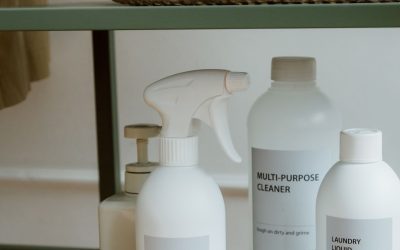
A well-stocked laundry shelf doesn’t need dozens of bottles – it needs the right three. If your household juggles sweaty gym clothes, a preference for energy-saving cold washes, and someone with reactive or easily irritated skin, you can cover almost every load with a small, purposeful starter kit instead of a cabinet full of half-used jugs. This guide walks you through exactly which detergent types to keep on hand, how to choose them, and how to use each one correctly so your laundry routine actually gets simpler, not more complicated.
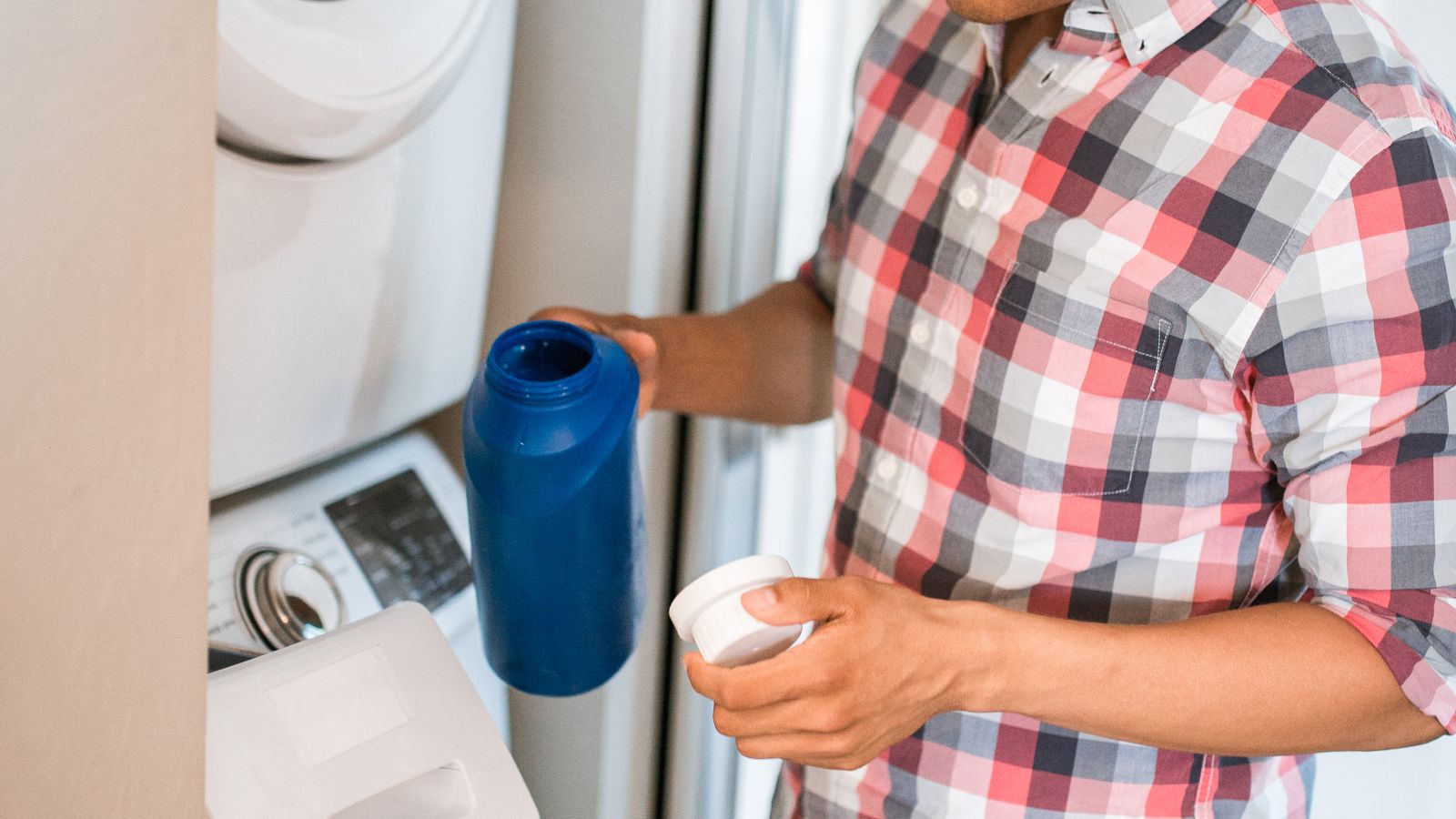
Why a Three-Detergent Starter Kit Makes Sense
Most households don’t actually need a different detergent for every fabric or scenario. But three very common laundry situations genuinely benefit from a dedicated product: workout gear that traps odor-causing bacteria, everyday loads washed in cold water to save energy and protect colors, and clothing worn against skin that reacts to fragrance or harsh surfactants. Trying to force one all-purpose detergent to handle all three usually means compromising on at least one – funky gym shirts, fading colors, or a rash after wearing “clean” clothes.
Building a small, targeted shelf means you spend less money overall (no impulse-buying specialty products you don’t fully understand) and you get noticeably better results on the loads that matter most. This is a starter kit, not a hoarding project – three bottles, each with a clear job.
What You’ll Need to Get Started
- A liquid or packet detergent formulated for activewear and odor removal
- A detergent specifically labeled for cold-water effectiveness
- A free-and-clear or hypoallergenic detergent for sensitive skin
- A dedicated stain-pretreatment stick or spray (optional but helpful for sweat rings and underarm buildup)
- Measuring cups or a detergent with a built-in dosing cap
- A cool, dry shelf or cabinet near the laundry area, out of direct sunlight and away from young children
Step 1: Start with the Athletic Wear Detergent
Synthetic performance fabrics like polyester, spandex, and nylon blends trap body oils and bacteria deep in their fibers in a way cotton doesn’t. Regular detergent often just masks the smell temporarily, and it can come right back the moment you sweat again. An athletic-wear formula is built with enzymes and odor-neutralizing agents designed to break down that bacterial residue rather than perfume over it.
When shopping, look for products that specifically mention odor elimination, enzyme-based stain fighters, and compatibility with moisture-wicking synthetics. Skip fabric softener with these loads – it coats fibers with a film that reduces the wicking performance you paid for in the first place. If you want a curated shortlist instead of scrolling through dozens of options, this roundup of laundry detergents built specifically for athletic wear breaks down formulas that are actually effective on sweat and odor.
How to Use It Correctly
- Turn synthetic garments inside out before washing to expose the fabric side that touches skin directly to the wash water.
- Use a smaller load size than usual – overcrowding prevents enzymes from reaching every fiber.
- Wash in cool or warm water, never hot, since heat can set odors and degrade elastic fibers.
- Skip the dryer sheet and fabric softener entirely for this load.
- Air-dry or use a low-heat cycle to preserve elasticity in leggings, sports bras, and compression gear.
Step 2: Add a Cold-Water Detergent for Everyday Loads
Cold water washing is one of the simplest ways to cut energy costs and protect colors, dark fabrics, and delicate items from fading or shrinking – but only if your detergent is actually formulated to dissolve and clean in cold temperatures. Standard powder detergents in particular can leave gritty residue behind when water isn’t warm enough to fully activate them.
A dedicated cold-water formula uses enzymes and surfactants engineered to stay active and dissolve completely even in water as low as around 60°F, so you get the same cleaning power without heating a single gallon. This is the detergent that should handle the bulk of your regular household laundry – towels, everyday shirts, bedding, and mixed loads that don’t need special treatment. For a comparison of products that actually perform well below typical wash temperatures, see this list of laundry detergents for cold water washing.

How to Use It Correctly
- Select the cold-water or “eco” cycle on your washer, which typically runs longer to compensate for lower temperatures.
- Pretreat visible stains before loading, since cold water alone won’t help lift set-in grease or food stains.
- Use the manufacturer’s recommended dose – cold-water formulas are often concentrated, so more isn’t always better and can leave residue.
- Avoid overloading the drum; cold water needs good circulation to distribute detergent evenly.
- If you notice a soapy film on dark clothes, run an extra rinse cycle rather than switching detergents.
Step 3: Round Out the Kit with a Sensitive Skin Detergent
Even if only one household member deals with eczema, allergies, or general skin sensitivity, it’s usually easier to keep a dedicated sensitive-skin detergent on the shelf than to run a separate load schedule. Look for products labeled “free and clear,” meaning no added dyes, fragrances, or optical brighteners – these are the ingredients most commonly linked to skin irritation and residue-related reactions.
This detergent works well for baby clothes, bedsheets, underwear, and any garment worn close to skin for long periods. Many free-and-clear formulas are also dermatologist-tested, which is worth checking on the label if anyone in the household has diagnosed conditions like atopic dermatitis. A curated comparison of gentle, low-irritant options is available in this guide to the best laundry detergents for sensitive skin.
How to Use It Correctly
- Run an extra rinse cycle if your washer supports it, since detergent residue is a common irritation trigger even with gentle formulas.
- Skip fabric softener and dryer sheets, which reintroduce fragrance and chemical coatings that defeat the purpose.
- Wash new clothing once before wearing it, especially for babies and children, to remove manufacturing residue.
- Use the recommended dose exactly – overdosing any detergent, even a gentle one, increases the chance of residue buildup.
- Store this detergent separately from stronger-scented products so bottles don’t transfer odor to each other.
Organizing the Shelf: A Simple Layout That Works
Once you have all three bottles, keep them visually distinct and easy to grab without reading labels every time. A simple system:
- Left slot: athletic wear detergent, next to a mesh bag for washing gym clothes separately if needed
- Middle slot: cold-water everyday detergent, since it will be used most often and should be closest to hand
- Right slot: sensitive skin detergent, ideally on its own small tray to avoid cross-contamination from spills
Label the bottles with a piece of tape and a marker if you share laundry duties with family members or roommates – it prevents someone grabbing the wrong bottle out of habit and using scented detergent on a sensitive-skin load by mistake.
Common Mistakes to Avoid
- Using one detergent for everything “to keep it simple.” This defeats the purpose of the kit and usually means underperforming on odor, cold-water dissolving, or skin comfort.
- Overdosing detergent. More product does not mean cleaner clothes – it usually means more residue, which is especially problematic for sensitive skin and athletic fabrics.
- Adding fabric softener to athletic wear. It coats synthetic fibers and reduces moisture-wicking performance almost immediately.
- Washing cold-water loads on the wrong cycle. Selecting a quick or short cycle with cold water often doesn’t give the detergent enough time to fully dissolve and work.
- Ignoring the washer’s detergent drawer buildup. Residue in the dispenser can transfer between all three detergents if it’s not cleaned periodically.
Safety and Storage Notes
Keep all detergents, even gentle sensitive-skin formulas, in their original labeled containers and out of reach of children and pets – detergent packets in particular are a known ingestion hazard because of their candy-like appearance. Store bottles upright with caps tightly closed to prevent leaks, and avoid stacking heavy items on top of soft packaging. If you notice any separation, unusual smell, or discoloration in a liquid detergent, it may have degraded and is worth replacing rather than risking reduced cleaning performance.
Frequently Asked Questions
Do I really need three separate detergents, or can I combine two?
You can often combine the cold-water and sensitive-skin categories if you find a free-and-clear formula that’s also rated for cold-water performance – many are. Athletic wear detergent is harder to substitute since its enzyme blend is specifically tuned for synthetic fabric odor, so it’s worth keeping separate.
Can I use athletic wear detergent on regular cold-water loads?
Yes, in a pinch, but it’s not optimized for cold-water dissolving the way a dedicated cold-water formula is, so you may see more residue on regular fabrics. Save it for synthetic, odor-prone garments to get the most value from it.
Is sensitive skin detergent less effective at cleaning?
Not necessarily – most free-and-clear formulas still contain effective cleaning enzymes and surfactants. What’s removed is fragrance, dyes, and optical brighteners, not cleaning power, so you shouldn’t notice a drop in overall cleanliness.
How long does an opened bottle of detergent last?
Most liquid detergents remain effective for about six months to a year after opening if stored properly in a cool, dry place. Powder detergents generally last longer as long as moisture doesn’t get into the container.
What if my washing machine doesn’t have a dedicated cold-water cycle?
Most modern washers let you manually select the water temperature separately from the cycle type. If yours doesn’t, running any longer cycle on the coldest available setting with a cold-water-formulated detergent still delivers most of the benefit.
Final Thoughts
A three-bottle laundry shelf sounds minor, but it solves three real, recurring problems at once: lingering workout odor, energy waste from unnecessary hot washes, and skin irritation from fragrance-heavy formulas. Start with one detergent from each category, use the step-by-step routines above, and adjust based on how your specific fabrics and skin respond. Once the system is in place, laundry stops being a guessing game and becomes a quick, repeatable routine – grab the right bottle, load the right cycle, and move on with your day.