If your laundry room has slowly filled up with a bulky ironing board you barely use, a wobbly steaming rack, and a washer that keeps clogging with fuzz, it might be time to simplify. Two tools do the heavy lifting for most modern laundry routines: a compact steamer board for quick touch-ups and a lint trap that keeps your washer’s drain line clear. Together, they replace half a closet of gear with two smart, space-saving essentials. This guide walks you through why these two tools matter, how to set them up correctly, and how to avoid the mistakes that send people back to buying redundant equipment.
Why a Simplified Laundry Toolkit Matters
Most households accumulate laundry gear reactively – a full-size ironing board bought years ago, a separate garment steamer stand, random lint rollers, and maybe a mesh bag that never quite fits over the washer drain hose. None of it is coordinated, and it eats up closet space while still leaving gaps in your routine. A simplified toolkit built around a steamer board and a washer lint trap solves both problems at once: less clutter, and better coverage of the two laundry tasks people actually do every week – de-wrinkling clothes and protecting the washing machine from lint buildup.
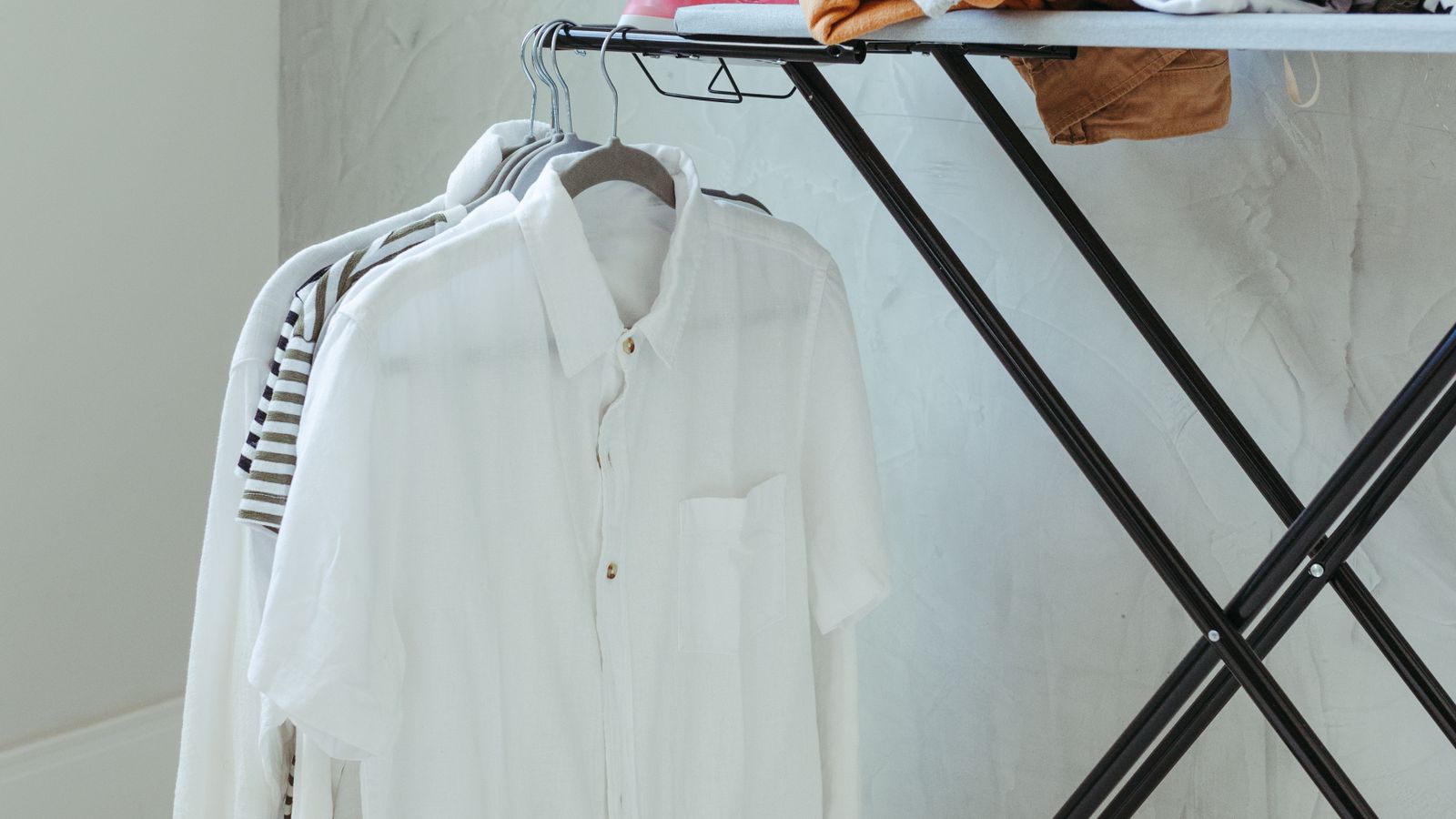
A steamer board is a narrow, often wall-mountable or foldable surface designed specifically for steaming rather than traditional ironing. It typically has a heat-resistant, breathable cover and a slimmer profile than a full ironing board, so it tucks behind a door or into a closet with ease. Pair that with an inline or external lint trap for your washer, and you’ve covered wrinkle removal and lint/debris control – the two chores that cause the most frustration – without a garage full of single-purpose gadgets.
What You’ll Need
- A steamer board or slim steam-press board (wall-mounted or foldable tabletop style)
- A handheld garment steamer or steam iron
- A washer lint trap (inline hose filter or external mesh/canister style)
- Adjustable hose clamps (usually included with the lint trap)
- A small wall hook or bracket for hanging the steamer board when not in use
- A microfiber cloth for wiping down both tools after use
Most of these items are inexpensive and widely available, and neither requires professional installation. The goal is a toolkit you can set up in under an hour and maintain in minutes each week.
Step 1: Choose the Right Steamer Board for Your Space
Start by measuring the wall or closet space where you plan to keep the board. Wall-mounted steamer boards fold flat against the wall and swing out when needed, which is ideal for apartments or small laundry rooms. Tabletop or freestanding slim boards work well if you don’t want to drill into a wall but still want something more compact than a full ironing board.
Look for a board with a heat-resistant cover rated for steam (not just dry ironing), a stable base or secure wall bracket, and a surface long enough to lay a shirt or pair of pants flat without excessive folding. If you want a curated comparison of models by size, mounting style, and price, browse steamer boards designed for home use before you buy.
Step 2: Install or Position the Steamer Board
- Decide on wall-mounted or freestanding placement based on your available space and whether you’re comfortable installing anchors.
- If wall-mounting, locate a stud or use appropriate wall anchors, then attach the bracket at a comfortable working height (roughly hip to chest level for most adults).
- Test that the board folds and unfolds smoothly and locks securely in the open position before using it with a hot steamer.
- Keep at least 12 inches of clearance around the board when it’s extended, away from curtains, hanging clothes, or other flammable materials.
- Plug in your garment steamer nearby, ideally on a dedicated outlet rather than a shared power strip with other high-draw appliances.
Step 3: Set Up a Lint Trap for Your Washer
Lint traps for washers catch fabric fibers and debris before they reach your drain line or septic system, which is especially useful if your machine doesn’t have a strong built-in lint filter (common in many top-load and older washers). Two common styles exist: an inline hose filter that clamps onto the drain hose, and an external mesh bag or canister filter that sits where the hose empties.
- Turn off the washer and unplug it before working near the drain hose.
- Locate the drain hose where it exits the back of the washer or connects to the wall standpipe.
- For an inline filter, cut into or clamp the filter onto the hose section following the manufacturer’s instructions, ensuring a snug, leak-free seal with the included clamps.
- For an external bag-style trap, secure it over the open end of the drain hose or standpipe with the drawstring or elastic band provided.
- Run a short test cycle with no clothes to confirm there are no leaks and that water drains normally.
If you’re comparing models before you commit, this roundup of lint traps for washers breaks down capture efficiency, ease of cleaning, and fit across common hose sizes.
Step 4: Build a Simple Weekly Maintenance Routine
Once both tools are installed, maintenance is quick:
- Steamer board: Wipe the cover down after each session to remove mineral residue from steam, and check the fabric cover for scorch marks or wear every few months.
- Lint trap: Check and empty the trap weekly, or after every 3-4 loads, since a clogged trap can slow drainage and eventually cause backups.
- Steamer unit: Empty and refill the water tank with fresh water each use if your model doesn’t have a sealed reservoir, and descale periodically per the manufacturer’s guidance.
Setting a recurring reminder – weekly for the lint trap, monthly for a deeper check of the steamer board’s cover – keeps both tools working reliably without becoming another forgotten chore.
Common Mistakes to Avoid
- Skipping the lint trap install because “the washer already has a filter.” Many washers, especially top-loaders, have minimal or no effective lint filtration, and skipped fibers can clog drain lines over time.
- Using a steamer board without a heat-resistant cover rating. Standard fabric covers not rated for steam can scorch or degrade quickly under repeated steam exposure.
- Overloading the steamer board with heavy garments it wasn’t designed for. These boards are built for touch-ups, not heavy-duty pressing of thick coats or bedding – a full-size board is still better for those occasional jobs.
- Forgetting to check the lint trap regularly. A full trap restricts drainage and can cause the washer to leak or drain slowly, undoing the whole point of installing one.
- Buying multiple redundant tools instead of consolidating. If you already have a steamer board and lint trap, you likely don’t need a separate ironing board, lint roller subscription, and drain screen as well.
Do You Still Need a Laundry Cart?
A simplified toolkit doesn’t mean carrying loose laundry from room to room. A rolling laundry cart keeps sorted clothes organized between the steamer board and the washer, and it’s a natural third piece if your laundry area is separate from bedrooms or closets. If you’re building out the rest of your setup, it’s worth checking out best laundry carts designed to fit tight laundry room corners without adding bulk.
Frequently Asked Questions
Do I still need a full-size ironing board if I have a steamer board?
Not usually. Most day-to-day wrinkle removal – shirts, blouses, light pants – is handled well by a steamer board. Keep a full-size board only if you regularly press heavier items like suits, bedding, or curtains that need a firm, flat surface.
How often should I clean a washer lint trap?
Check it weekly, or after every 3-4 loads if you wash frequently. Households that wash a lot of towels, pet bedding, or fleece items should check more often, since these fabrics shed the most fiber.
Can a lint trap reduce washer repair costs?
Yes. Lint and fiber buildup in drain hoses and pumps is a common cause of slow draining, unpleasant odors, and pump strain. A properly maintained lint trap reduces the debris reaching those components, which can extend the life of the machine.
Is a wall-mounted steamer board better than a freestanding one?
Wall-mounted boards save more floor space and work well in small laundry rooms or closets, while freestanding boards are easier to install without drilling and can be moved between rooms. Choose based on your space constraints and whether you’re comfortable with wall anchors.
What size lint trap fits my washer’s drain hose?
Most residential washer drain hoses range from 1 to 1.25 inches in diameter. Measure your hose before buying, since inline filters need a snug fit to avoid leaks, and universal or adjustable models are usually the safest choice if you’re unsure.
Final Thoughts
A steamer board and a washer lint trap cover the two most common laundry-day pain points – wrinkled clothes and drain clogs – without requiring a room full of specialized equipment. Installed correctly and checked on a simple weekly and monthly schedule, they’ll save you closet space, protect your washing machine, and keep your laundry routine noticeably faster. Start with these two tools, add a laundry cart if your space calls for it, and you’ll have a toolkit that’s genuinely simplified rather than just smaller.