A backyard cooking station only feels put-together when the tools actually work as a system. A griddle press that’s too small for your grill top, paired with skewers that don’t fit your griddle’s grease channel or fire pit grate, forces you to improvise every single cookout. Matching a griddle press and skewer set isn’t about buying matching colors – it’s about making sure both tools share the same cooking surface, heat source, and workflow, so you can sear a smash burger and thread a kebab without switching setups. This guide walks through how to evaluate what you already own, choose complementary gear, and assemble a cohesive station that works for weeknight dinners and weekend cookouts alike.
Why Matching Matters for a Backyard Setup
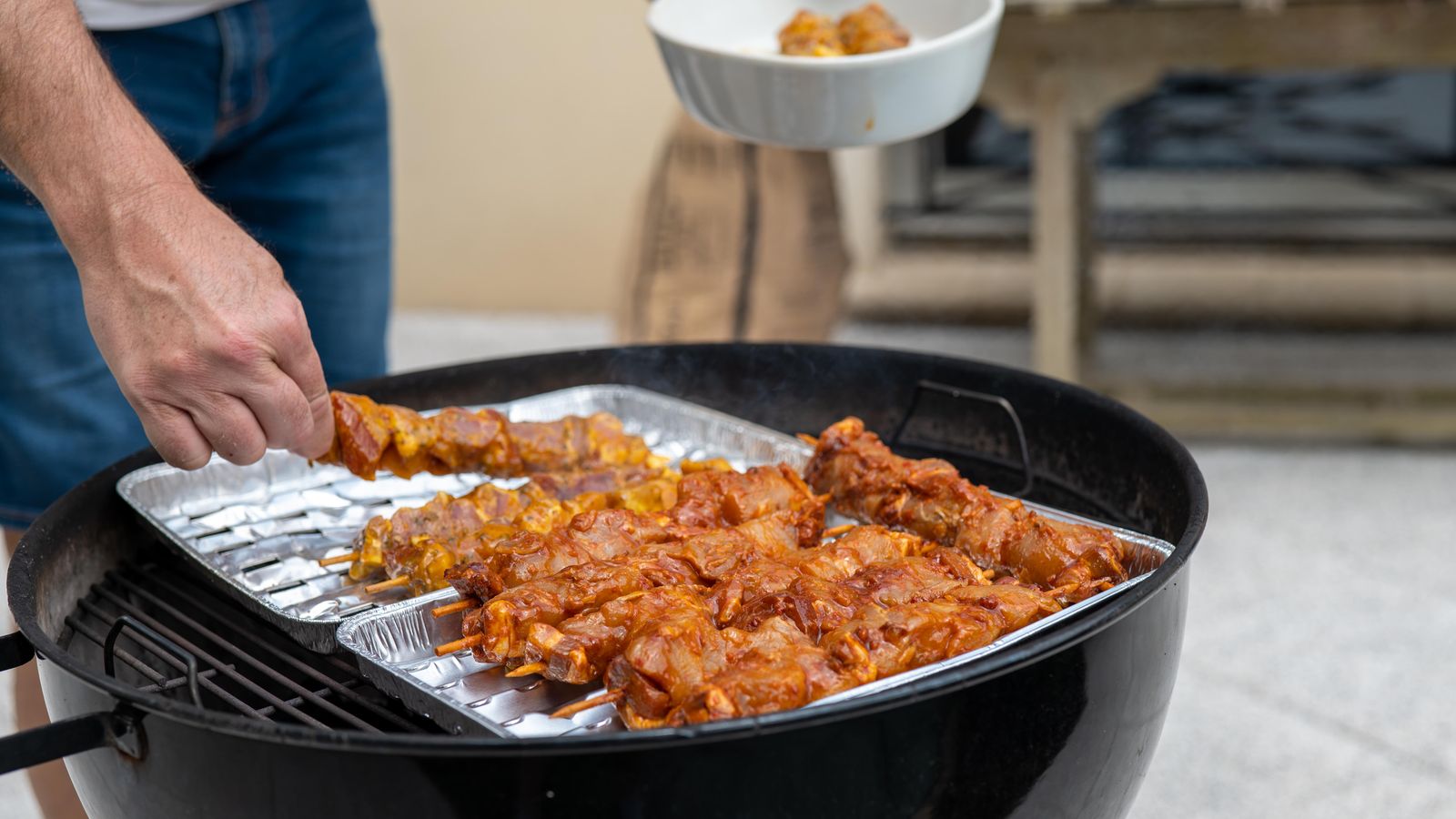
Griddle presses and skewer sets solve two different cooking problems, but they’re often used back-to-back at the same event: one minute you’re flattening smash burgers or searing onions on the flat top, the next you’re rotating chicken and vegetable skewers over open flame or on the same griddle surface. If your press is designed for a 36-inch commercial griddle and your backyard flat top is 17 inches, the press will overhang the edges and be awkward to control. If your skewers are flimsy stainless rods meant for a small tabletop grill, they’ll warp or slide around on a large fire pit grate. Treating these tools as one connected system – rather than two separate impulse buys – keeps your cooking station efficient and prevents wasted purchases.
The Core Compatibility Factors
- Surface size: The press should cover a meaningful portion of your griddle without dwarfing it or getting lost on it.
- Heat source: Skewers meant for direct-flame grilling behave differently than those meant for a flat-top or griddle surface.
- Material and handle style: Matching materials (cast iron, stainless steel) age at similar rates and tolerate similar heat levels, which simplifies care.
- Storage footprint: Tools that store together (same drawer, same rack) get used together more consistently.
Step 1: Measure Your Existing Griddle or Grill Surface
Before shopping for either tool, measure the actual cooking surface you have. Flat-top griddles typically range from compact 17-inch tabletop units to full 36-inch outdoor stations, and this number determines both press size and how much room you have for skewers laid flat during searing.
- Measure the width and depth of your flat cooking surface in inches.
- Note whether your setup also includes a grate area (common on combo grill-griddle units) where skewers would go over direct flame instead of the flat surface.
- Check the clearance under any hood or lid – a tall press handle can prevent the lid from closing on some combo units.
If you’re still deciding on a griddle itself, or want to compare flat-top options before committing to accessories, it helps to look at a broader roundup of griddle presses to see what surface sizes and handle styles are common at each price point.
Step 2: Choose a Griddle Press That Fits the Job
Griddle presses come in a few common shapes, and each pairs better with certain cooking styles:
- Round smash presses (5-7 inches): Ideal for single burger patties or smashing individual sausages; leave plenty of open surface for skewers or sides.
- Rectangular presses (8×4 to 10×5 inches): Better for bacon, multiple patties, or pressing panini-style sandwiches; take up more real estate.
- Cast iron vs. aluminum: Cast iron retains heat longer and gives a deeper sear but is heavier and needs seasoning care. Aluminum presses heat and cool faster, which is handy if you’re alternating between pressing and other tasks.
For a cohesive setup, pick a press size that leaves at least half your griddle surface open – that’s the space you’ll need if you ever want to finish skewer ingredients or warm vegetables on the flat top alongside a smash burger.
Step 3: Choose a Skewer Set That Matches Your Heat Source
Skewers aren’t one-size-fits-all either, and the wrong pairing creates real problems at the grill.
Flat, Wide Skewers for Griddle and Direct-Flame Use
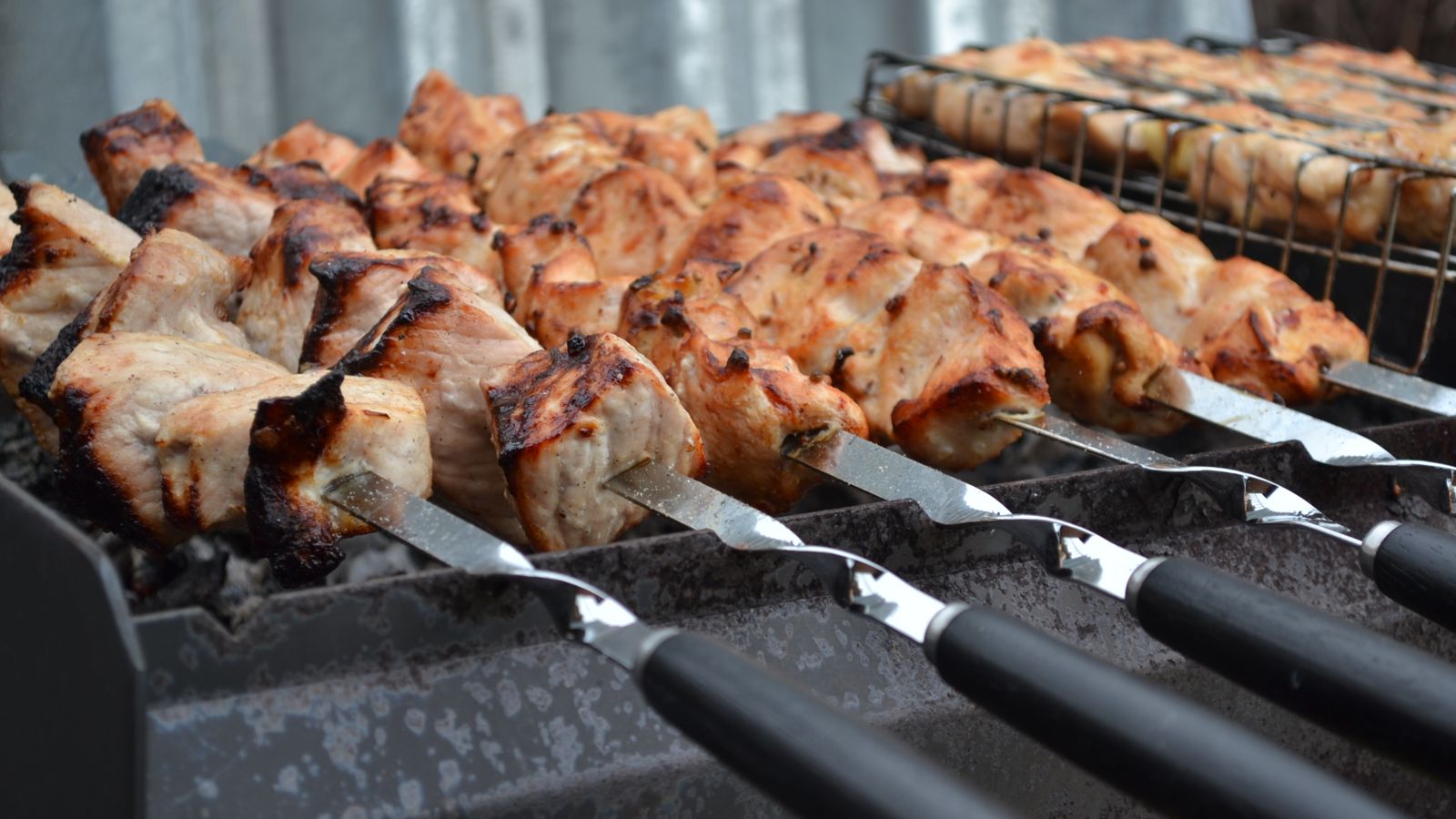
Flat metal skewers (rather than round) prevent food from spinning when you rotate them, which matters whether you’re working over an open flame or rolling kebabs across a flat-top surface. If most of your cooking happens on a griddle or over a fire pit rather than a kettle grill, prioritize flat-profile skewers.
Length and Grate Spacing
Measure the width of your grill grate or fire pit ring. Skewers that are too short will dangle handles into the flame; skewers that are too long will overhang awkwardly and be hard to rotate evenly. A 12-14 inch skewer suits most mid-size grills and fire pits, while compact tabletop setups do better with 8-10 inch skewers.
Handle Material
Wood or heat-resistant composite handles stay cool to the touch, which matters if you’re rotating multiple skewers by hand rather than using tongs. If your griddle press has a wood handle, choosing skewers with a similar wood or dark composite handle keeps the visual set and the touch-feel consistent across tools.
If you’re building out this part of your kit from scratch, a comparison of skewer sets is a useful way to see flat-vs-round profiles and handle materials side by side before buying.
Step 4: Align Materials and Finish for a Cohesive Look
Beyond function, a cohesive setup also looks intentional. A few simple rules help:
- Match metal tones – brushed stainless press with brushed stainless skewers, or dark cast iron with black-oxide skewers.
- Keep handle materials consistent – wood-handled press paired with wood-handled skewers reads as a set, even from different brands.
- Store them together on the same rack or in the same drawer near the griddle, so both tools are grabbed as a pair rather than one being forgotten in a kitchen drawer.
Step 5: Build Out the Rest of the Station
A griddle press and skewer set cover searing and skewering, but a full backyard cooking setup usually benefits from a dedicated heat zone for finishing food, keeping guests warm, or holding cooked skewers off direct flame while other items finish. If your layout includes an open-flame area separate from the griddle, checking a guide to best fire pits can help you decide whether a wood-burning or propane option fits your space and complements the same cooking zone.
Common Mistakes to Avoid
- Buying the largest press available “just in case”: An oversized press crowds a small griddle and limits what else you can cook at the same time.
- Choosing round skewers for a flat-top-heavy setup: Round skewers roll when you try to turn them on a flat surface, making even cooking harder.
- Ignoring handle heat: Metal handles without a heat-resistant grip or wrap can get dangerously hot over sustained direct flame.
- Skipping the measuring step: Guessing at press or skewer size based on photos alone is the most common reason gear doesn’t fit the actual grill or griddle at home.
- Mixing incompatible cleaning needs: Cast iron requires oiling and hand-drying, while stainless tolerates the dishwasher – mismatched care routines mean one tool gets neglected.
Safety Notes
- Always use a heat-resistant glove or towel when handling a press or skewer handle that has been near direct flame, even if the handle is marketed as heat-resistant.
- Keep skewer tips pointed away from other people when rotating food, especially in a crowded backyard setting.
- Let cast iron presses cool before washing to avoid warping from thermal shock.
- Store sharp-tipped skewers in a sheath, drawer divider, or upright holder rather than loose in a drawer.
Quick Buyer’s Checklist
- Measure your griddle surface and grill grate before choosing sizes.
- Pick a press shape (round vs. rectangular) that leaves room for other cooking on the same surface.
- Choose flat-profile skewers if you cook mostly on a griddle or open flame.
- Match skewer length to your grate or fire pit width.
- Coordinate metal tone and handle material for a set that looks intentional.
- Store both tools together so they’re used as a pair.
FAQ
Do a griddle press and skewer set need to be the same brand?
No. What matters is that the sizes, materials, and handle styles are compatible with your grill or griddle and with each other – not that they share a logo.
Can I use round skewers on a flat-top griddle?
You can, but they tend to roll when you try to rotate food evenly on a flat surface. Flat or square-profile skewers hold their position better.
What size griddle press works for most backyard griddles?
A 6 to 8 inch round press or an 8×4 inch rectangular press suits most mid-size flat-top griddles without overwhelming the cooking surface.
How do I keep cast iron and stainless tools looking consistent over time?
Season cast iron regularly to maintain its dark finish, and keep stainless pieces polished with a light steel cleaner – consistent maintenance keeps both tools looking like part of the same set even as they age.
Should skewers go on the griddle or over open flame?
Either works depending on the recipe: griddle cooking gives more even, controlled heat, while open flame adds char and smoke flavor. Many backyard cooks use both, which is another reason to size skewers for whichever surface you use most.
Final Thoughts
A cohesive backyard cooking setup comes down to a few deliberate choices: measuring your actual grill and griddle surfaces, picking press and skewer sizes that fit those dimensions, matching materials so care routines line up, and storing the tools together so they get used as a system rather than scattered accessories. Once the sizing and material questions are settled, the rest is really about building habits – grabbing both tools for the same cookout instead of hunting through drawers mid-recipe.