
That bottle of stain remover under your sink has probably been there longer than you think. Unlike detergent, which gets used up quickly, stain removers often sit half-full for months or years, quietly losing potency every time the cap comes off. If you’ve noticed your go-to spray isn’t lifting grease, grass, or wine stains the way it used to, the product itself may be the problem – not your technique. This guide walks through how long stain removers actually last, the warning signs that yours has expired, and how to build a smarter replacement routine so every load comes out clean.
How Long Does Stain Remover Actually Last?
Most commercial stain removers are formulated to stay effective for roughly 1 to 3 years when unopened and stored properly. Once opened, that window often shrinks, especially for enzyme-based or oxygen-based formulas that react with air and light from the moment the seal is broken.
- Enzyme-based stain removers: Typically last 12 to 18 months after opening. The enzymes that break down protein stains (blood, grass, food) degrade with repeated air exposure and temperature swings.
- Oxygen-based (oxi) powders and liquids: Powders generally hold their punch for 2 years if kept dry; liquid oxi boosters lose oxygen power faster, often within 6 to 12 months of opening, since the active ingredient reacts as soon as it’s exposed to moisture in the air.
- Solvent-based pre-treaters (for grease, oil, ink): These tend to have the longest shelf life, sometimes 3 years or more, because solvents are more chemically stable than enzymes.
- Homemade or DIY mixes: Vinegar-and-dish-soap or hydrogen peroxide blends should be treated as short-term solutions – use within a few weeks, since hydrogen peroxide especially breaks down fast once mixed or exposed to light.
These are general ranges, not guarantees. The actual lifespan of any bottle depends heavily on how and where it’s been stored, which is why checking the product itself matters more than counting months on a calendar.
Signs Your Stain Remover Has Expired or Lost Potency
You don’t need a lab test to know a stain remover is past its prime. A few simple checks will tell you almost everything.
Visual and Textural Changes
- Separation that won’t remix: Some settling is normal and a good shake fixes it. But if the product stays separated, cloudy, or develops visible chunks after shaking, the formula has broken down.
- Color shift: A clear spray turning yellow or brown, or a white powder clumping into hard, damp lumps, both signal degradation.
- Change in consistency: Liquids that have thickened, thinned unusually, or gone gritty are no longer performing as designed.
Smell Test
A sour, musty, or “off” odor – especially different from the product’s original scent – usually means bacteria or mold has found its way in, particularly in enzyme-based formulas stored in humid laundry rooms.
Performance Test
The most reliable check: apply it to a small, fresh stain and see what happens. If it fails to lift a stain it would normally handle with ease, or you notice you’re using nearly double the amount just to get the same result, the active ingredients have weakened significantly.
What Shortens the Life of a Stain Remover
A handful of everyday habits quietly cut a product’s effective lifespan well below what the label promises.
- Storing it in a hot, humid spot. Laundry rooms near the dryer, or bottles left on a sunny windowsill, accelerate chemical breakdown far faster than a cool, dark cabinet.
- Leaving the cap loose or off. Air exposure is the number one enemy of enzyme and oxygen formulas – every time the cap sits open while you scrub a stain, potency drops a little more.
- Diluting and storing the diluted mix. Pre-mixed spray bottles made from concentrate lose strength faster than the original concentrate; mix only what you’ll use within a few weeks.
- Cross-contamination. Dipping a used applicator or dirty scoop back into the bottle introduces bacteria that can spoil enzyme-based products early.
- Freezing and thawing. Liquid formulas stored in an unheated garage over winter can separate permanently once frozen and thawed, even if the label says nothing about temperature sensitivity.
How to Store Stain Remover to Maximize Shelf Life
A few storage adjustments can add real months to a bottle’s useful life.
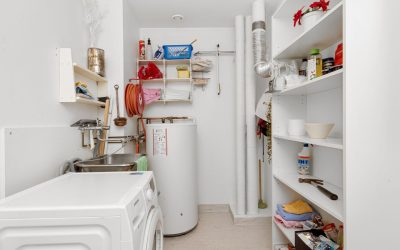
- Keep it cool and dark. A closet or cabinet away from direct sunlight and heat sources is ideal – avoid shelves directly above a washer or dryer.
- Seal tightly after every use. Make sure caps click or screw closed fully; a loose cap lets in air and moisture continuously.
- Keep powders dry. Store oxygen-based powders in an airtight container if the original packaging isn’t fully moisture-proof, and never scoop with a wet spoon.
- Buy smaller bottles if you use it rarely. A large jug that takes two years to empty is more likely to degrade before you finish it than a smaller bottle replaced more often.
- Label opened bottles with the date. A simple strip of masking tape with the date you opened it removes the guesswork later.
When to Replace Your Stain Remover
Use this quick checklist as a practical replacement guide rather than relying on memory alone:
- It’s been open more than 12-18 months (enzyme or liquid oxi formulas).
- The color, smell, or texture has visibly changed.
- It no longer lifts stains it used to handle easily, even with extra product or dwell time.
- The bottle has been stored somewhere hot, freezing, or humid for an extended period.
- You’re not sure how old it is and there’s no readable date on the packaging.
When in doubt, replace it. A weak stain remover doesn’t just fail to help – it can also set certain stains permanently by allowing them extra time to bond with fabric fibers while you wait for a treatment that isn’t working.
Building a Reliable Laundry Care Routine
Fresh stain remover is only one piece of a laundry routine that actually protects your fabrics. Pairing it with the right supporting products makes every wash more effective and helps stains lift the first time instead of requiring repeat treatments. If your current lineup of pre-treaters is inconsistent or unclear in performance, it’s worth comparing a few well-reviewed options – see our picks for the best stain removers to find a formula that matches the fabrics and stain types you deal with most often.
Beyond the treatment itself, drying habits matter too. Using dryer sheets can help reduce static and soften fabric after a stain treatment, while switching to best dryer balls is a reusable alternative that cuts drying time and helps fabric feel less stiff after a scrub-heavy wash.
Common Mistakes to Avoid
- Assuming shelf life equals effectiveness on old stains. Even a fresh stain remover struggles with stains that have already been through a hot dryer, which sets many stains permanently. Freshness of product won’t undo that.
- Overloading with extra product to compensate. If you’re using far more than the label recommends to get results, that’s a sign to replace the bottle, not a sign to keep dosing higher.
- Ignoring the fabric care label. Even a potent, fresh stain remover can damage delicate or specialty fabrics if used against the label’s instructions.
- Testing on a visible area first. Always spot-test a new or long-stored stain remover on an inconspicuous area, especially on colored or delicate fabrics, since degraded formulas can sometimes discolor fabric unpredictably.
FAQ
Does stain remover really expire, or does it just get weaker?
Both happen gradually. Most stain removers won’t turn dangerous or unusable overnight, but their active ingredients – enzymes, oxygen boosters, or solvents – steadily lose strength, meaning the same amount of product removes fewer and lighter stains over time.
Can I still use stain remover past the date on the bottle?
Many products don’t have a strict expiration date, only a “best by” estimate. If it passes the smell, color, and texture checks and still performs on a test stain, it’s generally safe to keep using, just expect somewhat reduced effectiveness.
Is it safe to mix old stain remover with a fresh bottle?
It’s better not to combine different bottles or formulas, even of the same brand, since concentrations and ages can vary. Use up or discard the old bottle separately rather than blending it into a new one.
How should I dispose of expired stain remover?
Small amounts of most household stain removers can typically be diluted with water and poured down the drain, but always check the label or your local guidelines first, especially for solvent-based or heavily concentrated formulas.
Does storing stain remover in the original bottle matter?
Yes. Original packaging is usually designed to limit light exposure and includes a properly fitted cap. Transferring product to a different container, especially a clear or loosely sealed one, can shorten its usable life.
Final Thoughts
A stain remover’s real shelf life depends less on the date printed on the bottle and more on how it’s stored and how often air, heat, and moisture reach it. Check for changes in smell, color, and performance every few months, store bottles in a cool and dry spot, and don’t hesitate to replace a bottle that’s underperforming – it’s a small cost compared to a ruined garment. With fresh, well-stored products and a few supporting laundry essentials on hand, stain treatment stays fast, effective, and predictable every time you need it.