Staring at a bare room and not knowing where to begin is one of the most common reasons decorating projects stall out before they start. A home decor scheme isn’t about buying everything at once – it’s a plan that ties your color palette, textures, and accent pieces together so every room feels intentional rather than random. This guide walks you through the process from first principles to final touches, so you can build a scheme that actually holds together room by room.
What Is a Home Decor Scheme, Exactly?
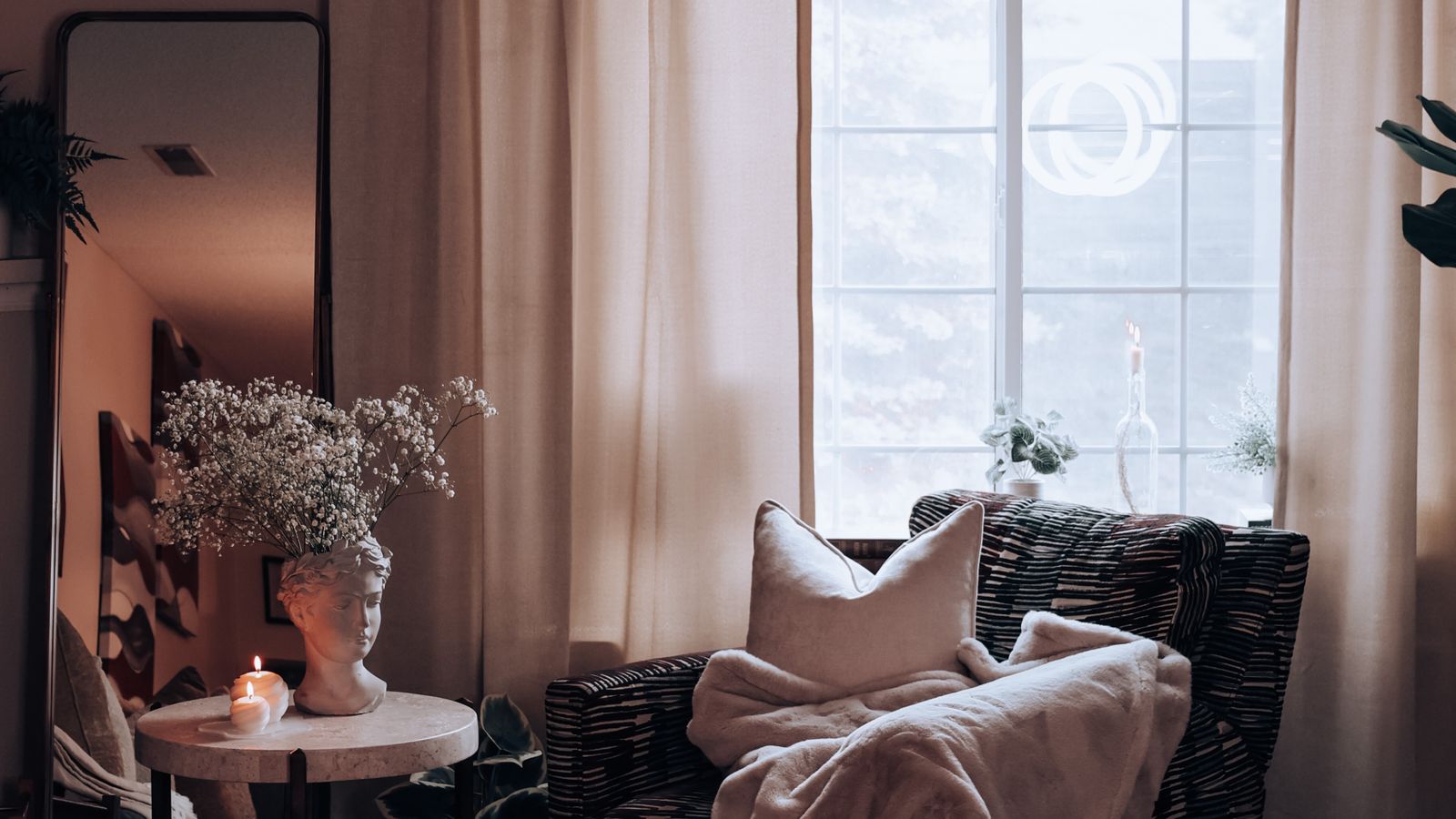
A decor scheme is simply the consistent set of choices – color, material, style, and mood – that you apply across a room or an entire home. It’s the difference between a space that looks curated and one that looks like a collection of unrelated purchases. A scheme doesn’t mean everything matches perfectly; it means everything relates to a shared visual language, whether that’s warm neutrals with brass accents, or a coastal palette of blues and driftwood tones.
Getting started doesn’t require an interior design degree. It requires a system: pick an anchor, choose supporting colors, define your textures, and then shop with intention instead of impulse.
Step 1: Find Your Anchor Point
Every good scheme starts with one anchor – a piece, color, or feeling you build everything else around. This keeps decisions grounded instead of overwhelming.
- An existing piece you love: A rug, a piece of art, or an heirloom cabinet can dictate your palette.
- A room’s fixed features: Flooring, countertops, and large furniture you’re not replacing set real constraints.
- A mood word: “Calm,” “collected,” or “warm” can guide every subsequent choice even before you pick a single color.
Whichever anchor you choose, write it down. Having a one-sentence description of the room’s intended feel prevents scope creep when you’re standing in a store aisle three weeks from now.
Step 2: Choose a Color Palette (and Stick to It)
Most decorating regret comes from color decisions made in isolation – a rug bought without the wall color in mind, curtains chosen without matching the sofa. Build a simple three-tier palette instead:
The 60-30-10 Rule
- 60% dominant color: Usually your walls and largest furniture pieces.
- 30% secondary color: Upholstery, rugs, curtains.
- 10% accent color: Pillows, art, small decorative objects – this is where you can be bold.
Keep a small physical swatch card (paint chips, fabric samples) with you when shopping. Screens distort color, and a “close enough” match under store lighting rarely reads the same at home.
Step 3: Decide on Texture and Material Mix
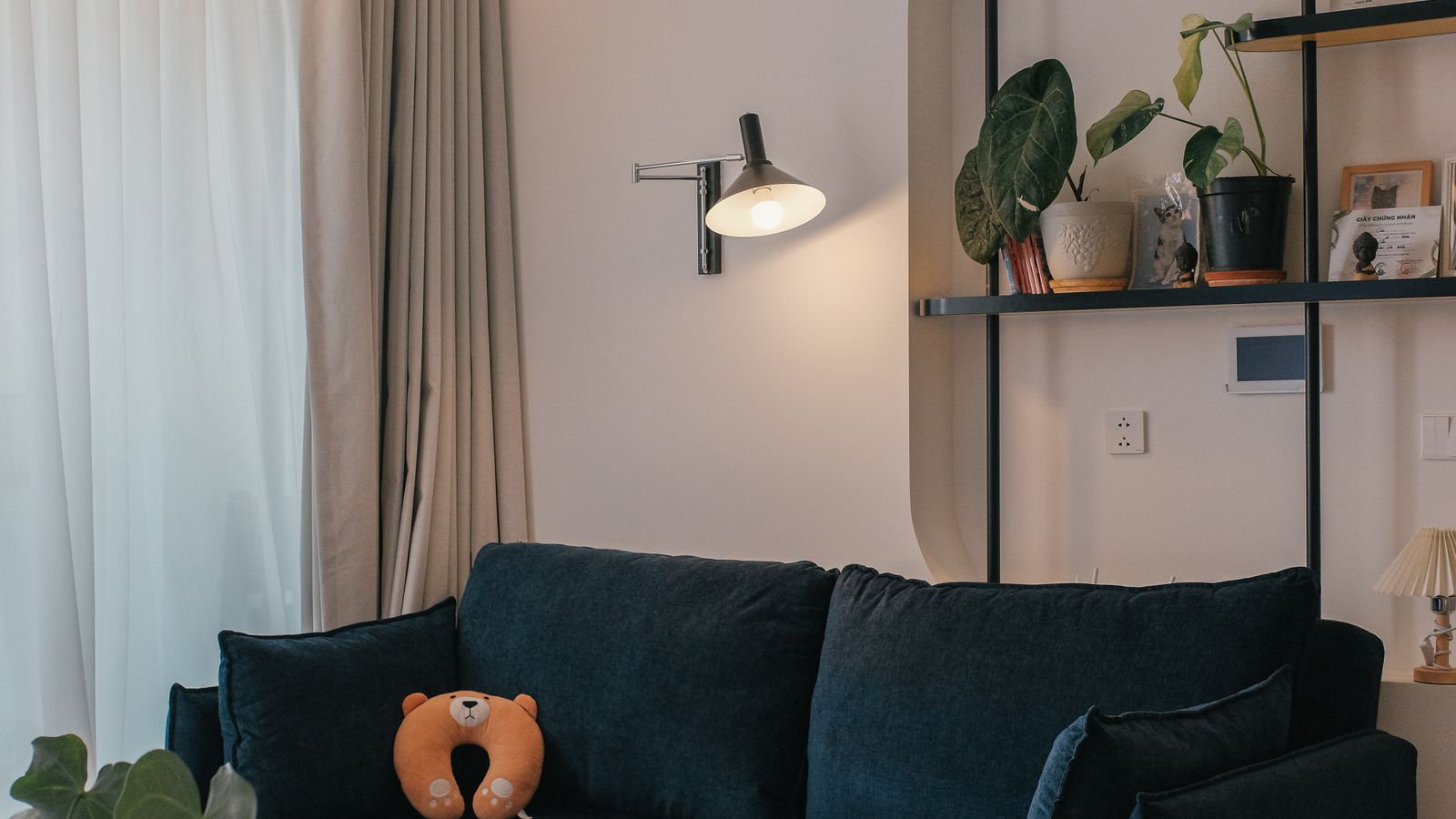
Color gets most of the attention, but texture is what keeps a room from feeling flat, especially in neutral schemes. Aim for at least three different textures in any given room: something soft (textiles), something hard (wood or stone), and something reflective (metal or glass).
A simple checklist to run through per room:
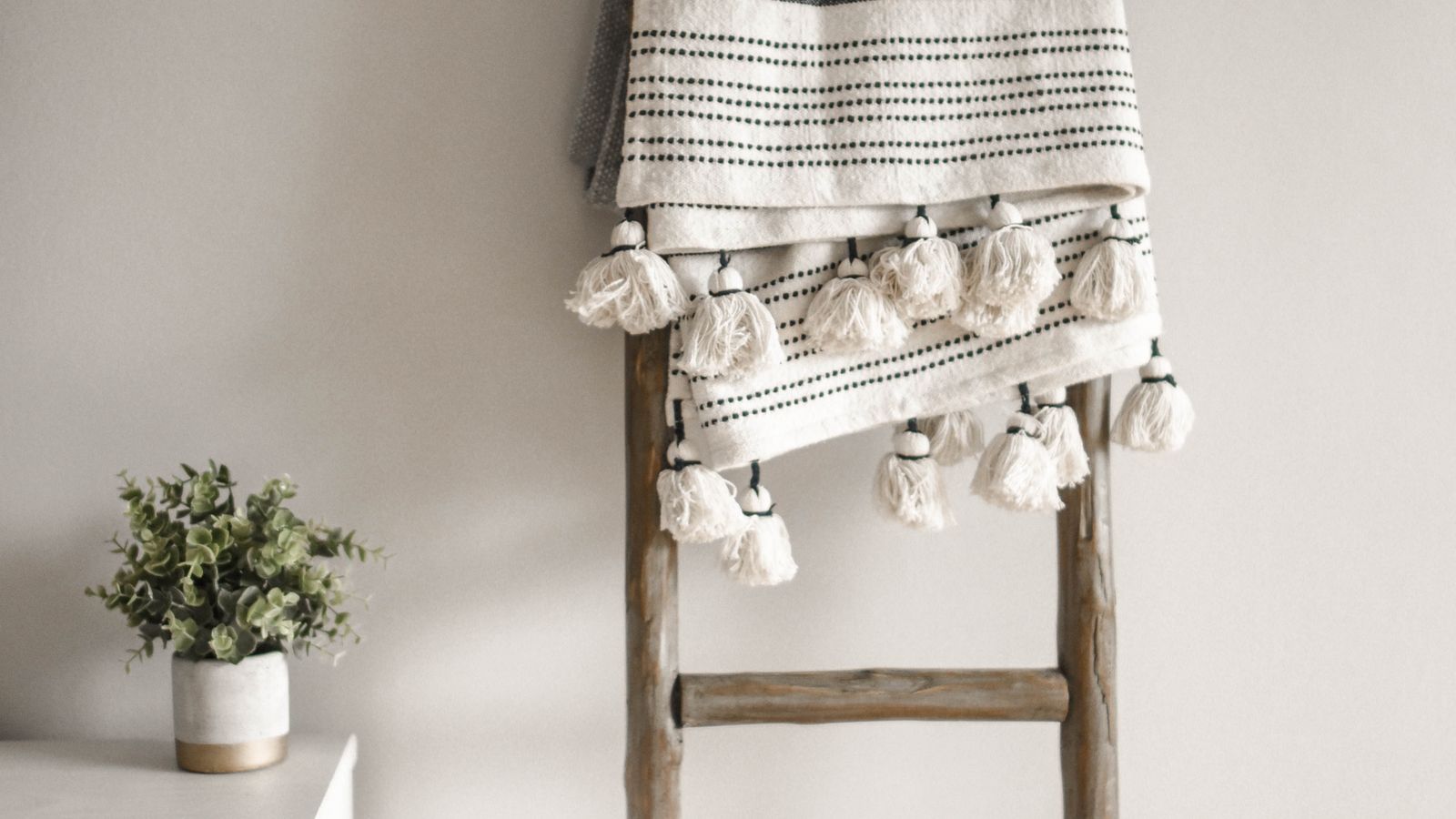
- Do I have at least one woven or knit texture (throw, basket, rug)?
- Is there a matte-vs-glossy contrast somewhere (a matte ceramic piece against a glossy tray)?
- Have I introduced a natural material – wood, rattan, stone, or a live plant?
Step 4: Layer in Function Before Decoration
A scheme still has to serve daily life. Before you buy purely decorative items, map out what each surface needs to do. A coffee table needs a spot for drinks and a tray to corral remotes. A dining table needs protection and easy cleanup. This is where practical accents earn their place in the scheme rather than competing with it.
For example, a set of best placemats can double as a texture and color accent on a dining table while doing the actual job of protecting the surface – a small purchase that reinforces your palette instead of working against it. Similarly, a well-chosen set of decorative bowls gives you a landing spot for keys, fruit, or catch-all clutter while also functioning as a sculptural accent in your 10% color tier.
Step 5: Build Around Focal Points, Room by Room
Rather than decorating an entire home at once, identify one focal point per room and build outward from there.
Living Room
The focal point is usually the seating arrangement or a media wall. Anchor the palette with the sofa, then layer rugs, throws, and wall art in your secondary and accent colors.
Dining Room
The table is your stage. Table linens, a centerpiece, and place settings are the fastest way to bring your scheme to a room without touching furniture.
Bedroom
The bed is the anchor. Coordinate your bedding with wall color, then use nightstand accessories and lighting to complete the layering.
Kids’ Rooms or Playrooms
These spaces benefit from a scheme that’s flexible and fun rather than strict. Playful lighting, like projector lamps for kids, can serve as both a functional night-light and a color or mood accent that ties a child’s room back into the broader home palette without forcing it to match the living room exactly.
Step 6: Set a Realistic Budget and Sequence
Trying to finish a decor scheme in one shopping trip is a common source of buyer’s remorse. Instead, sequence your purchases:
- Big-ticket anchors first: Sofa, rug, bed frame – items that define the room’s scale and color base.
- Mid-tier functional pieces next: Lighting, storage, dining accessories.
- Small accents last: Pillows, art, decorative objects – these are cheap to swap and easy to experiment with.
This order matters because small accents are the easiest and cheapest to change later. If you buy them first, you risk locking yourself into a direction before the big pieces are settled.
A Simple Budget Split
- 50% – furniture and large fixed items
- 30% – lighting, textiles, and functional accessories
- 20% – decorative accents and finishing touches
Step 7: Test Before You Commit
Before finalizing any scheme, live with your choices for a short trial period:
- Tape paint swatches directly on the wall and check them morning, afternoon, and evening.
- Lay out a small rug sample or fabric swatch on the floor for a few days.
- Photograph the room and view it on your phone – photos often reveal color clashes the eye misses in person.
Common Mistakes to Avoid
- Matching instead of coordinating: A scheme that’s too matchy-matchy (same fabric on every surface) can feel flat rather than curated.
- Ignoring scale: A palette works in theory but fails if furniture is too large or too small for the room.
- Skipping lighting: Even the best color scheme looks wrong under the wrong bulb temperature – warm white (2700K-3000K) generally suits residential spaces better than cool white.
- Buying accents before anchors: Small purchases made first often don’t fit the bigger pieces chosen later.
Keeping the Scheme Cohesive Over Time
A decor scheme isn’t a one-time project – it evolves as you add or replace pieces. To keep it cohesive:
- Keep your palette notes (paint names, fabric swatches) in one place so future purchases stay consistent.
- Introduce seasonal accents through your 10% accent tier only, so the core scheme stays stable year-round.
- Revisit the room every few months and remove anything that no longer fits – decor schemes benefit from subtraction as much as addition.
Frequently Asked Questions
How many colors should a home decor scheme have?
Most successful schemes use three to five colors total, following the 60-30-10 principle for balance, with one or two additional neutral tones for flexibility.
Do I need to decorate every room the same way?
No. A cohesive home usually shares a common thread – a repeated material, color family, or style – rather than identical decor in every room. Bedrooms and kids’ spaces especially benefit from their own personality within that shared thread.
What should I buy first when starting a scheme?
Start with the largest, most expensive, and hardest-to-change items – sofas, rugs, and bed frames – before moving to lighting and finally small accents.
How do I keep a decor scheme from feeling boring?
Vary your textures and introduce at least one unexpected element – a bold accent color, an interesting light fixture, or a textured throw – within your established palette.
Can I mix decorating styles within one scheme?
Yes, as long as color and material choices stay consistent. Many modern homes successfully blend styles like modern and traditional by keeping the palette and key materials unified.
Final Thoughts
Getting started with a home decor scheme is less about talent and more about sequence: anchor first, palette second, texture third, function fourth, and accents last. Following this order keeps decisions manageable and prevents the common trap of buying pretty things that don’t work together. Take it room by room, test before you commit, and let the scheme evolve naturally as your home and needs change.