
Ambient lighting has become one of the easiest ways to transform a plain bedroom or living room into a cozy retreat, and two of the most popular pieces right now are the Himalayan salt lamp and the star projector. Both cast a warm, atmospheric glow, but they serve different purposes and, if placed carelessly, can clash instead of complement each other. This guide walks you through a step-by-step process for organizing a home decor scheme that blends both light sources into one cohesive, relaxing space.
Why Pair a Salt Lamp with a Star Projector?
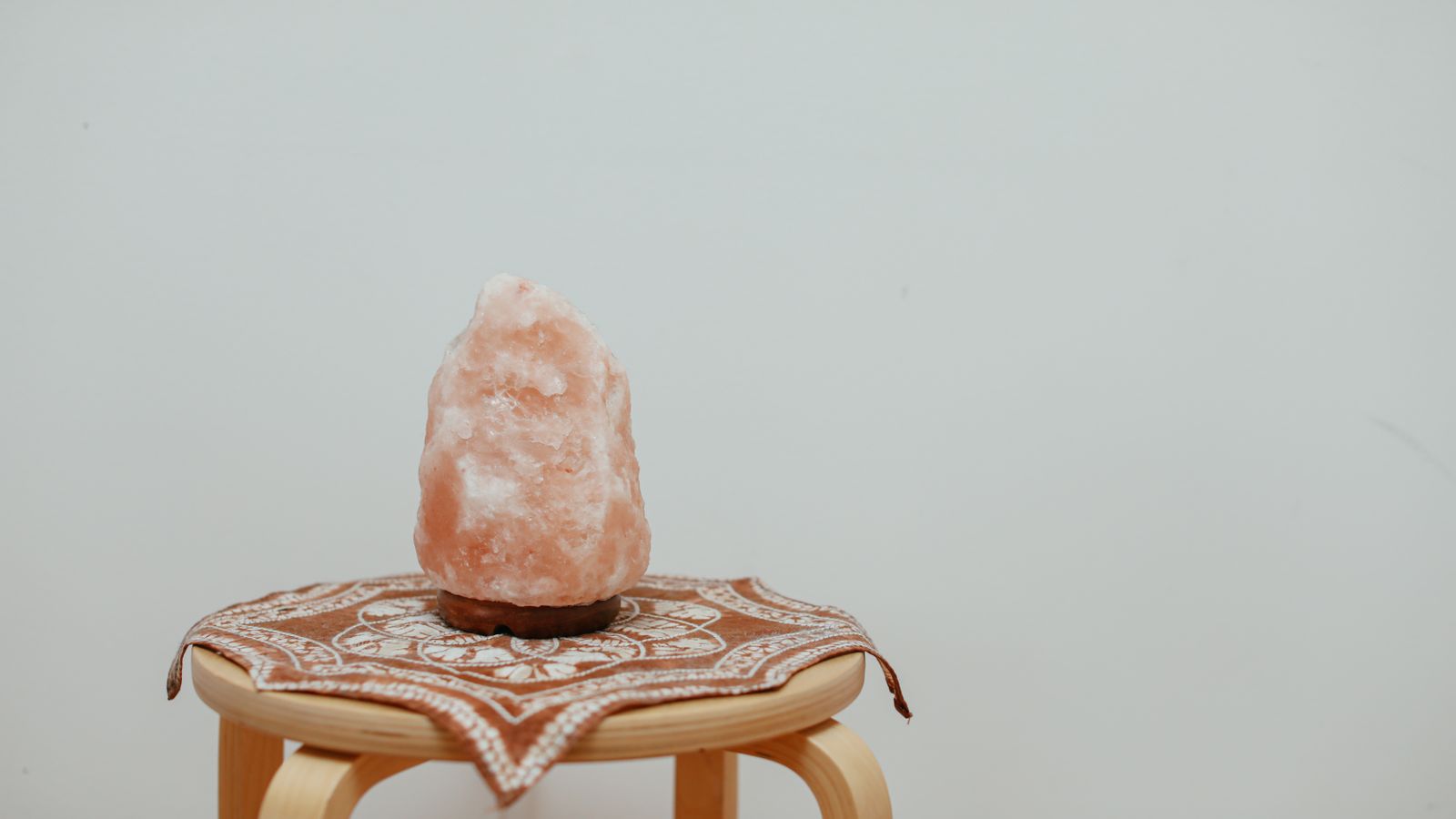
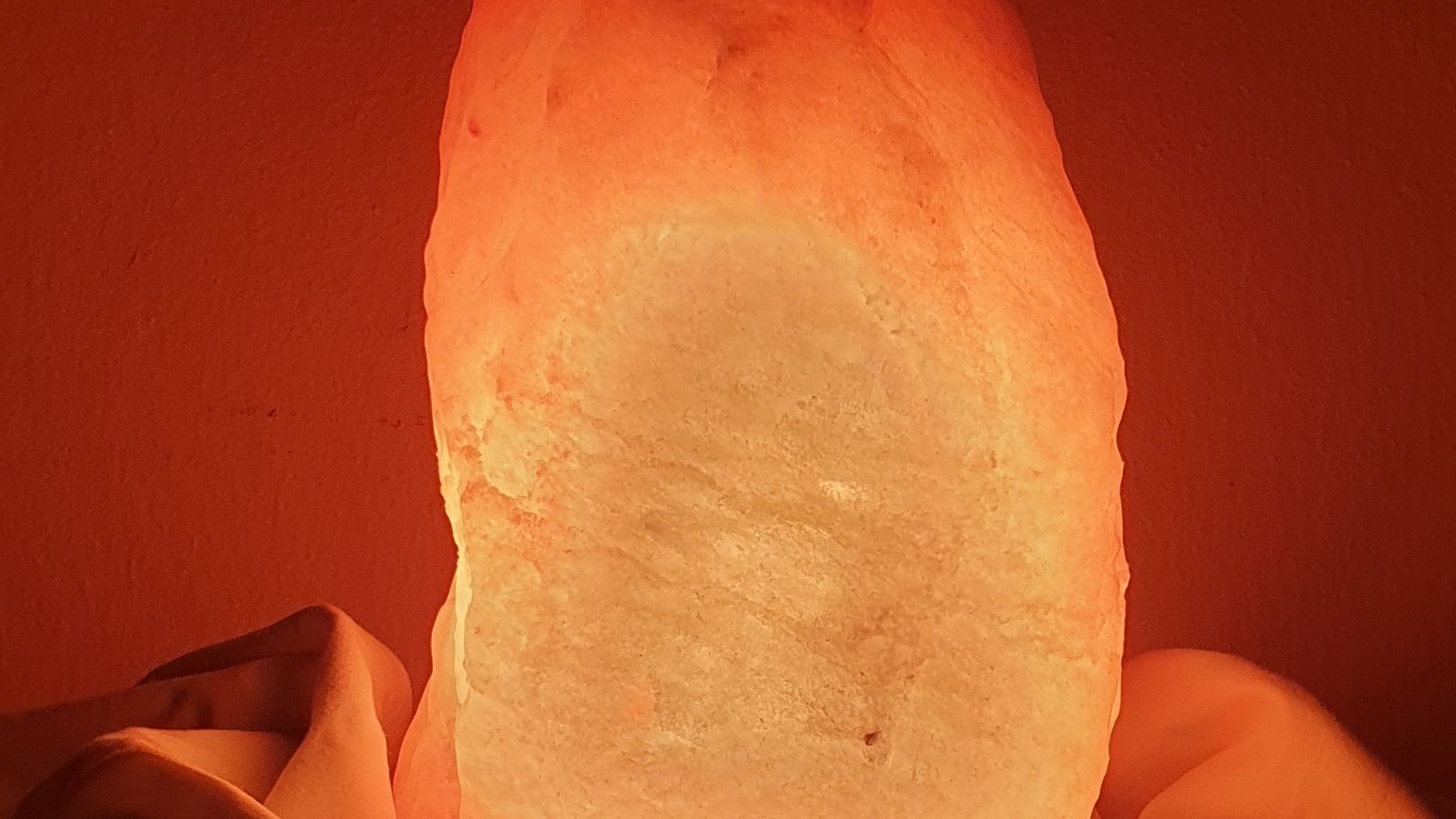
A salt lamp gives off a steady, amber-toned glow that works well as ambient or accent lighting. It sits low, close to a nightstand or shelf, and creates a warm pool of light rather than illuminating a whole room. A star projector, on the other hand, throws moving light patterns – stars, nebulas, or waves – across the ceiling and walls, adding a dynamic, almost theatrical layer to the room. Together they create depth: the salt lamp anchors the space with a grounded, static warmth, while the projector adds motion and visual interest overhead. The trick is balancing the two so neither one overwhelms the other.
Step 1: Assess the Room’s Layout and Light Needs
Before buying or placing anything, walk through the room and note where natural light enters, where you spend the most time sitting or lying down, and which walls or ceiling areas are free of clutter. Bedrooms are the most common spot for this combo because both fixtures work best in low ambient light. Living rooms and reading nooks also work, provided you can dim or turn off overhead lighting when you want the effect to show.
Ask yourself:
- Do you want a subtle, always-on warm glow, or a nightly “light show” you switch on before bed?
- Is there a flat, unobstructed ceiling area for the projector’s pattern to land on?
- Do you have a stable, heat-safe surface – a nightstand, dresser, or shelf – for the salt lamp?
Step 2: Choose the Right Salt Lamp for the Space
Salt lamps come in different sizes, shapes, and wattages, and picking the wrong one can throw off your whole scheme. A small 5-7 lb lamp suits a nightstand or bookshelf, while larger 10-15 lb lamps work better as a statement piece on a console table or floor stand. If you’re not sure which style fits your room’s color palette and size, it helps to browse a curated list of salt lamps before settling on one, since bulb wattage and base material both affect how the glow reads in a room.
Keep these selection criteria in mind:
- Color tone: Darker pink or orange crystals produce a deeper amber glow; lighter crystals give a softer, paler light.
- Base material: Wood bases feel rustic and blend into natural or boho decor; metal or resin bases suit more modern rooms.
- Size relative to surface: The lamp should look proportional to the furniture it sits on – not dwarfed by a large dresser or overwhelming a small side table.
Step 3: Pick a Star Projector That Matches Your Vibe
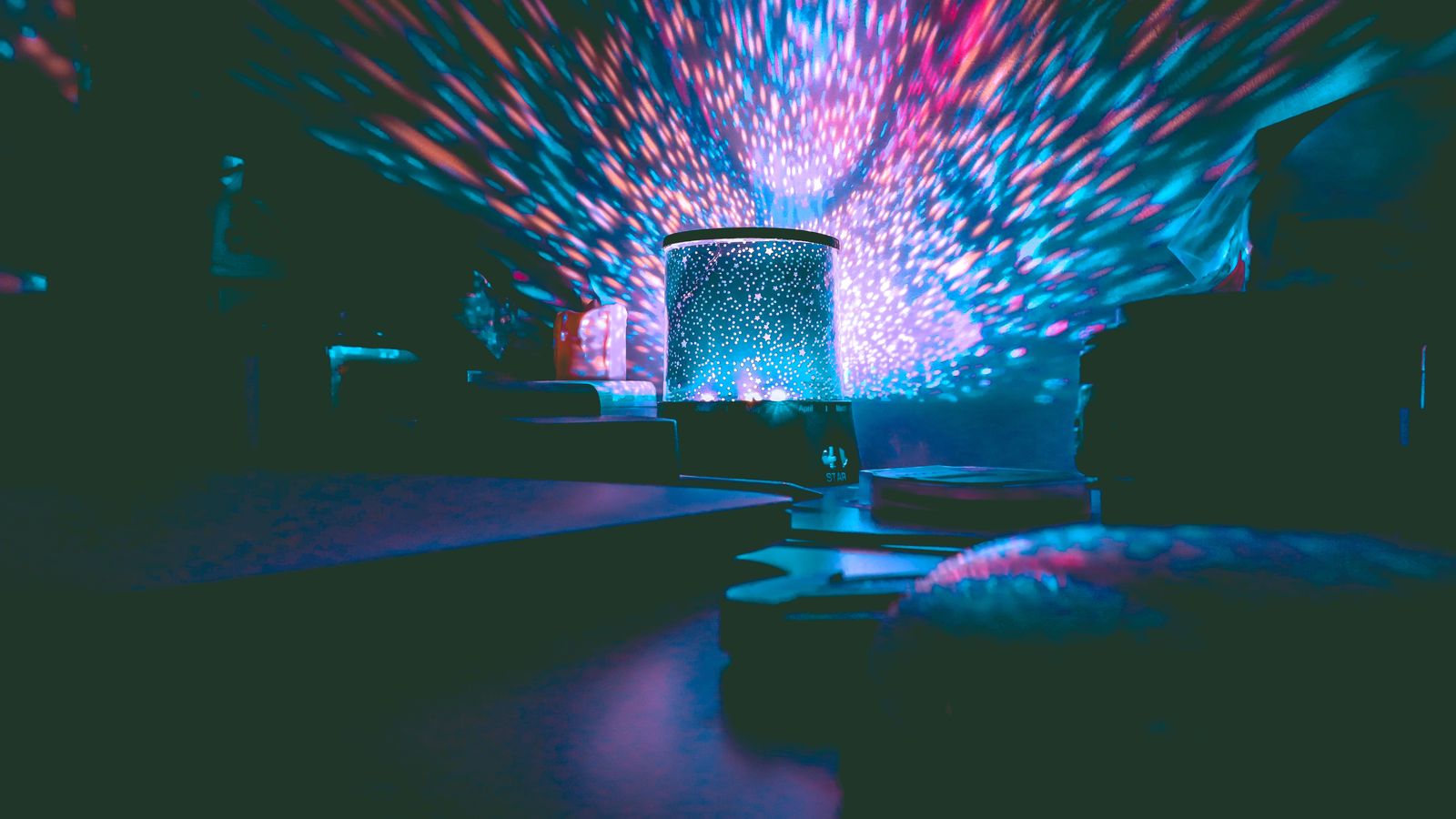
Star projectors range from simple single-color star fields to multi-color galaxy projectors with nebula clouds, moving waves, and Bluetooth speakers built in. For a calm, minimalist decor scheme, a single-tone white or blue star projector keeps things understated. For a more playful or kids’ room setup, a multi-color galaxy projector with adjustable brightness and rotation speed adds more visual energy. Comparing a few models side by side – projection distance, timer settings, remote control options – makes it easier to find one that fits both your ceiling height and your room’s mood. A roundup of star projectors is a useful starting point if you want to compare coverage area and color options before deciding.
Step 4: Plan the Placement Together
Once you have both pieces, think of them as two separate light layers rather than one combined fixture.
- Place the salt lamp at a low, fixed point. A nightstand, dresser top, or floating shelf about waist to chest height works best. This keeps its warm glow in your peripheral vision without competing with the ceiling projection.
- Position the projector for maximum ceiling and wall coverage. Most units project best from 6-10 feet away and slightly below the ceiling line – a dresser top, desk, or floor stand across the room usually works. Avoid placing it directly next to the salt lamp, since the two glows can blend into a muddy color instead of two distinct layers.
- Angle the projector away from your direct line of sight when lying down so the light lands on the ceiling and upper walls rather than shining into your eyes.
- Test both together at night before committing to permanent placement. Turn off overhead lights and see how the amber salt lamp glow and the projector’s moving pattern interact – adjust distance or angle until they feel balanced rather than competing.
- Add supporting decor – a woven basket, dried florals, or a small wreath hung nearby – to tie the lit corner into the rest of the room’s style without adding more light sources.
Step 5: Layer in Supporting Decor
A salt lamp and star projector are focal points, but they work best inside a room that already has a cohesive color story. Stick to a muted, neutral base – wood tones, soft linens, cream or sage walls – so the warm amber and cool projector colors have room to stand out instead of fighting with bold wallpaper or bright accent walls. Natural textures like rattan, cotton throws, and dried botanicals pair especially well with a salt lamp’s earthy tone, while the star projector’s cosmic pattern suits a slightly more minimalist, uncluttered backdrop.
Safety Notes
- Always place the salt lamp on a heat-resistant coaster or tray – the crystal can sweat in humid rooms and the base can get warm during extended use.
- Keep both devices away from bedding, curtains, and other flammable fabric, with at least a few inches of clearance on all sides.
- Use the star projector’s built-in timer (if available) so it powers down automatically rather than running all night unattended.
- Unplug or switch off the salt lamp if you’ll be away from home for an extended period, especially with bulb-style units.
- Keep cords tucked along baseboards or behind furniture to avoid a tripping hazard, particularly in a child’s room.
Common Mistakes to Avoid
- Placing both fixtures too close together. This blends the warm and cool light into a washed-out color instead of two distinct layers.
- Skipping a test run at night. Daytime placement can look fine but feel completely different once the room is dark and both lights are on.
- Choosing a projector that’s too small for the room. A weak projection distance means the star pattern barely reaches the ceiling, losing the immersive effect.
- Ignoring the room’s existing color palette. Bright or heavily patterned walls can clash with both the salt lamp’s amber tone and the projector’s colors.
- Forgetting cord management. Two extra plugged-in devices can quickly create a cluttered, tangled corner if cords aren’t hidden or bundled.
Frequently Asked Questions
Can I run a salt lamp and a star projector at the same time every night?
Yes, most salt lamp bulbs and star projector LEDs are designed for regular nightly use. Just make sure both devices have proper ventilation and aren’t covered by fabric or clutter, and consider using a timer for the projector to limit continuous runtime.
Where’s the best spot for a salt lamp in a bedroom?
A nightstand or low dresser near the bed works best, since it keeps the glow at eye level when you’re lying down and away from anything that could tip it over.
Will the star projector’s light wash out the salt lamp’s glow?
Not if they’re spaced apart. Keeping a few feet of distance between the two, and angling the projector toward the ceiling rather than directly at the lamp, lets both light sources stay visually distinct.
Do I need a dimmable bulb for the salt lamp?
It’s not required, but a dimmable or lower-wattage bulb gives you more control over how strong the amber glow is relative to the projector’s pattern, which is helpful for fine-tuning the overall mood of the room.
What decor style pairs best with this combo?
Boho, minimalist, and Scandinavian-inspired rooms tend to work especially well, since their neutral palettes and natural textures let both the salt lamp’s warmth and the projector’s cosmic pattern stand out without competing with busy patterns or bright colors.
Final Thoughts
Organizing a home decor scheme around a salt lamp and star projector comes down to intentional placement and a supporting color palette that lets both light sources shine without competing. Start by assessing your room’s layout, choose fixtures sized appropriately for your space, test the combination at night before finalizing placement, and round it out with a few natural textures and accents. Done thoughtfully, this pairing turns any bedroom or reading nook into a calm, atmospheric retreat you’ll want to switch on every evening.