If your kitchen counter space is already stretched thin, adding an instant hot water dispenser can feel like a gamble. Pick the wrong unit and you end up with a bulky tank crowding your sink, a tangle of tubing under the cabinet, or a dispenser that simply can’t keep up with your morning tea rounds. Pick the right one, though, and you get near-boiling water on demand without sacrificing an inch of usable counter or cabinet room. This guide walks you through the exact steps to evaluate, measure, and select an instant hot water dispenser that actually fits a small kitchen – plus the safety notes and common mistakes worth avoiding before you commit to a purchase.
What You’ll Need Before You Start
Before comparing models, gather a few basics so you can shop with real numbers instead of guesswork:
- A tape measure for your sink deck, cabinet interior, and any existing faucet holes
- A flashlight to check under-sink clearance around your garbage disposal, water lines, and outlets
- Your household’s typical hot water usage (cups per day, or people who use it regularly)
- Access to your electrical panel info, if the unit requires a dedicated outlet or hardwiring
- A notepad or phone to jot down measurements as you go
Having this information on hand keeps you from falling for a dispenser that looks great online but simply won’t fit once it arrives.
Step 1: Measure Your Available Space Carefully
Small-space kitchens usually have two constraints: countertop real estate above the sink deck, and cabinet volume below it. Most instant hot water systems split into two parts – a slim faucet that mounts on the counter or sink deck, and a tank or heating unit that lives underneath. Measure both areas separately.
For the countertop, you need enough clear space beside your main faucet for a second, smaller spout – usually a 1.5 to 2 inch diameter hole is enough. Under the sink, check the depth, width, and height available once you account for your disposal unit, P-trap, and any water filter housings already in place. Many compact tanks measure around 11 to 13 inches tall and 6 to 7 inches in diameter, which fits in most standard 24-inch base cabinets, but corner cabinets or shallow vanities can be tighter than expected.
Step 2: Decide Between a Tank Unit and a Tankless Model
This is the single biggest decision for small spaces. Tank-style dispensers keep a small reservoir of water hot at all times, ready to pour instantly, but they take up permanent cabinet space and use a bit of standby electricity around the clock. Tankless (on-demand) units heat water only as it flows through, so they take up less physical room and use less idle energy, but they typically cost more upfront and may have a slightly slower initial flow while the heating element engages.
If your under-sink cabinet is already crowded with a garbage disposal, water softener line, or recycling bin, a tankless model is usually the better fit simply because the footprint is smaller. If you have a bit more room and want the fastest possible pour without any lag, a compact tank unit still works well.
Step 3: Check Faucet Footprint and Mounting Style
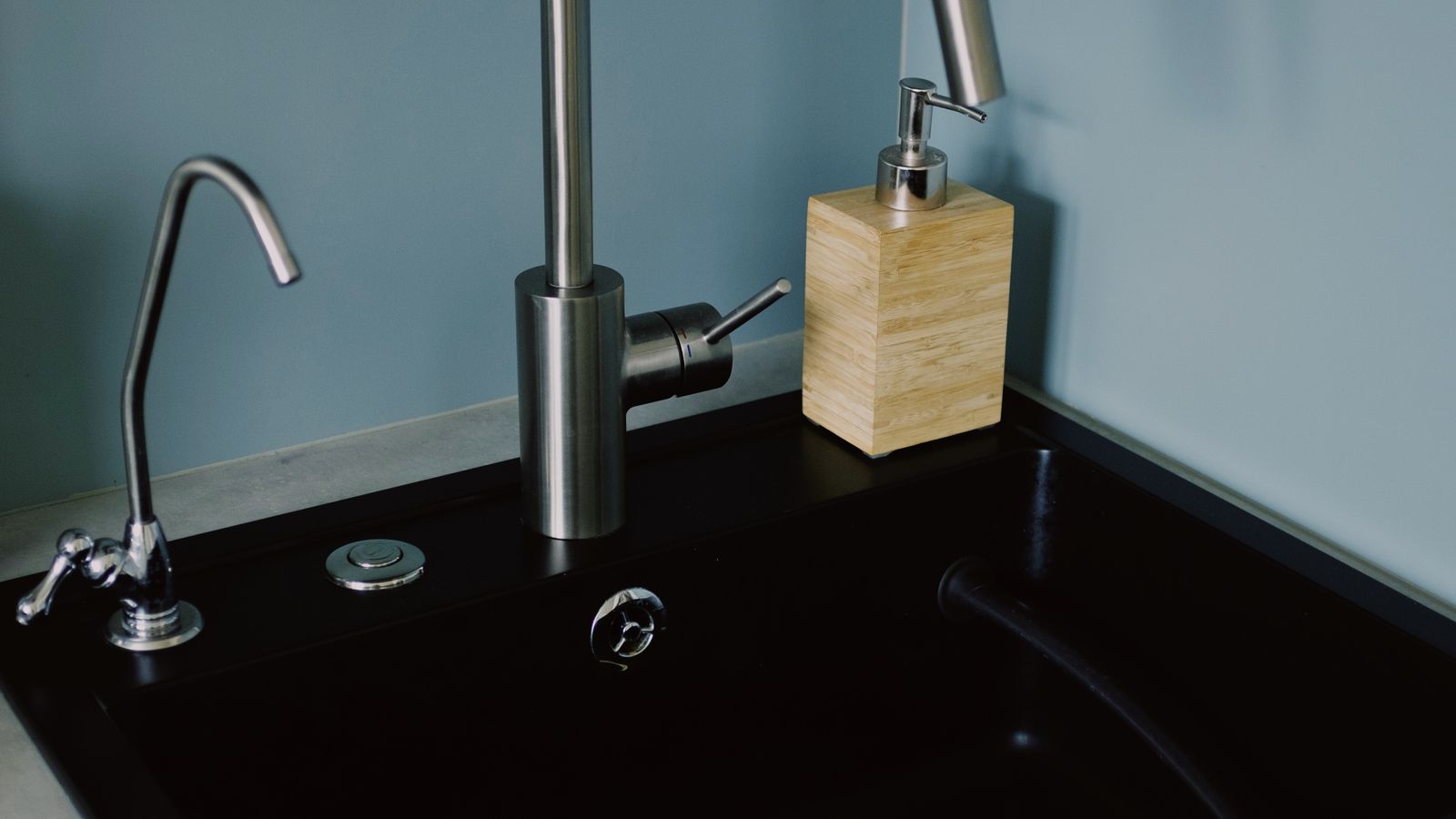
Even the water heater unit under the sink is small, the visible faucet still needs to coexist with your main kitchen faucet, soap dispenser, and possibly a separate filtered water spout. Look for slim, single-lever faucet designs rather than wide two-handle styles – they take up less linear space along the sink deck and are easier to reach one-handed while you’re holding a mug or a French press.
Some manufacturers also offer combination faucets that handle both hot dispensing and regular cold/filtered water from one spout, which can save you from drilling an extra hole altogether if your sink deck is already at capacity.
Step 4: Match Tank Capacity to Your Actual Usage
Small-space dispensers usually range from around 32 ounces up to 90 ounces of stored hot water. If you mainly use it for single cups of tea, instant coffee, or oatmeal, a smaller 32 to 48 ounce tank recovers quickly enough between uses. If you regularly need multiple cups back-to-back – for a household of four or more, or for cooking tasks like blanching vegetables – size up toward 60 to 90 ounces, or lean toward a tankless model that doesn’t run out at all since it heats water continuously as it flows.
Step 5: Confirm Power and Installation Requirements
Most compact dispensers plug into a standard outlet, but some higher-capacity models require a dedicated 120V circuit or even hardwiring, especially if they’re rated above 1,500 watts. Before buying, check:
- Whether there’s an existing outlet inside or near your sink cabinet
- The unit’s wattage and whether it needs a dedicated circuit
- Whether the water line connects to your cold supply via a simple saddle valve or requires a proper T-fitting
- Whether installation is truly DIY-friendly or better left to a plumber, particularly for hardwired or high-wattage models
Skipping this step is one of the most common reasons small-space installs stall halfway through – the unit arrives, but there’s no outlet in reach and the cord won’t stretch.
Step 6: Look at Temperature Range and Safety Features
Instant hot water dispensers typically heat water anywhere from about 140°F up to near-boiling around 212°F. For small kitchens shared with kids or frequent guests, prioritize models with:
- A child-safety lock or two-step lever that prevents accidental activation
- Adjustable temperature dial so you’re not stuck at max heat for every use
- An anti-drip spout to avoid pooling water on a tight counter
- Automatic shutoff or leak detection, which matters more in cramped cabinets where a slow drip can go unnoticed
Because these dispensers deliver water hot enough to cause burns instantly, safety features aren’t optional extras in a small kitchen where the spout may be closer to elbows, sleeves, or curious hands.
Common Mistakes to Avoid
- Buying based on countertop footprint alone. The faucet may look tiny in photos, but the tank underneath is what actually determines whether it fits your cabinet.
- Ignoring existing outlet placement. A unit that needs a dedicated circuit can turn a weekend project into an electrician visit.
- Oversizing the tank “just in case.” A larger tank eats cabinet space you may need for cleaning supplies or trash bins – match capacity to real usage instead of worst-case guessing.
- Skipping the manual on temperature settings. Running every dispenser at maximum heat wastes energy and increases burn risk for no real benefit on most everyday tasks.
- Forgetting about water line access. If your cold supply line is already crowded with a filter or softener connection, confirm there’s a compatible tap-in point before you buy.
Alternatives Worth Considering
If a dedicated dispenser still feels like too much for your space, it’s worth comparing it against other appliances that solve a similar problem. A standalone point of use water heater can serve double duty for both drinking water and light kitchen tasks without a second faucet hole, while a countertop speed oven can handle rapid reheating jobs that don’t strictly need boiling water. Either option might free up under-sink space if your layout is especially tight.
Frequently Asked Questions
Do instant hot water dispensers need a special outlet?
Most compact models plug into a standard grounded outlet, but higher-wattage or larger-capacity units may require a dedicated circuit. Always check the wattage rating before purchase and confirm outlet availability under your sink.
Can I install one without a plumber?
Many compact tank models are designed for DIY installation with basic tools and a saddle valve, but tankless or hardwired units, along with anything that ties into an existing filtration system, are usually safer left to a licensed plumber.
How much counter space does a dispenser really need?
The visible faucet itself is small, typically requiring only a single mounting hole roughly 1.5 to 2 inches wide. The real space consideration is under the counter, where the tank or heating unit sits.
Is a tankless model always better for small kitchens?
Not necessarily. Tankless units save cabinet space and standby energy, but tank models often deliver a slightly faster initial pour. Choose based on your available cabinet room and how many cups you need back-to-back.
What temperature should I set for everyday use?
Around 190°F is typically hot enough for tea and instant coffee, while true boiling is best reserved for specific cooking needs. Lowering the default temperature also reduces burn risk in shared kitchens.
Final Thoughts
Choosing the right instant hot water dispenser for a small kitchen comes down to careful measuring, matching tank size to real usage, and confirming your electrical and plumbing setup before you buy – not after the box arrives. Once you’ve nailed down those basics, browsing a curated list of instant hot water dispensers becomes a much faster process, since you’ll already know exactly which sizes and mounting styles will actually work in your space.