Fabric softener sits on a laundry room shelf for months at a time, so how you store it matters more than most people realize. A bottle that is capped loosely, left in direct sunlight, or squeezed next to a hot dryer can separate, thicken, or lose its scent long before you run out of it. If you have ever poured out a lumpy, watery, or oddly smelling softener, storage – not the product itself – was probably the culprit. This guide walks through exactly how to store fabric softener the right way, from choosing a spot to spotting the signs it has gone bad.
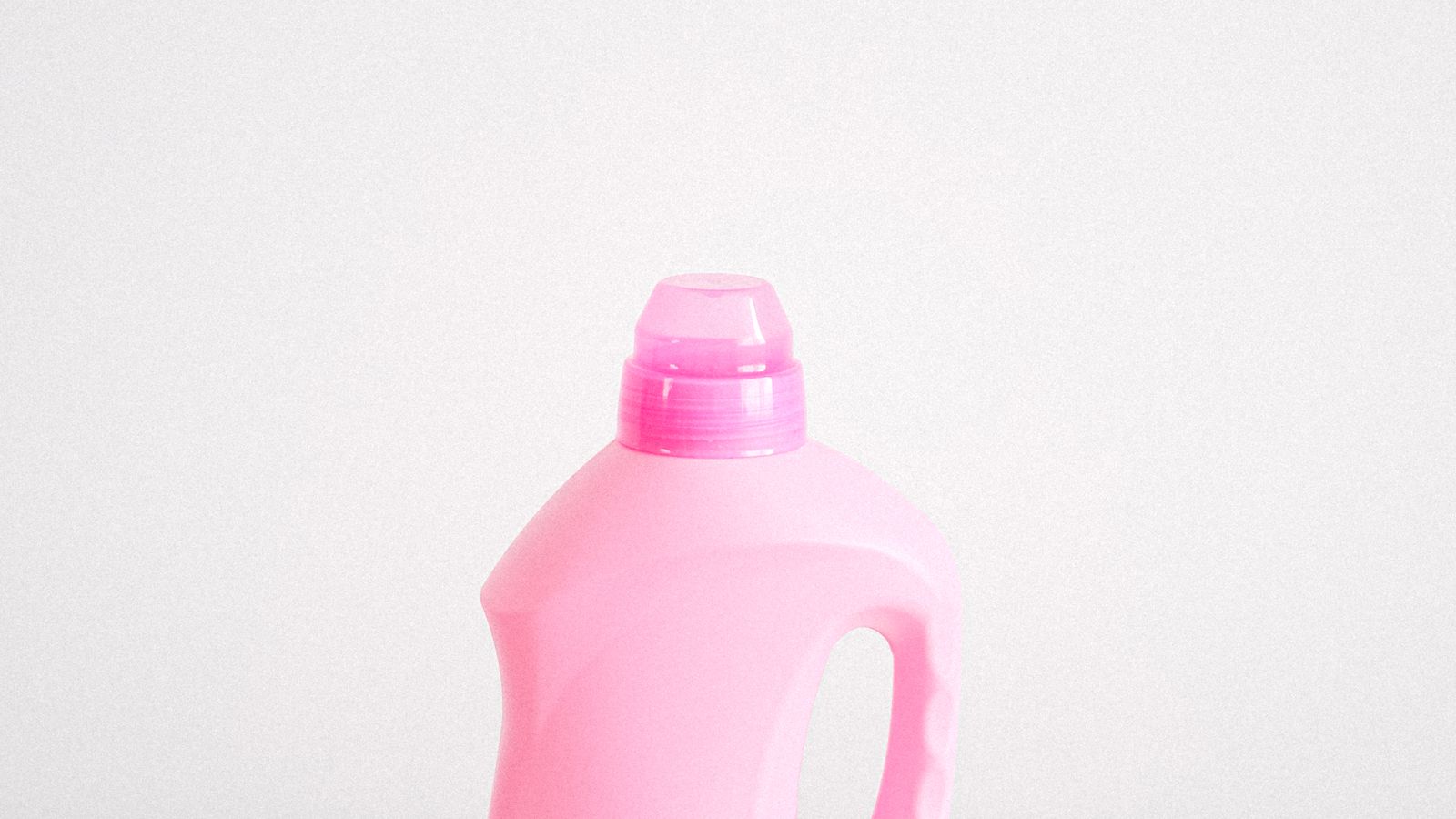
Why Proper Storage Actually Matters
Fabric softener is an emulsion – a careful blend of conditioning agents, fragrance oils, and water designed to stay smooth and pourable. That balance is fragile. Heat speeds up the breakdown of the emulsion, causing the mixture to separate into a thin, watery layer and a thicker, waxy layer. Cold can do the opposite, causing certain ingredients to solidify or become cloudy. Light, especially direct sunlight, degrades fragrance oils and can fade the dye used to color the liquid. None of this makes the softener dangerous to use, but it does make it far less effective – you get streaky residue, faint or no scent, and inconsistent softening from load to load.
Good storage habits also protect your laundry room itself. A softener bottle with a loose or cracked cap can leak onto shelving, flooring, or nearby appliances, leaving a sticky film that attracts dust and is annoying to clean. Taking a few minutes to store it correctly saves you money, keeps your laundry routine consistent, and protects the surfaces around it.
What You’ll Need
- The fabric softener bottle with its original cap or pour spout
- A dedicated shelf, cabinet, or bin away from heat sources
- A small tray or bin to catch drips (optional but helpful)
- A permanent marker for labeling refill or opened dates
- A funnel, if you plan to transfer softener into a smaller dispenser bottle
How to Store Fabric Softener Step by Step
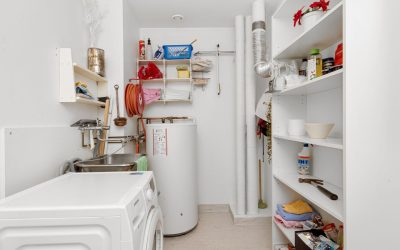
- Pick a cool, dry, shaded spot. Room temperature between about 50 and 80 degrees Fahrenheit is ideal. A closed cabinet, a laundry room shelf away from a window, or a linen closet all work well. Avoid garages or sheds that swing between hot and freezing temperatures across seasons, since repeated temperature swings do more damage than a single hot day.
- Keep it away from the dryer and water heater. These appliances radiate heat even when idle, and a shelf directly above or beside them can sit 10-20 degrees warmer than the rest of the room. Move softener to a shelf on the opposite wall or inside a cabinet with a door if space allows.
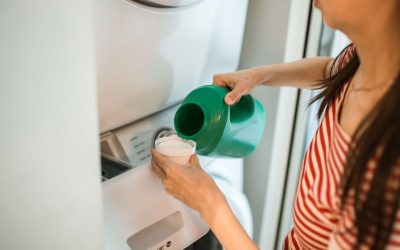
- Seal the cap tightly after every use. A loose cap lets air in, which speeds up evaporation of fragrance and thins out the concentration over time. Give the cap a firm quarter-turn after pouring, and wipe any drips off the spout so it seals cleanly next time.
- Store the bottle upright. Laying a softener bottle on its side, even briefly, increases the chance of leaks around the cap threads and can let air pool inside the neck, which accelerates separation.
- Keep it out of direct sunlight. UV exposure breaks down fragrance oils and can bleach the color of the liquid. If your laundry area gets strong afternoon sun through a window, move softener into a cabinet or behind a curtain rather than leaving it on an open sill.
- Label transfer containers. If you decant softener into a smaller pump bottle or dispenser for convenience, label it with the product name and the date you filled it. Unlabeled decanted liquids are a common source of mix-ups, and they also make it harder to track how long that batch has been open.
- Store concentrated formulas with extra care. Concentrated or “ultra” fabric softeners are more sensitive to temperature swings because they contain less water to buffer the active ingredients. Keep these in the most temperature-stable spot you have, and consider diluting only the amount you need per load rather than pre-mixing a large batch.
- Rotate stock if you buy in bulk. If you keep a backup bottle in storage, use the older bottle first (first-in, first-out) so nothing sits unused for a year or more. Write the purchase date on the bottom with a marker so it’s easy to tell which one to grab.
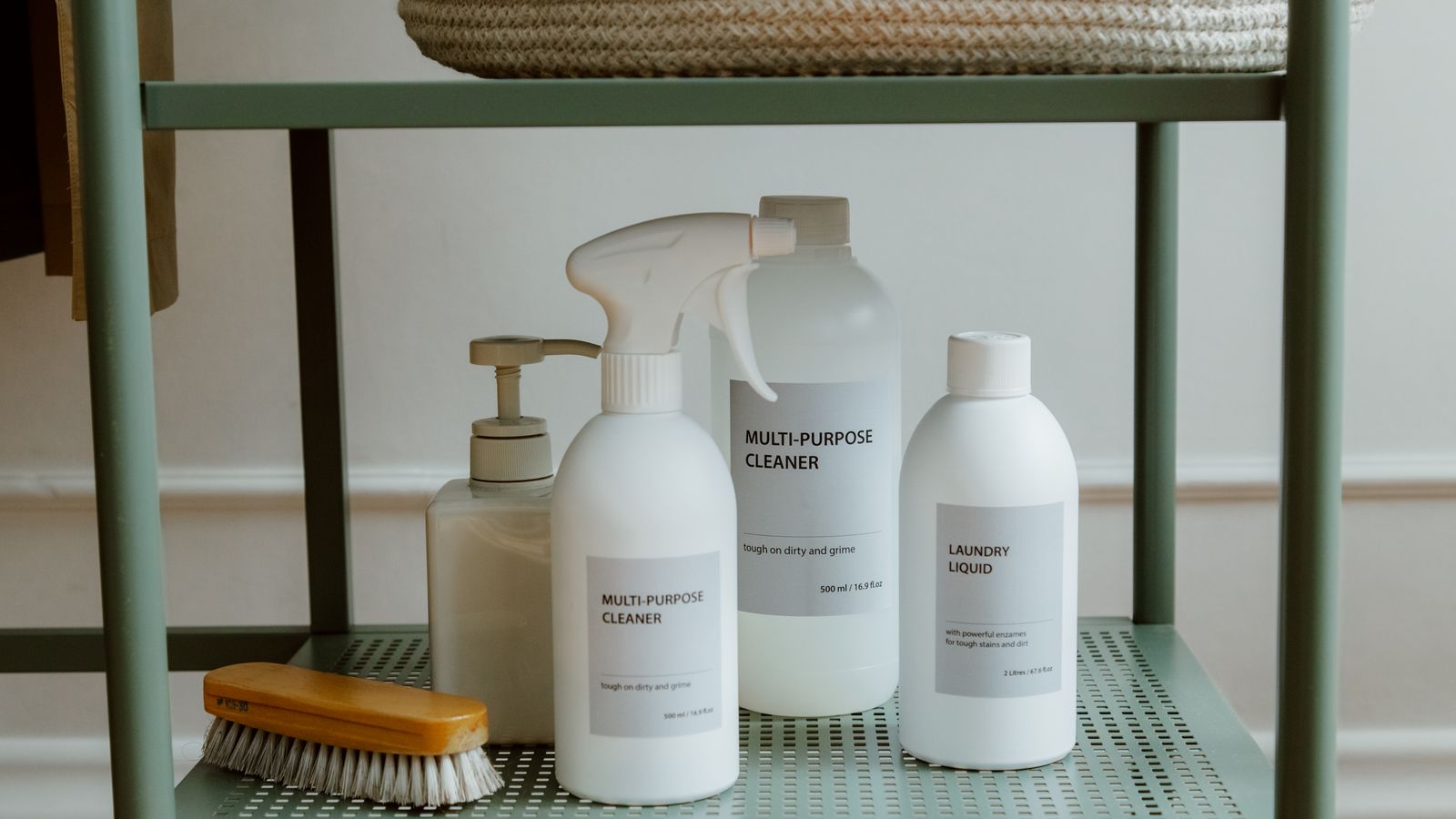
Safety Notes
- Keep fabric softener out of reach of children and pets – the bright colors and pleasant fragrance can make bottles tempting to handle, and the concentrated liquid is not meant to be ingested.
- Store away from open flames or pilot lights, since some fragrance components are flammable in concentrated form.
- Never mix leftover fabric softener with other cleaning products, even for storage convenience – combining chemicals, even accidentally through residue in a shared container, can create unwanted reactions.
- If a bottle leaks or the cap cracks, transfer the remaining softener to a clean, sealable container rather than leaving it exposed on a shelf.
Common Mistakes to Avoid
Storing It Above or Beside the Dryer
This is the single most common mistake, mostly because it is the most convenient spot. The dryer’s exhaust and motor generate heat that lingers even between cycles, and that ambient warmth is enough to gradually degrade a bottle sitting just a foot or two away. Move it to a cooler shelf, even if it means an extra step when you’re doing laundry.
Leaving the Cap Loose “Just for Now”
It’s tempting to leave the cap resting on top rather than fully sealed when you’re in the middle of laundry day. Over weeks, though, this habit lets in air and moisture that thin out the formula and can allow dust or lint to settle into the pour spout.
Buying More Than You’ll Use in a Year
Bulk sizes are cost-effective, but fabric softener does have a practical shelf life – generally around one to two years once opened, depending on the formula. If a large bottle will sit unused for many months after opening, consider splitting it: keep a working bottle out and store the rest, still sealed, in the coolest, darkest spot available.
Ignoring the Warning Signs
A softener that has separated into layers, developed a sour or “off” smell instead of its usual fragrance, or turned noticeably darker or cloudier has likely broken down. Give the bottle a firm shake – light separation often re-blends fine – but if the texture stays lumpy or the smell is unpleasant, it’s time to replace it rather than risk uneven results on your laundry.
Storage Tips for Small Spaces
Not every laundry setup has room for a full shelf of supplies. If you’re working with a stackable washer-dryer combo or a shared utility closet, a slim over-the-door organizer or a small bin sized to hold just one or two bottles keeps softener upright, contained, and away from direct heat. A shallow tray underneath catches any drips and protects the cabinet floor. For households that also sew or mend fabric regularly, keeping laundry care products and craft supplies on separate shelves – rather than crowded together – makes both areas easier to keep organized, and pairs well with a dedicated space for your sewing machine and related notions.
When Your Storage Setup Isn’t Working
If you’ve tried adjusting the shelf location and your fabric softener still seems to degrade quickly, the room itself may be the issue – some laundry rooms simply run hot, especially those with older, vented dryers that push residual heat back into the space. Upgrading to one of the best ventless dryers can noticeably lower ambient heat and humidity in a small laundry area, which benefits not just your softener but any other liquid detergents or cleaning supplies stored nearby. It’s a bigger investment than rearranging a shelf, but worth considering if heat buildup is a recurring problem.
Choosing a Softener That Stores Well
Some formulas are simply more stable in storage than others. Concentrated and “ultra” versions tend to be more sensitive to temperature swings, while standard-dilution softeners generally hold up longer on an average shelf. If you’re shopping for a new option and want one that’s easy to store and use consistently, browsing a roundup of the best fabric softeners is a good place to compare formulas, scents, and packaging before you buy.
Frequently Asked Questions
Can fabric softener freeze?
Yes. Temperatures near or below freezing can cause the emulsion to separate or thicken into a gel-like texture. If a bottle has frozen, let it warm to room temperature slowly and shake it thoroughly before using – discard it if the texture doesn’t return to normal after shaking.
Does fabric softener expire?
It doesn’t have a hard expiration date the way food does, but most formulas perform best within one to two years of purchase, especially once opened. Past that, fragrance fades and the texture may separate even with good storage.
Is it safe to store fabric softener in the garage?
Only if the garage stays within a moderate temperature range year-round. In climates with hot summers or freezing winters, a garage is one of the worst spots for softener storage because of the temperature swings.
Can I transfer fabric softener to a different bottle?
Yes, as long as the container is clean, dry, and seals tightly. Avoid reusing bottles that previously held other chemicals, and always label the new container with the product name and fill date.
Why does my softener smell different after a few months?
Fragrance oils are the most volatile part of the formula and fade first, especially with heat or light exposure. A faded scent doesn’t necessarily mean the softener is unsafe to use, but it is a sign the bottle has been stored somewhere too warm or too bright.
Final Thoughts
Storing fabric softener correctly is a small habit that pays off every laundry day. Keep it upright, capped tightly, and tucked away from heat and direct light, and it will stay smooth, fragrant, and effective for far longer than a bottle left on a warm shelf near the dryer. If your current bottle has already separated or lost its scent, it’s a good sign to replace it – and if your laundry room runs consistently warm, addressing that heat source may do more for your supplies than any shelf rearrangement.