
Staring at a bare wall and wondering whether it needs a tapestry, a gallery wall kit, or a cluster of faux flowers is one of the most common decorating dilemmas. Each option solves a different problem, costs a different amount of time and money, and suits a different kind of room. This guide breaks down exactly how to decide what you actually need, based on your wall size, your budget, your commitment level, and the mood you want the space to have.
Why This Decision Trips People Up
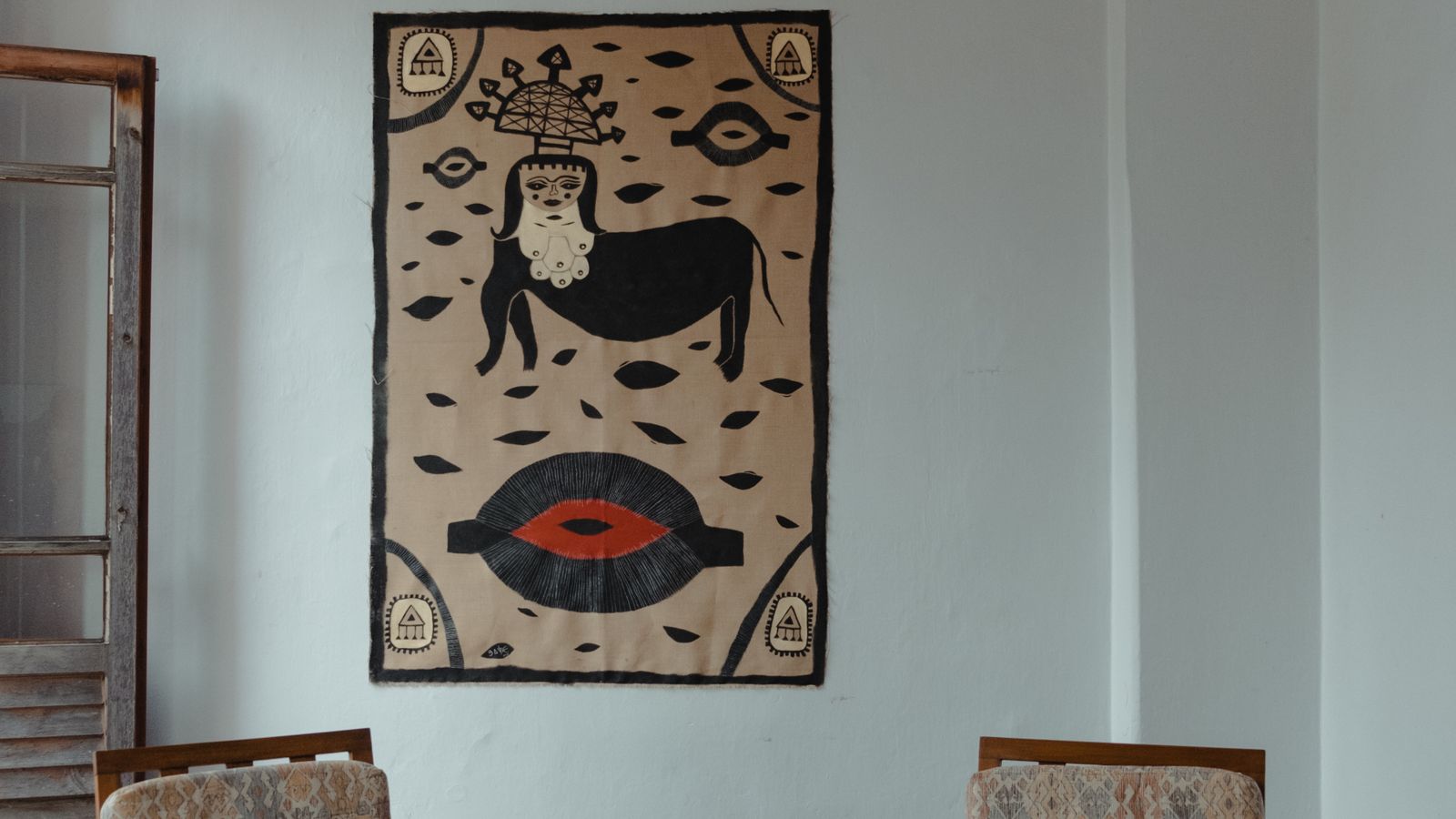
Tapestries, gallery wall kits, and faux flowers are all marketed as quick fixes for an “unfinished” room, but they are not interchangeable. A tapestry is a single large textile that covers a lot of wall in one move. A gallery wall kit is a curated collection of multiple frames meant to be arranged as a group. Faux flowers are not a wall treatment at all – they are a dimensional, tabletop or shelf accent that softens a room without touching the wall surface. Mixing these categories up leads to buying the wrong thing, then feeling like the room still isn’t done.
The good news is that the decision usually comes down to answering four practical questions: how big is the empty space, how much time do you want to spend installing anything, how often do you like to change your decor, and what feeling are you going for – cozy and textural, curated and personal, or organic and soft. Walk through each one below.
Start With the Wall (or Lack of One)
Before comparing styles, figure out what you’re actually working with.
A Large, Blank Wall
If you have one big stretch of empty wall – behind a bed headboard, above a sofa, or filling an awkward stairwell – a tapestry is usually the fastest way to make it feel finished. A single 60 to 90 inch wide textile fills visual space instantly, adds texture and color in one purchase, and requires only a few nails, a curtain rod, or clips at the top edge.
A Medium Wall That Needs Personality
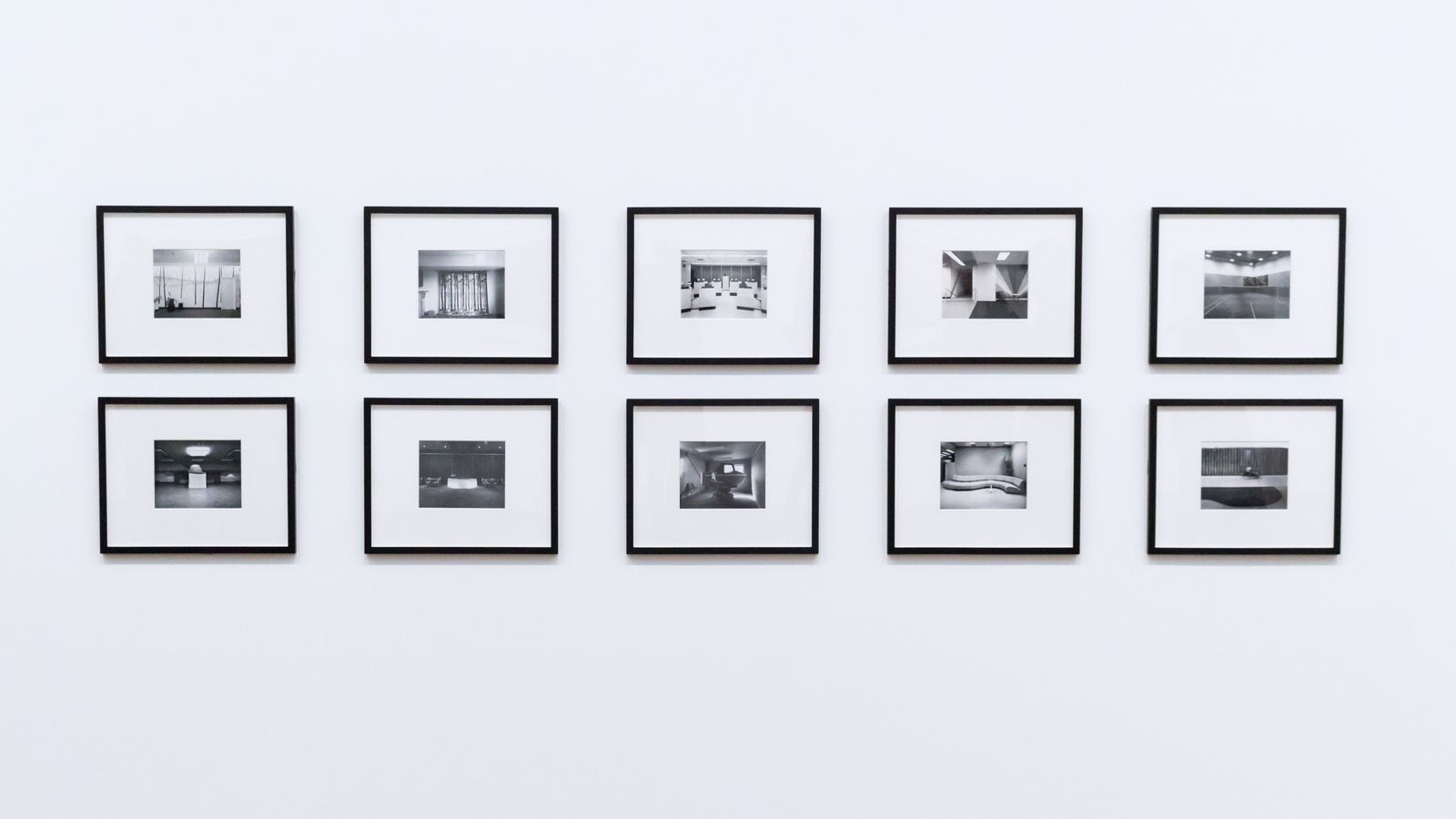
A wall that’s too small for one giant piece but too large to leave with just one small frame is the classic case for a gallery wall kit. These kits bundle several frames in coordinated sizes and finishes, taking the guesswork out of spacing and scale so you get a “curated collection” look without hours of trial and error.
No Wall Space at All – or You Rent and Can’t Drill
If your real problem is a bare shelf, an empty console table, a kitchen windowsill, or a rental where wall damage is a concern, neither a tapestry nor a gallery wall kit solves it. That’s where faux flowers come in – they add color, life, and softness to horizontal surfaces without a single nail hole.
Compare the Three Options Side by Side
Tapestries: Best for Instant, Low-Effort Impact
- Time to install: Minutes – hang with clips, a rod, or a few tacks.
- Cost: Typically the lowest cost-per-square-foot of wall coverage.
- Commitment: Low – easy to take down, roll up, and swap for a new pattern.
- Best rooms: Bedrooms, dorms, boho-style living rooms, reading nooks.
- Watch out for: Fabric sag over time, sun fading near windows, and picking a size that’s actually proportional to your wall (too small looks like an afterthought).
Explore a range of patterns, sizes, and fabric weights in our roundup of tapestries to see what fits your wall dimensions and style.
Gallery Wall Kits: Best for a Personal, Curated Look
- Time to install: Moderate – most kits include a layout template or spacing guide, but you’ll still need a level, a measuring tape, and some patience.
- Cost: Mid-range, since you’re paying for multiple frames plus hardware.
- Commitment: Higher – once frames are hung and photos or prints are chosen, rearranging means new nail holes.
- Best rooms: Hallways, staircases, living rooms, home offices – anywhere you want to display photos, art prints, or a mix of both.
- Watch out for: Buying a kit with frame sizes that don’t match the art or photos you already own, and underestimating how long careful spacing actually takes.
If you like the idea of a mixed-frame display but want the sizing and hardware already sorted out, browse our picks for gallery wall kits before you start measuring.
Faux Flowers: Best for Soft, No-Commitment Styling
- Time to install: Seconds – unbox, arrange in a vase, place on a surface.
- Cost: Low to moderate, depending on stem quality and quantity.
- Commitment: Very low – move them room to room, swap seasonally, no tools needed.
- Best rooms: Kitchens, dining tables, entryway consoles, bathrooms, and any surface that needs a pop of color without upkeep.
- Watch out for: Cheap plastic-looking stems, dust buildup over time, and arrangements that look too sparse in a large vase.
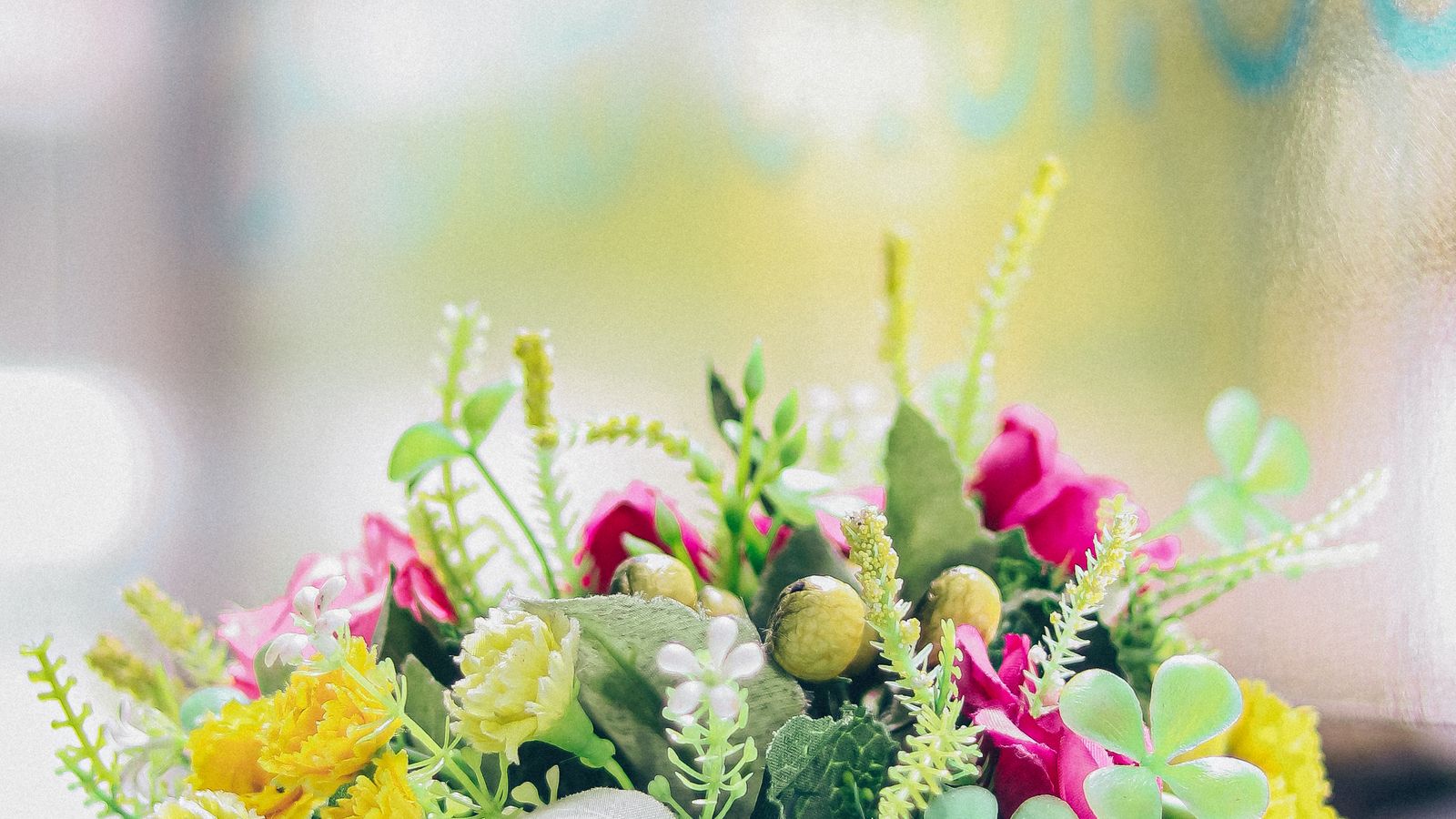
For realistic textures and better-than-expected quality, check our guide to the best faux flowers before settling on a bouquet.
Match the Option to Your Room’s Personality
Bedrooms
A tapestry above or behind the headboard is the classic bedroom move – it adds warmth without competing with nightstands, lamps, or artwork elsewhere in the room. Pair it with faux flowers on a dresser for a softer, finished feel.
Living Rooms
Living rooms often benefit from a gallery wall kit above the sofa or media console, since this is the room where people display photos, travel prints, and personal mementos. A large tapestry can work too, but only if the room leans toward a relaxed, textural aesthetic rather than a more formal one.
Dining Rooms and Kitchens
These rooms are almost always better served by faux flowers on the table or a nearby shelf. A tapestry or gallery wall competes with cabinetry, backsplash tile, and everyday clutter, while a simple arrangement adds color without visual noise.
Home Offices and Entryways
A gallery wall kit works well behind a desk or in a hallway where you pass by often enough to appreciate the detail. Faux flowers on an entryway table are the easiest way to make a first impression without any wall work at all.
Budget: What You’re Really Paying For
Tapestries generally offer the most coverage per dollar because you’re buying one large piece of fabric rather than multiple frames, glass, and mats. Gallery wall kits cost more up front since you’re paying for hardware and several frames at once, but they also deliver a more personalized, gallery-style result that a single tapestry can’t replicate. Faux flowers are the smallest investment of the three and the easiest to upgrade gradually – you can start with one modest arrangement and add more stems or a second vase later without redoing anything.
If your budget is tight and you only have room for one purchase, prioritize whichever surface bothers you most every time you walk into the room: an empty wall calls for a tapestry, a wall that needs personality calls for a gallery wall kit, and a bare tabletop calls for faux flowers.
Can You Combine All Three?
Yes – and in most well-decorated rooms, you eventually will. A common, balanced approach is a tapestry or gallery wall kit as the main visual anchor on the largest wall, with faux flowers layered onto a nearby shelf, side table, or mantel to soften the hard edges of frames or fabric. Think of the wall treatment as the “big move” and the flowers as the finishing touch that keeps the room from feeling stiff or overly styled.
A practical order of operations: choose your wall treatment first (tapestry or gallery wall kit), live with it for a week or two, then add faux flowers to fill in any remaining flatness. This keeps you from over-buying and lets the room evolve naturally instead of trying to finish it all in one shopping trip.
Common Mistakes to Avoid
- Buying a tapestry too small for the wall. Measure your wall first – a tapestry that leaves a foot of bare space on every side looks accidental, not intentional.
- Skipping the layout step for gallery walls. Even with a kit, lay the frames out on the floor (or trace paper templates on the wall) before you commit to a single nail hole.
- Choosing faux flowers that are the wrong scale for the vase. A tall vase needs long stems; short, dense stems will look lost and sparse.
- Mixing too many textures at once. A heavily patterned tapestry plus a busy gallery wall in the same small room can feel cluttered – let one element lead and the other support.
- Forgetting the room’s function. A tapestry in a kitchen or a gallery wall in a laundry room rarely makes sense practically, even if it looks nice in a photo.
Frequently Asked Questions
Do I need special tools to hang a tapestry?
No. Most tapestries hang with a few small nails or removable adhesive hooks along the top edge, or by threading a slim rod through a fabric sleeve if the tapestry has one.
How many frames come in a typical gallery wall kit?
It varies by kit, but most bundles include anywhere from 5 to 12 frames in a mix of sizes, along with a spacing template or hanging guide to simplify layout.
Will faux flowers look cheap?
Not if you choose stems with realistic texture and avoid overly glossy petals. Higher-quality faux flowers use fabric or foam construction that mimics real plant texture far better than older plastic versions.
Can I put a tapestry and a gallery wall kit in the same room?
Yes, as long as they’re on different walls and the room is large enough to give each its own visual space. Putting both on the same wall usually feels crowded.
How do I keep faux flowers looking fresh?
Dust them gently with a soft brush or hairdryer on a cool, low setting every few weeks, and keep them out of direct, intense sunlight to prevent fading over time.
What if my wall is oddly shaped or has a slanted ceiling?
Irregular walls are often easier to solve with a gallery wall kit, since you can adjust which frames go where, rather than forcing a single rectangular tapestry into an awkward space.
Final Thoughts
There’s no single right answer between a tapestry, a gallery wall kit, and faux flowers – the right choice depends on the wall you’re staring at, the time you want to spend, and how the room is actually used day to day. Start with the space that bothers you most, pick the option built for that specific problem, and let the other two fill in as your room evolves. Whichever you choose first, browse the full options in our guides to tapestries, gallery wall kits, and best faux flowers to compare styles before you buy.