Refreshing a room does not have to mean a full renovation. A poster frame, a banker lamp, and a bundle of faux flowers can transform a corner of your home for a fraction of the cost of new furniture – but only if you plan the spend before you start clicking “add to cart.” This guide walks through how to set a realistic budget for a small home decor scheme built around these three staples, compares what each one typically costs, and shows you how to sequence purchases so the room comes together instead of looking like three unrelated impulse buys.
Step 1: Define the Scope of Your Decor Scheme
Before you open a browser tab, decide exactly which space you are updating. A “new decor scheme” can mean an entire living room or just a single reading nook, and the budget swings enormously depending on scope. For a poster-frame-plus-banker-lamp-plus-faux-flower refresh, most people are targeting one focal wall, a desk or console table, and a shelf or mantel – not a whole-room overhaul.
Write down the specific surfaces you plan to touch: one wall for the frame, one tabletop for the lamp, one vase or shelf for the flowers. Keeping the scope tight is what keeps the budget tight, and it also keeps the finished look cohesive rather than scattered.
Step 2: Set a Total Budget Ceiling Before Comparing Products
Pick a total number first, then divide it among the three categories – not the other way around. A workable starting range for a single-wall-plus-tabletop refresh is $80-$250 total, broken down roughly as:
- Poster frame: $15-$60, depending on size and finish (wood, metal, or plastic).
- Banker lamp: $25-$90, depending on materials (brass vs. painted metal) and whether it is a genuine banker-style lamp with a glass shade or a modern reinterpretation.
- Faux flowers: $10-$40 for a bundle plus a vase, or $20-$70 if you want a larger arrangement with multiple stem types.
These ranges are deliberately wide because quality and size both move the needle. A 24×36 wood-frame poster costs more than an 8×10 metal one; a solid-brass banker lamp costs more than a resin-and-metal version. Decide up front which item is your “splurge” piece and which two are your “keep it simple” pieces – trying to splurge on all three is the fastest way to blow the budget.
Step 3: Compare the Three Items Side by Side
Each of these three decor pieces plays a different role in the room, and understanding that role helps you decide where to spend more and where to save.
Poster Frame: The Anchor
The poster frame is usually the visual anchor of the wall – it sets the color palette and style direction (minimalist, vintage, gallery-wall, etc.) that the rest of the room follows. Because it anchors the whole scheme, it is often worth spending slightly more here on frame quality and mat board, since a cheap plastic frame can visually undercut an otherwise nice piece of art. If you’re comparing options, browse poster frames that offer real wood or metal construction with UV-resistant glazing, which protects the print from fading near windows.
Banker Lamp: The Function-Plus-Style Piece
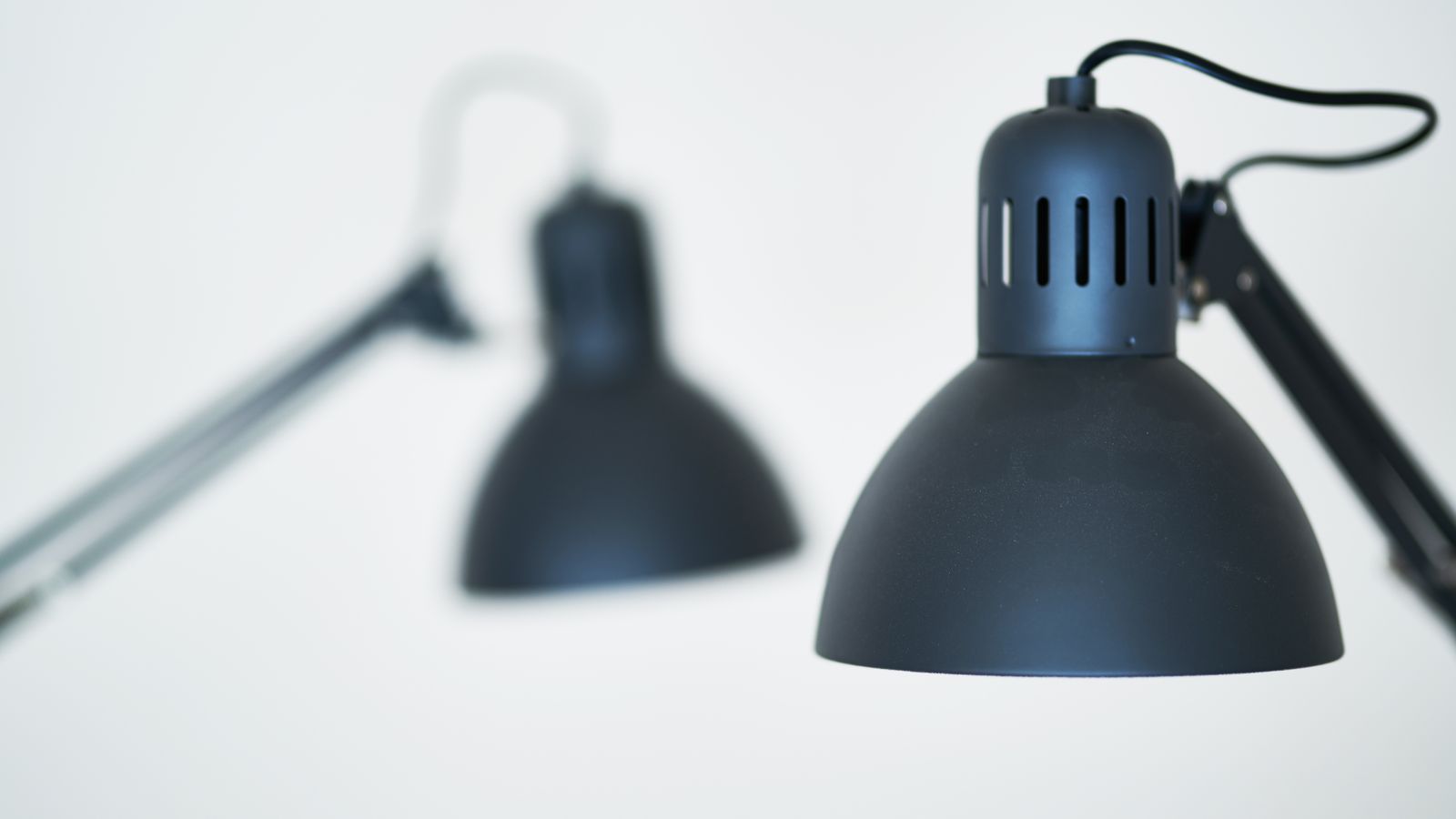
A banker lamp adds warm, targeted task lighting while contributing an instantly recognizable silhouette (the classic green or amber glass shade with a brass base is the archetype, though modern versions come in many finishes). Because it is both functional and decorative, it tends to be the item people regret buying cheaply – a flimsy switch or a shade that yellows quickly is a common complaint. If a desk or console lamp is central to your scheme, it’s worth comparing a few banker lamps on build quality, bulb type (LED vs. incandescent-style), and switch mechanism before you buy.
Faux Flowers: The Low-Cost, High-Impact Filler
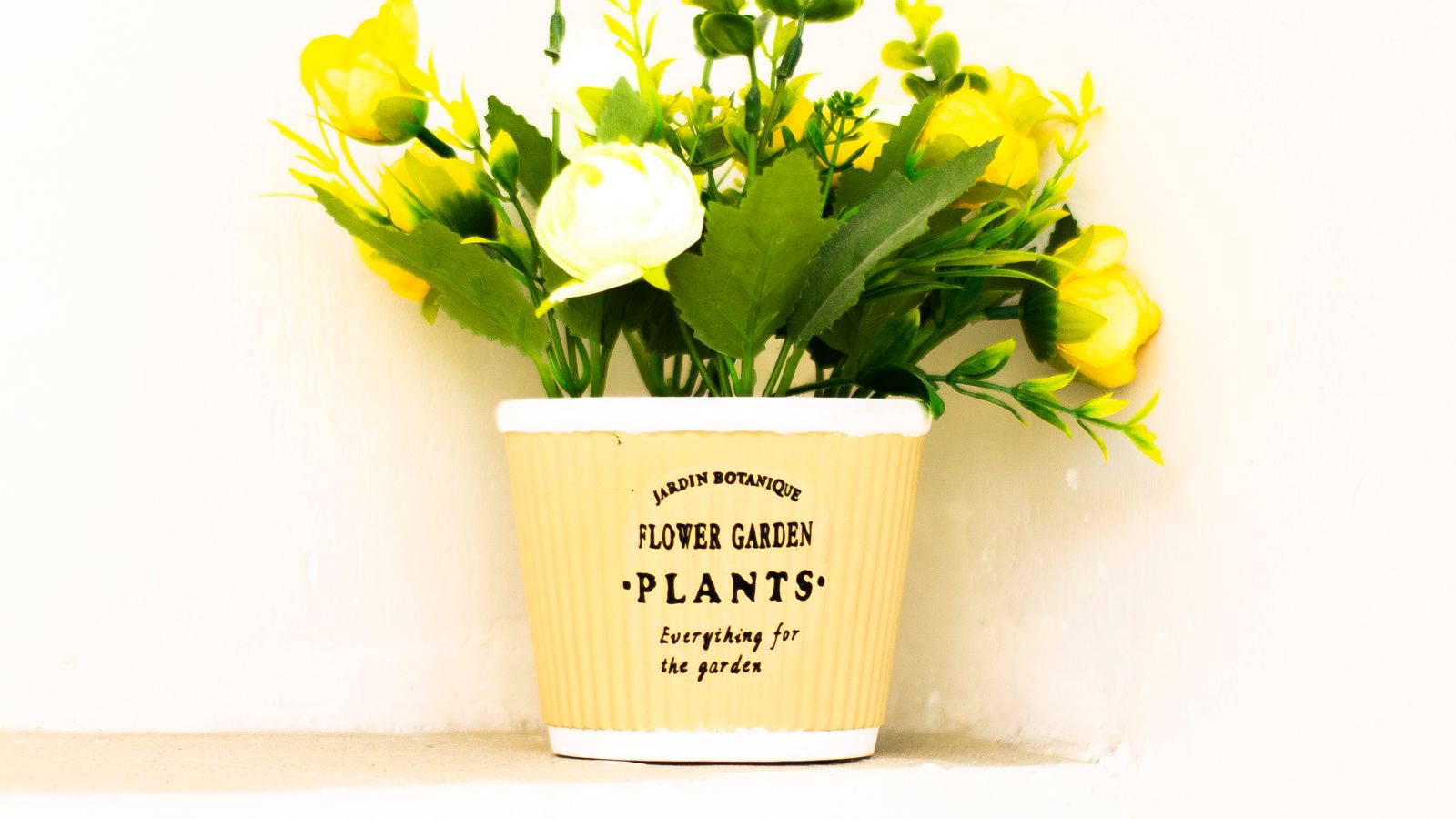
Faux flowers are typically the cheapest of the three and the easiest to swap seasonally, which makes them the best place to save money if your budget is tight. A single well-chosen stem bundle in a simple vase can soften a room instantly, and because they don’t wilt, they’re a smart choice for low-light corners where real plants struggle. When comparing options, look at best faux flowers picks that use realistic textured petals and natural-looking stems rather than glossy plastic, since texture is what sells the illusion up close.
Step 4: Sequence Your Purchases in the Right Order
Buying in the wrong order is one of the most common budgeting mistakes. Follow this sequence:
- Choose the poster art and frame first. This sets your color palette (warm neutrals, cool tones, black-and-white, etc.) and your style direction (modern, vintage, botanical, abstract).
- Select the banker lamp next. Match its finish (brass, black, brushed nickel) to metal accents already in the frame or nearby furniture so the metals in the room don’t clash.
- Add faux flowers last. By this point you know your color palette and metal tones, so you can pick stem colors and a vase finish that complements both instead of guessing.
Buying the flowers first, before you’ve locked in a color direction, is the most common reason people end up with mismatched decor – the flowers were chosen in isolation and then nothing else in the room “goes” with them.
Step 5: Build in a Buffer for Extras
Most budgets forget small add-ons that quietly add up: hanging hardware if the frame doesn’t include it, a dimmer-compatible bulb for the lamp, or a vase if your faux flower bundle doesn’t come with one. Set aside an extra 10-15% of your total budget for these extras so a $150 plan doesn’t quietly become $190 at checkout.
Step 6: Common Budgeting Mistakes to Avoid
- Ignoring shipping costs on large frames. Oversized poster frames can have shipping fees that rival the price of the frame itself – factor this in before comparing sticker prices.
- Buying a bulb-less lamp and forgetting the bulb cost. Some banker lamps ship without a bulb; budget an extra $5-$15 for the right bulb type and color temperature.
- Underestimating how many stems you need. A single thin faux flower stem in a large vase looks sparse. Budget for a full bundle (typically 5-10 stems) rather than one or two.
- Spending evenly across all three items. An even three-way split rarely looks intentional. Pick one hero piece – usually the frame or the lamp – and let the other two support it.
Step 7: Sample Budget Breakdown
Here’s a sample allocation for a mid-range $180 total budget:
- Poster frame (16×20, wood, with mat board): $55
- Banker lamp (metal base, glass shade, LED-compatible): $65
- Faux flower bundle plus ceramic vase: $35
- Buffer for hardware, bulb, and shipping: $25
If your budget is tighter – say $90 total – scale each category down proportionally rather than cutting one item entirely: an $8×10 frame ($25), a simpler lamp ($35), and a small faux stem bundle without a vase ($15), leaving a small buffer.
Safety and Care Notes
Keep faux flowers and paper posters away from direct contact with a hot lamp shade or bulb – even LED bulbs generate some heat, and prolonged contact can discolor petals or paper over time. When mounting a poster frame, use anchors rated for the frame’s actual weight (glass-front frames are heavier than they look) rather than relying on adhesive strips alone for anything larger than a small print.
Frequently Asked Questions
How much should I budget for a small decor refresh with these three items?
Plan on $80-$250 total for one wall and one tabletop, depending on size and material quality. Most balanced setups land around $150-$180.
Which item is worth spending more on?
Most people get the best visual return by investing slightly more in the poster frame (since it anchors the color palette) or the banker lamp (since poor build quality shows up daily in a functional piece). Faux flowers are the easiest place to economize.
Do I need to buy all three items at once?
No – buying in the sequence outlined above (frame, then lamp, then flowers) lets you spread the cost over a few paychecks while still ending up with a cohesive look, since each purchase is informed by the one before it.
Can I reuse an old vase or frame to save money?
Yes. Repainting an old frame or swapping the mat board is often cheaper than buying new, and a plain glass or ceramic vase you already own works fine for faux flowers as long as its color doesn’t clash with your new palette.
Final Thoughts
A poster frame, a banker lamp, and faux flowers are three of the most budget-friendly ways to transform a room, but only when the spending is planned rather than reactive. Set a total ceiling first, buy in the frame-lamp-flowers order so each choice informs the next, and leave a small buffer for the extras that always show up at checkout. Done this way, even a modest budget can produce a room that looks pulled together rather than assembled piece by piece.