Standing in the cleaning aisle staring at a wall of bottles, gels, and tablets can make even a simple task feel confusing. Toilet cleaners are not one-size-fits-all: some are built to blast away hard water rings, others are formulated to disinfect, and a few are designed with septic systems or sensitive plumbing in mind. Picking the wrong one can mean scrubbing harder than you should have to, or worse, damaging your fixtures. This guide walks through exactly what to look for so the next bottle you add to your cleaning supply cabinet is the right one for your bathroom.
Why the Right Toilet Cleaner Matters
A toilet is one of the highest-use, highest-bacteria surfaces in the home, and it is also one of the easiest to under-clean or over-clean. Using a formula that is too harsh can etch porcelain, damage rubber seals, or discolor grout over time. Using one that is too mild leaves mineral deposits, rust rings, and bacteria behind no matter how often you scrub. The goal is to match the cleaner’s chemistry to your specific water type, bowl material, and household needs, rather than grabbing whatever is cheapest or most familiar on the shelf.
Step 1: Identify What You’re Actually Fighting
Before buying anything, take a close look at your toilet bowl. Different problems call for different active ingredients, and identifying yours first will save you money and frustration.
Hard Water Rings and Mineral Buildup
If you see a stubborn ring at the waterline or brownish-orange staining, you likely have hard water depositing calcium, lime, or iron. These stains need an acidic cleaner (often containing hydrochloric acid, phosphoric acid, or a milder alternative like citric acid) to dissolve the mineral crust.
Everyday Grime and Odor
For routine maintenance with no major staining, a general-purpose bleach-based or enzyme-based cleaner is usually enough. These handle organic buildup and neutralize odor-causing bacteria without needing a heavy-duty acid formula.
Mold or Mildew in Humid Bathrooms
Pink or black spots near the rim or under the seat hinge point to mold and mildew, which thrive in humid, poorly ventilated bathrooms. Look for a cleaner labeled to kill mold and mildew specifically, not just one marketed for “freshness.”
Step 2: Choose the Right Formula Type
Once you know the problem, match it to a formula category. Toilet cleaners generally fall into a handful of types, each with its own strengths.
Bleach-Based Cleaners
These are effective disinfectants and work well on general grime, but they can be harsh on colored grout, septic systems (in large quantities), and metal fixtures if overused. Best reserved for occasional deep cleans rather than daily use.
Acid-Based Cleaners
Designed specifically to dissolve mineral and rust deposits, acid-based cleaners are the strongest option for hard water problems. They should never be mixed with bleach products, and gloves plus ventilation are non-negotiable when using them.
Enzyme and Bio-Based Cleaners
These use natural enzymes to break down organic waste and are gentler on septic systems and plumbing. They are slower-acting than acids or bleach but are a good everyday choice for households prioritizing gentler chemistry.
Gel and Tablet Cleaners
Thick gels cling to the bowl’s vertical surfaces for longer contact time, which helps with tougher stains. In-tank tablets provide continuous light cleaning between scrubs but are not a substitute for regular brushing, since buildup still forms below the waterline.
Step 3: Match the Cleaner to Your Plumbing and Household
Not every household should buy the same bottle. A few practical factors should shape your final decision.
- Septic systems: Avoid heavy bleach or harsh acid formulas in large volumes; look for septic-safe labeling, which usually means enzyme-based or diluted formulas.
- Older or delicate fixtures: Vintage porcelain, colored bowls, or fixtures with visible wear are more prone to etching from strong acids. Choose a milder formula and avoid abrasive scrub pads.
- Households with kids or pets: Consider cleaners with child-resistant caps, lower fume profiles, and clear storage away from curious hands or paws.
- Allergies and sensitivities: Fragrance-free or “sensitive skin” labeled cleaners reduce the chance of respiratory irritation, especially in smaller or poorly ventilated bathrooms.
Step 4: Check the Label Before You Buy
A few label details tell you more than the marketing claims on the front of the bottle.
- Active ingredient: Look past “powerful formula” language and find the actual acid, bleach, or enzyme percentage listed in the ingredients.
- Contact time: Instructions that specify how long to let the product sit before scrubbing indicate a formula built for real stain removal, not just quick surface freshening.
- Safety warnings: Note whether the product warns against mixing with other cleaners (a critical rule with bleach and acid) and whether ventilation is recommended during use.
- Septic and plumbing compatibility: If this matters to your home, confirm it is explicitly stated rather than assumed.
Step 5: Build a Complete Toilet-Cleaning Kit
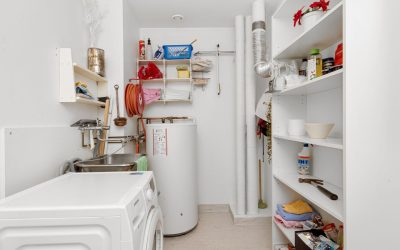
The cleaner itself is only part of the equation. A cleaning supply cabinet works best when it is stocked to handle the whole job, not just the chemical step.
- A sturdy bowl brush or wand for physically loosening buildup the cleaner has softened.
- Disposable gloves to protect skin, particularly when using bleach or acid-based products.
- A separate cloth or disposable wipe for the exterior, seat, and tank, since bowl cleaner alone will not address these surfaces.
- A reliable plunger on hand for clogs, since a heavily soiled or slow-draining bowl makes any cleaner less effective.
- Small trash liners for wipes and packaging; if you’re building out the rest of your cleaning cabinet with an eco-conscious mindset, compostable bags are a simple swap for the bathroom bin.
If you want to skip the trial-and-error of testing formulas yourself, browsing a curated roundup of toilet cleaners is a fast way to compare top-rated options by stain type, scent, and safety profile before you commit to one.
Safety Notes When Using Toilet Cleaners
Toilet cleaners are among the most commonly misused household chemicals, largely because people underestimate how reactive some formulas are.
- Never mix bleach and acid-based cleaners. Combining them produces toxic chlorine gas, even in small amounts and even if they are applied minutes apart without rinsing between.
- Ventilate the bathroom. Open a window or run the exhaust fan, especially with bleach or strong acid products.
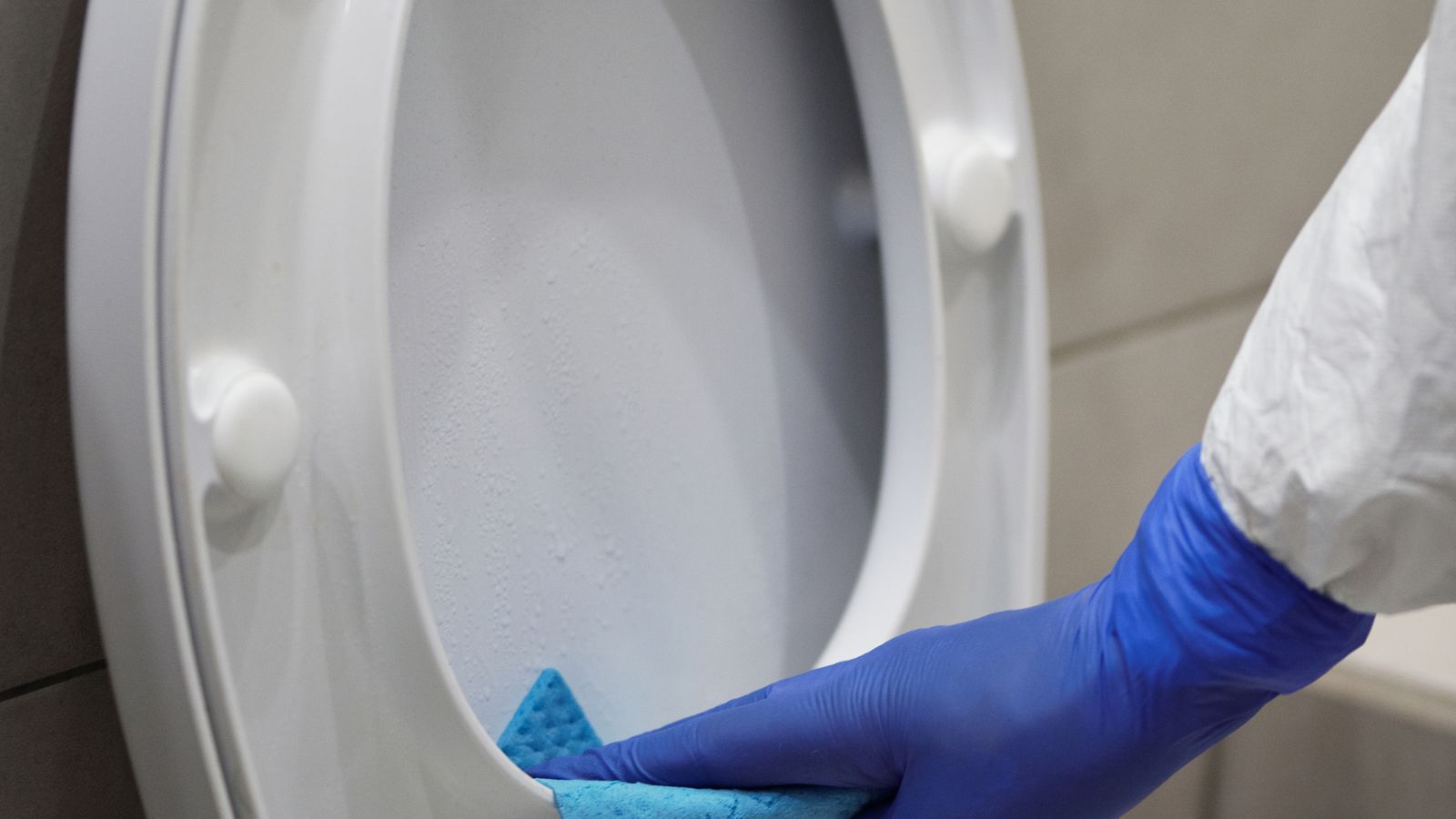
- Wear gloves. Concentrated acid and bleach formulas can irritate or burn skin with prolonged contact.
- Store cleaners upright and sealed. Leaking caps are a common cause of accidental exposure, particularly in cabinets shared with towels or other supplies.
- Keep cleaners out of reach of children and pets. A locking cabinet latch is worth the small investment if young kids are in the house.
Common Mistakes to Avoid
- Buying based on scent alone. A pleasant fragrance says nothing about cleaning power; check the active ingredient instead.
- Skipping the contact time. Wiping off a cleaner immediately after applying it undermines even the strongest formula. Let it sit as directed.
- Using in-tank tablets as your only cleaning method. They help maintain freshness between cleanings but do not replace regular scrubbing below the waterline.
- Ignoring the bowl material. Repeated use of harsh acids on delicate or colored porcelain can dull the finish over years of use.
- Overbuying strong chemicals for light jobs. A daily-use bathroom with no visible staining rarely needs an industrial-strength acid formula; save that for occasional deep cleans.
Frequently Asked Questions
How often should I deep clean with a strong formula versus a daily cleaner?
Most bathrooms do well with a light daily or every-other-day wipe using a mild general cleaner, paired with a stronger acid or bleach-based deep clean roughly once a week, or as soon as staining reappears.
Are natural or enzyme-based cleaners actually effective?
Yes, for everyday grime and odor control, enzyme-based cleaners perform well and are gentler on septic systems and plumbing. For heavy mineral staining, though, they typically work more slowly than acid-based options.
Can I use the same cleaner on the tank, seat, and exterior?
Bowl cleaners are formulated for porcelain and are often too harsh or simply the wrong texture for plastic seats and painted exteriors. Use a separate all-purpose bathroom cleaner or wipe for those surfaces.
What should I do if a stain won’t come out?
Try letting an acid-based cleaner sit for the maximum recommended contact time, then scrub with a stiff bowl brush. If the stain persists after several attempts, it may be etched into the porcelain itself rather than sitting on the surface, in which case no cleaner will fully remove it.
Is it safe to store toilet cleaner near other bathroom chemicals?
Store bleach-based and acid-based products on separate shelves or in separate bins to reduce the risk of accidental mixing from spills or leaks, and always keep caps tightly sealed.
Final Thoughts
Choosing the right toilet cleaner comes down to matching the formula to the actual problem in your bowl, considering your plumbing and household needs, and reading the label closely rather than relying on marketing claims. With the right cleaner, brush, and a few safety habits in place, your cleaning supply cabinet will be ready to handle everything from routine upkeep to stubborn hard water stains.